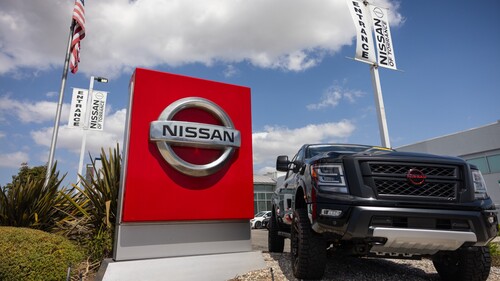
Image Credit: Shutterstock.American motorists may be facing a significantly larger fuel bill this year as gasoline prices continue to climb. According to a new analysis from iSeeCars, the average owner of a gasoline-powered vehicle could spend hundreds of dollars more on fuel compared to earlier projections, creating additional pressure on household budgets.The increase comes amid ongoing volatility in global energy markets, which has pushed fuel prices sharply higher in recent months. While the United States remains a major oil producer, global supply disruptions continue to influence prices at the pump across the country.For many drivers, fuel remains one of the largest recurring vehicle expenses. Even modest increases in gasoline prices can add up quickly over the course of a year, particularly for owners of larger SUVs, pickup trucks, and other vehicles with lower fuel efficiency.AdvertisementAdvertisementThe latest study suggests the impact could be substantial if current trends continue. Depending on vehicle type, some drivers may end up spending well over $1,000 more on fuel annually than they would have before the recent surge in prices.Average Fuel Costs Climb SharplyImage Credit: Shutterstock.According to iSeeCars, gasoline prices increased significantly during the first months of the year, rising from approximately $2.81 per gallon to $4.10 per gallon based on national averages. Using those figures, analysts estimate that the average owner of a gasoline-powered vehicle could pay an additional $706 in fuel costs over a full year.The situation remains fluid, however. Fuel prices have continued fluctuating beyond the period covered by the study, meaning actual costs could end up higher or lower depending on how energy markets evolve in the coming months.Analysts note that prolonged supply disruptions or further increases in crude oil prices could push annual fuel expenses even higher for many households.Large SUVs and Trucks Face the Biggest IncreasesNot surprisingly, larger vehicles with higher fuel consumption are expected to experience the most significant increases in operating costs. Full-size SUVs and pickups require more fuel to travel the same distance as smaller, more efficient vehicles, making them particularly vulnerable to rising gasoline prices.AdvertisementAdvertisementAmong the vehicles analyzed, the Toyota Sequoia recorded the largest projected increase in annual fuel expenses. The study estimates owners could spend approximately $1,623 more on fuel over the course of a year compared with pre-surge pricing levels.The Chevrolet Suburban ranked close behind with an estimated increase of $1,542, while the Nissan Armada rounded out the top three at roughly $1,512 in additional annual fuel costs.Minivans Deliver a Surprising ResultImage Credit: f.t.Photographer/Shutterstock.While large SUVs and trucks dominate the list of individual vehicles most affected by higher fuel prices, one segment produced an unexpected outcome. According to the study, minivans experienced the largest average fuel-cost increase among major vehicle categories.Researchers found that minivan owners could see annual fuel expenses rise by an average of $1,139. Although many modern minivans offer respectable fuel economy for their size, their frequent use as family transportation vehicles often results in higher annual mileage, amplifying the effect of rising gasoline prices.AdvertisementAdvertisementThe findings illustrate that vehicle type is only one factor influencing fuel expenses. Driving habits, commute length, and annual mileage can be equally important in determining how much a driver ultimately spends at the pump.Hybrids Offer Some ProtectionThe study also highlights the financial benefits of electrified powertrains during periods of fuel-price volatility. Hybrid vehicles still rely on gasoline, but their improved efficiency helps reduce the impact of rising fuel costs.According to the analysis, conventional hybrid owners face an average annual increase of roughly $486 in fuel expenses. Plug-in hybrids perform even better, with projected increases averaging around $291 per year.These savings demonstrate why many consumers continue to gravitate toward electrified vehicles as fuel prices remain unpredictable.EV Owners Largely Avoid the Fuel-Price ShockUnsurprisingly, battery-electric vehicles remain the least affected by rising gasoline costs because they do not consume fuel. Electricity prices have increased in some regions, but the impact is considerably smaller than the changes seen in gasoline markets.AdvertisementAdvertisementThe study estimates that EV owners may see annual energy costs rise by only about $11 on average. While electric vehicles are not completely insulated from higher energy costs, the findings underscore one of their key advantages. As fuel prices fluctuate, EV owners are generally exposed to far less volatility than drivers of conventional gasoline-powered vehicles, providing a level of cost stability that is becoming increasingly attractive to consumers.If you want more stories like this, follow Guessing Headlights on Yahoo so you don’t miss what’s coming next.