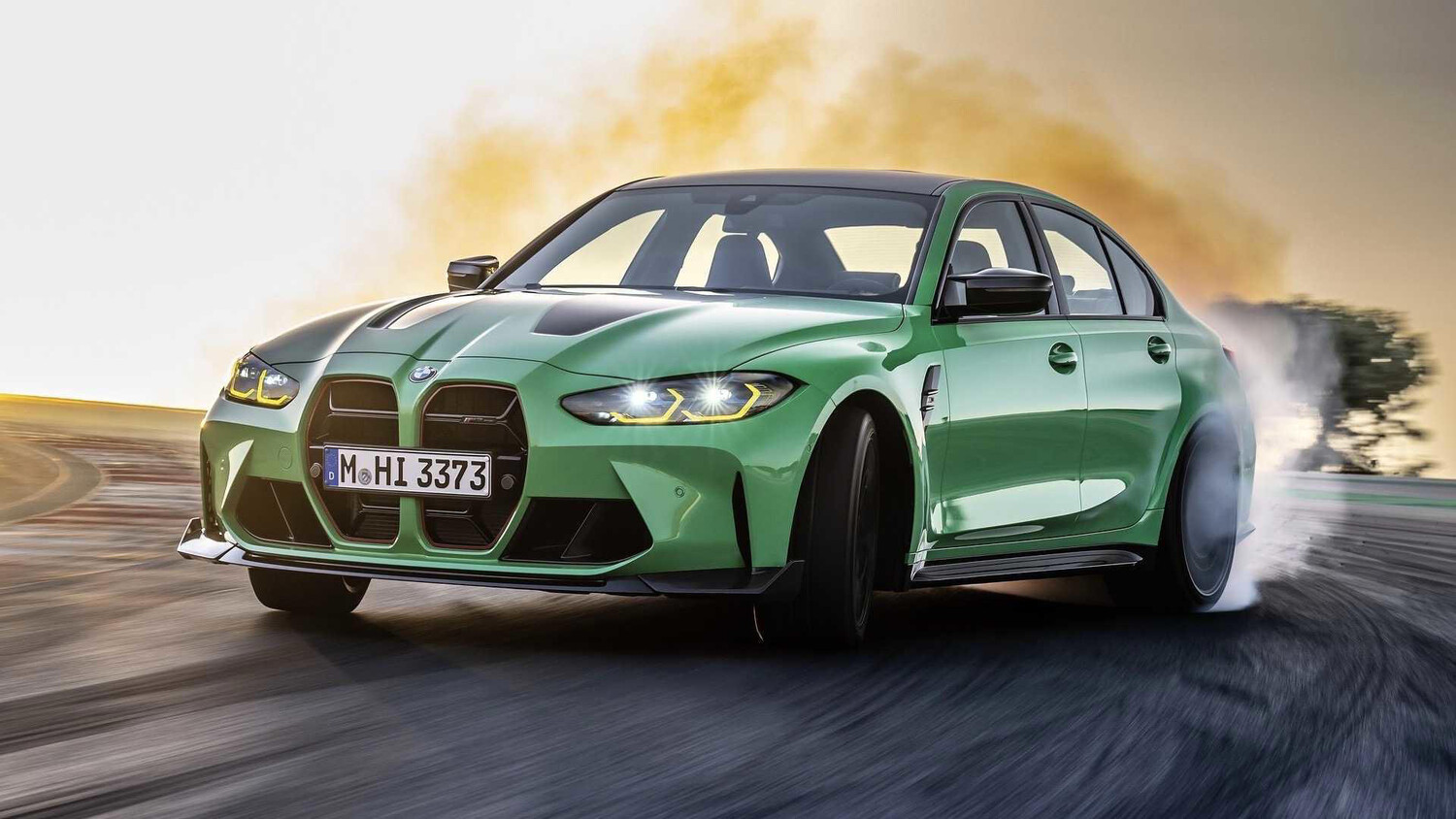
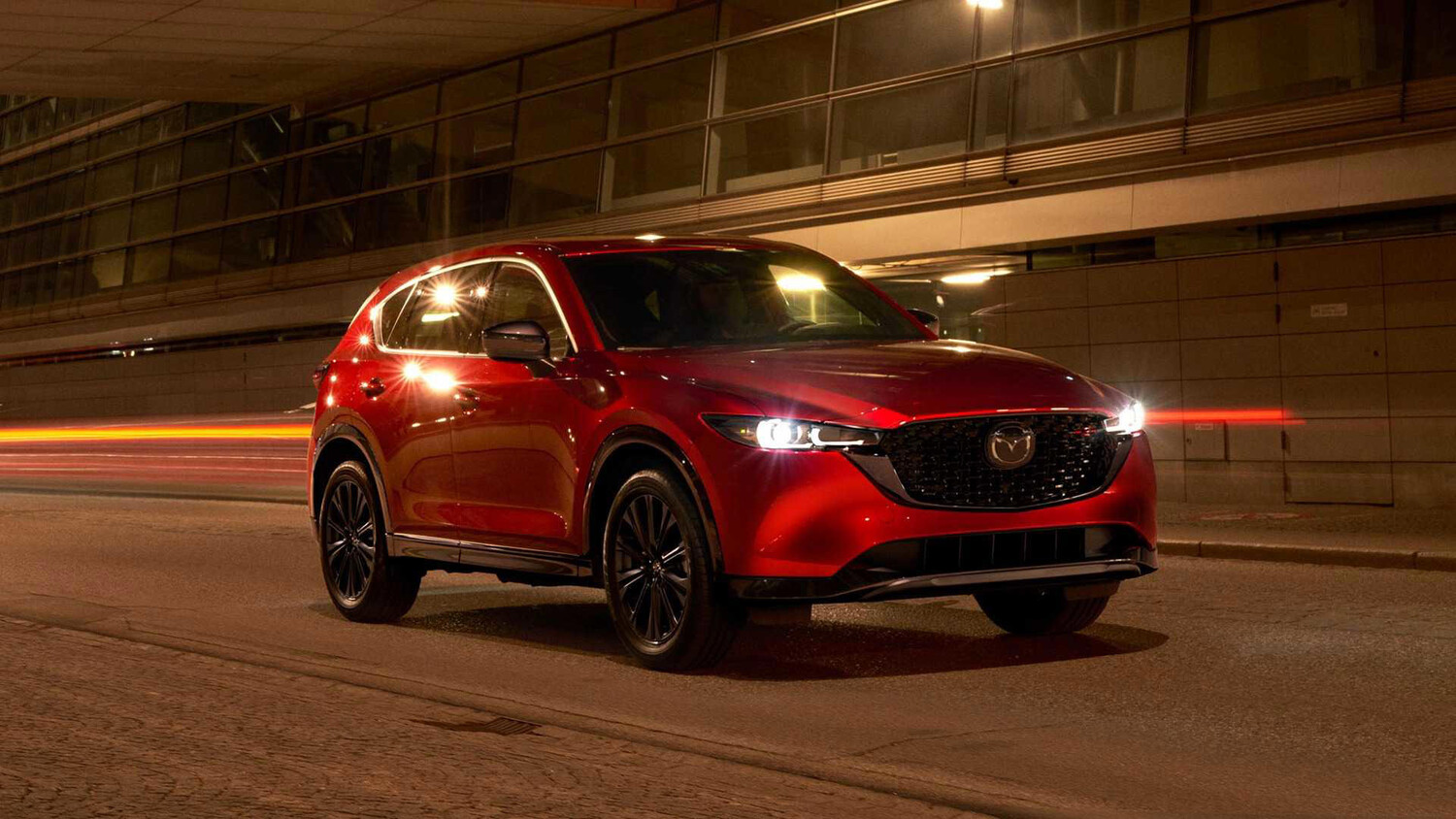
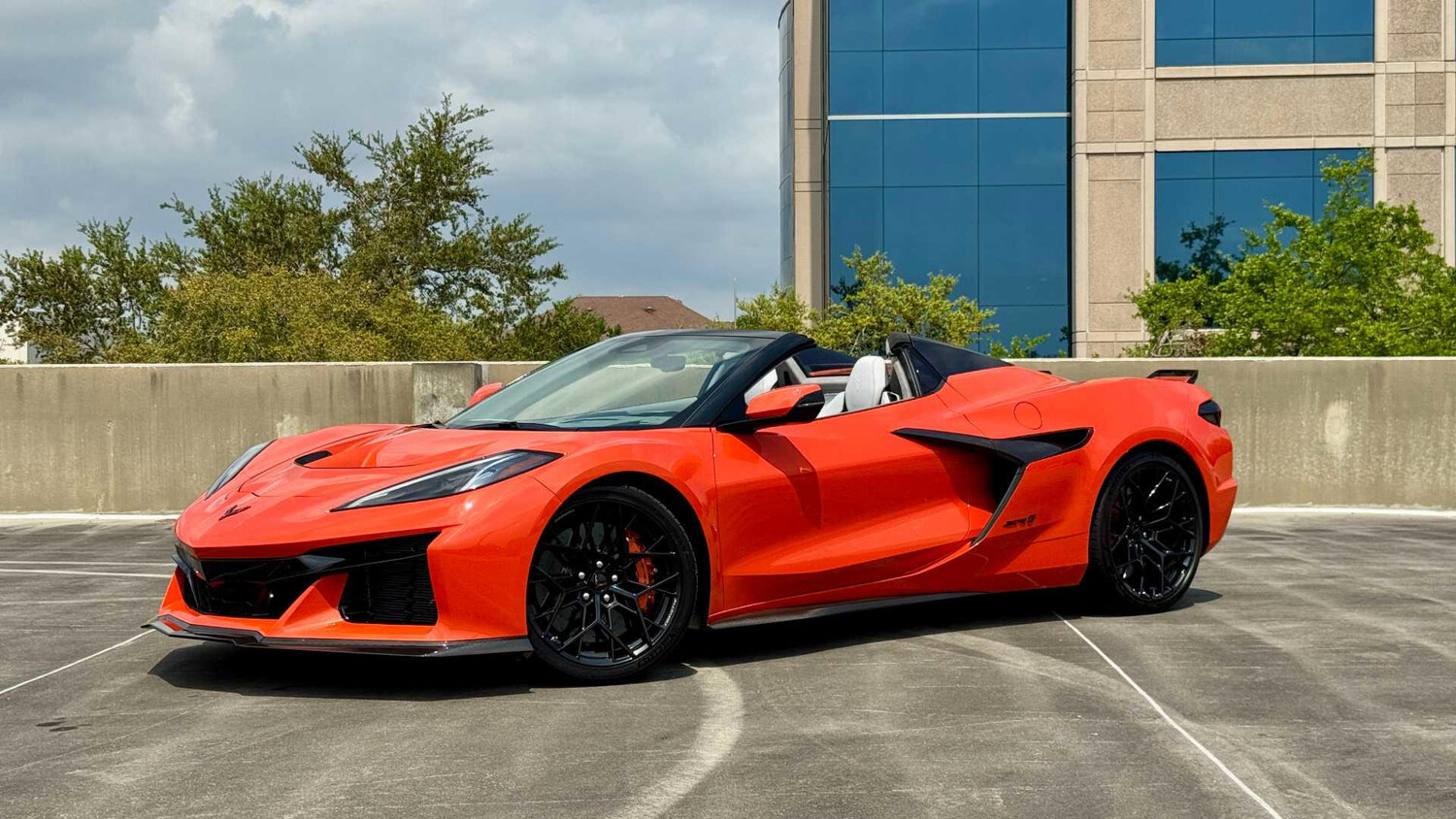
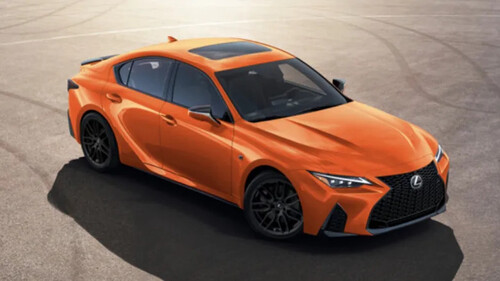
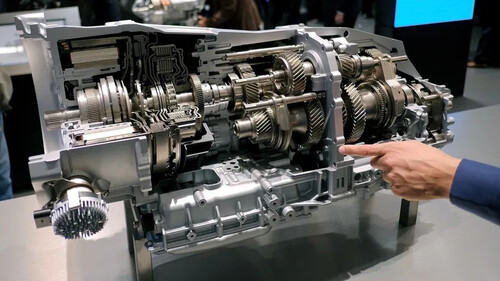
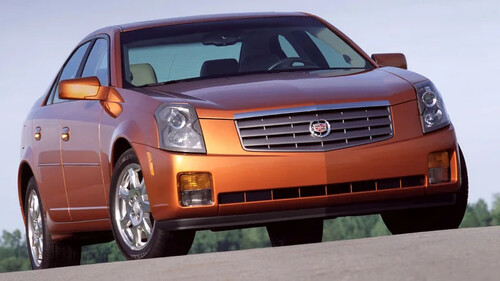
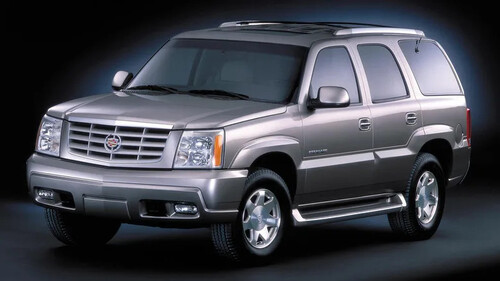
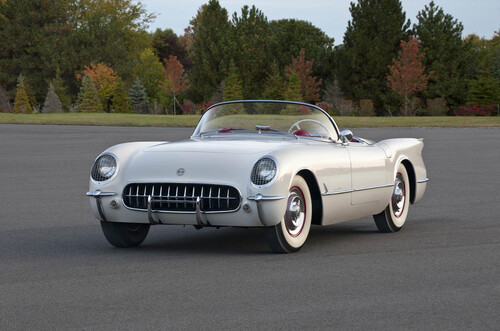
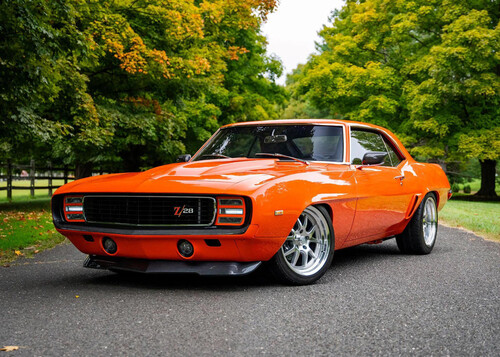
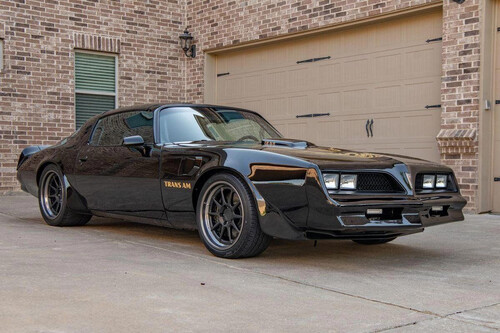
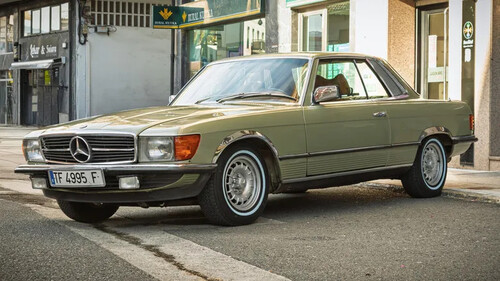
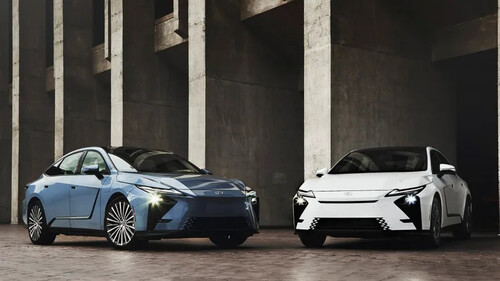
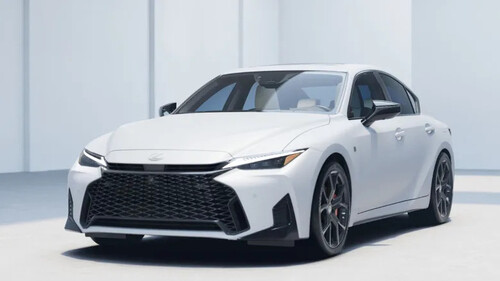
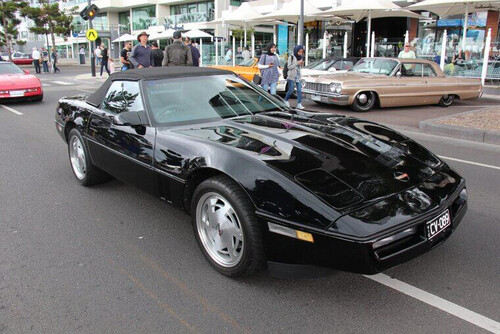
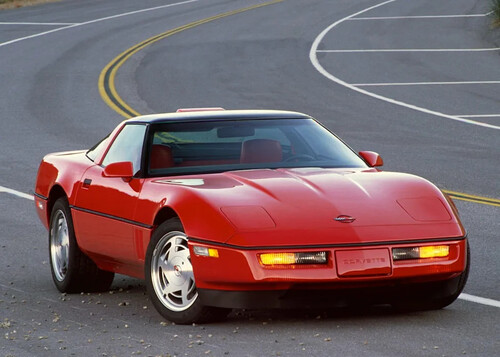
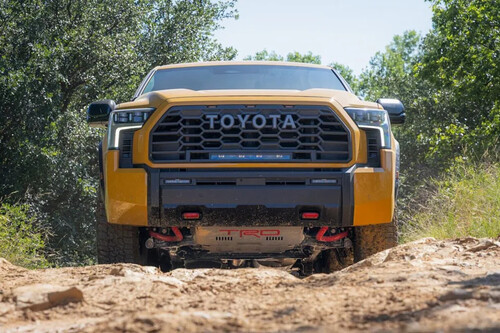
We all want the best for our cars, but recent fuel price hikes have forced many motorists to reconsider whether paying extra for premium gas is really worth it. Surely if the pump nozzle says "premium" then it's better in every respect than the regular stuff that sells for way less?Well, the answer is not always clear-cut, and it depends not only on your brand of vehicle but on what type of engine it has, too. So, whether you drive a Mazda, Mercedes, or a McLaren, read on to find out whether Premium gas is really the premium option.All vehicle data is from reputable sources. Pricing excludes destination charges and tax unless otherwise specified. What's The Difference Between Regular and Premium Gasoline? CarBuzz with AIEvery gasoline engine works by igniting a mixture of fuel and air. This is how a basic gas-powered internal combustion engine works: The intake valves allow air to enter a combustion chamber, and fuel injectors spray fuel in at the same time. A cylinder then compresses this mixture, and a spark plug ignites it. The resultant explosion forces the cylinder up, creating power. The exhaust valves expel the burnt air and fuel, and the cylinder moves down to repeat the process.Engin Akyurt | Pexels The more air and fuel that can be squeezed into the combustion chamber, the more power the engine makes. Factors such as engine size, valvetrain layout, and the maximum revolutions per minute all have a bearing on how much air and fuel can be effectively used for each engine revolution. While pushing more air into an engine requires larger cylinders and/or forced induction, fuel volume is increased by using larger injectors and more advanced injector spray technology.The quality of the fuel is also very important, and this is where the difference between regular and premium gasoline comes into play. Fuel quality is primarily measured using something called an octane rating. This rating is the measure of how stable a fuel is. Regardless of whether you see regular, mid-grade, premium, or super premium on the pump, it always refers to the octane rating.Jleedev via WikimediaThe stability of a fuel determines how it performs under pressure. As the engine revs increase, heat in and around the engine rises as well. At a certain point, the air/fuel mixture may ignite too early, causing "knocking". This can severely damage the engine if left unchecked. Thankfully, modern engines have knock sensors that retard the ignition timing, lowering the combustion chamber pressure and preventing pre-ignition. Unfortunately, this has the side effect of reducing power. What Benefits Does Premium Gas Provide? BMW In very simplified terms, premium gas is more stable under pressure than regular gas. This means that it can handle higher heat and pressure, allowing it to remain stable under extreme conditions. The engine control unit (ECU) won't need to retard the timing, and the engine will perform at its peak, even when pushed.Based solely on this information, you could logically conclude that the higher the octane rating, the more power your car will make. Racing fuels, like the ones developed by Sunoco, have octane ratings ranging from 98 to 118, allowing engines to operate in extreme conditions for extended periods without needing to pull back timing or reduce turbocharger boost levels. But, like chocolate cake, the benefits don't keep stacking up indefinitely, and there are a few mechanical factors that will determine just how effective a higher octane fuel is for your vehicle. When is Premium Gas Worth it? Mazda While we may be heading towards a world filled with EVs that have characterless electric drivetrains, gas-powered vehicles still differ greatly from one another. The decision to use premium gas over the regular stuff comes down to whether your engine can take advantage of the benefits. Required Versus Recommended Fuel Every manufacturer will have a recommended and required fuel octane rating for the vehicles it produces. You should never go below the required rating, as this can cause engine damage. Opting for the recommended spec will ensure that your engine delivers its peak power and torque figures.It's not only the power output that benefits from higher octane fuel. By using the recommended octane fuel for your car, the engine will be able to optimize the timing, which results in better fuel economy, too. This can lower your fuel costs, but in practice, the slight improvement in fuel economy rarely makes up for the higher cost of the fuel.That said, putting 87 octane regular fuel in the latest Ferrari will not only cause it to run poorly, but the engine damage that may result will cost you a lot more in repair bills. For 90% of the vehicles on the road, regular gas is just fine, but don't assume that just because you drive a "normal" car, the cheapest fuel will always do.Mazda, for example, recommends premium-grade fuel for some of its models, posting different power and torque figures for its 2.5-liter Skyactiv-G turbocharged engine depending on the fuel you use. You can expect an additional 29-hp and 10 lb-ft of torque using premium gas.Interestingly, because the engine is designed to run on both fuel types, the claimed fuel economy figures don't vary. In all likelihood, there should be a slight improvement using premium gas, but the 87c difference in the per/gallon cost is unlikely to be recouped.Mazda Vehicles that have more sporty or aggressive tunes from the factory tend to require the use of premium gas. Some of these models include the Chevrolet Corvette, Toyota GR models, the Cadillac V-Series cars, as well as most BMW, Mercedes, and Porsche models. Turbocharged engines, like the EcoBoost range from Ford, can usually run on regular gas, but perform at their best using premium gas.Older naturally aspirated engines and low-stressed economy-tuned motors like the ones in many Toyotas will perform well on regular gas and won't be able to take advantage of the benefits that premium gas provides. The Premium Option Jared Rosenholtz/CarBuzz/Valnet So, in summary, if you own a car that recommends premium grade fuel, and you like to make the most of the performance on offer, then the extra cost is worth it for your use case. If your vehicle requires premium-grade fuel, then using a lower grade will cause damage that will cost you a lot more in repairs down the road. The Regular Route Toyota If premium fuel is only recommended, you can still use regular gas, but you will have less power and potentially worse fuel economy. However, if you are planning to use your vehicle for towing or fast road use, then a tank of premium fuel will help it perform at its best.If your vehicle is designed to run on regular gas, using premium fuel will be a waste of money. The engine will still run as normal, but it won't be able to make use of the higher octane rating, so your money will be wasted.For the best performance, always use the highest octane rating your engine is designed to handle. For the lowest running costs, stick to the minimum fuel grade stipulated by the manufacturer. Simple.