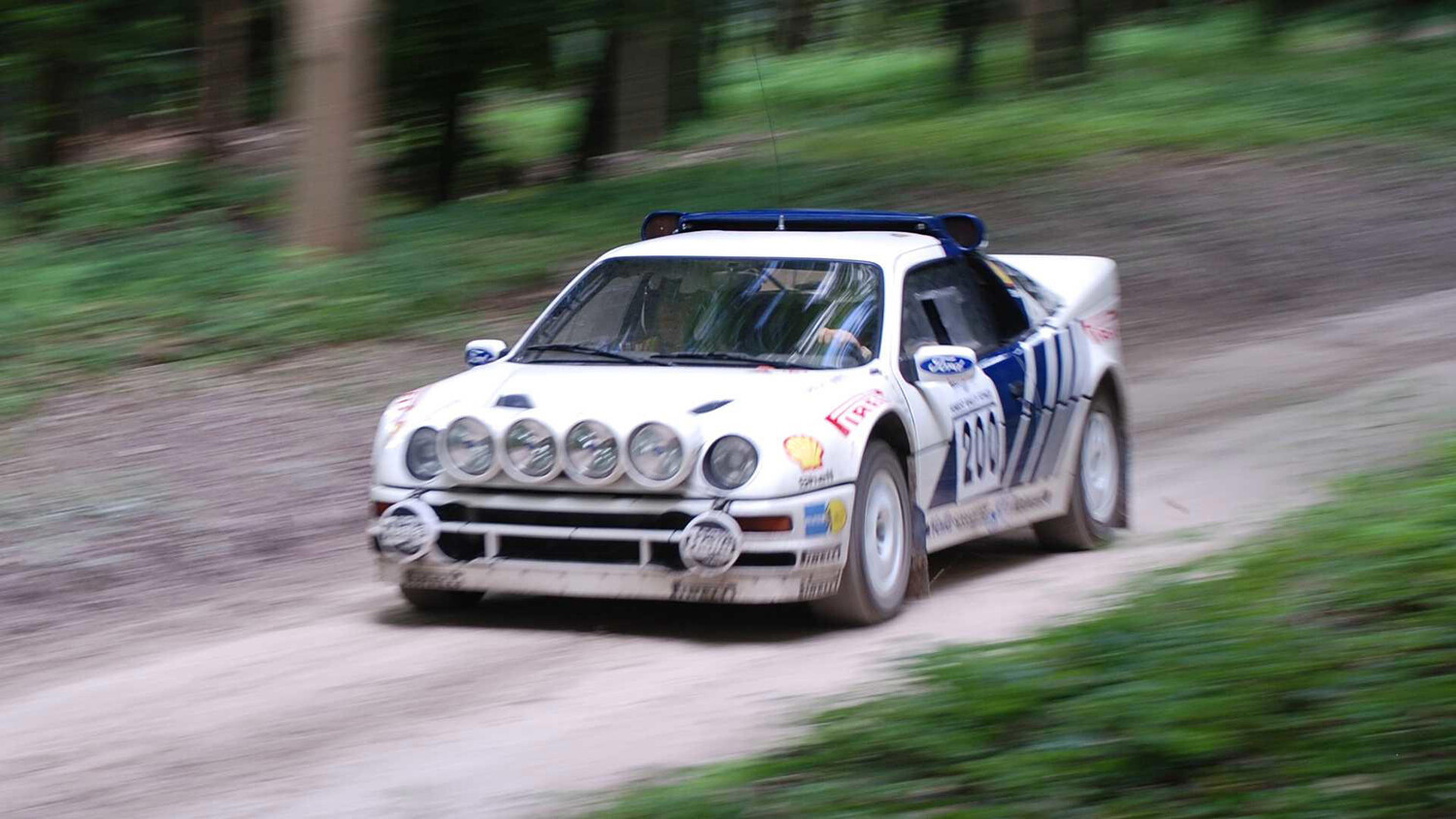
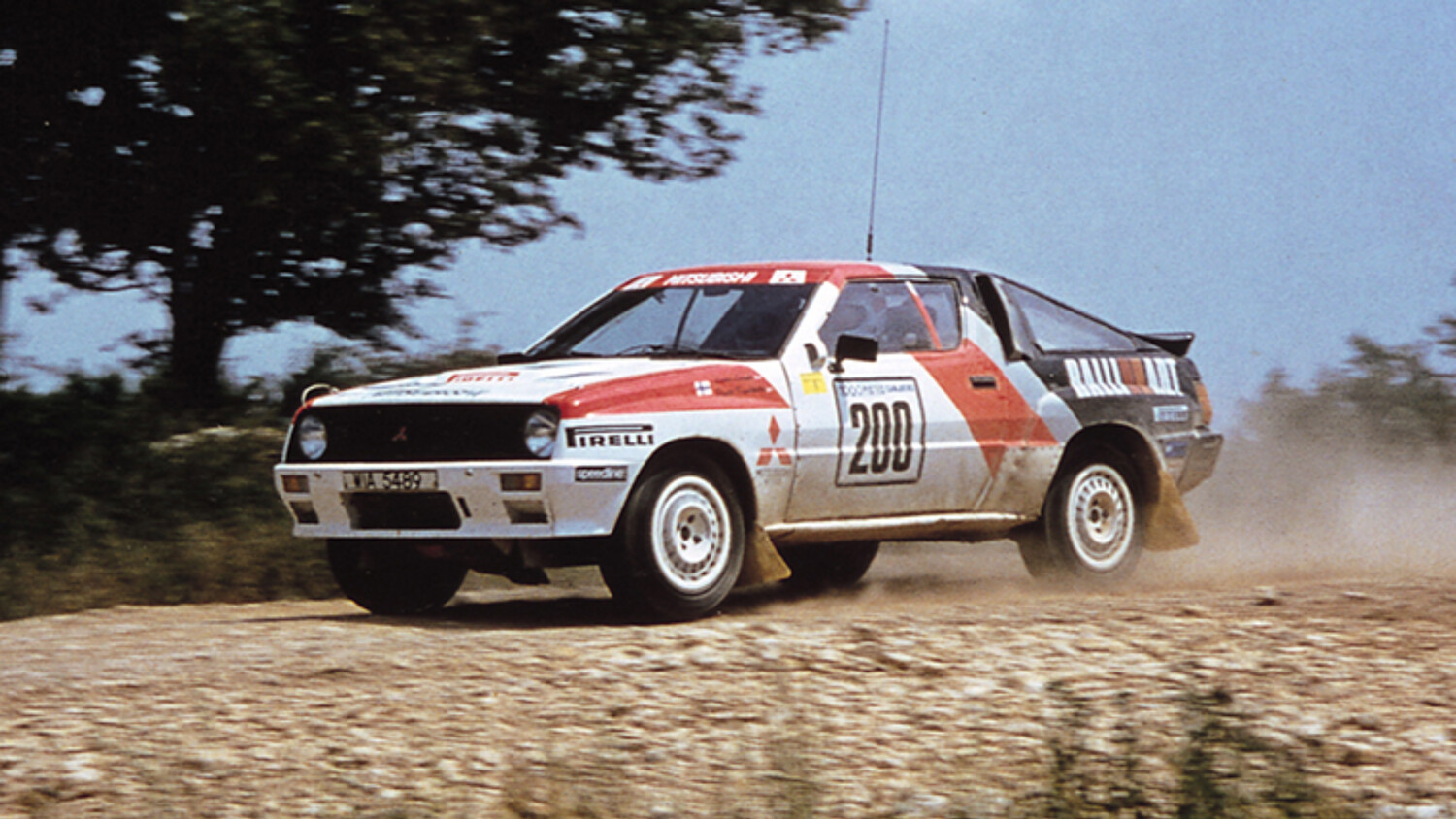
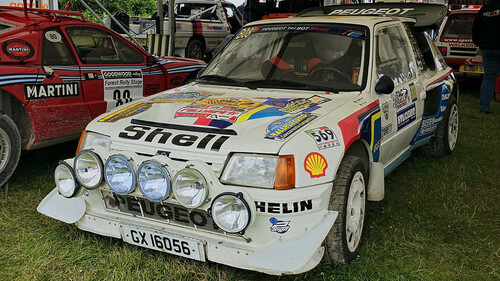
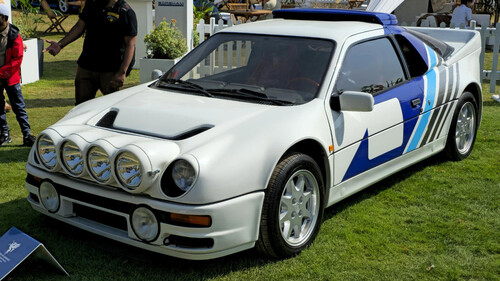
Car manufacturers often use motorsport as a selling point for their most famous models. Japanese manufacturer Mitsubishi is well-used to that game and was able to dominate events like the Paris-Dakar Rally in the 1980s with its rugged four-wheel drive Pajero, sold locally as the Montero.While this SUV became a legend in off-road circles and a very popular vehicle for everyday consumers, Mitsubishi had planned something even greater. This is the story of the still-born Starion 4WD drive project and how circumstances robbed the world of what could have been the best Mitsubishi ever made.We took a closer look at the Mitsubishi Starion 4WD, a major new car project from the 1980s. We wanted to know why this car never saw the light of day. The figures in the table relate to the prototype Starion 4WD from the mid-eighties. The Starion 4WD Project Was Over Before It Really Began Mitsubishi MotorsMitsubishi had competed in the iconic World Rally Championship before, and now, it had big plans to join the spectacular Group B category party. The company was piecing together a serious attempt to take on this rough-and-tumble series with a turbocharged, four-wheel-drive evolution of its Starion compact coupe. Early tests of the vehicle were certainly promising, and Mitsubishi was ready for a full assault on the WRC’s 1987 season. However, serious problems within the sport led to the abrupt cancellation of the Group B category altogether and with that, the Starion 4WD project came to an end. The Allure of World Rallying Wikimedia CommonsThe Group B category represented one of the most innovative and cutting-edge forms of motorsport ever seen. The cars were highly competitive, lightweight, and powerful and manufacturers had free rein as they developed their own contenders. Numerous OEMs decided to take part in the championship, which featured multiple qualifying rounds across the world on surfaces such as gravel, asphalt, snow, and ice. Mitsubishi understood how important a series like this could be for improving the performance levels of its road-going cars and invested heavily in the Starion 4WD drive project. The Starion 4WD Could Have Been As Crazy as Its Competitors BATWhile the Starion 4WD may have looked similar to the road car from a distance, it was very different beneath. The competition version of the car had a 2.0-liter turbocharged inline-four engine, which produced around 350 hp. Rumor has it, the engine could have produced up to 800 horses. The chassis was purpose-built and lightweight with Kevlar and carbon-fiber body panels throughout, so it only weighed about a ton. It had a bespoke transmission setup which would route the power to all four wheels and a double wishbone suspension system. Mitsubishi then added an aerodynamic kit and a huge rear spoiler, so the car would have plenty of downforce at high speeds.Much of the development work was down to a third-party organization called Ralliart UK, under the guidance of a rally stalwart named Andrew Cowan. Critical engineering support came from well-known rallying engineers who had worked with other leading manufacturers on similar projects. Mitsubishi’s plan was to launch the vehicle at the 1984 British Motor Show and the company would then commit to building 200 identical units of the car. This step was critical to conform with FIA regulations at the time and be ready for full competition. Suffice to say that Mitsubishi was very confident as it had plenty of experience in off-road rally raids like Paris to Dakar. It was ready to scale up its efforts and join the WRC fun. The Group B Battleground and the Thirst for Speed AudiThe WRC was a glorious place to be in the 1980s. Multiple manufacturers built turbocharged, lightweight vehicles with radical aerodynamics and this created an amazing battleground for these fire-breathing machines. Many of the cars would eventually produce more than 500 hp in full competition specification, including the Audi Quattro Sport, Lancia Delta S4, Peugeot 205 T16, Ford RS200, and MG Metro 6R4. With this level of performance and competent drivers behind the wheel, the pace was incredible.Iconic AuctioneersSadly, this combination also turned out to be dangerously unsustainable. There were a series of high-profile and fatal accidents, capped off by the tragic deaths of Lancia driver Henri Toivonen and co-driver Sergio Cresto during the 1986 Tour De Corse. Eventually, the FIA, as governing body, had to act, and its decision was draconian. It banned Group B altogether, starting in 1987. Mitsubishi Had a Big Plan Before the category-ending drama unfolded on the special stages, Mitsubishi was busy developing its Starion 4WD concept. In 1984, it fielded the vehicle at the Mille Pistes Rally in France, finishing sixth but with suspension issues. The car also appeared at the 1984 RAC Rally in the UK as a prototype, adding to Mitsubishi’s valuable feedback. Further development continued during the next couple of years and Mitsubishi was almost ready for a full assault on the 1987 season. However, with that fateful FIA decision and the WRC reverting to a much tamer type of vehicle instead, Mitsubishi had nowhere to go.There's no doubt that Mitsubishi was serious in its ambition and had major plans to improve the Starion 4WD in the heat of battle. Sadly, the rally car was now way too advanced technologically to enable the company to rework it for the tamer Group A category.So, the story of the Starion 4WD project was over before it really began and only a handful of prototypes ever saw the light of day. The world would never get to see how this car might have performed or whether it could have challenged the established legends. Even worse, Mitsubishi had every intention of building a commercially available version of its Starion 4WD car. This would have gone on sale to the public as a rally-proven, reliable, and powerful contender, if the company’s rally plans came true. And we all know how special homologation cars are. Valuable Feedback – And Future Lancer Success MitsubishiEven though the Starion 4WD project met an abrupt demise, the effort wasn't entirely wasted. Mitsubishi was to enter the World Rally Championship a few years later and the technical knowledge and drivetrain development from the Starion 4WD project helped to form the next generation of Mitsubishi rally cars. The Galant VR-4 and especially the Lancer Evolutions would borrow heavily from that early technological knowledge. And those Mitsubishi Lancers were to become extremely successful, winning numerous WRC championships in the 1990s with the legend Tommi Mäkinen behind the wheel. Plenty of Potential But No Proof MitsubishiWould the Starion 4WD have really been competitive if Group B had continued? While we will never know, it did have all the right elements on paper. After all, it had lightweight construction, a competitive power plant and an advanced all-wheel drive system. It also had a proven team of rally specialists behind it, many of whom had direct experience of building cars like the Peugeot 205 T16 and Audi Quattro. So, with proper factory support from Mitsubishi, the Starion 4WD could have rewritten rallying history. And as the company would have had to build 200 road-going cars for homologation purposes, those would definitely have been an instant collector’s item today. The Best Mitsubishi Never Made Mitsubishi Motors The 1980s was an era of unrestrained innovation and Mitsubishi badly wanted to take part. Its Starion 4WD project might have come close to greatness, but the curtain fell too soon on the troubled Group B era. History had other plans and today, this car is simply an icon of unrealized potential. Sadly, the rules of the game can change quickly if not overnight, and even the best of cars can suddenly vanish into obscurity.