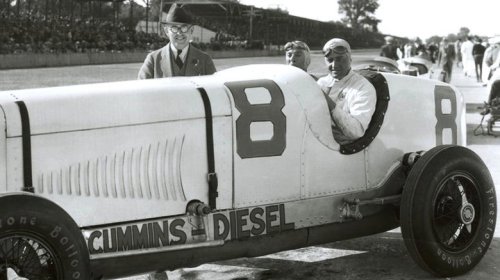
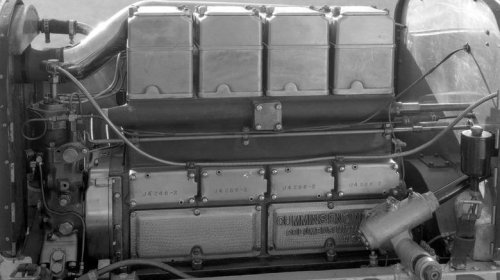
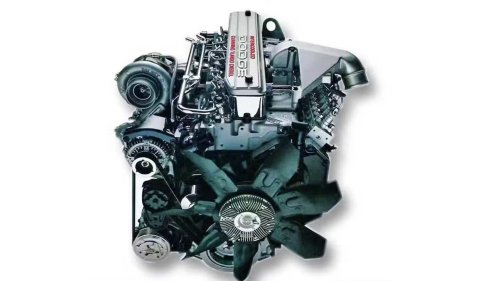
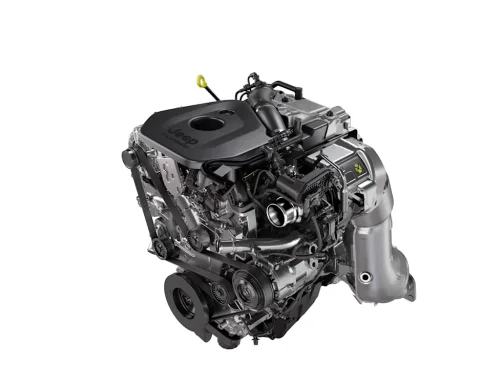
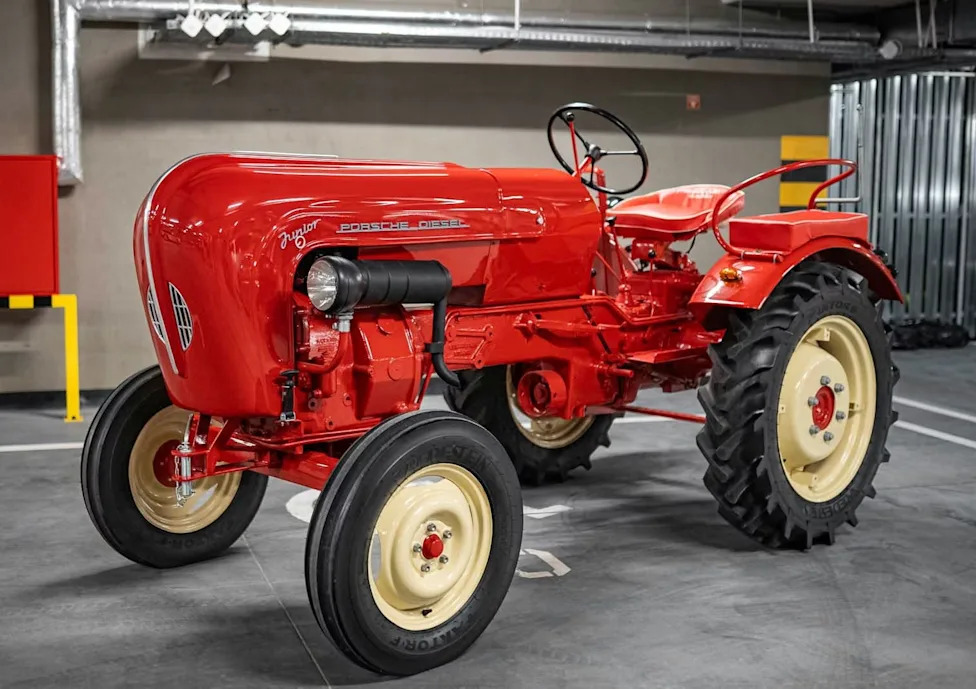
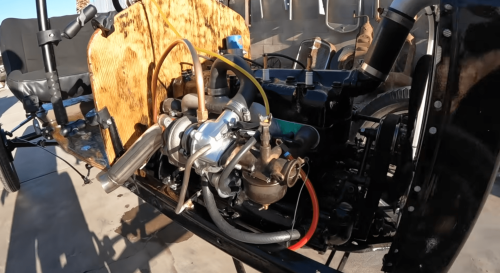
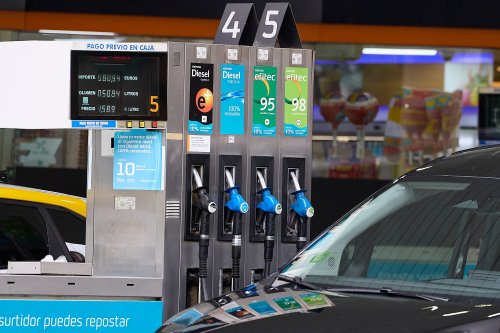
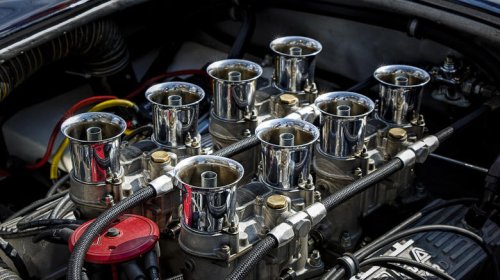
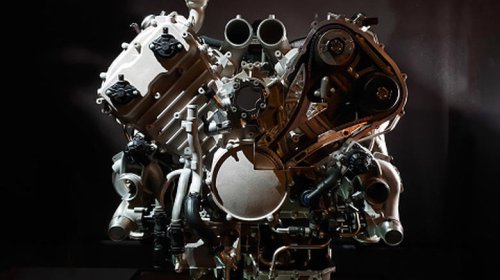
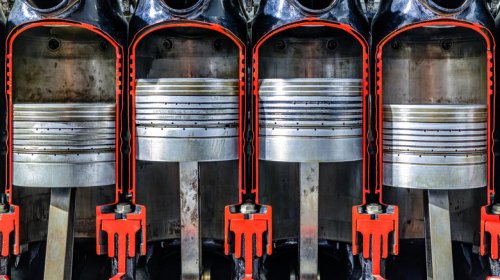
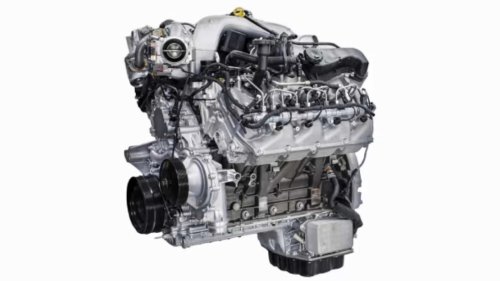
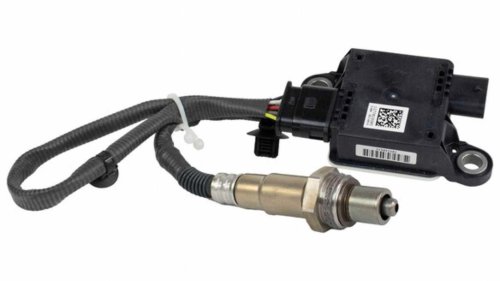
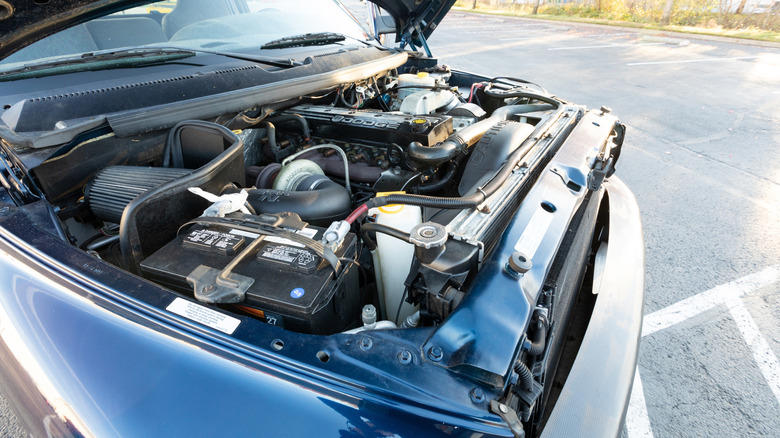
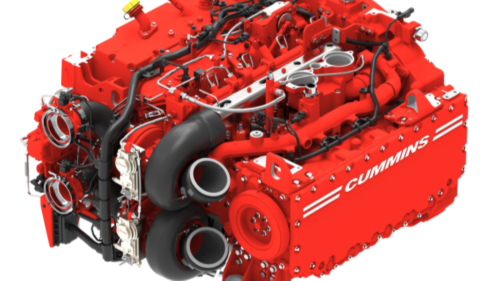
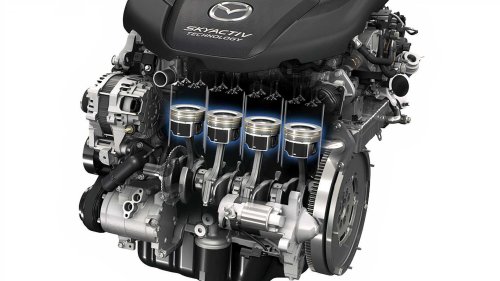
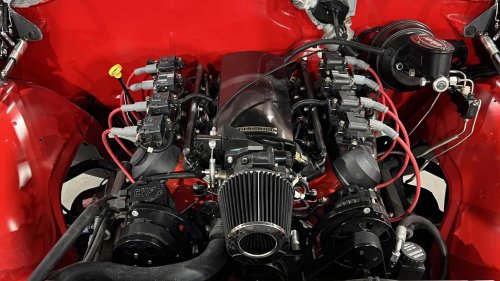
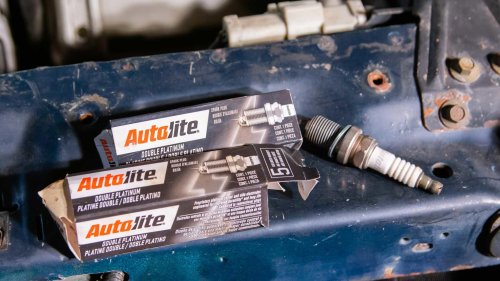
Jump LinksCompression Ignition 101Two Different Methods Of Internal CombustionFuel EfficiencyBig Low-End TorqueDurability And LongevityHigher Purchase Price And Cost Of OwnershipEmissions Systems Are ComplexHigher Fuel CostBoth gasoline-burning engines and diesel engines produce power through a process of internal combustion. However, the latter are usually larger, louder, and often dirtier. While many people may not like how a diesel engine sounds or smells compared to the alternatives, they are an integral part of the industry as a whole. No longer as loud, or emitting strong fumes, late-model diesel trucks like the 2026 Ram 3500 have proven just how refined and still seriously capable a modern diesel engine can be.But how does a diesel engine work? Read on to discover the formula for diesel power and how it differs from gasoline.Never remove factory-installed emission equipment. These components are integral to the health and efficiency of your engine. Serious legal repercussions can be had if these pertinent emissions components are tampered with in any way that hinders them from effectively performing their job. How Does A Diesel Engine Work? Compression Ignition 101 Cummins A diesel engine is another version of an internal combustion engine with four strokes: intake, compression, power, and exhaust. Some older diesels were two-stroke, but the industry has moved away from using two-stroke diesels. The two-strokes were loud, too dirty to meet United States emissions standards, inefficient, and not as powerful as modern-day four-stroke diesels. Although diesel engines do operate mechanically similar to engines that burn other fuels, the diesel engine operates off of a different principle called compression ignition. Compression ignition is possible thanks to the high compression ratio of a diesel engine.During the intake stroke of a diesel engine, only air enters the cylinder. The compression ratio determines how much the air volume is reduced from its maximum size, when the piston is at the bottom dead center of the cylinder, to its minimum size, when the piston is at the top dead center of the cylinder. Diesel engines have a very high compression ratio. For example, the compression ratio of a 6.7-liter H.O. Cummins I6 in a Ram 2500 is 16.2:1. This ratio indicates that the air charge in the cylinder has been reduced or squeezed by the piston to one sixteenth of its original size. Compressed air gets very hot. When the air is compressed to this point, it is hot enough to ignite atomized diesel fuel.Mazda Diesel in the fuel system is also under a massive amount of pressure. These pressures can reach up to 36,000 psi during regular operation on some trucks like the Ford F-250 Power Stroke. Diesel fuel under such extreme pressure is injected into the cylinder and is instantly atomized. At this point, the atomized diesel fuel meets the extremely hot air in the cylinder. The high temperature in the combustion chamber is enough to ignite the diesel fuel, thus creating a combustion event and forcing the piston down the cylinder to complete the power stroke. Differences Between Gas And Diesel Engines Two Different Methods Of Internal Combustion Bring a TrailerGas and diesel engines differ significantly in fuel properties, combustion methods, performance, efficiency, design requirements, and applications. Until somewhat recently, gasoline engines would mix fuel in the intake manifold, to then be pulled into the combustion chamber. However, many later model gasoline-burning engines have started to utilize direct injection. This process helps the gasoline engine achieve more power, better fuel economy, and lower emissions thanks to more precise and complete combustion events.Christopher Smith / CarBuzz / Valnet Regardless of how fuel is introduced into the gasoline engine, the ignition source remains the same. Gasoline engines have lower compression ratios, which is crucial for the gasoline-burning engine. Gasoline is more volatile and has lower flash point than diesel fuel. Because of this characteristic, gasoline engines require a lower compression ratio to keep cylinder temperatures down. Lower cylinder temperatures avoid pre-ignition and engine knock, which is not only a nuisance, but can cause catastrophic damage to the engine.Not reliant on compression ignition like a diesel, a gasoline engine requires the use of an ignition system and spark plugs to ignite the fuel/air charge and complete the process of combustion. Advantages Of A Diesel Engine Fuel Efficiency BringATrailer When a diesel engine isn't tuned to dump a massive amount of fuel into the cylinder in the name of performance - or smoke production - it can be quite efficient. Due to the nature of their operation, fuel chemistry and thermodynamics, diesel engines are usually more efficient. Diesel fuel itself stores more energy, approximately 11–15% percent more than an equivalent volume of gasoline. Therefore, when diesel fuel is combusted, it will release more energy and have a greater force on the piston. As a result of the high energy store of diesel fuel, a stock diesel engine typically runs a lean fuel/air mixture when compared to gasoline engines. Further contributing to the superior efficiency of a diesel engine is the higher compression ratio. The great pressure created by the compression process is also stored energy. When combustion takes place, this extreme pressure acts with more force upon the piston. Big Low-end Torque Primarily, the outstanding torque production of a diesel engine is a product of its undersqaure design. Traditionally, a diesel engine has a piston stroke that is longer than the diameter of the piston bore. This design requires a larger offset of the crankshaft pin in relation to the centerline of the crankshaft. This effectively allows more leverage from the connecting rod to be forced on the crankshaft, creating torque. However, a result of this configuration and the need for strong components that are heavy enough to withstand the extreme forces put upon them, this results in a low rpm range. The duration of a combustion event in a diesel engine also contributes to its superior torque production. Since diesel fuel is not as volatile as gasoline, combustion will take longer, having a greater effect on the force applied to the piston. This ties in directly to diesel fuel efficiency as well. Durability And Longevity I Do Cars/YouTube As previously mentioned, the components in a diesel engine need to be robust enough to handle not only extreme heat, but extreme forces as well. As a result of these internal engine components being so heavily built, along with lower rpm, the parts tend to have resilience to premature or excessive wear. Diesel engines are built for abuse and hard work. This is primarily why they are able to achieve such high miles with proper maintenance. Disadvantages Of Diesel Engines Higher Purchase Price And Cost Of Ownership Ford Although there are many advantages that come from the ownership of a diesel, there are also some disadvantages, too. The upfront purchase price can be a big deterrent for those in the heavy-duty pickup truck market. Opting for a diesel engine when buying a new truck can easily add another $12,000–$13,000 to the bottom line. This higher value carries over to the used truck market as well.Maintenance costs of a diesel are significantly higher. Regular maintenance items tend to cost more money, and fuel filters need to be replaced more often, as diesel fuel is dirty so the fuel system is highly susceptible to contamination. Parts are more costly, making the repairs more costly - often needing a specialty shop that has diesel-specific repair tools and specially diesel-trained technicians. Emissions Systems Are Complex By 2010, all diesels that travel on roads in the United States required diesel exhaust fluid, or DEF. This is a system devised to help a diesel have cleaner tailpipe emissions. Like a fuel tank, DEF requires another tank that must be filled for the engine to properly and legally operate. A diesel engine does not rely on a catalytic converter to filter pollutants from its tailpipe emissions. A diesel engine requires a diesel particulate filter or DPF. Although a diesel utilizes DPF regeneration, a kind of self-cleaning of the DPF, over time, these filters can clog and need replacing. Diesel emissions systems are all known to be problematic for most makes and models of heavy-duty pickup trucks and other diesel vehicles. Repairs can be costly; however, associated repairs are likely still cheaper than the fines and legal bills associated with not having emission components in place or in disrepair. Higher Fuel Cost BMW This is a harsh truth no matter what size the diesel engine is. Diesel costs more money at the pump. It's not as refined as gasoline, but industry heavily relies on diesel fuel. It's the massive demand for this less refined fuel that perpetuates a higher price at the pump. For the best efficiency from a diesel, keep the vehicle's EGR, DEF, and DPF systems in top working order. Keeping the fuel system clean by changing fuel filters often, using quality additives in the fuel system for cleaning purposes, and considering a mild economy tune will also yield the best fuel economy."The diesel engine is a testament to the power of human ingenuity."- Rudolph Diesel






















 +40 others