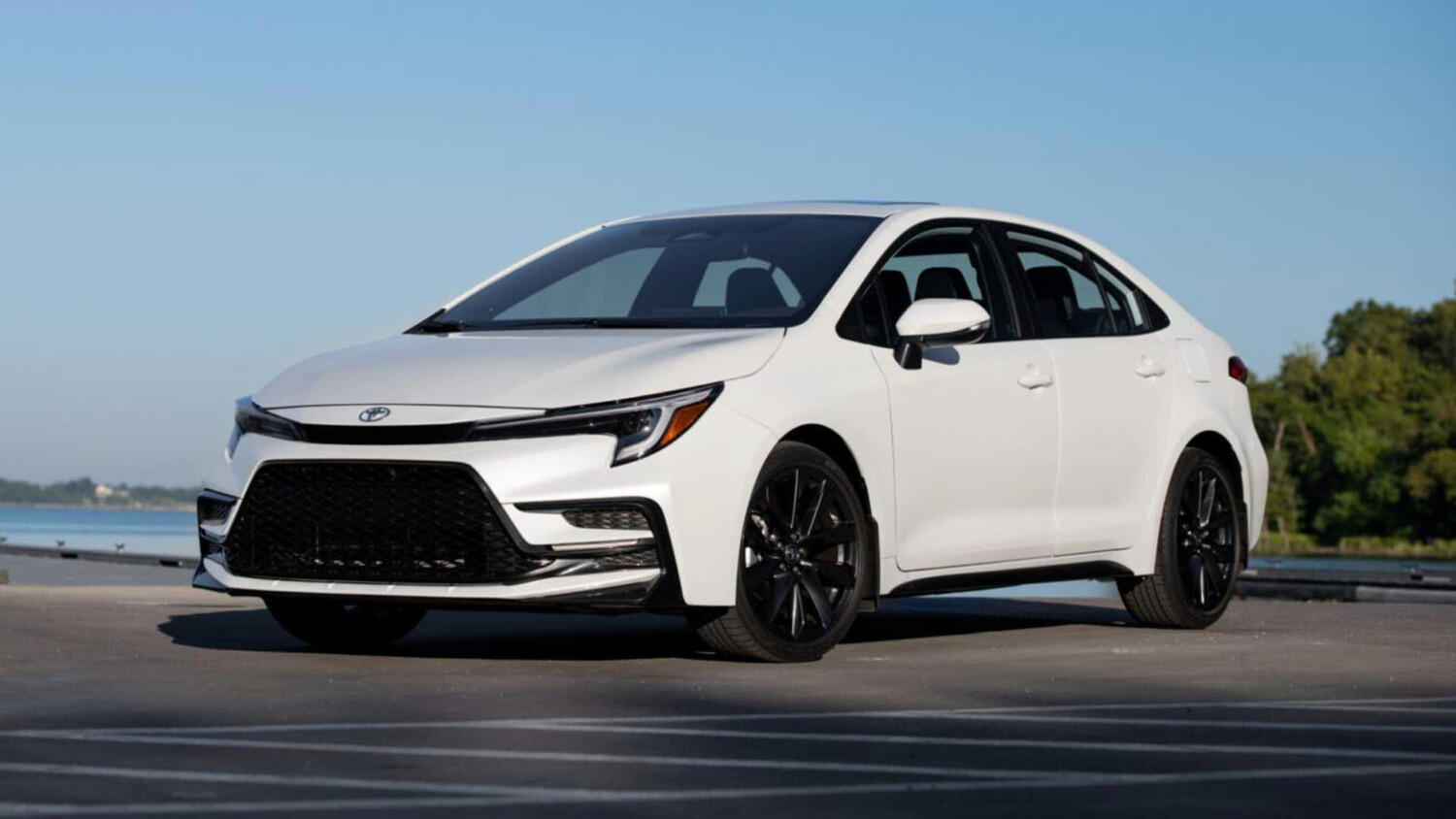
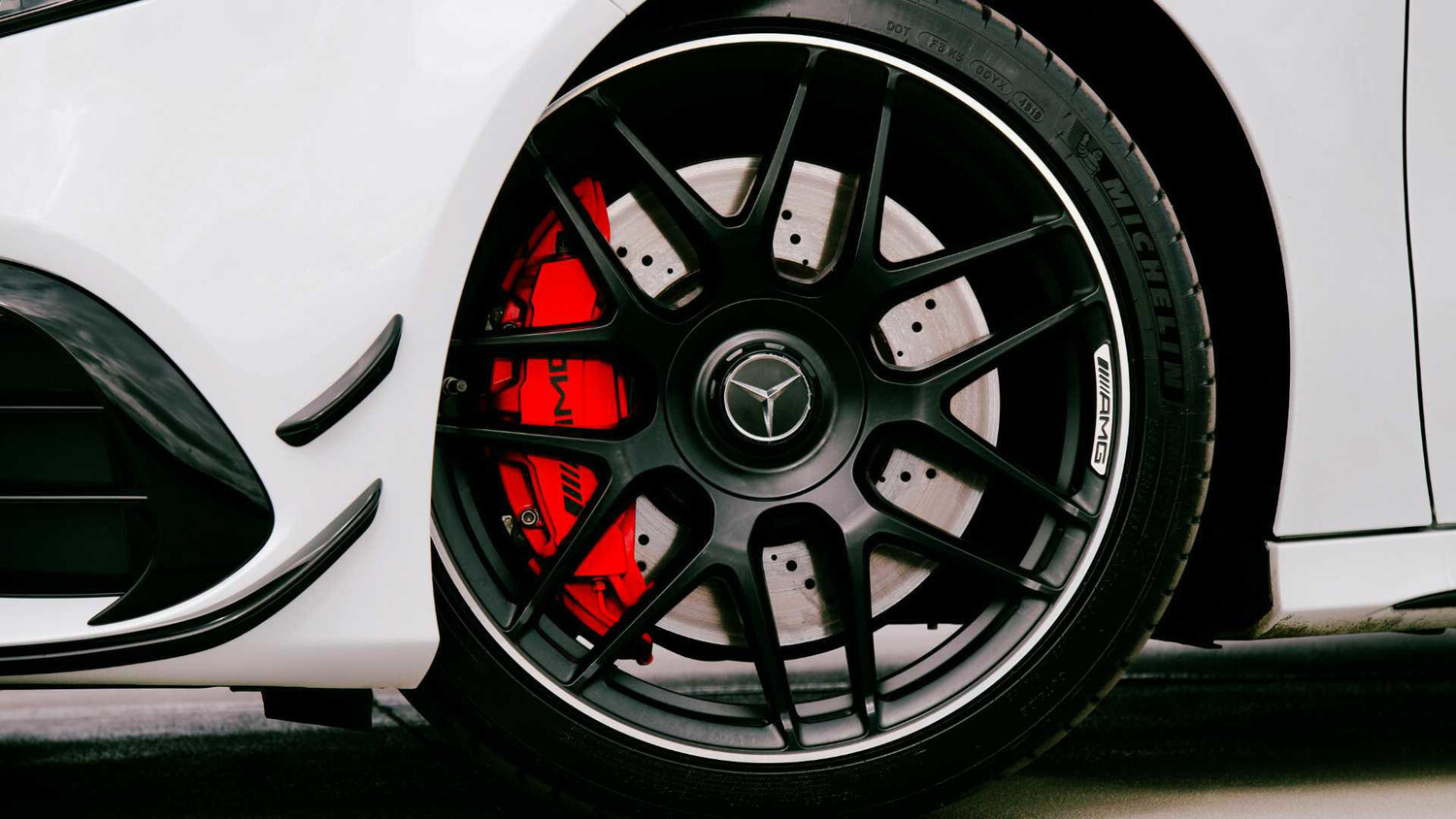
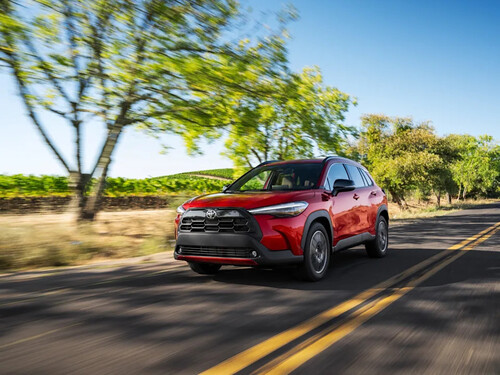
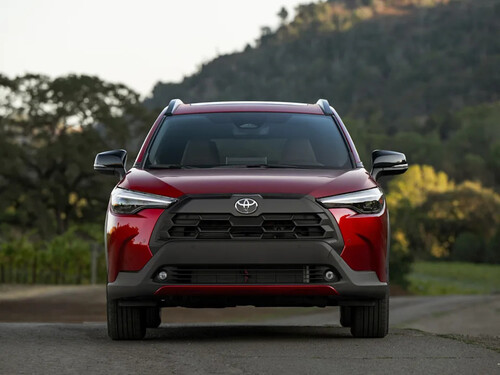
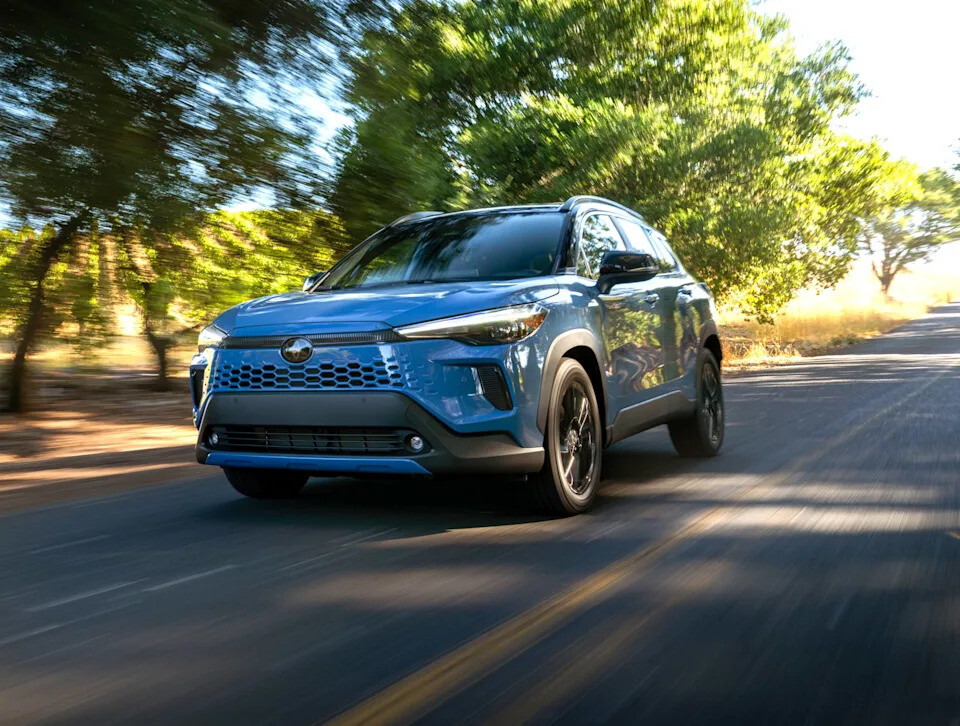
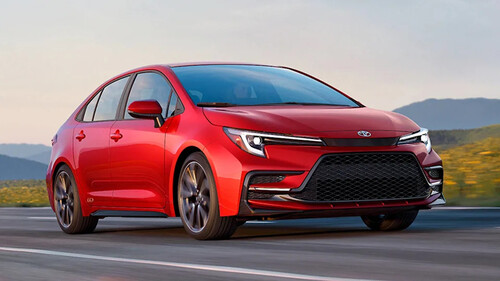
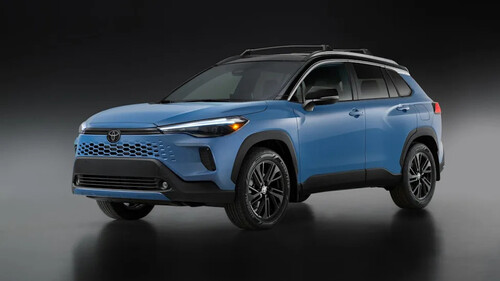
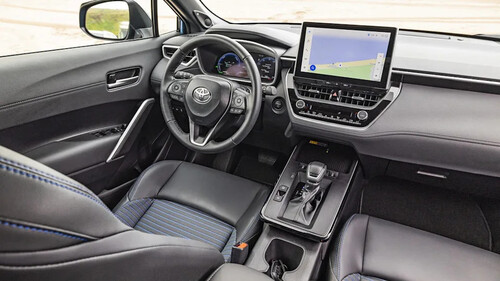
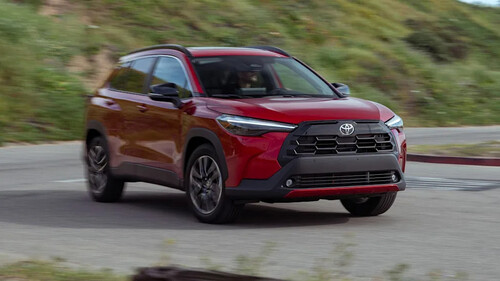
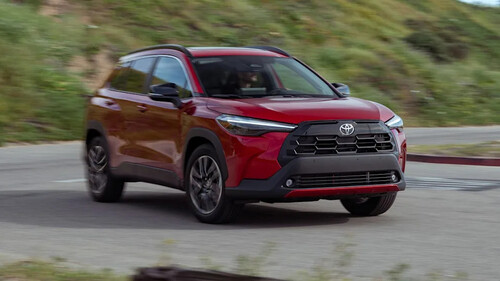
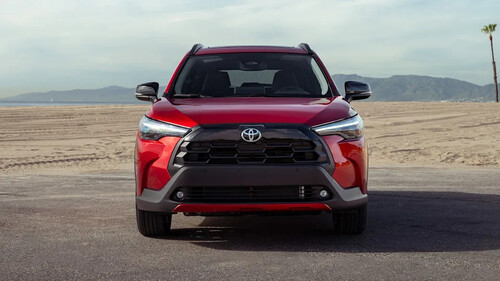
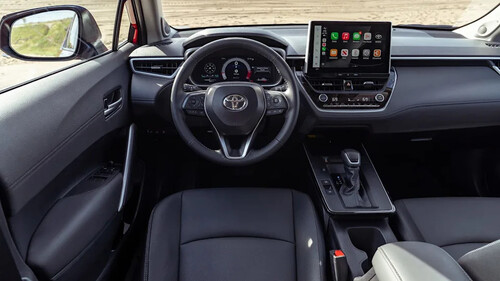
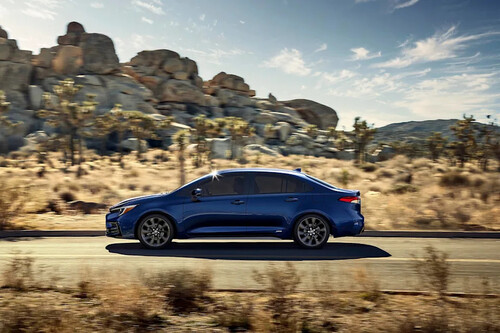
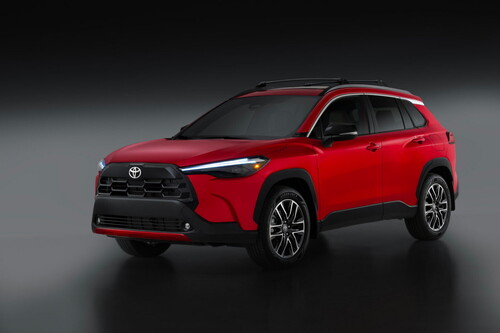
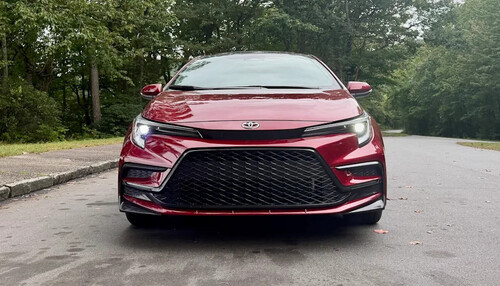
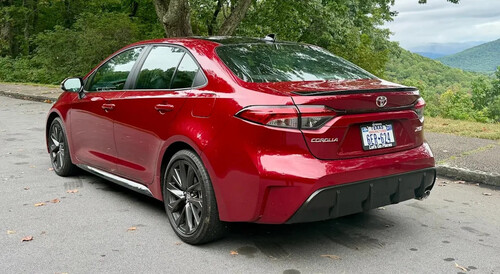
Jump LinksCan You Buy Out The Lease?How Does A Lease Buyout Work?Calculating The True Cost vs Market ValueTiming The Buyout: Early vs End-of-leaseNavigating Lease Buyout Financing OptionsHidden Fees & Tax ImplicationsMileage & Wear-and-tear PenaltiesWhen you reach the final months of an automotive lease contract, you are forced to look critically at your contract. On the one hand, giving the keys back to the dealership feels like the path of least resistance. However, walking away without analyzing the numbers could leave money on the table. In this case, a lease buyout is a calculated maneuver that allows you to purchase the vehicle rather than surrender it. The market may dictate your vehicle’s value, but your contract dictates the baseline price. Before you surrender your Toyota Corolla to the dealer, understanding the mechanics of a car lease buyout may just mean that you maintain the financial leverage.This article serves as a guide to understanding the intricacies of buying out a vehicle lease. Lessees are encouraged to perform due diligence when wanting to explore this route. Authoritative sources are listed at the end of the article. Understanding What A Car Lease Is Antoni Shkraba Studio / Pexels At its core, a car lease is a rental agreement governed by strict financial parameters over a certain period - often between 24 and 48 months. You are not purchasing the vehicle’s total value, but rather financing its projected depreciation over a set term. The leasing company retains ownership, while you cover the vehicle's declining worth, plus interest and fees. Because you only pay for a fraction of the car's life cycle, monthly payments remain lower than standard financing, but the trade-off is zero equity. When considering buying out a lease, you are pivoting from being a renter to an owner - acquiring the asset - and going into the process of purchasing the remaining value of the asset that was excluded from your monthly depreciation payments.According to Cartelligent, you need to ask yourself the following before continuing with the lease buyout process: What’s my total cost of ownership? How long do I plan to keep the car? What’s my opportunity cost? Am I emotionally attached, or is this financially sound? Can You Buy Out The Lease? Tima Miroshnichenko / Pexels In short, yes, but almost every automotive lease agreement these days includes a purchase option. However, executing it requires a careful review of your specific contract. The provision or conditions granting you the right to purchase the vehicle are typically established on day one by locking in a predetermined price known as the residual value. This figure is the leasing company's initial projection of what the vehicle will be worth when the lease term expires. An end of lease buyout is simply the act of paying this exact residual amount, plus any applicable fees, to assume full legal ownership.While the vast majority of lessors permit this, some manufacturers have introduced restrictions, particularly on heavily subsidized electric vehicles, to retain the battery assets. Therefore, if you want to begin the process of purchasing your lease vehicle, your first step is pulling your original paperwork, locating the purchase option clause, and establishing the mathematical baseline you will be working from. How Does A Lease Buyout Work? Antoni Shkraba Studio / Pexels If you are wondering what the process of buying out a leased car is, then know that it begins with contacting the financial institution holding the lease - not necessarily the dealership where you got the vehicle from. Then, you must request a formal payoff quote that details the residual value, the purchase option fee, and applicable state taxes. Once you have the total payoff amount, you can write a check for the entire balance or, more commonly, secure a buyout auto loan. After the payment is processed and cleared by the lessor, they will release the lien and transfer the title into your name. As a final step, owners must then register the vehicle independently at their local motor vehicles department to solidify their ownership status and officially close out the lease contract. What To Consider Before A Lease Buyout Calculating The True Cost vs Market Value Michael Noel / Pexels The basis of this financial decision rests on a direct comparison between your contracted residual value and the vehicle's real-world market valuation. Residual value is a static number, and it’s completely insulated from market fluctuations. Conversely, the open market is dynamic. You must analyze current retail pricing for your exact make, model, year, and mileage, because if similar vehicles are retailing for $25,000, but your contract dictates a buyout price of $20,000, purchasing the car yields immediate equity.In this scenario, handing the keys back is a mathematical failure. However, if the broader used car market has corrected downward and your vehicle is only worth $18,000 against a $20,000 buyout, walking away protects your capital. A buyout is only justifiable when the data proves that purchasing the asset is more cost-effective than attempting to replace it in the current marketplace. Timing The Buyout: Early vs End-of-lease Image: Gustavo Fring / Pexels Executing a buyout at the end of your contract is a straightforward transaction, but pulling the trigger early could introduce a series of financial mechanics. An end-of-term transaction relies on the residual value and standard fees, because by this time, you’d already have fulfilled your scheduled depreciation obligations. On the other hand, an early buyout forces you to settle the outstanding balance of your contract immediately. When you attempt to buy out early, the payoff quote includes the predetermined residual value plus the cumulative sum of all remaining monthly payments.While leasing companies often strip out the unearned interest from those remaining payments, many contracts include aggressive early termination penalties. It’s important to note that attempting an early buyout to capitalize on a sudden spike in market equity rarely yields a windfall. This is because the required capital to clear the contract remains disproportionately high. In other words, an early buyout is generally a defensive maneuver rather than a strategic financial play. And when you run the numbers, the best course of action is to let the lease mature and run to its natural conclusion. This will provide the most stable environment to evaluate your future with the vehicle without absorbing unnecessary premature penalties. Navigating Lease Buyout Financing Options Erik Mclean / Pexels Liquidating cash reserves to cover a buyout is the cleanest and easiest exit strategy, but financing the transaction is the operational reality for the vast majority of consumers. If you’re going with the latter, the interest rates must be scrutinized, because you are technically financing a used car, which means you forfeit the aggressively subsidized, low-APR promotional rates manufacturers offer on new inventory. It’s advisable not to walk into the dealership to arrange the loan, because dealerships routinely mark up the interest rates provided by their lending networks to generate backend profit. Instead, approach independent financial institutions. Also, accepting the first and best offer might not be the best idea, so solicit quotes from credit unions and standard retail banks to establish a competitive baseline.Then, isolate the lowest possible annual percentage rate to prevent interest from taking over your ownership experience. One of the most important things to do is to examine loan terms strictly. Stretching a buyout loan over 60 or 72 months on a car that is already three years old invites negative equity, because you are financing an aging asset that will require increasing maintenance capital. Especially when the warranty has run its course. The optimal way to go is to limit the financing term to 36 or 48 months, and aggressively pay down the principal before the vehicle's mechanical components eat into your budget. Hidden Fees & Tax Implications 2026 Toyota Corolla Sedan XSEA buyout payoff quote is never just black and white, and failing to account for the hidden costs and taxes guarantees an inaccurate financial projection. The first inevitable charge is the purchase option fee. This cost is explicitly detailed in the fine print of your original lease agreement and covers the administrative burden of transferring the asset. The most significant hidden cost, however, is taxation.When you execute a buyout, state authorities require sales tax on the total purchase price. If your residual value is $25,000 and your local sales tax rate is 8%, that adds a non-negotiable $2,000 to your capital requirement. This added tax cannot be financed into standard used car loans without heavily skewing the loan-to-value ratio. Additionally, because you are establishing new legal ownership, you are responsible for independent registration and title transfer fees at the local motor vehicle registry. Mileage & Wear-and-tear Penalties Mike Bird / Pexels Lease contracts enforce limits on mileage and physical condition. If you exceed your annual mileage allowance, you are contractually obligated to pay a per-mile overage fee. On a heavily driven vehicle, this could translate to thousands of dollars in dead capital owed directly to the dealership upon return. Similarly, the lease inspector will meticulously evaluate the vehicle for excessive wear and tear.Bald tires, cracked windshields, scratched alloys, or interior damage will trigger steep reconditioning charges, but purchasing the vehicle effectively neutralizes these penalties. When you execute a buyout, the lessor ceases to care about the odometer reading or the damage to the wheels. You are buying the asset "as-is," and will instantly erase the threat of a massive bill when you would have returned the lease. Conclusion: Is A Lease Buyout A Good Idea? Vitali Adutskevich / PexelsDetermining if a buyout is a sound strategy means you have to look at the deal logically and practically. It is advantageous when the current market value heavily outweighs the contracted residual price, which will gift you equity. It is equally good as a defensive measure to bypass the mileage overages or severe wear-and-tear penalties. However, if the vehicle’s market value has plummeted below the buyout figure, or if securing financing requires absorbing excessive used-car interest rates, walking away from the lease is the only logical move.