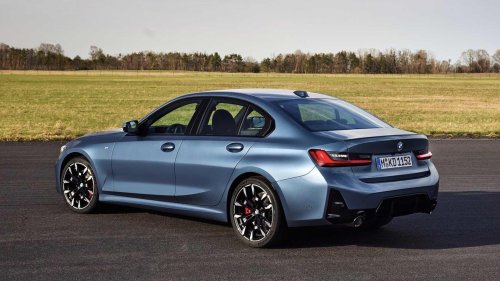
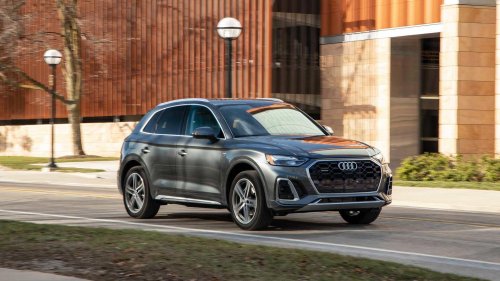
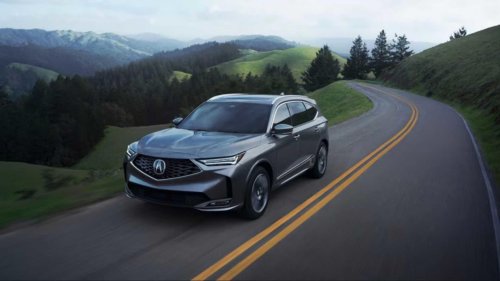
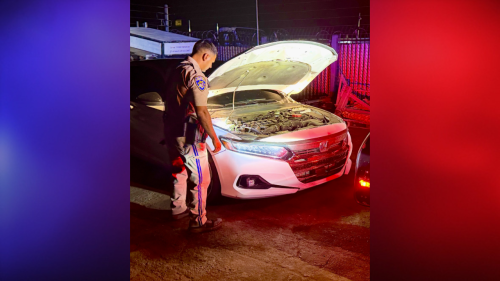
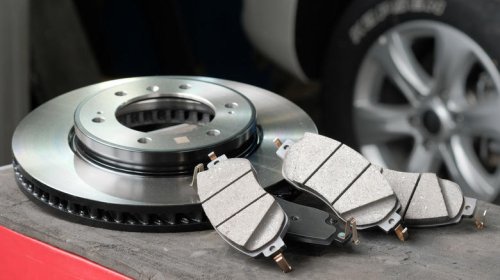
Jump LinksThe Undoubted Pros You Can’t IgnoreCons Are Always Part Of The DealImagine this: you’re standing in a dealership with one of two decisions to make. On the one hand sits a brand-new BMW 3 Series, but you've heard it stands to lose 20% of its value the second its tires touch public roads. On the other hand, there's a second-hand Jaguar F-Pace, but it could potentially be harboring mechanical gremlins that could drain your bank account by next week!The auto industry knows this anxiety paralyzes buyers, which is why brands engineered a psychological and financial safety net: the Certified Pre-Owned (CPO) vehicle. But behind the reassuring promises of a CPO warranty, questions remain unanswered for most consumers because you are paying a premium—often thousands above standard market value—for peace of mind. Yet, what tangible mechanical assurances does that premium actually secure for a previously used vehicle? What is the real benefit of a CPO warranty? We're delving into the truth behind whether that shiny certification badge is a genuine safeguard or just an effective sales tactic that inflates margins on second-hand inventory.This article is a guide to explaining what a certified pre-owned (CPO) vehicle is. Prospective buyers are encouraged to engage in conversation with factory-backed dealerships; CarBuzz advises buyers to do their due diligence before any car purchase, and does not ascribe a blanket approval of CPO vehicles over any other. What Is A Certified Pre-Owned Car? Gustavo Fring / Pexels When buyers ask, "What does certified pre owned mean?", they are essentially asking about a regulated, manufacturer-backed refurbishment process. Unlike standard used inventory, CPO cars must meet stringent, factory-mandated criteria regarding age, mileage, and mechanical condition before they ever reach the showroom floor. Typically, a vehicle cannot exceed six to seven years of age or 75,000 to 85,000 miles to qualify for the initial inspection, but this differs depending on manufacturer. But understanding the meaning behind the CPO warranty is critical because it is not a third-party aftermarket gimmick, but an extension of the original manufacturer's guarantee. In most cases, it offers comprehensive, bumper-to-bumper or powertrain coverage that mitigates post-purchase repair risks.The next question often relates to how to get a car certified. The vehicle must pass a multi-point inspection - some spanning between 100 and 300 individual checkpoints - conducted by factory-trained technicians. This involves diagnostic testing, structural evaluations, and the reconditioning or replacement of any component that falls below factory wear tolerances, such as brake pads or tires with insufficient tread depth. Only after reconditioning using genuine OEM (Original Equipment Manufacturer) parts does the manufacturer issue the certification. Is CPO The Same As Buying A Used Car From A Private Person? Antoni Shkraba Studio / Pexels Treating a Certified Pre-Owned vehicle in the same way you would a private-party used car is a fundamental error in the purchasing logic. When you buy from a private individual, you are engaging in a zero-sum transaction governed by the unforgiving rule of "buyer beware." There is no structural safety net, no diagnostic report to support mechanical claims, and absolutely no recourse if the transmission disintegrates 50 miles down the road, for example. The private seller’s legal and financial obligations vanish the moment the title is transferred and the sale is complete.A CPO, meanwhile, is an ongoing commitment and relationship with the dealership backed by a multi-billion-dollar automaker. The private seller relies on your willingness to trust their anecdotal maintenance history, whereas a CPO program relies on documented facts about the vehicle's mechanical history and a legally binding contract. While private sales offer the lowest possible barrier to entry regarding purchase price, they carry the highest statistical probability of unplanned financial expenses. With a CPO vehicle, you are purchasing a tangible, legally enforceable mechanical baseline that a private seller simply cannot provide or match. Buying Certified Pre-Owned: Pros & Cons The Undoubted Pros You Can’t Ignore BMW The primary advantage of the CPO framework is the substantial mitigation of financial risk. By acquiring a vehicle that has already absorbed its steepest depreciation phase, buyers capture a near-new vehicle at a significantly reduced price point compared to a brand-new option. The manufacturer-backed guarantees also reduce the anxiety of component failure during the initial years of ownership. From the dealership's perspective, they often incentivize these vehicles with subsidized financing rates that rival or beat those offered on new models. This drastically lowers the total cost of capital over the life of the loan.Manufacturer-Backed Coverage: Extended factory warranties provide protection against major mechanical failures. Rigorous Quality Control:Exhaustive 100+ point inspections guarantee the vehicle meets strict OEM tolerances.Reduced Depreciation Hit: You bypass the initial 20% to 30% value loss suffered by the first owner. Attractive Financing Rates: Access to manufacturer-subsidized APRs significantly lowers your monthly financial burden. Additional Perks: Many programs include 24/7 roadside assistance, loaner vehicles, and complimentary maintenance intervals. Cons Are Always Part Of The Deal Audi The most glaring drawback is the inflated barrier to entry, because you will invariably pay a measurable premium over standard market value for that certification badge. Because automakers enforce strict age and mileage parameters, you're likely to spend a significant amount of time searching if you want a specific trim, color, or powertrain configuration. Crucially, the coverage is not infinite. Once the extended warranty period expires, you are instantly subjected to the same exorbitant OEM repair costs as any other aging luxury or mainstream vehicle on the road.Higher Initial Purchase Price: Expect to pay a measurable premium over a non-certified equivalent. Limited Inventory Availability: Strict qualification criteria mean fewer models, trims, and colors to choose from. Strict Maintenance Requirements: Warranties often dictate that servicing must be performed strictly at authorized dealerships. Depreciation Still Applies: While slower than a new car, you are still buying a depreciating asset at a premium rate. Illusion of Invincibility: Wear-and-tear items like clutches or brake rotors are typically excluded from warranty coverage. If You're Buying A CPO, Look Out For... pexels-gustavo-fring-4895408 (1)First and foremost, you must verify the source of the certification. The industry is rife with deceptive "dealer-certified" programs that mimic factory phrasing, but these lack legitimate manufacturer backing. These "false" programs are effectively third-party warranties wrapped in clever marketing and may be riddled with deductibles, coverage loopholes, and strict payout caps. Always demand undeniable proof of OEM certification and don't be afraid to follow up directly with the OEM. Then, interrogate the inspection report. Buyers should never settle for a verbal confirmation that the vehicle passed because they have a right to review the actual repair order detailing the multi-point inspection. Look for specific metrics, like: What was the remaining brake pad thickness? Were the tires replaced, or did they merely squeak by the minimum tread-depth requirement? If a dealer tries to avoid providing this documentation, walk away immediately.Scrutinize the fine print of the warranty inception date. Does the coverage begin on the day you purchase the vehicle, or does it activate retroactively from the vehicle’s original in-service date? Also, assess the specific exclusions detailed in the contract. This is important because modern cars rely heavily on complex infotainment screens, advanced driver-assistance systems (ADAS), and intricate sensor networks. Finally, fine-comb the vehicle's history report independently because a badge does not automatically erase a checkered past. Ensure there are no branded titles or severe structural impacts. When Is A CPO Right For You? Vitaly Gariev / PexelsThis is a very good question, because the final decision hinges on your personal risk tolerance and financial strategy. The CPO model is ideal for buyers who want modern technology, up-to-date safety architecture, and unwavering reliability but refuse to absorb the brutal depreciation hit that occurs the moment a new car leaves the lot. If you are entering the luxury or premium segment—where complex powertrains are notorious for massive, out-of-warranty repair bills—a CPO contract provides decent levels of protection.This route is also a solid direction if you lack the mechanical expertise required to evaluate a private-party sale safely. If diagnosing a failing dual-clutch transmission or identifying a masked oil leak falls outside your skill set, the manufacturer's multi-point inspection and subsequent warranty serve as an outsourced diagnostic fail-safe. Then, consider your anticipated ownership duration. If you plan to cycle out of the vehicle within three to four years, a CPO will align with standard warranty expiration timelines. In all, buying a CPO vehicle is the correct strategy when your priority is predictable, fixed-cost ownership. Conclusion: Is A CPO The Way To Go? Acura The Certified Pre-Owned framework is not a flawless automotive solution, but rather a calculated financial instrument designed to protect against the inherent risks of the secondary market. By combining the financial benefits of a depreciated asset with the structural security of factory backing, it often provides an ideal solution for everyday buyers. However, the certification sticker does not absolve you of your responsibility to execute rigorous due diligence.You must audit the inspection reports, confirm the genuine OEM status of the warranty, and calculate whether the upfront premium justifies the long-term peace of mind. When approached with a critical eye and an analytical mindset, buying a CPO vehicle allows you to anchor the ownership experience in predictable, protected reliability. Do your homework, read the fine print, and make an informed decision.