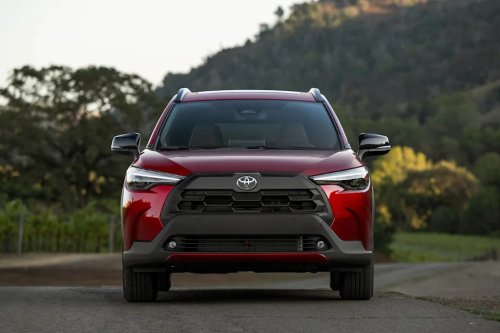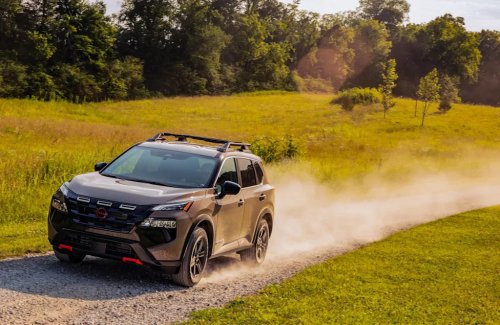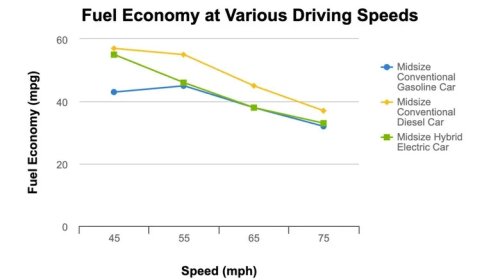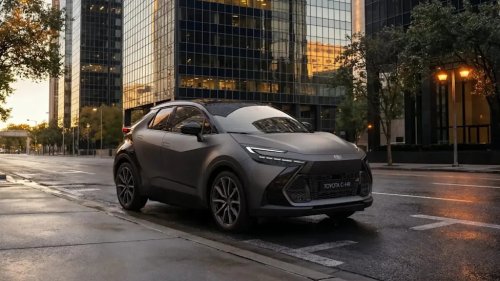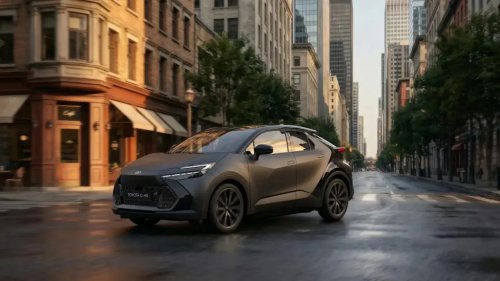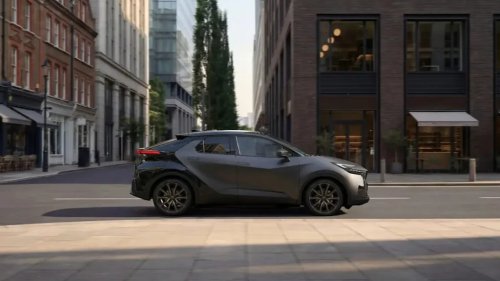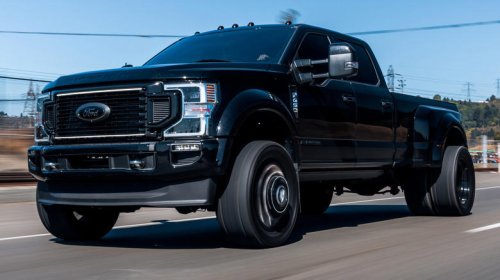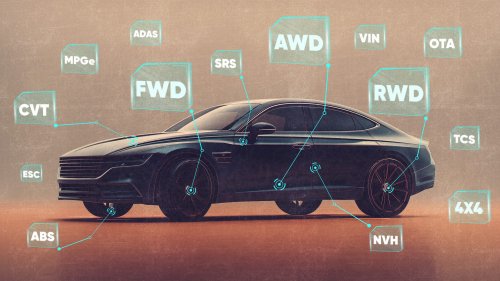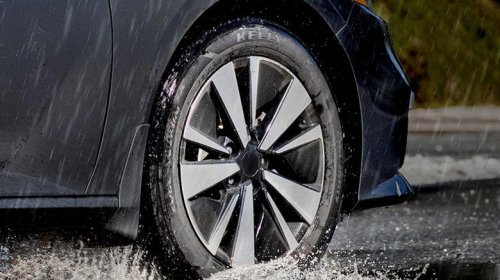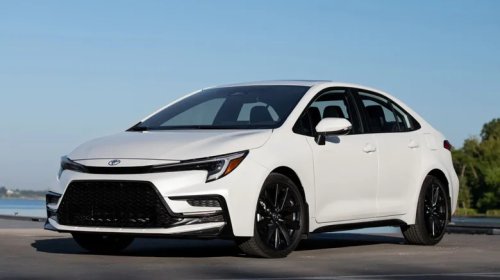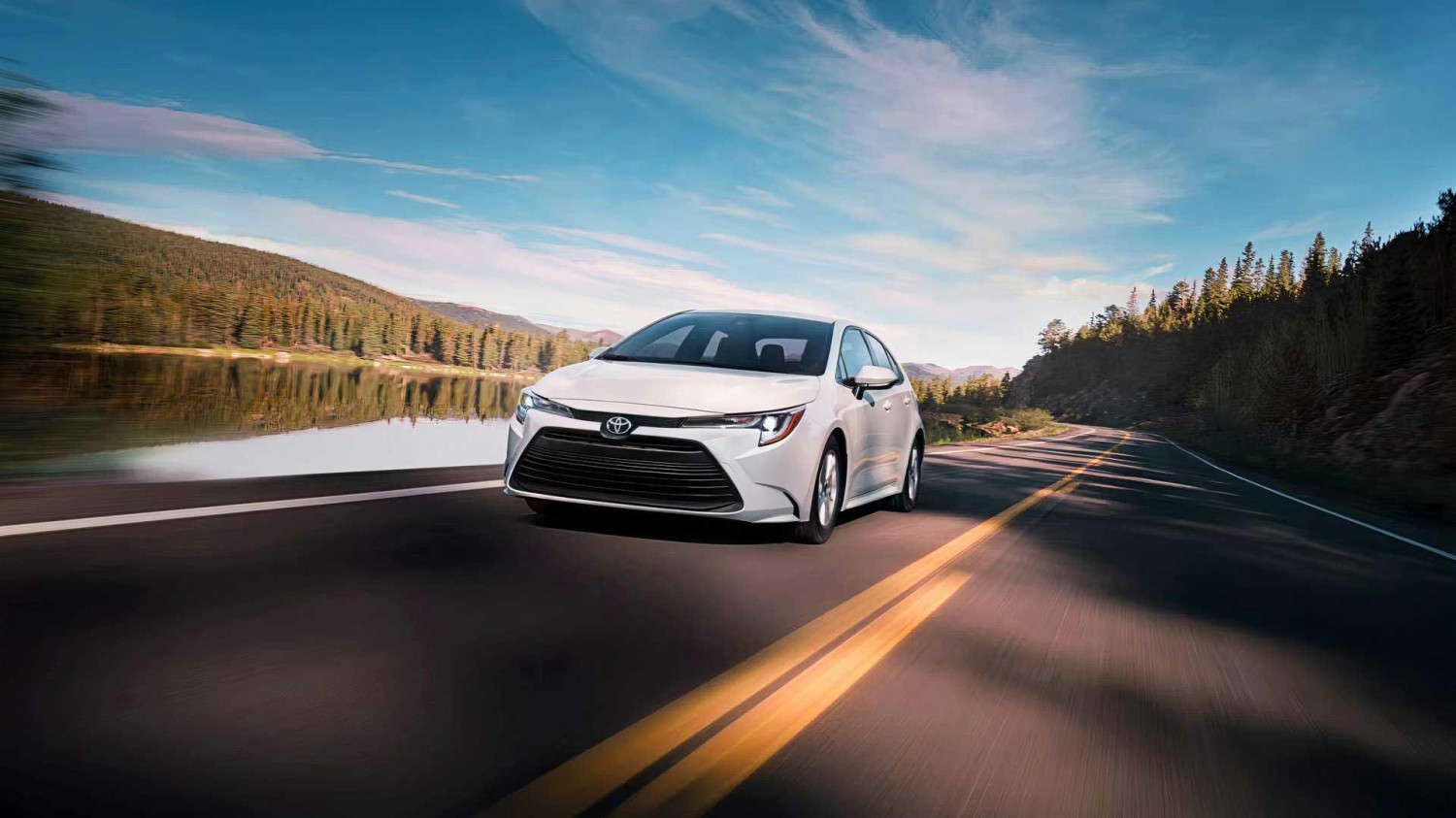

























Knowing what MPG stands for and how it's calculated can help you make informed decisions about your vehicle. MPG ratings impact budget, emissions, real-world use, and even policy at an economic and environmental level. Not all MPG ratings are created equal; considering city vs. highway ratings can help you pick the right vehicle for your driving habits. If you are looking for a new vehicle, there is usually a checklist of things you bear in mind, and it usually includes how reliable it is, if you can fit everything you need into it, how powerful it is, and in times of rising gas prices, how fuel frugal it is, or how many miles per gallon it can achieve.Some of the industry's leading models renowned for their high MPG ratings include the Toyota Prius, the Ford Maverick, the Ford Escape, the new Corolla Hybrid, and the Hyundai Sonata, and if you are looking for good MPG ratings, you can't go far wrong with these models. But what does MPG actually mean? It always looks good when you're looking over a vehicle's data sheet, and it claims that the model can achieve more than 35 or 40 MPG, but what does that actually mean for you?We are taking a look at what MPG means and have brought you information on the different MPG rating meanings, how it is calculated by the EPA, how to boost MPG ratings, and what other models, from across the segments, offer high MPG ratings.In order to give you the most up-to-date and accurate information possible, the data used to compile this article was sourced from various manufacturer websites and other authoritative sources, including Hot Cars, Fuel Economy.gov, EPA, and Car Buzz. Understanding MPG Basics A white 2025 Toyota Corolla Hybrid sedan is driving on the road. MPG literally stands for "miles per gallon", and it simply tells you how many miles your vehicles can travel using one gallon of gas. On a practical level, the higher MPG rating equals fewer trips to the pump and lower fuel bills, but beyond that, MPG ratings have a bigger implication and reflect how well a vehicle can squeeze energy from fuel, linking directly to carbon emissions and environmental impact.Higher MPG ratings can be slightly misleading, though, and just because a jump in MPG rating may look good, it isn't linear, and won't necessarily mean you'll save more fuel. It is known as the "MPG Illusion". According to the EPA, going from 10 MPG to 20 MPG can mean you'll save up to 33 gallons of gas per 1,000 miles, but bumping from 30 MPG to 40 MPG only saves about 5 gallons over the same distance. This is why it is important to understand what "miles per gallon" really means for you and your vehicle. What MPG Stands For And Why It Matters As the shorthand everyone uses to judge how far your vehicle can travel on a gallon of fuel, it is likely, along with horsepower (HP) and LB-FT (for torque), the acronym you'll see the most when looking at a new car or reading most car reviews. There is more than one reason that MPG ratings are important, and it isn't just because they could mean savings at the pump.Budget Impact. More MPG generally means fewer stops at the fuel station and lower costs per mile, but thanks to the "MPG Illusion", upgrading your vehicle from an already fuel-frugal model can mean seeing only a small difference in savings. Reduced Emissions. Higher MPG ratings also mean burning less gas per mile - translating into lower CO2 outputs. The EPA links MPG ratings to greenhouse gas ratings and labels, so if you are looking for a model with a better environmental footprint (though production techniques and materials should also be taken into consideration), a model with higher MPG ratings can (not always) mean a greener drive. Real-World Relevance. MPG is the yardstick you'll see every day - in window stickers, ads, dashboards, and reviews, and it tells you the vehicle's performance in relatable terms, which also allows you to make a quick comparison across different models. Policy Influence. MPG ratings underpin regulations like CAFE standards and the gas-guzzler tax, which, in turn, shapes manufacturer practices. All-in-all, MPG isn't just a number that can help you choose a vehicle that may save you money on gas, but it drives economic choices, environmental outcomes, and even government regulations. How MPG Is Calculated By The EPA Getting an MPG rating for a vehicle isn't sheer luck, but the EPA (Environmental Protection Agency) and manufacturers carry out a large number of tests to get the rating as closest to the true figure as possible.Standardized Test Cycles. Cars are put through five driving tests to mimic real-world conditions: city, highway, high-speed/aggressive driving, hot temperatures, and cold start cycles. Gather Raw Data. Manufacturers record how much fuel each vehicle uses during these tests. City cycles simulate stop-and-start traffic; the highway simulates cruising at high speeds; and the aggressive and temperature tests factor in climate different driving types. Fine-Tuned Adjustments. The EPA then adjusts real-world inefficiencies, like energy loss from using your A/C, idling, short aggressive driving, and extreme temperatures, to ensure the MPG actually reflects realistic conditions. Final Sticker And MPGe For Electric/PHEV Vehicles. Once all the data has been gathered, the final numbers appear on window stickers along with greenhouse gas ratings and cost estimates. For EVs and PHEVs, the EPA uses MPGe - the mile equivalent of a gallon of gas, based on 33.7 kWh. What’s Considered Good MPG Today? Car BuzzAccording to Fuel Economy.gov, the average combined MPG rating (the average of highway MPG rating and city MPG rating) sits at 28 MPG. So, if the average is considered "good", 28 MPG can be considered a good MPG rating. Anything above 28 combined MPG is considered very good; anything less can be seen as sub-par, and Fuel Economy.gov compares yearly annual fuel costs to this ballpark figure. City Vs. Highway MPG: What’s The Difference? When you are looking for a new vehicle, the type of driving you do will likely depend on what kind of vehicle you're looking for, and even more so, how closely you look at both the city and highway MPG ratings.City MPG ratings are, as the name suggests, how many miles per gallon of gas a vehicle can run when driving around the city, and are typically lower because of stop-and-start traffic, idling at red lights, and low-speed driving, which drinks more gas. Accelerating from a stop burns more gas than cruising, and with urban driving, we all know that it happens more often than not. Cars can also be less fuel-efficient at slow speeds (unless you are driving a vehicle with a hybrid system or all-electric mode for slow speeds), while running things like air-con in traffic reduces gas mileage.Highway MPG ratings, on the other hand, measure how many miles a vehicle can drive on a gallon of gas at steadier speeds. They are usually higher because you're driving at a more constant speed, and once you're cruising on the open road, your vehicle's engine doesn't have to work as hard. However, highway driving isn't always more efficient because of speeding, hilly terrain, or strong headwinds. Plus, some vehicles, especially some hybrids, may actually achieve higher MPG in the city thanks to regenerative braking and electric driving at slow speeds.The bottom line here is that city MPG ratings are a better indicator for those of you driving on urban roads with lots of short trips, while highway MPG ratings matter more for commuters or road-trippers. The combined MPG figure that the EPA and Fuel Economy.gov come up with is a calculation based on 55% city driving and 45% highway driving and gives a good middle ground when you want to compare vehicles. Comparing MPG Across Vehicle Types MPG ratings vary a lot depending on what vehicle you are looking for, and while SUV models, sports cars, and pickup trucks in the past were always going to have the worst MPG ratings because of their heavy weight or performance-orientated engines, today, thanks to the evolution of turbo technology and hybrid systems, that isn't always the case.But, compact cars and hybrids do typically dominate the high-MPG end of the spectrum, with models like the Toyota Prius and the Hyundai IONIQ Hybrid boasting 50 MPG+ figures thanks to their clean engines with electric motor assistance and lightweight design. Plug-in hybrids are also capable of going even further by running on electricity alone for short trips before switching to gas.On the other hand, though SUVs and trucks are capable of knocking out some decent MPG ratings today, they still tend to do a little worse in terms of fuel returns due to their larger size, heavier weight, four-wheel-drive systems, and the more powerful engines needed to shift the weight and tow. So, while there have been huge improvements for heavier vehicles, the wiser choice when it comes to fuel economy is smaller, hybrid models. How To Maximize Your MPG Car Buzz While starting off by buying a fuel-efficient vehicle is a good start, it isn't the be-all and end-all of frugal fuel consumption - it is also about how you drive and maintain your vehicle. Even the most fuel-efficient vehicle can guzzle gas if driven aggressively or poorly maintained. On the flip side, you can squeeze better mileage out of an averagely-performing vehicle by driving sensibly. Driving Habits That Boost Fuel Efficiency If you are driving around in a Bugatti Chiron Sport or one of the models with the highest annual fuel costs, there isn't a huge amount you can do about how much gas is used, but there are some things that can be done to minimize how much gas is used more mainstream vehicles.Ease up on the gas pedal. We know that quick acceleration is fun, but it drains the tank fast. Smooth and gradual starts will help you use less fuel over time. Keep a steady speed. Cruise control on the highway helps to maintain a consistent speed, which means your engine doesn't have to accelerate or decelerate all the time and burn more fuel when fluctuating. Lighten the load. More weight = extra fuel used. If you clear out the junk in your trunk and remove roof racks when not being used, it can save weight and help save on gas. Check your tires. Under-inflated tires cause rolling resistance, which in turn forces the engine to work harder and use more gas. Plan your trips. Combining errands reduces cold starts and gets the engine running more efficiently on your trip instead of doing one thing, going home, letting the engine get cold again, and then starting up again. The Most Fuel-Efficient Vehicles (Non-EV) In 2025 Of course, though, choosing a vehicle that has been designed from build to eke out good combined MPG ratings is the best start you can get, and across all the segments, there is a huge selection of models that are built for versatility and impressive fuel returns, and if driven economically, can mean you don't spend a fortune on gas a year. Starting at non-EV subcompact cars and rising up to the full-size pickup truck segment, the vehicles with the best fuel economy range from a combined MPG rating of 24 MPG to 57 MPG.Then we have one of the most popular markets, the SUV market.And, then what is the most popular market in the U.S.A., the pickup truck market.