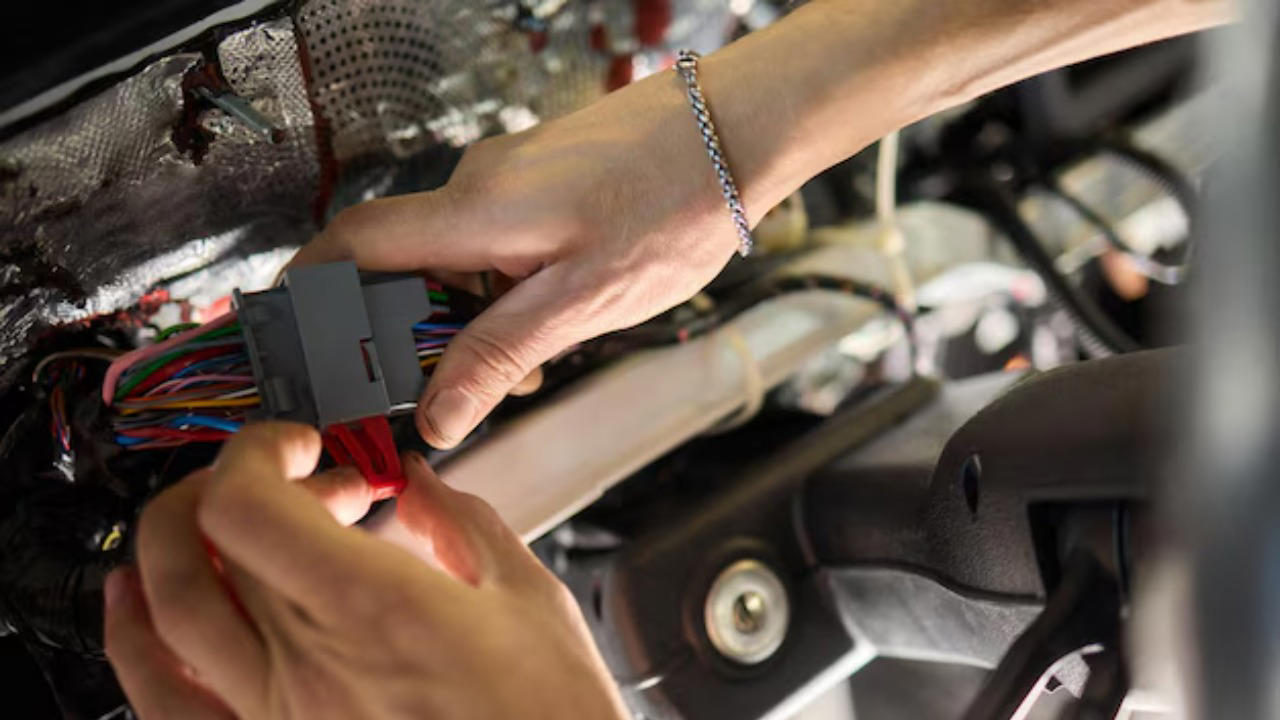
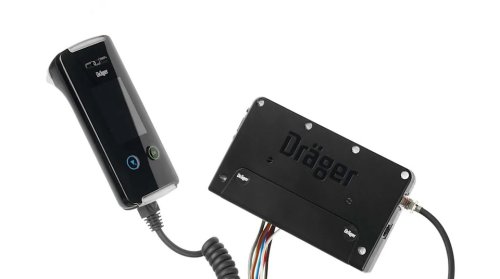
I paid for a certified pre-owned SUV, then found an aftermarket alarm spliced into the wiring harnessBuying a certified pre-owned SUV is supposed to be the stress-free, grown-up choice. You pay a little extra, you get the inspection, the warranty, the “peace of mind” speech, and you drive off feeling like you made a smart move. That’s exactly how this story started—right up until the owner popped a panel and found a surprise that definitely didn’t come from the factory. Tucked behind trim and insulation was an aftermarket alarm system, the kind you’d expect in a 2000s tuner car, not a modern CPO family hauler. Worse, it wasn’t neatly installed with proper connectors. It was spliced into the wiring harness like someone rushed through the job with wire taps, electrical tape, and optimism. The “certified” promise vs. what showed up in the dash Certified pre-owned programs vary by brand, but the pitch is usually the same: the vehicle gets a multipoint inspection, worn parts are replaced, and it’s verified to meet a standard. The big emotional selling point is that you’re not inheriting someone else’s sketchy DIY projects. When you hear “certified,” you don’t picture extra modules zip-tied under the dash. In this case, the owner wasn’t even hunting for modifications. They were chasing down a small electrical quirk—an intermittent battery drain and the occasional weirdness with door locks. That kind of issue tends to send people looking for obvious culprits: interior lights, a weak battery, a finicky alternator. Instead, the culprit looked back at them in the form of non-factory wiring and an alarm brain that had no business being there. What was actually found: splices, taps, and a mystery module The discovery wasn’t subtle once the panels came off. There were extra wires bundled into the factory loom, along with quick-splice connectors clamped onto original wires—exactly the sort of “it works for now” hardware that can create problems years later. Some connections were wrapped in tape that had started to dry out, leaving sticky residue and exposed sections that could rub or short. The aftermarket unit itself looked like a generic alarm/immobilizer module, the kind installed by dealers, third-party shops, or previous owners. These systems often tie into ignition power, starter circuits, door triggers, and sometimes CAN lines depending on the vehicle. Translation: it’s not just a harmless add-on; it can be sitting right in the middle of the SUV’s nervous system. Why spliced alarms can cause headaches (even when they “work”) Aftermarket alarms can behave fine for years, and then suddenly turn into gremlins. A slightly loose tap can introduce resistance that confuses sensors or body control modules. Corrosion can creep into the splice points, especially if the connections weren’t sealed properly, and then you’re chasing intermittent issues that never show up when the car’s at the shop. Battery drain is a classic symptom, because some alarm modules are constantly awake or poorly integrated with the vehicle’s sleep mode. Another common one is random lock/unlock behavior, no-start conditions, or a starter that cuts out because the immobilizer circuit is interrupted. The extra fun part is that these problems can look like “the car is haunted,” when it’s really just a tired connection from an old install. So how did this end up in a certified pre-owned SUV? There are a few plausible paths. The alarm could’ve been installed by a previous owner, then partially removed before trade-in, leaving behind splices and a module. It could’ve been added by a dealer at some point—some stores install alarms, trackers, or anti-theft devices on inventory vehicles, sometimes without being crystal clear about it. And yes, it could also be that the CPO inspection simply didn’t catch it. Many inspections focus on mechanical condition, safety items, and obvious functionality. A hidden module behind the dash isn’t always visible unless someone’s specifically trained to look for aftermarket electronics—and even then, they’d need time to follow the wiring and verify it’s properly integrated. What owners can do if they find something like this First: document everything. Take clear photos of the module, the splices, any labels or serial numbers, and where it’s located in the vehicle. If you can safely do it, grab a quick video showing the wiring path and any symptoms (like a dash light or lock behavior) that might be related. Second: don’t start yanking wires unless you’re confident in what you’re disconnecting. Alarm systems can be tied into starter interrupts, and removing the wrong connection can leave you stranded in your own driveway. If the wiring is messy, it’s usually worth paying a reputable automotive electrical specialist to either remove it properly or rework the connections with solder/heat-shrink and restore the factory harness. Third: bring it to the selling dealer sooner rather than later. If the vehicle is certified, you have a strong argument that undisclosed aftermarket electronics—especially ones spliced into critical circuits—don’t match the reasonable expectation of “certified.” Keep the conversation practical: you’re not trying to win a philosophical debate about what “certified” means; you want the wiring restored to factory condition or a clear, written plan to make it right. What to ask the dealership (without turning it into a showdown) A calm, specific checklist helps. Ask whether aftermarket alarms, immobilizers, or trackers are disclosed in your paperwork or listed on the build sheet they provided. Ask if the dealer installed any security device as part of their inventory process, and if so, request documentation and removal procedures. Then get to the point: who’s paying to return the wiring to OEM standards? A decent solution might be dealer-funded removal at a qualified shop, plus confirmation testing afterward (battery draw test, scan for trouble codes, verify remote locking, verify start/stop behavior). If you’re getting warranty pushback, emphasize that the issue is the wiring integrity, not your preference about accessories. How to spot this before buying (or at least before you’re emotionally attached) You don’t need to be an electrician to do a quick sniff test. Look under the driver’s side dash with a flashlight—if you see an extra module, a mess of non-factory wires, or those vampire-tap connectors, that’s a signal. Also watch for a second fob, a tiny valet switch tucked under the dash, or a blinking LED stuck to the trim. On a test drive, pay attention to anything quirky: delayed starts, strange lock behavior, or accessories that stay on longer than expected. If the seller mentions “it has an alarm,” ask whether it’s factory or aftermarket and whether it was professionally installed. A confident, documented answer is great; a vague shrug is not. The bigger takeaway: CPO isn’t magic, but it should be transparent This story lands in that annoying middle ground where nothing is catastrophic, but it still feels like a betrayal of the whole point of buying certified. People choose CPO to avoid surprises, not to discover mystery hardware woven into the harness like an electronic Easter egg. If you’re paying for “checked and verified,” it’s reasonable to expect disclosures about non-factory electrical modifications—especially ones that can affect reliability and safety. And if you’re the one staring at spliced wires behind your dash right now, you’re not alone. The good news is that most of these situations are fixable with the right approach: document it, don’t rip it out impulsively, and push for a proper restoration to factory wiring. Certified or not, you deserve a vehicle that starts every time—and doesn’t come with bonus circuitry you didn’t order. More from Fast Lane Only Unboxing the WWII Jeep in a Crate 15 rare Chevys collectors are quietly buying 10 underrated V8s still worth hunting down Police notice this before you even roll window down The post I paid for a certified pre-owned SUV, then found an aftermarket alarm spliced into the wiring harness appeared first on FAST LANE ONLY.