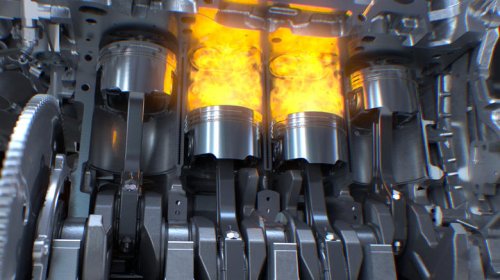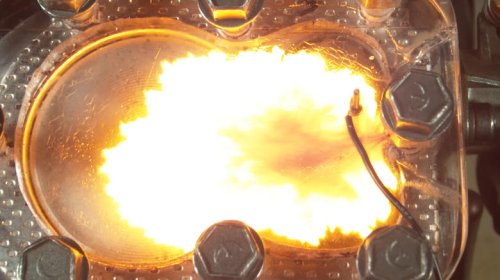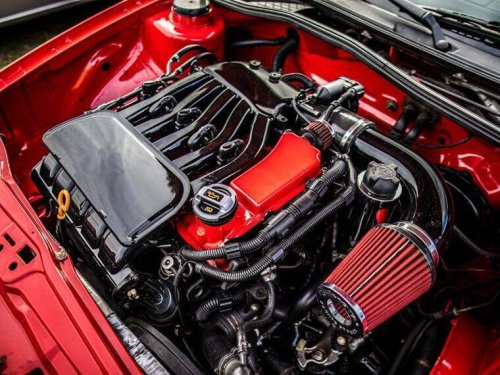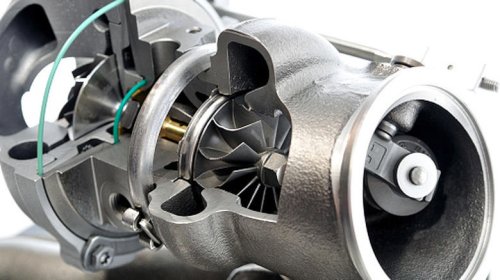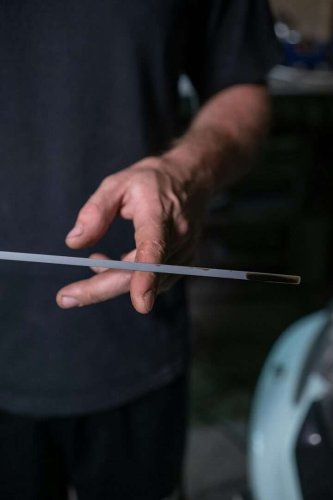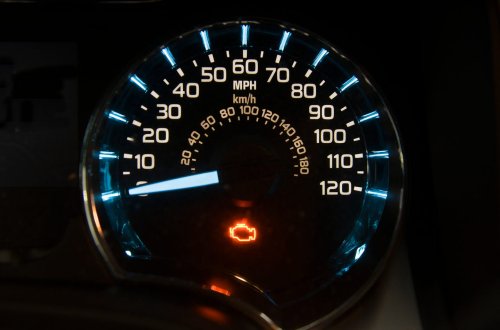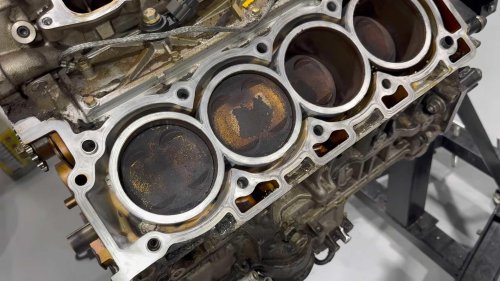
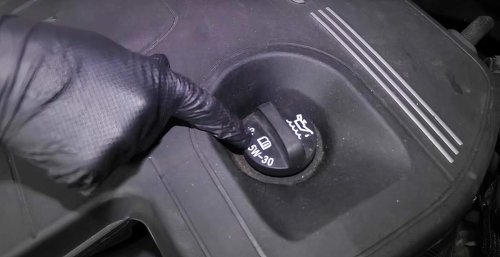
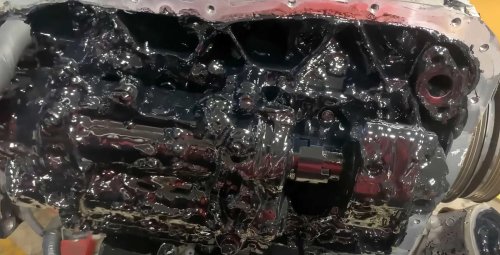
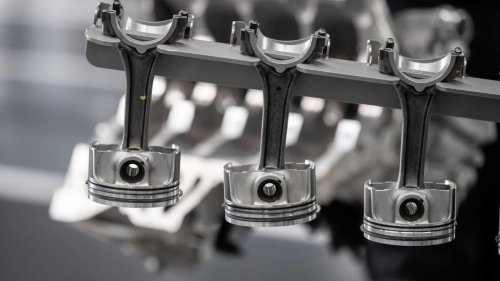
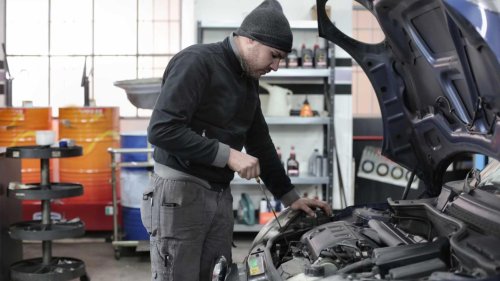



















Jump LinksBlow-by ExplainedWhat To Expect And How To Diagnose Blow-byCollateral DamagesRepair OptionsBeing Proactive: How To Avoid Blow-byWhat is blow-by in an engine?How do you fix blow-by?Is blow-by bad in a diesel engine?How do you tell if you have blow-by?Today's engines are more advanced than ever before, offering large horsepower numbers from small displacement engines. Seemingly, manufacturers have combined the best of both worlds: small economic engines with all the passing power we could ask for. A prime example is the 2026 Honda Civic Type R boasting 315 horsepower from a turbocharged 2.0-liter four-cylinder. However, there is still an enemy at the gates, no matter the size or age of the engine. No engine is impervious to blow-by, a serious problem that can reduce not only performance and efficiency, but engine longevity as well. Engine blow-by can start off small, but can ultimately end with catastrophic results. Read on to discover more about engine blow-by, its effects, and how it may be avoided.If your vehicle is experiencing blow-by or the symptoms of blow-by, it's advisable to have a trained automotive repair technician inspect and diagnose your vehicle for an accurate and proper repair to avoid future problems. Always check your oil level if blow-by is suspected. Engine Blow-by And Why It Matters Blow-by Explained I Do Cars / YouTube The internal combustion engine is a precision-engineered mechanism for harnessing the energy from a carefully timed series of combustion events. The intent is to produce horsepower and torque. During the power stroke of an engine, cylinder pressures are high, as gases in the combustion chamber expand, forcing the piston down the cylinder. When these gases are able to escape the combustion chamber from around the piston and into the crankcase, this is a phenomenon known as blow-by. Blow-by is inevitable due to necessary piston ring end gaps, side piston clearances, and the imperfections that are inherent with a sliding seal. For these reasons, there is an expected amount that is tolerated and safely managed by the engine's positive crankcase ventilation system, or PCV system for short. Blow-by, usually caused by the failure of the piston rings and/or worn cylinder walls, can be highly problematic and, over time, will result in serious engine damage through accelerated wear of crucial engine parts, contaminated oil, and power loss.An engine relies on a robust seal between the piston and the cylinder wall to effectively, efficiently and non-destructively produce power. This seal is dependent on a few physical factors of key engine components. The pistons in the engine are typically equipped with three rings: two compression rings and one oil ring. The compression rings have two primary jobs. One is to contain the combustion gases from entering the crankcase, and the other job of the piston rings is to regulate the proper amount of oil between the piston and the cylinder walls. Regulating the amount of oil between the piston and the cylinder walls not only helps curb oil consumption, but helps to prevent excessive wear of the pistons, piston rings and the cylinder walls. If any of these components are compromised, they fail to hold back combustion gases from entering the crankcase, introducing excess pressure and contaminants, ultimately degrading engine oil, creating oil leaks, and overwhelming the PCV system. Blow-by: The Silent Killer Of Engines What To Expect And How To Diagnose Blow-by Engine oil type listed on the oil cap (1A Auto/YouTube) Blow-by is somewhat common in certain engines, but is more likely to occur in an engine with high miles or one that has not been properly maintained. There are some identifiable symptoms of excessive blow-by that vehicle owners can easily look for. To regulate crankcase pressure, the PCV system vents off, or reroutes pressure and fumes out of the crankcase or back through the engine's combustion chambers. Combustion gases that are able to "blow by" the piston rings, create tremendous pressure in the crankcase. When the PCV system can't manage all the pressure and gases, engine gaskets and seals are compromised. This situation creates oil leaks.A common method of checking for excessive blow-by is to look for thick smoke or noticeable fumes coming from the oil fill cap port or the dipstick tube. This simple test can be performed easily with no tools needed. With the engine running, slowly remove the oil fill cap. When there is excessive blow-by present, a strong burst of pressure can be observed coming from the oil cap hole in the valve cover. In some cases, the blow-by can be so apparent that, as you remove the oil cap, the crankcase pressure may want to push the oil cap out of its port. As stated earlier, every engine creates a small amount of blow-by, so it's likely small pulses will be felt, which is normal. Some blow-by can be so forceful as to pop the dipstick partially out of the dipstick tube. Collateral Damages Just Rolled In/YouTube If left unfixed, blow-by can cause some serious damage to the engine. Blow-by gases come with more than just additional pressure. The gases are full of contaminants such as unburned fuel and vapors. These contaminants, over time, will wreak havoc on the engine oil; engine oil that is saturated with fuel breaks down, and the oil loses its viscosity and thins out. The engine relies on the oil to maintain a certain viscosity for proper lubrication. Since the engine bearings operate on an already thin film of oil, it's crucial for the life of the engine that the oil remains at or near its manufactured viscosity. When the oil gets too thin and overly contaminated, the bearings get damaged due to improper lubrication.Not only does the oil get too thin to be an effective lubricant, the contaminants will accelerate the formation of engine sludge. Engine sludge is the product of oil that has been degraded and turned into a thick sludge made up of soot, oxidized oil, and moisture. This sludge clogs oil passages, restricting oil flow to the camshafts, lifters, and other vital engine components throughout the engine. Further, engine sludge will clog the engine's PCV systems, contributing to the failure of seals and engine gaskets. Blow-by Prevention: Maintenance Required Repair Options Mercedes-AMG There are some remedies for blow-by that can be helpful if the problem is caught early or is not too serious yet. Cleaning the PCV system is a great start, along with oil additives. At times, piston rings can merely be stuck, and with the addition of the right additive, piston rings may break loose and start to seal again. In most cases, these are both short-term remedies that help, but ultimately the blow-by will worsen, requiring serious intervention. If the cause of the blow-by is from failed piston rings, cracked pistons, or worn/scored cylinder walls, it's likely that a complete engine rebuild is needed. The pistons must be entirely removed and fit with new rings. If the cylinder walls aren't scored or badly worn, a cylinder hone can be used for preparing the mating surface of the cylinder walls for the new rings. If, however, the cylinder walls are in poor shape, precise machine work will be needed. This involves specialty machining equipment that will resurface the cylinders' wall by removing away the affected material. The new 'overbored' cylinder will then require a larger piston and rings for proper fit and seal. Being Proactive: How To Avoid Blow-by Car Maintenance Check Oil Avoiding excessive blow-by is quite simple. A healthy engine requires a regular and consistent maintenance regimen. Prolonging engine life relies on regular oil changes performed at the manufacturer's recommended intervals, regular fluid flushes and filter replacements. Often overlooked when performing maintenance, is the engine's PCV system. While many cars no longer use a PCV valve, some vehicles still do. These valves are inexpensive, often easy to replace and should be done regularly. Otherwise, opt for an engine top end cleaner to clean any PCV ports, hoses, or orifice tubes to maintain the system. FAQs Mercedes-AMG What is blow-by in an engine? Blow-by is the escape of combustion gases and pressure into the crankcase due to bad piston rings, scored or worn cylinder walls, or cracked pistons. How do you fix blow-by? Depending on how bad the situation is, blow-by can be fixed by piston ring replacement or re-surfacing of the cylinder walls with machine work. Is blow-by bad in a diesel engine? Blow-by is bad in every engine. However, as diesel engines are known to accrue a high number of miles, it can be common on higher mileage diesel engines. How do you tell if you have blow-by? An observation of pressure and smoke/fumes emanating from the oil filler hole while the engine is running and the oil cap is removed is a good indicator of blow-by. Small pulses of pressure are normal, large pressurized bursts indicate blow-by.