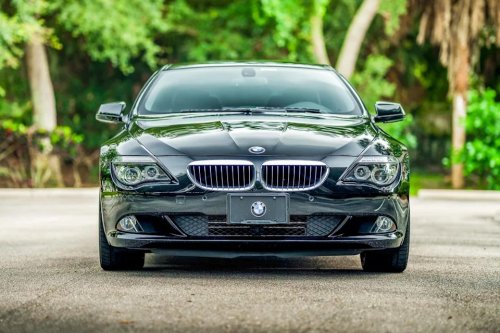
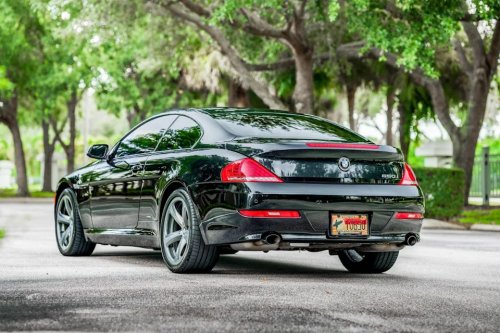
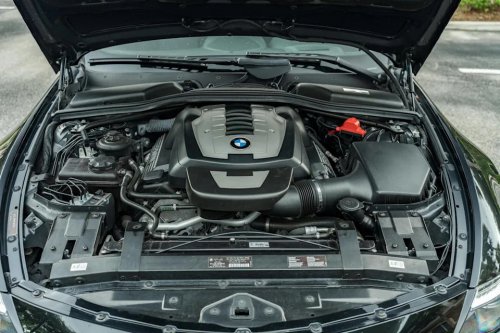
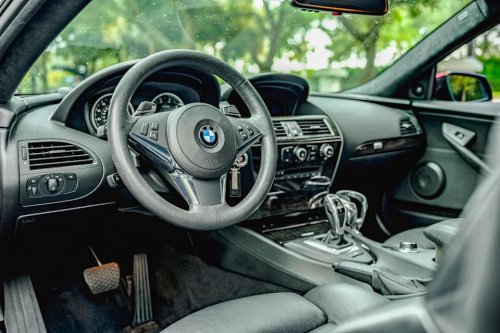
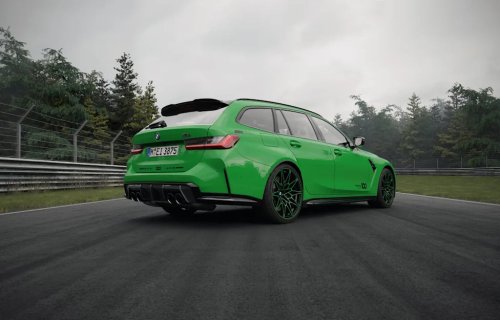
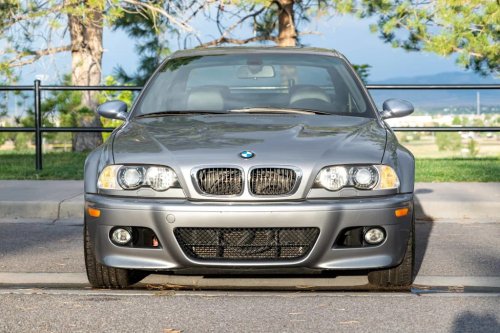
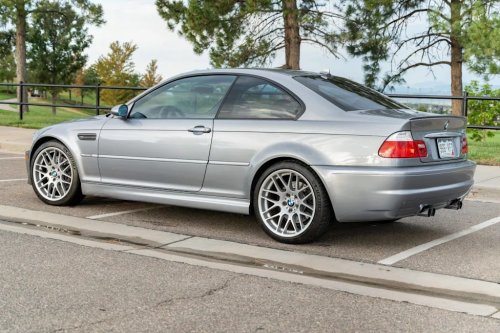
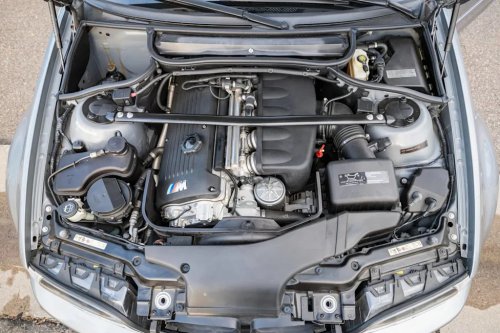
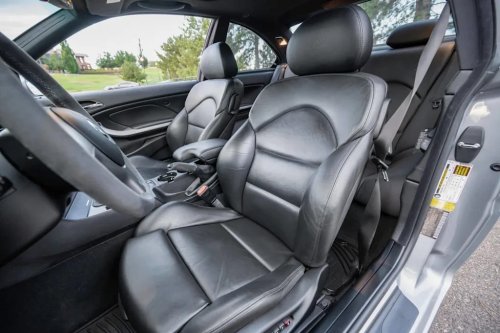
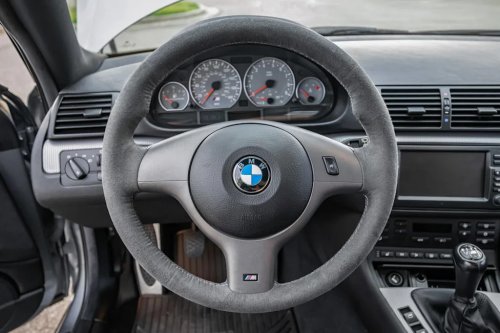
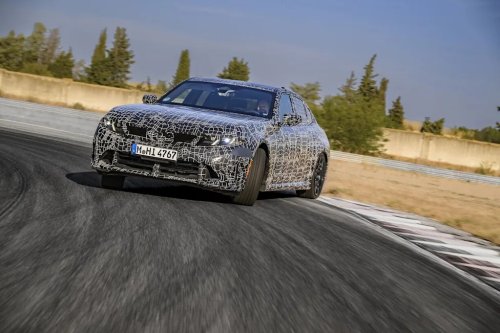
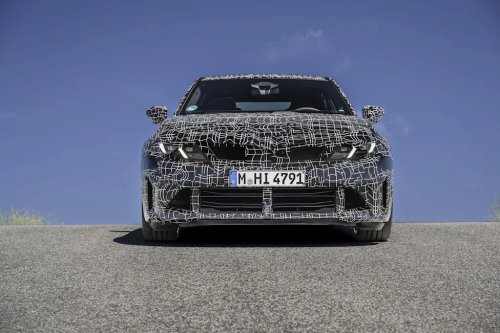
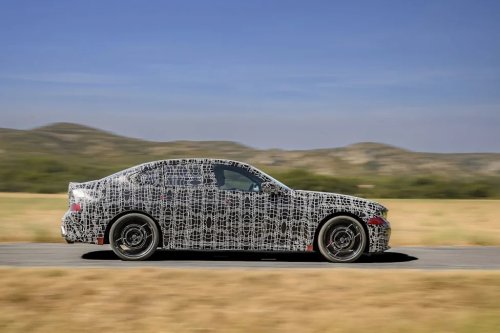
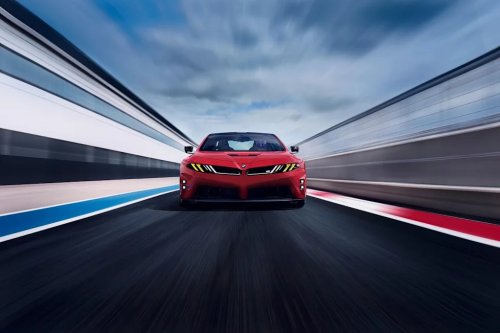
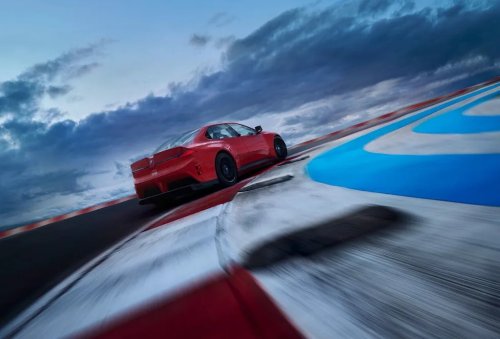
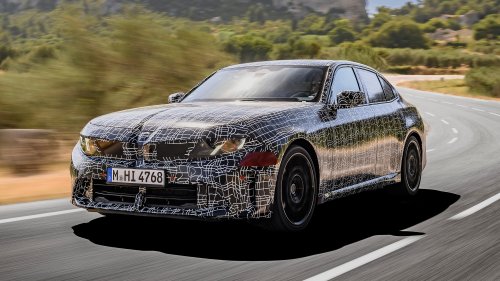
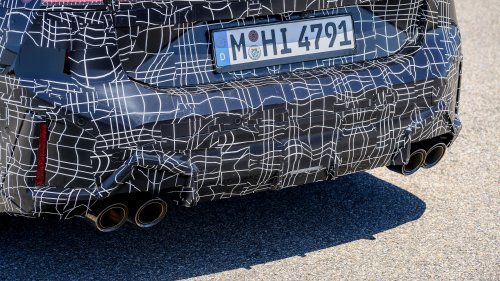
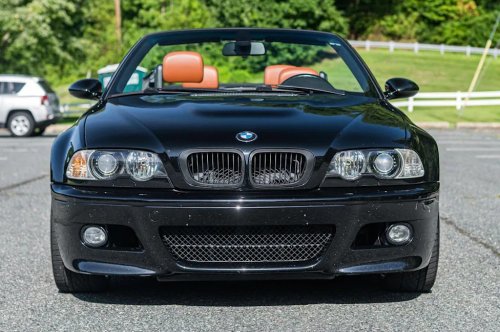
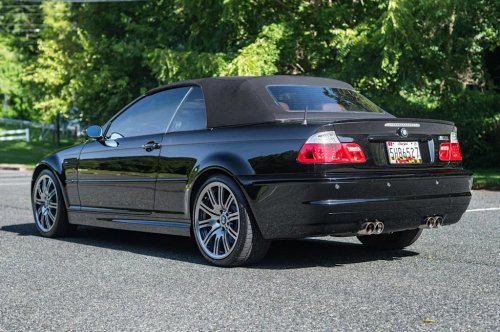
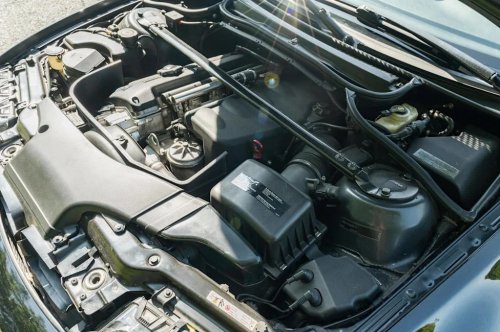
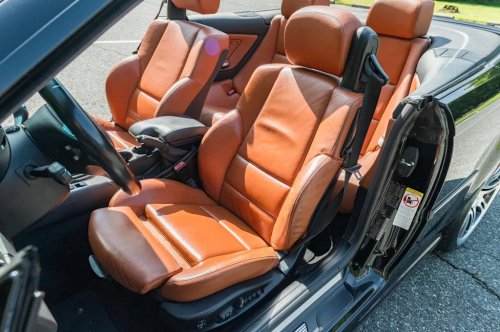
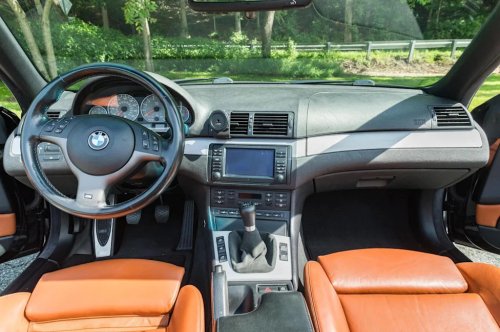
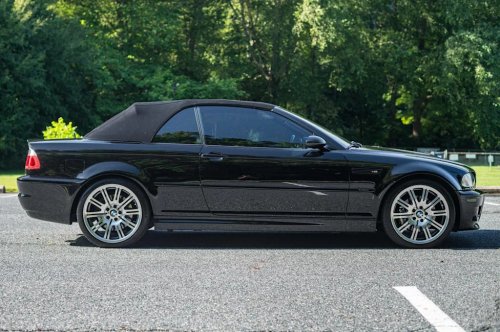
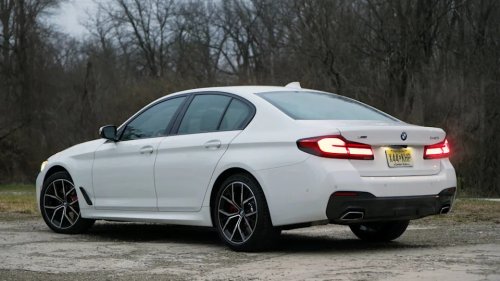
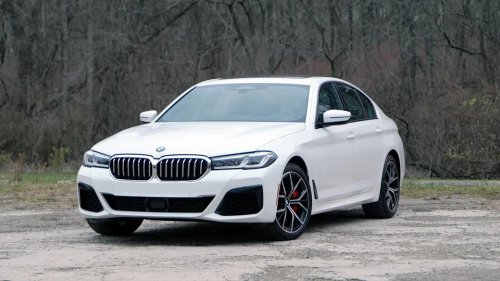
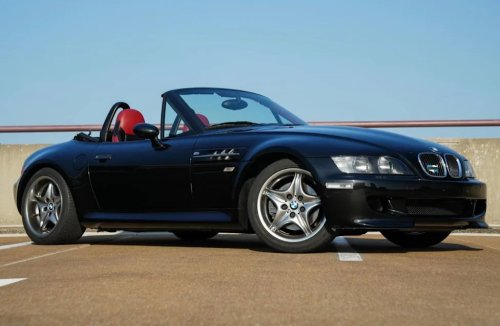
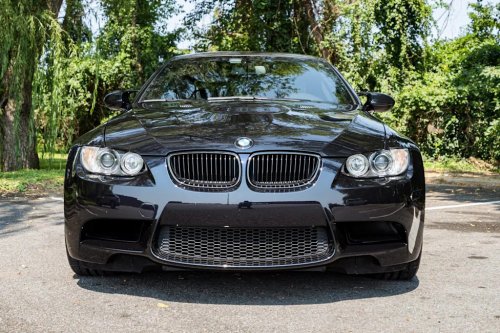
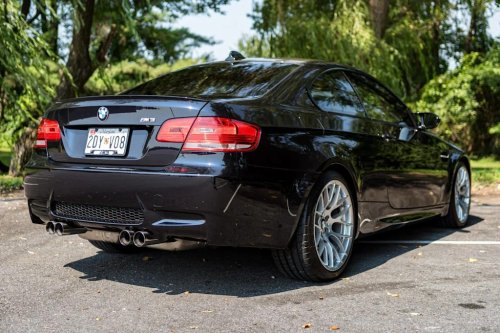
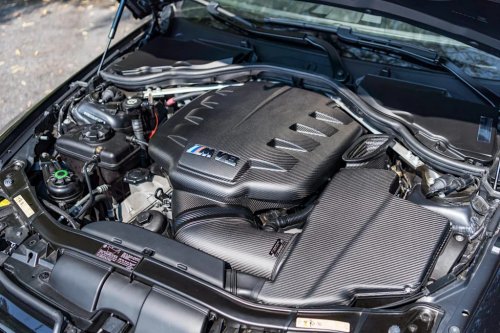
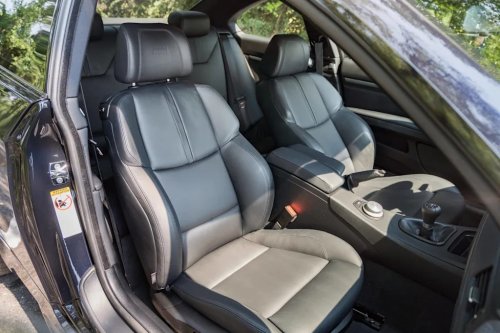
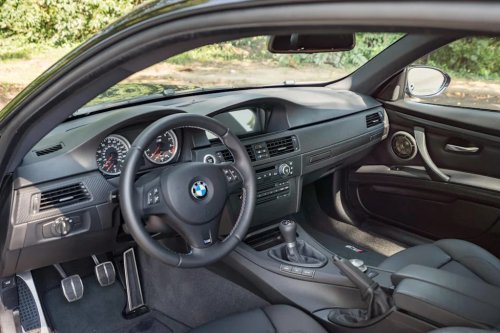
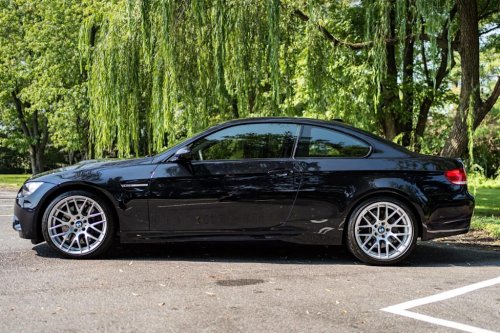
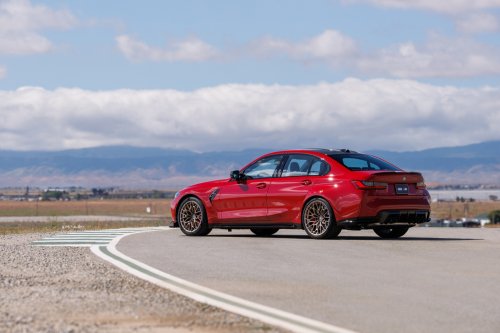
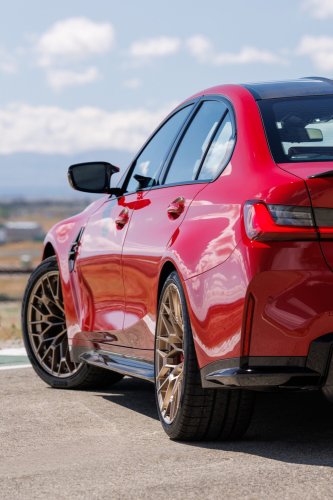
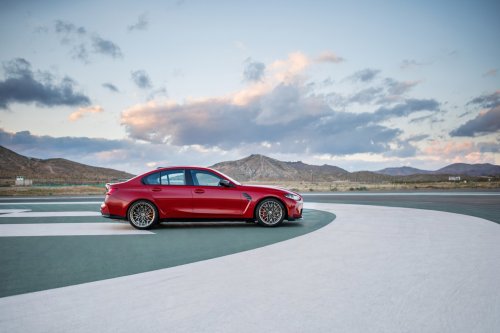
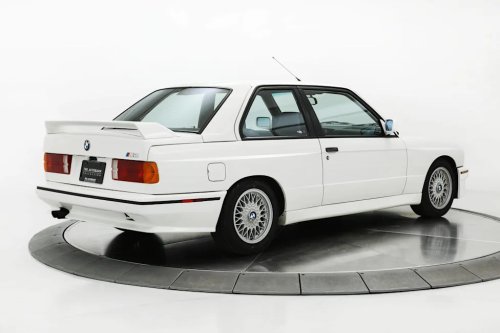
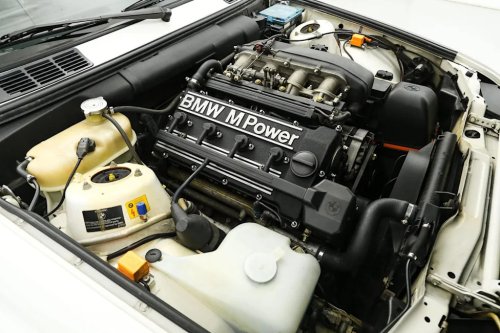
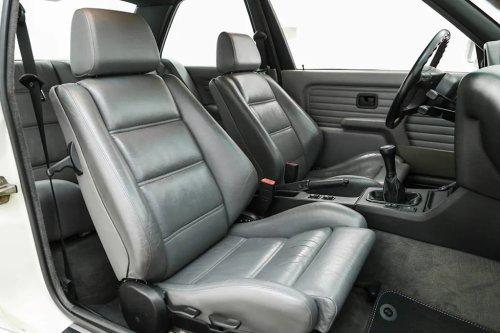
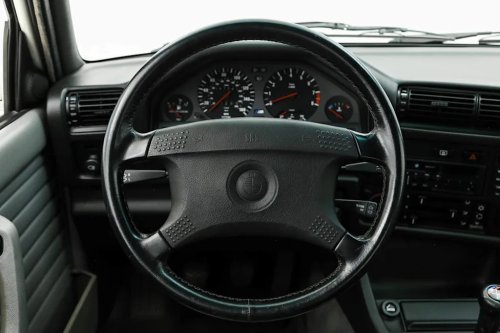
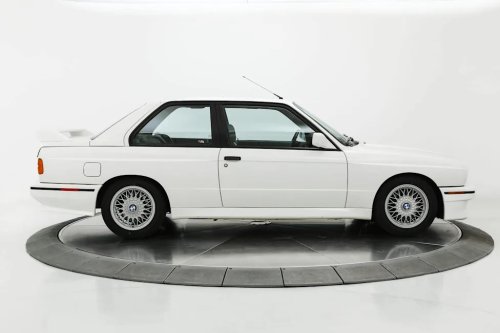
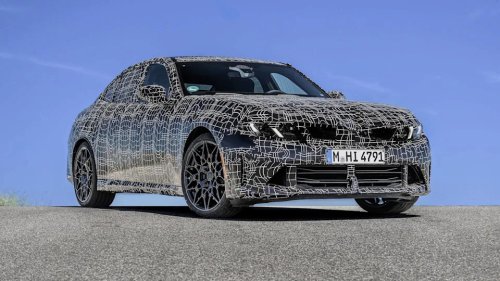
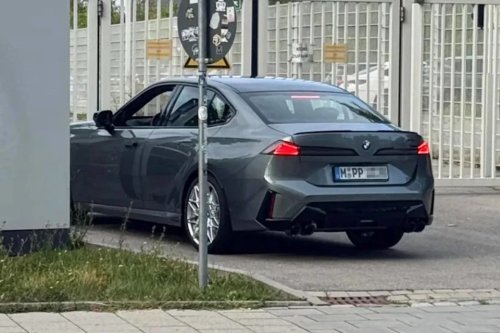
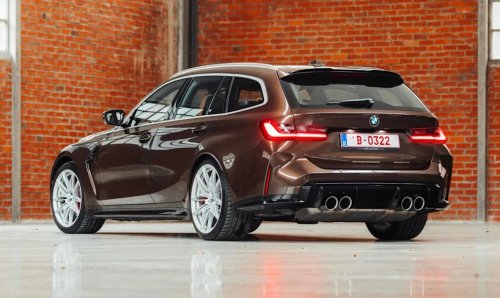
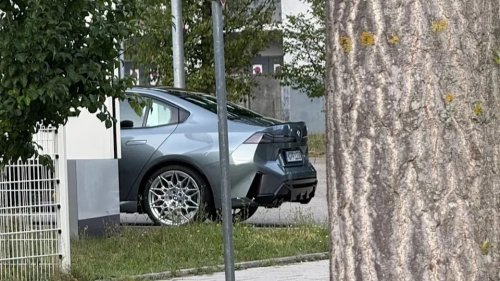
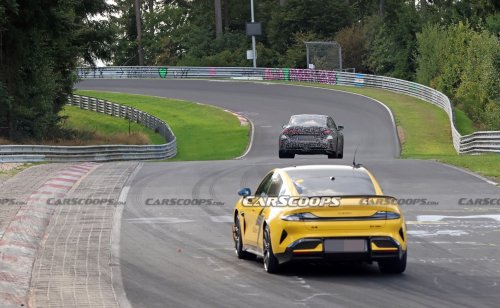
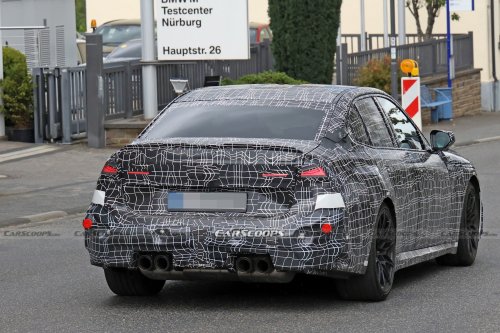
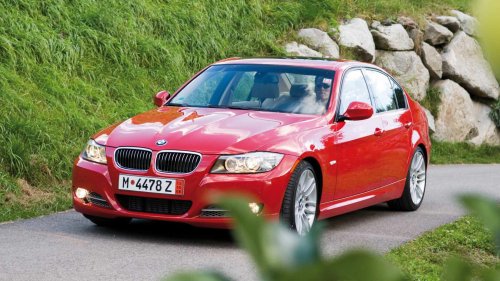
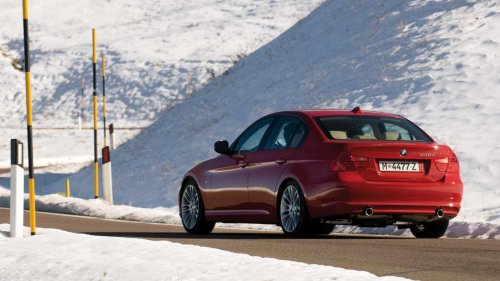
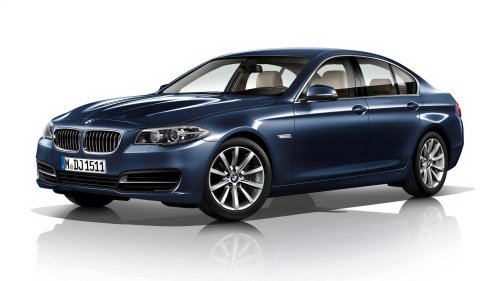
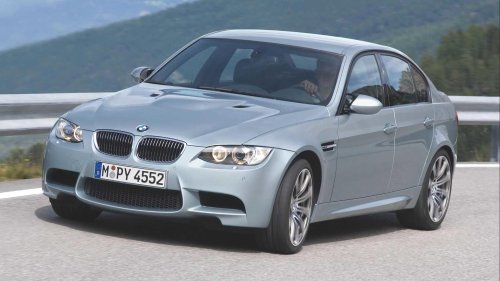
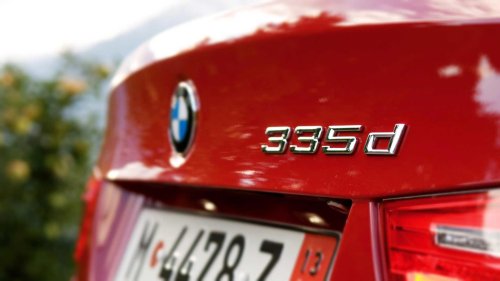
The M3 will always be BMW's hero in the world of V8 motoring, and you've got to go a long way to better its performance within its sector. Yet a couple of pretenders may want to be involved in that conversation, and both are far more discrete, twin-turbo diesel sedans that you'd never have expected to even be in the contest.Still, the E90 335d and F10 535d can genuinely trouble an E90 M3 in a very specific area that matters more than you'd think on real roads. While the M3 is always going to be the faster car by most metrics, the way that these specific diesels deliver their torque means that, in a tall gear and from 50 mph upwards, they can hit as hard – or sometimes harder – than the M3 itself. The Diesel Sleepers That Might Embarrass An M3 BMWBMW's M3 laid down the gauntlet through most of the 2000s if you're looking at how fast a BMW can get down the road. After all, the E90 generation M3 had a 4.0-liter naturally aspirated V8 turning out 414 hp and 295 lb-ft of torque, and had plenty of other performance figures to impress you if you needed more proof.You could get to 60 mph in about 4.5 seconds, 100 in roughly 10.5, and register a scary 155 mph top speed if you could find somewhere suitable to do so. There's no way that diesel workhorses from lower down the range could live with that type of spectacle – unless, that is, you look at things through a narrower lens.The E90 335d has a 3.0-liter twin-turbo diesel straight-six that produces 282 hp but a massive 428 lb-ft at around 1,750 rpm. It uses its power effectively through its six-speed automatic and rear-wheel drive configuration, while taking about 5.8 seconds to get to 60 mph on its way to a governed 155 mph. The F10 535d is bigger, but it follows a similar formula to the 335d. It, too, has a 3.0-liter (sequential) twin-turbo diesel that turns out roughly 255–313 hp and 413 lb-ft, with a 60-mph time of 5.3 seconds and a limited top speed of 155 mph.For the purposes of the story, you need to look a little closer at not just 60 mph times, but at how these cars build their speed once they're already rolling. Testing suggests that the 335d reaches 70 and 80 mph with surprising urgency and runs closer to an E90 M3 in that specific scenario than its power figures should allow.The larger 535d isn't that far behind either, even though it has extra weight. Crucially, both diesel sedans are able to set their figures with minimal drama and usually through just a single upshift and restrained revs. They rely on broad torque delivery and don't have to lean on higher rpm theatrics for their pace. The 335d Hits So Hard In-Gear BMW BMW has engineered the 335d carefully so that it can turn low-down boost into real-world shove. Its M57D30 twin-turbo diesel engine has a small and quick spooling turbo for lower rpm, but a larger unit allocated for sustained boost. The setup also has common rail injection and a hefty 16.5:1 compression ratio.The 335d can deliver its peak torque in a broad band that starts around 1,750 rpm. Importantly, the drivetrain has a relatively long 2.81:1 final drive configuration, so you can sit in a higher gear and still be right in the middle of the torque plateau with just a small application of throttle.Tests suggest that the 335d punches particularly well from 40 or 50 mph, and just as if it was a big-capacity gas V8. It has an enormous amount of torque to push out between 1,750 and 2,250 rpm, to get you to your destination quickly whenever you roll into the throttle. And while these assumptions don't emerge from any strict back-to-back testing scenarios, they do suggest that if you let the 335d lean on its torque rather than messing around with gears, it can be brutally effective. The 535d Has A Long-Legged Interstate Punch BMW The 335d is a compact 3 Series machine but the F10 535d is something else entirely, with that 3.0-liter twin-turbo diesel sitting within a big-body executive sedan. The engine is paired to an eight-speed automatic to give the 535d a dense stack of ratios and the ability to use its 413 lb-ft efficiently with just a downshift.Some acceleration tables suggest getting from 30 to 50 mph in just over three seconds and covering 50 to 70 mph in roughly four. It seems to deliver the kind of mid-range punch that is particularly handy out on the open road, and it shows just how effectively these diesels can convert low rpm torque into real-world practicality.Notably, for the purposes of this article, the 535d can apparently surge from an easy cruise to a very high speed with only a couple of quick shifts. There's just an enormous amount of torque at play as well as tall gearing, so the 535d may well respond first when the flag drops at 60 mph in a hypothetical M3 side-by-side. How The Pretenders Stack Up Against An E90 M3 BMW There's no doubt that an E90 M3 is going to be the faster car by most yardsticks when looking at this trio. After all, it's comfortably quicker to 60 mph and can match or beat the diesels to 100. And you'd certainly expect that performance from a lighter and more powerful car which has got performance-oriented gearing and a screaming 8,300 rpm redline to chase.However, that doesn't tell the whole story, and in rolling acceleration tests there may be different winners. These types of tests investigate higher gear, low rpm roll-on, and they bring the 335d and 535d into the conversation. It seems that those cars can post rolling acceleration figures in higher gears that are as good as their more powerful gas counterparts, some of which rely implicitly on their revs to make their torque.It's possible to find forum stories talking about how humble 335ds and 535ds can hang with or even briefly jump M3s from a 40 to 70 mph roll. Of course, much will depend on those revolutions per minute as, if the M3 is in its right gear and past its sweet spot, it's likely to walk away with the race.However, it's hard for an average driver to make a vehicle perform entirely as its manufacturer intended on any given everyday road. And it seems that some of these diesel monsters can embarrass an inattentive M3 driver in a hypothetical match-up of this kind. From Torque Monsters To Cult Heroes BMW BMW's F10 535d and E90 335d do seem like artefacts from a specific moment in the company's history. Back when they appeared, BMW was well into diesel and was trying to chase CO2 targets and overall economy, even though it might have still been secretly obsessed with performance and interstate pace. But that general approach seems to have given birth to a pair of understated sedans that can genuinely deliver M-car-rivaling in-gear acceleration while still being quite economical for everyday use.Both of those humble sedans were actually not so humble given their overall specs, and remember that they were not lightweight cars at all. The 535d could still crack 60 mph barely a second slower than an M3, even though it carried around an extra 400 lbs of sound-deadening and creature comforts. But perhaps the biggest story surrounds their behavior between 50 and 120 mph. And the way they could surge past slower traffic without frantic shifts, to make overtaking in a hurry feel indecently easy.Since BMW introduced these cars, it has slowly but surely downsized and moved towards electrification. This means that these twin-turbo diesels can now present as cult alternatives to collectors if those enthusiasts want real-world M pace, but not necessarily M-car flash as well.And they also appear to be two heroic sedans that are perfectly capable of turning impressive torque into impressive speed, while everyone else seems to be napping.



















 +32 others