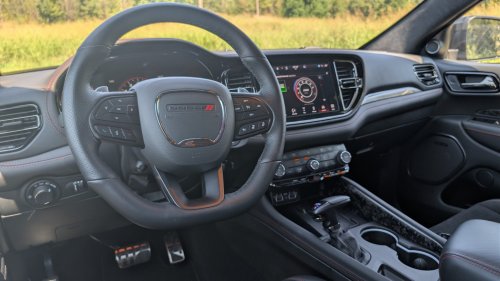
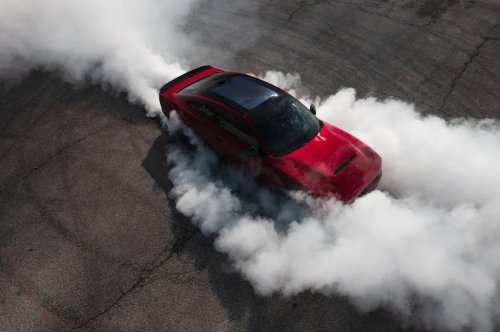
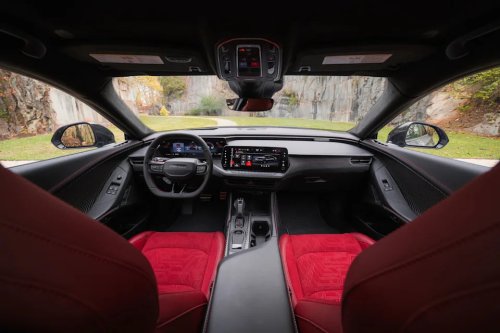
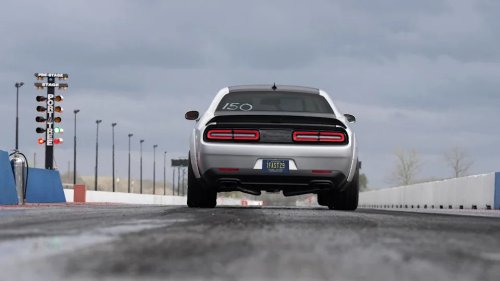
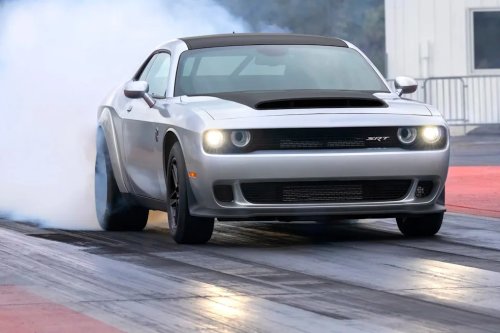
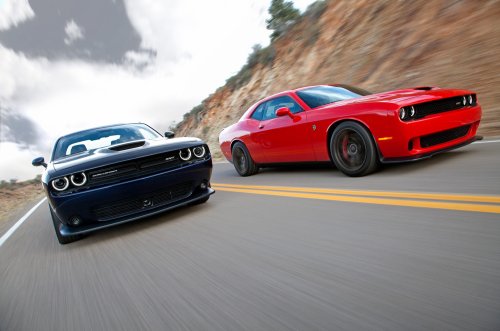
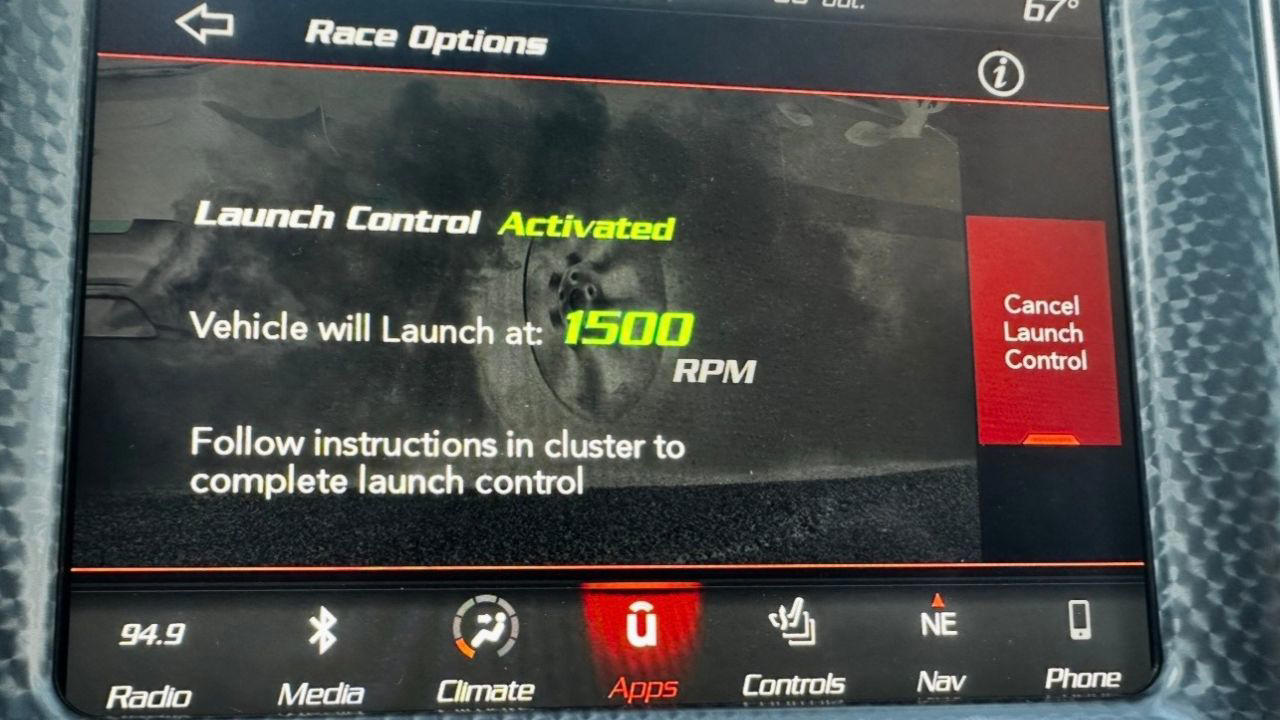
The Launch button on a Dodge Hellcat activates the vehicle’s Launch Control system, which manages engine RPM and traction to optimize acceleration from a standing start. This feature is particularly valuable for manual transmission Hellcats, where it allows drivers to set a specific launch RPM through the Uconnect system and maintain consistent, controlled launches. Launch Control holds the engine at a pre-selected RPM when the driver floors the accelerator with the clutch depressed, then manages power delivery when the clutch is released to balance wheel spin and forward momentum for optimal acceleration. The system works by modulating engine power and engaging with the vehicle’s electronic stability control to prevent excessive wheelspin while maximizing traction. Understanding how to properly use launch control involves more than just pressing a button. The system requires specific conditions to activate and operates differently depending on tire type, surface conditions, and user settings. Many Hellcat owners report mixed results when first attempting to use the feature, with outcomes ranging from impressive sub-4-second 0-60 times to disappointing bogging and wheel spin. What the Launch Button Activates in a Dodge Hellcat The Launch button on a Dodge Hellcat activates a coordinated system that manages engine output, wheel spin, and vehicle stability to optimize acceleration from a complete stop. This electronic system works by controlling multiple vehicle components simultaneously to deliver maximum performance while preventing loss of traction. Engaging Launch Control System When a driver presses the Launch button, the Launch Control system in manual transmission Hellcats becomes active and sets an adjustable launch RPM through the Uconnect system. The system holds the engine at a predetermined RPM level while the driver maintains full throttle and brake pressure simultaneously. Once the brake pedal releases, the system manages power delivery to the wheels in a calculated manner. The Launch Control feature calibrates the vehicle’s throttle response and torque output to minimize wheel spin during initial acceleration. This prevents the tires from breaking loose and spinning freely, which would waste horsepower and slow acceleration times. The system maintains optimal power transfer to the ground by modulating engine output based on available traction. Manual transmission Hellcats require the driver to engage the clutch at the appropriate moment during the launch sequence. The system displays a flag on the driver information panel when conditions are correct for launch. Interaction With Traction Control Launch Control requires the traction control system to be enabled in Sport mode to function properly. Track testing has shown that Launch Control with traction in Sport mode delivers consistent 60-foot times around 1.55 seconds. The traction control system cannot be completely disabled when using Launch Control. The traction control monitors wheel speed sensors at each corner of the vehicle. When it detects a wheel beginning to slip or lose grip, it reduces power to that wheel. This prevents excessive wheel spin that would compromise acceleration performance and tire longevity. The Sport mode setting allows more wheel slip than the standard traction control setting before intervention occurs. This provides a balance between maximum acceleration and maintaining traction during the launch phase. Effect on Electronic Stability Control The electronic stability control system remains active during Launch Control operation to prevent the vehicle from becoming unstable. This system monitors steering angle, yaw rate, and lateral acceleration to detect any loss of directional control. The stability control works in conjunction with the traction management to keep the vehicle tracking straight during hard acceleration. Launch Control modifies the electronic stability control thresholds to accommodate the extreme forces generated during a standing-start acceleration run. The system allows for more aggressive driving inputs while still providing a safety net if the vehicle begins to deviate from its intended path. This ensures the Hellcat maintains stability even when launching at full power. How Launch Control Works in the Hellcat The Hellcat’s launch control system manages engine RPM and wheel slip to optimize acceleration from a standstill. The system operates differently depending on whether the vehicle has a manual or automatic transmission, with each variant offering specific controls and behaviors. Controlling Launch RPM Fast Lane Only Hellcat owners can adjust the launch RPM through the Uconnect system to match their tires and surface conditions. The manual transmission launch control allows RPM adjustment up to 4,250 RPM in 250 RPM increments. Drivers access these settings by pressing the launch button on the center stack, then selecting “Launch RPM Set-Up” on the touchscreen. The selected RPM determines how much power the engine delivers when the driver releases the clutch or brake. Lower RPM settings around 3,000-3,500 work better for street tires, while higher settings suit drag radials or track conditions. The system holds the engine at the preset RPM when the driver applies full throttle, waiting for clutch or brake release to begin acceleration. Users report that finding the optimal RPM requires experimentation. Some drivers experienced bogging with 3,000 RPM launches, while others achieved 3.9-second 0-60 times at 3,500 RPM with drag radials. Managing Wheel Slip Launch control actively manages wheel slip to maintain traction during acceleration. The system allows controlled tire slippage because a slipping tire grips more than a non-slipping tire on most surfaces. This differs from traditional traction control that cuts power at the first sign of wheelspin. The Hellcat uses the same approach as the Viper’s launch control, optimized for street surfaces rather than prepared drag strips. On VHT-treated drag strips, spinning tires create a lubricant layer that reduces traction. The engineers chose to tune for everyday pavement conditions where some slip improves grip. Launch control minimizes wheel spin and hop while managing torque and throttle settings. The system remains active until the vehicle reaches 62 mph, then returns to the selected ESC mode. Automatic Versus Manual Transmission Usage Manual transmission models require specific steps to activate launch control. Drivers must ensure the vehicle is stationary with the steering wheel straight, fully depress the clutch in first gear, then apply wide open throttle. The system displays “Launch Ready Release Clutch” when conditions are met. The eight-speed automatic transmission offers a trans brake feature instead of traditional launch control. This function holds the vehicle in place while building power. Drivers using the automatic system pull significant torque at launch and gradually add power as traction allows. Manual transmission users should release the clutch quickly but not dump it completely. A release time around four-tenths of a second balances drivetrain protection with launch effectiveness. Slipping the clutch excessively generates harmful heat. Steps to Use the Launch Button Effectively Using the launch button on a Dodge Hellcat requires following a precise sequence to activate the system correctly. The driver must meet specific preconditions before the system engages, then execute the launch procedure through coordinated inputs. Preparation and Preconditions The vehicle must be completely stationary before activating launch control. The steering wheel needs to point straight ahead to prevent the system from aborting. For manual transmission Hellcats, the driver must fully depress the clutch pedal and ensure the transmission is in first gear. The system works through the Uconnect interface, where drivers can adjust the launch RPM in 250 RPM increments up to approximately 4,250 RPM. Setting the correct launch RPM is critical for optimal performance. Lower RPM settings around 3,000 may cause the engine to bog down, while higher settings between 3,500-3,750 RPM typically provide better results on street tires. The traction control system remains active during launch control operation to manage wheel slip. Unlike traditional traction control that eliminates wheelspin entirely, the launch system allows controlled tire slippage for maximum grip. Step-by-Step Activation Process Fast Lane Only The driver begins by pressing the LAUNCH button on the center stack switch bank. Alternatively, they can access launch control through the SRT button or the SRT & Apps menu on the touchscreen. After pressing Launch RPM Set-Up on the touchscreen, the driver selects their desired launch RPM. They then press Activate Launch Mode to arm the system. With the clutch fully depressed in first gear, the driver rapidly applies the accelerator pedal to wide open throttle. The engine will hold at the pre-selected RPM rather than continuing to climb. The Driver Information Display shows “Launch Ready Release Clutch” when all conditions are met. The driver releases the clutch quickly while maintaining full throttle. The system remains active until the vehicle reaches 62 mph, at which point normal drive modes resume. Tips for Best Results Drivers should release the clutch swiftly but not dump it completely, as this reduces drivetrain stress. A release time of approximately four-tenths of a second provides the best balance between performance and mechanical preservation. Launch control performs better on street surfaces than on VHT-treated drag strips. The system is engineered to manage traction on varying pavement conditions where some tire slip improves grip. Stock Pirelli P Zero tires typically produce 0-60 times around 3.9 seconds with launch control at 3,500 RPM. Drag radials may alter performance characteristics, though they don’t always guarantee faster times with this system. The vehicle will display specific messages if preconditions aren’t met, such as incorrect steering angle or insufficient brake pressure. Drivers should address these prompts before attempting another launch to avoid aborting the sequence. Key Features Interacting With Launch Control Launch Control on the Dodge Hellcat coordinates with several vehicle systems to optimize acceleration performance. The drive mode settings, traction management systems, and transmission configuration all work together to manage power delivery and wheel spin during launches. Drive Modes and Their Impact The Hellcat’s drive modes fundamentally alter how Launch Control behaves during acceleration runs. Sport mode must be active for Launch Control to engage, as traction needs to be enabled in some form for the system to activate properly. When drivers select Track mode, the vehicle adjusts throttle response, transmission shift points, and suspension stiffness to complement the launch assistance. The red key setting unlocks the full 707 horsepower output, which directly affects Launch Control performance. Drivers can access these modes through the SRT button on the center stack or the SRT & Apps button on the touchscreen. Each drive mode calibrates the engine, transmission, and stability systems differently, creating distinct launching characteristics even with Launch Control engaged. Traction and Stability Systems Electronic stability control plays a critical role in how Launch Control manages wheelspin and torque distribution. The system requires traction control to be set to Sport rather than completely disabled. This partial intervention allows controlled wheelspin while preventing excessive tire slip that would waste power. The stability systems monitor individual wheel speeds and adjust brake pressure to prevent loss of control during hard launches. When Launch Control is active, these systems work at higher thresholds than normal driving conditions. Track settings permit more aggressive wheelspin before intervention occurs, letting drivers extract maximum acceleration while maintaining directional stability. Transmission Settings The eight-speed automatic transmission receives specific programming when Launch Control engages. The system holds the transmission in first gear while building RPM, then executes precisely timed shifts as the driver releases the brake pedal. Transmission Track mode sharpens shift response and holds gears longer through the RPM range. The torque converter lockup strategy changes during Launch Control operation to transfer maximum power to the rear wheels. Shift firmness increases substantially, and the transmission controller coordinates with the engine management system to minimize power interruption between gears. These adjustments reduce the typical 60-foot times significantly compared to manual launches without the system active. Performance Factors and Limitations The launch control system’s effectiveness depends on multiple variables including track surface quality, temperature conditions, and proper system engagement. Drivers must understand both environmental constraints and mechanical limitations to achieve optimal acceleration results. Surface and Weather Conditions Track surface temperature and composition significantly impact launch control performance on the Hellcat. Cold pavement reduces tire grip, causing increased wheel slip even with traction management engaged. Hot surfaces between 80-120°F typically provide the best traction for launches. Ambient temperature affects engine performance and boost pressure in supercharged Hellcats. Cold air temperatures allow the supercharger to produce maximum boost more efficiently. Humidity levels also influence traction, with moderate humidity generally improving tire adhesion compared to extremely dry conditions. Wet or contaminated surfaces severely limit launch control effectiveness. The system cannot compensate for standing water, loose gravel, or oil on the track. Drivers should avoid using launch control on compromised surfaces to prevent loss of control and potential drivetrain damage. System Limitations and Common Issues Launch control may cause inconsistent performance or system malfunctions in some Hellcat variants. Some owners report the vehicle bucking during launch as boost builds in the supercharger. System error messages occasionally prevent launch control from engaging properly. The feature requires specific conditions to activate. Drivers must press the ESC OFF button twice to enter full launch control mode. If the transmission temperature is too high or low, the system may disable itself as a protective measure. Launch RPM settings can be adjusted within factory parameters, but incorrect settings lead to excessive wheel slip or sluggish starts. The transmission and drivetrain experience significant stress during repeated launch control use, potentially affecting long-term component durability. Manual Adjustments by the Driver Drivers can modify launch RPM through the vehicle’s performance menu to optimize starts for specific conditions. Lower launch RPM settings between 1,300-1,700 RPM typically work better on street surfaces with less aggressive tires. Higher RPM settings suit drag radials on prepped tracks. Tire pressure adjustments influence launch control results. Reducing rear tire pressure by 2-4 PSI from street settings can improve initial traction. The driver must also select appropriate drive modes, with track mode for the transmission providing the most aggressive shift programming. Brake application technique matters during launch control activation. The driver must firmly hold the brake pedal while applying full throttle to allow the system to stage properly. Releasing the brake too slowly or too quickly disrupts the optimized launch sequence. Comparison With Other Launch Strategies Hellcat drivers have multiple approaches for achieving optimal launches, each with distinct advantages depending on conditions and equipment. The main considerations involve choosing between electronic assistance and manual technique, as well as understanding how surface preparation affects performance. Foot Braking Versus Using Launch Control Foot braking involves the driver manually controlling engine RPM and clutch release without electronic intervention. This traditional method gives experienced drivers complete control over launch parameters and timing. Many Hellcat owners who regularly drag race prefer this approach because they can adjust their technique based on immediate feedback from the track surface. Launch control in manual transmission Hellcats holds engine speed at a pre-selected RPM when the driver applies wide open throttle with the clutch depressed. The system manages wheel slip electronically to optimize traction on varying surfaces. Drivers can set launch RPM in 250 RPM increments up to approximately 4,250 RPM through the Uconnect system. The main tradeoff involves consistency versus adaptability. Launch control provides repeatable results for drivers still learning optimal launch technique, while foot braking allows skilled operators to extract maximum performance when they understand their specific tire and track combination. Several forum users report achieving 3.9-second 0-60 times using launch control with drag radials at 3,500-3,750 RPM settings. Race Track Versus Street Application Launch control on Hellcats is specifically tuned for street surfaces rather than prepared drag strips. The system allows controlled wheel slip because slipping tires typically grip better on street pavement with aggregate and irregular surfaces. This design philosophy mirrors the Viper’s launch control system. On VHT-treated drag strips, the Hellcat’s launch control can actually produce slower times. Prepared track surfaces lack protruding aggregate, and tire spin on these “rubbered-in” surfaces creates a lubricant layer that reduces traction. Some experienced drag racers don’t use launch control at the track, preferring manual launches to avoid the performance penalty. The system remains active until the vehicle reaches 62 mph, then returns control to the selected ESC mode. Street applications benefit most from launch control’s ability to manage unknown pavement conditions without requiring the driver to make split-second traction judgments. More from Fast Lane Only Unboxing the WWII Jeep in a Crate 15 rare Chevys collectors are quietly buying 10 underrated V8s still worth hunting down Police notice this before you even roll window down *Research for this article included AI assistance, with all final content reviewed by human editors.




















 +28 others