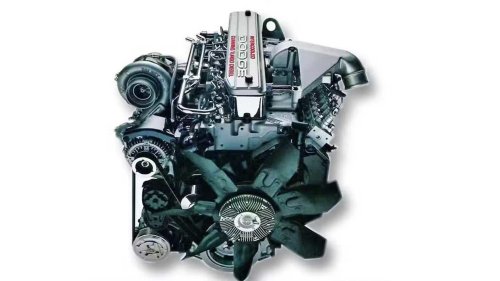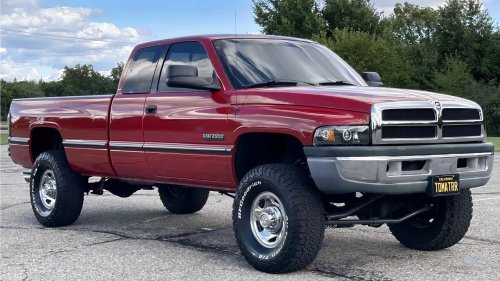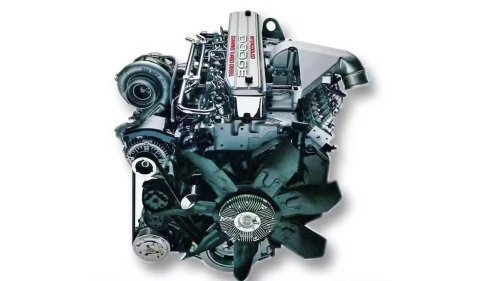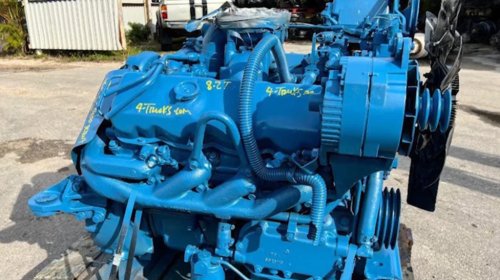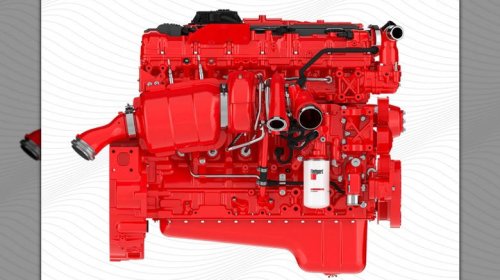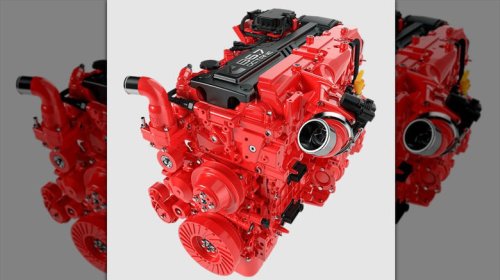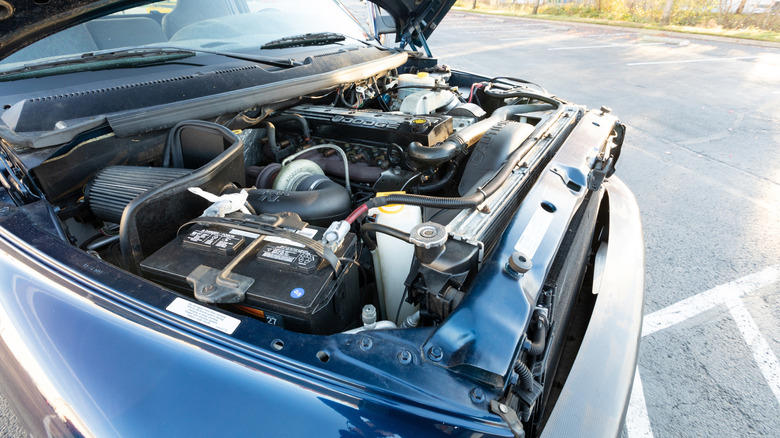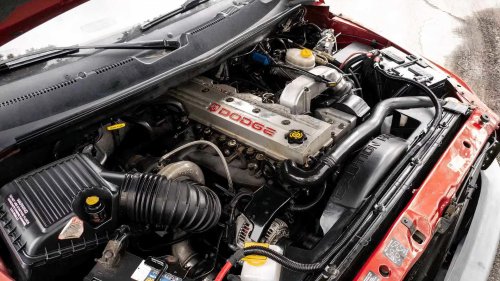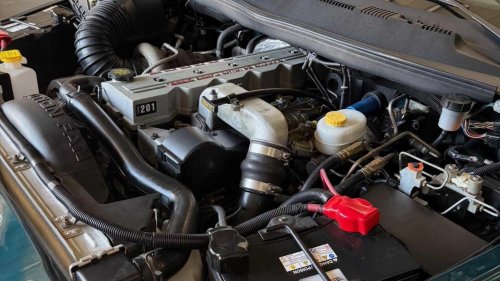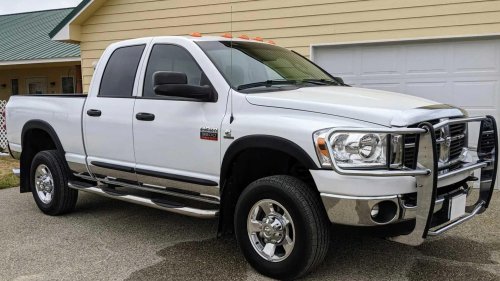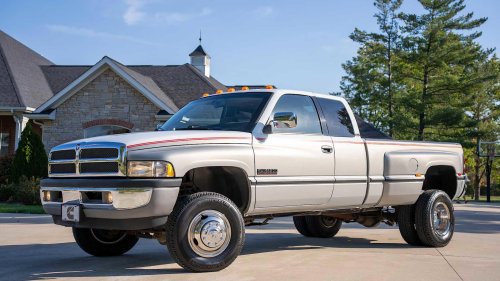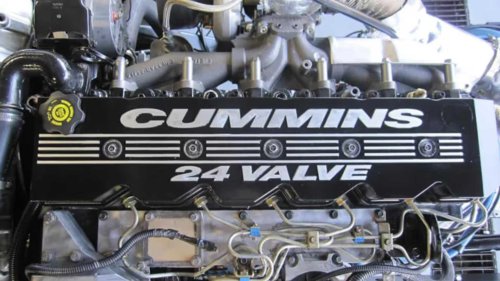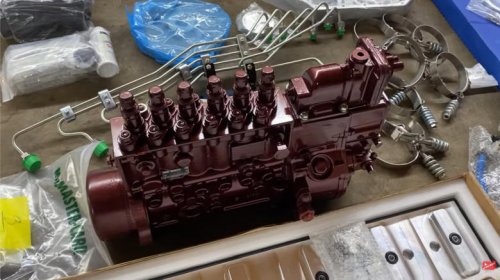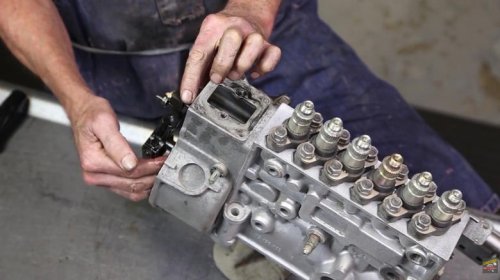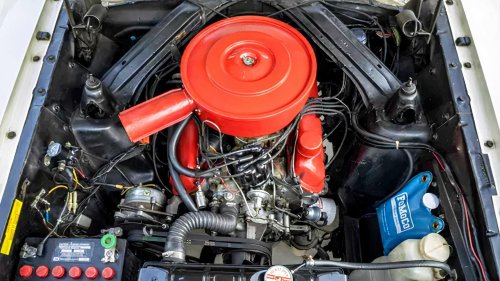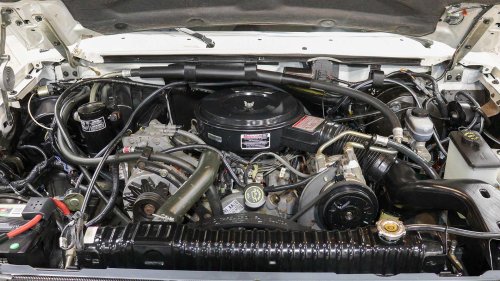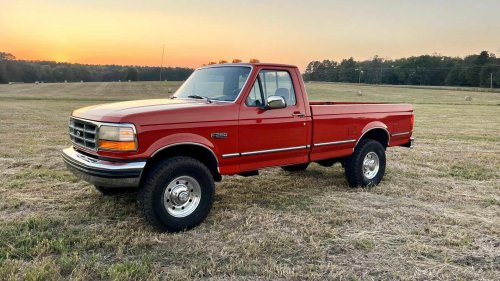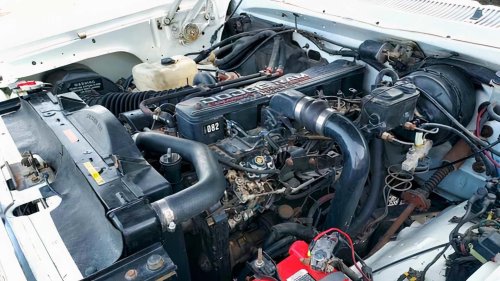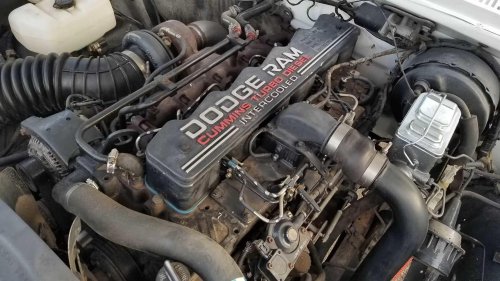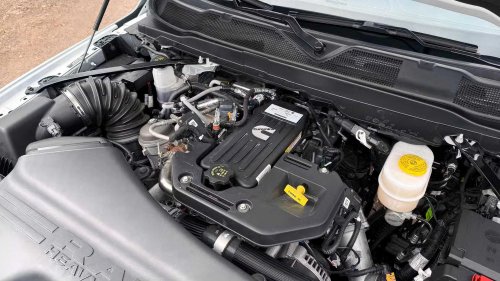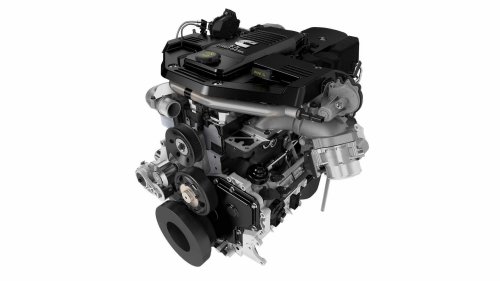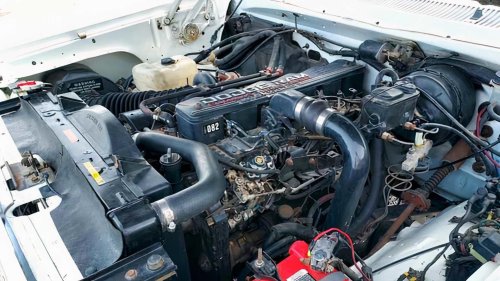
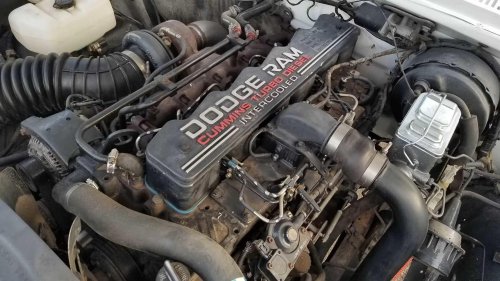
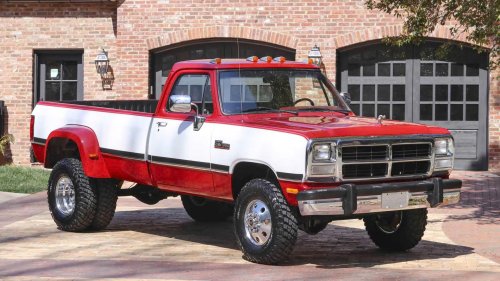
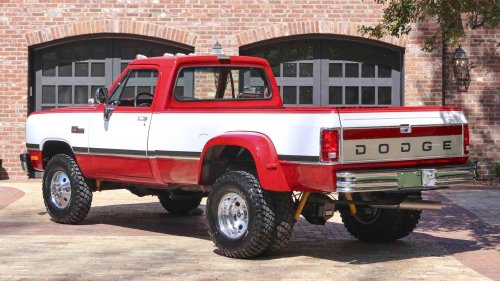
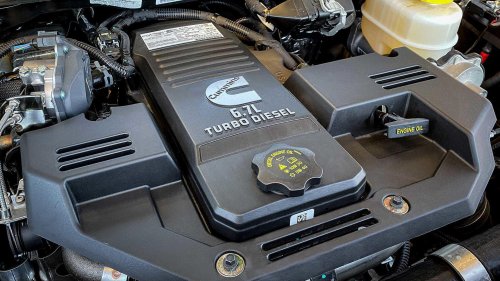
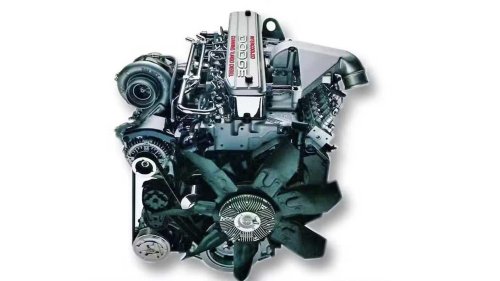



















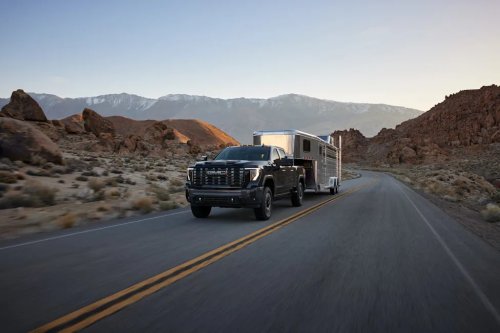





Long after the paint gave up and the seat foam started showing, the old truck still answers the key. It sits behind a barn most days, wearing dents like merit badges and smelling faintly of hay, oil, and bad decisions. Then the starter grinds, the battery sighs, and a hard metallic clatter rolls across the yard. A gray puff clears its throat, and the machine settles into a rough idle that sounds less like transportation and more like farm equipment arguing with winter.It isn’t pretty, sure. It isn’t refined either. It doesn’t sound modern, polite, or even especially legal in some neighborhoods. But it works, and that is the whole point. For trucks equipped with one particular diesel engine, that’s the case every day. The World Needed An Engine That Could Take Abuse Mecum Auctions The job was never gentle. Farm tractors idled for hours in dust, utility trucks hauled weight through heat, mud, and salted roads, and construction equipment ran while everyone around it yelled over backup alarms. Boats pushed against currents, and generators sat ignored in the corner until a storm knocked the lights out, then everyone suddenly remembered their names. Machines like these lived in manure, gravel, rain, hot oil, and jobs that had to finish before dark.In that world, a pretty engine did not make a lot of sense. Owners wanted an engine that started before sunrise, made torque without drama, and tolerated the kind of care that often meant, “It got oil when someone remembered.” The best powerplant for that world had to shrug off long hours, bad fuel, cold starts, heavy loads, and drivers who treated the throttle like a light switch.The best work engines always share a certain attitude. They pull low, drink steady, and keep their parts where mechanics expect to find them. Nobody writes poetry about a water pump that comes off easily, but the mechanic who has to change it sure might hum a happy little tune.By the late 20th century, pickup buyers wanted that same kind of confidence. Many still saw diesels as slow, smoky tools, and that’s fair enough. Some were about as lively as a mailbox with a fuel filter, but people who towed trailers, plowed snow, hauled equipment, or lived far from a dealer wanted muscle that felt commercial, not fragile. From Fields And Work Sites To Mass Pickup Trucks Ram The coming legend was not a giant engine from a locomotive, and it was not a soft luxury-car diesel built to whisper through traffic. It sat in the useful middle with enough size to work hard, but not so much that only a highway tractor could wear it. That middle-ground nature helped it travel farther than anyone first expected. It could fit in equipment, serve businesses, and eventually squeeze into a pickup without turning the front axle into modern art.Its basic recipe sounded almost too simple. Use an inline-six layout, build the block and head from iron. Make torque early, feed it with a straightforward mechanical system, and keep the valvetrain easy to understand. As simple as that.That inline-six layout was quite important. Long crankshafts and six cylinders can make a diesel smooth in a deep, old-school way, even when the rest of the truck shakes like a cheap motel bed. More importantly, the layout leaves room for big bearings, a stout bottom end, and clean airflow. It also gives owners and mechanics a nice, long engine bay centerpiece, which is very easy to work on.Then came the big break. The engine crossed from fields, work sites, and commercial duty into pickup trucks. Ordinary drivers suddenly opened the hood and found something that felt closer to job-site machinery than a commuter vehicle. That changed expectations – a pickup could now feel like a small piece of heavy equipment with cupholders. The Cummins 5.9-Liter 6BT Was A Working Class Hero Mecum Auctions The machine behind the noise was the Cummins 5.9-liter 6BT, the turbocharged inline-six from the Cummins B-series family. In Ram pickups, the first 12-valve version made its reputation by acting less like a passenger-vehicle engine and more like a compact commercial diesel that happened to fit between pickup fenders. It had an iron block, iron head, direct injection, turbocharging, and two valves per cylinder. Its Ram pickup run lasted from 1989 through 1998, before the 24-valve ISB took over in the middle of the 1998 model year.The roots went deeper than Dodge showrooms. Cummins’ B-series came out of a joint development project with J.I. Case, and the first B-series engine left the production line on July 1, 1983. The original family included a 3.9-liter four-cylinder and a 5.9-liter six-cylinder.Mecum Auctions The pickup breakthrough came when Cummins and Chrysler put the turbo diesel into the Dodge Ram for the 1989 model year. The partnership began with a 5.9-liter engine rated at 160 horsepower, and the first Ram application delivered 400 lb-ft of torque. That torque number mattered more than the horsepower because truck people tow with torque and brag about horsepower. It is the diesel version of eating vegetables before dessert. The truck itself still looked like it had been drawn with a ruler, but under the hood, it had a reason to pick a fight with newer rivals.The launch also landed harder than expected. Cummins later said projected sales for the first Cummins Turbo Diesel Ram sat below 5,000 engines, while actual first-year sales topped 20,000. The company later restored a 1985 Dodge Ram D350 that served as the first development truck used to test whether a Cummins Turbo Diesel could work in a Ram chassis. Before its restoration, that same truck reportedly moved parts around Cummins facilities in Columbus, Indiana. It Just Kept Running Mecum Auctions The 12-valve 5.9 was heavy, loud, and agricultural in all the ways modern trucks try to hide. It clattered, vibrated, and made a cold morning sound like someone dumped bolts in a steel drum. Yet those flaws helped create trust. The engine spoke machine language, and it spoke it loudly. Owners could hear work happening, and in a world of plastic covers and fake engine noise, that kind of honesty feels almost rude.Part of the charm came from its lack of fuss. Early 1989-1993 pickup versions used a Bosch VE rotary pump, while 1994-1998 engines gained the famous Bosch P7100 inline pump. The P-pump years became especially prized because the pump could support serious power when paired with more air and fuel. The 1994 update brought the P7100, revised injectors, piston changes, a larger intercooler, and a wastegated Holset turbo. That made the later 12-valve a tuner favorite without turning it into a fragile science project. It also kept the fuel system mechanical, which gave backyard diesel fans a reason to buy wrenches instead of software.Via: Stellantis The numbers now look modest because modern heavy-duty pickups throw around four-digit torque figures like bar trivia. The 1989-1998 12-valve range was rated at 160 to 215 horsepower and 400 to 440 pound-feet of torque, with peak torque down near 1,600 rpm. Direct injection and turbocharging helped it stand apart in an era when some pickup diesels still felt more like fuel-sipping patience tests than towing weapons.Reliability also built its own folklore. Cummins runs a High Mileage Club for Ram Heavy Duty owners, and the brand highlights stories like a Cummins-powered 1992 Dodge Ram 250 returning to the road after sitting for 20 years with 310,000 miles. Another Cummins story details a 2001 Dodge Ram 3500 that passed 1,020,000 miles, with its owners reporting only a head gasket and exhaust manifold replacement over the years. The 2001 truck used a later 5.9, not the 12-valve, but it shows the same basic family’s long-distance reputation. A Legend Built By Work, Not Marketing Stellantis But Cummins used the 6BT name far beyond the truck world. The motor long served in products such as generators, agriculture, construction, healthcare, standby-power, and prime-power applications, along with marine auxiliary, recreational, and commercial uses. Cummins also offers remanufactured 6BT and 6BTA marine packages for repowers, which is a very workhorse thing to offer. Even when one life ends, the engine can get another assignment.That wide spread explains the engine’s deeper appeal. Enthusiasts love the 12-valve because it feels honest, but industries loved it because it earned money. Its direct-injected, turbocharged, mechanical nature gave owners fewer electronic worries than later engines. A mechanic could understand it with tools, ears, smoke color, and a reasonable amount of suspicion. That’s important in a farm shop at 9 p.m., when the nearest dealer closed three hours ago and the parts washer looks like it has seen things no man should see. The engine rewarded practical knowledge, which helped build loyal owners instead of casual buyers.Of course, the engine did have flaws, because legends with no flaws usually belong on posters, not in driveways. One of the most famous 5.9 issues, the “killer dowel pin,” involves a locating dowel in the timing gear housing that can work loose and cause major damage. People know the fix well, which says something important about old diesel culture. A flaw becomes less scary when the community knows where it lives and how to trap it before it eats the engine for lunch. The 12-valve 5.9 6BT became a global workhorse legend because it did the boring things brilliantly. It started with practical roots, moved into pickups, spread across industries, and won trust through heat, load, vibration, bad fuel, long hours, ugly repairs, and owners who sometimes treated maintenance like a New Year’s resolution. It made old trucks valuable, swaps tempting, and diesel fans sentimental about clatter.Source: Cummins, Dodge