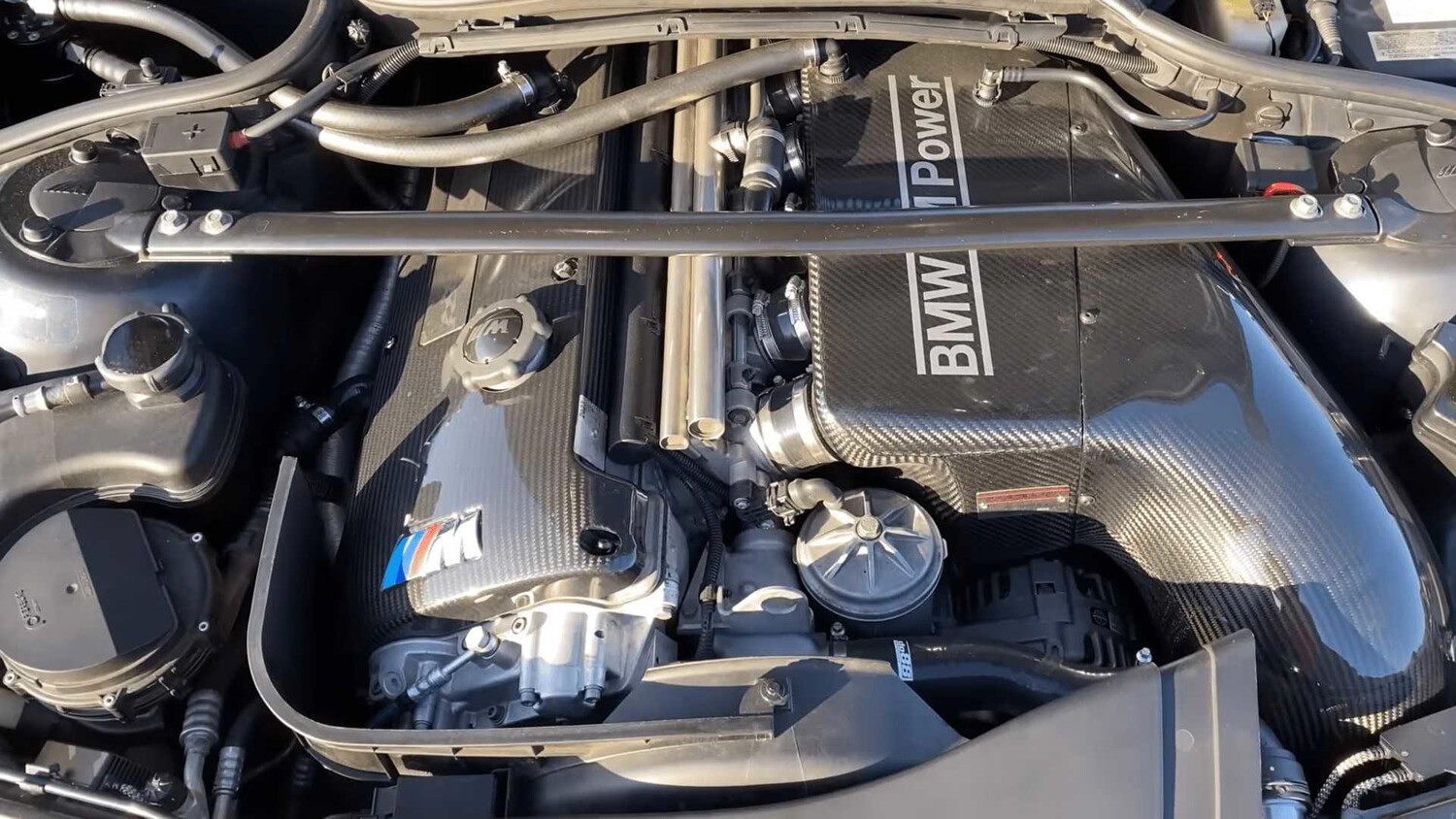
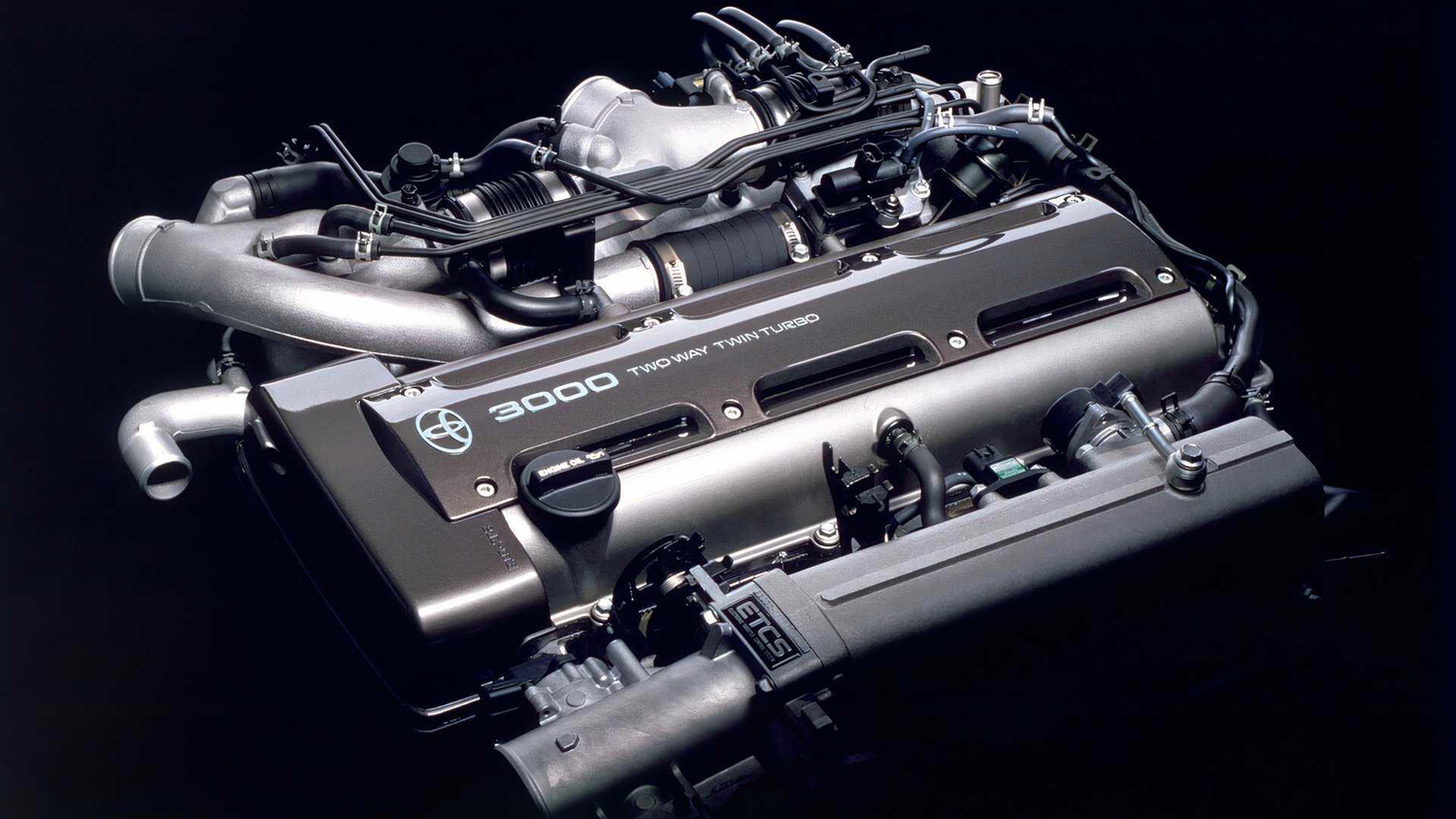
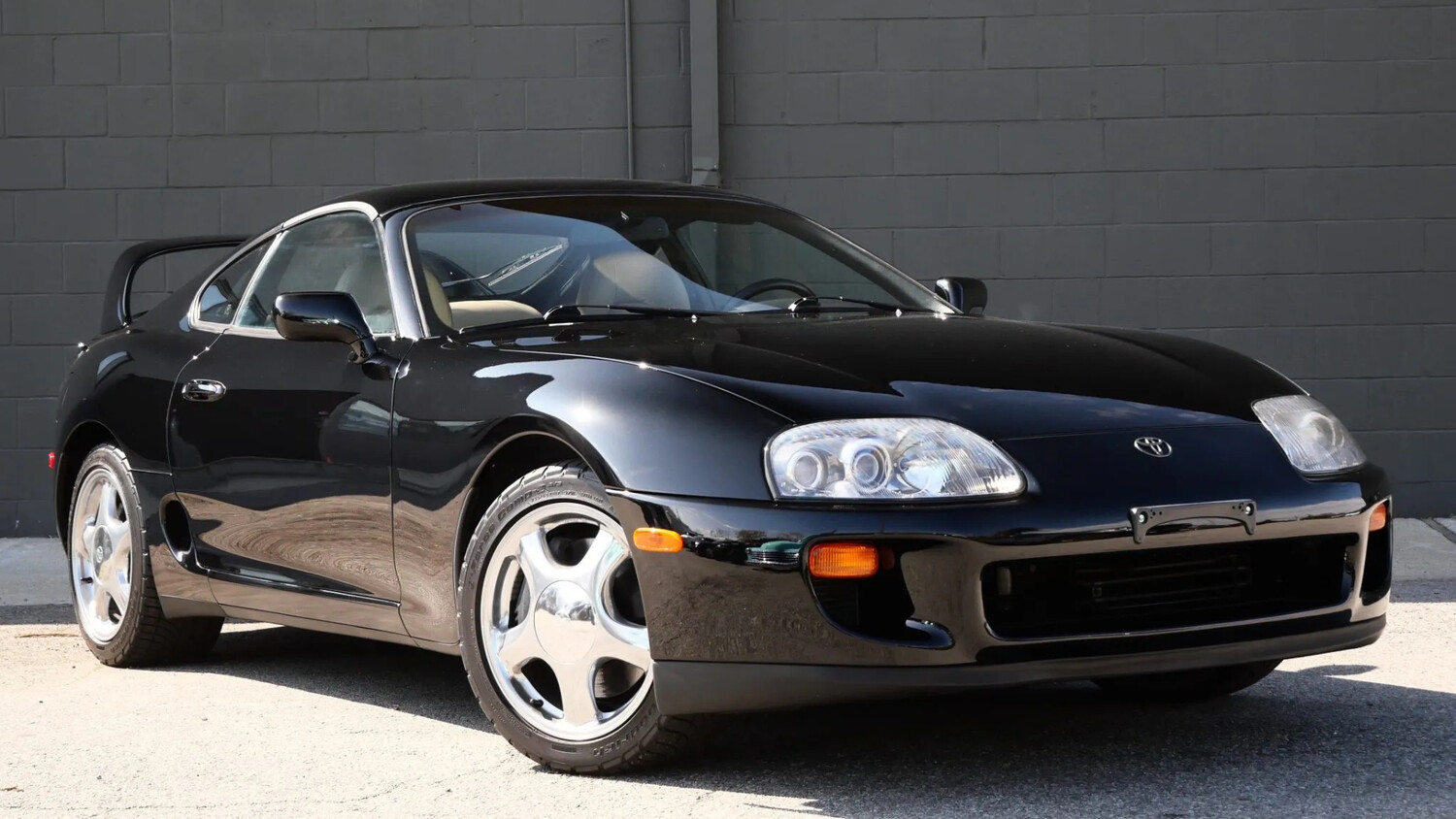
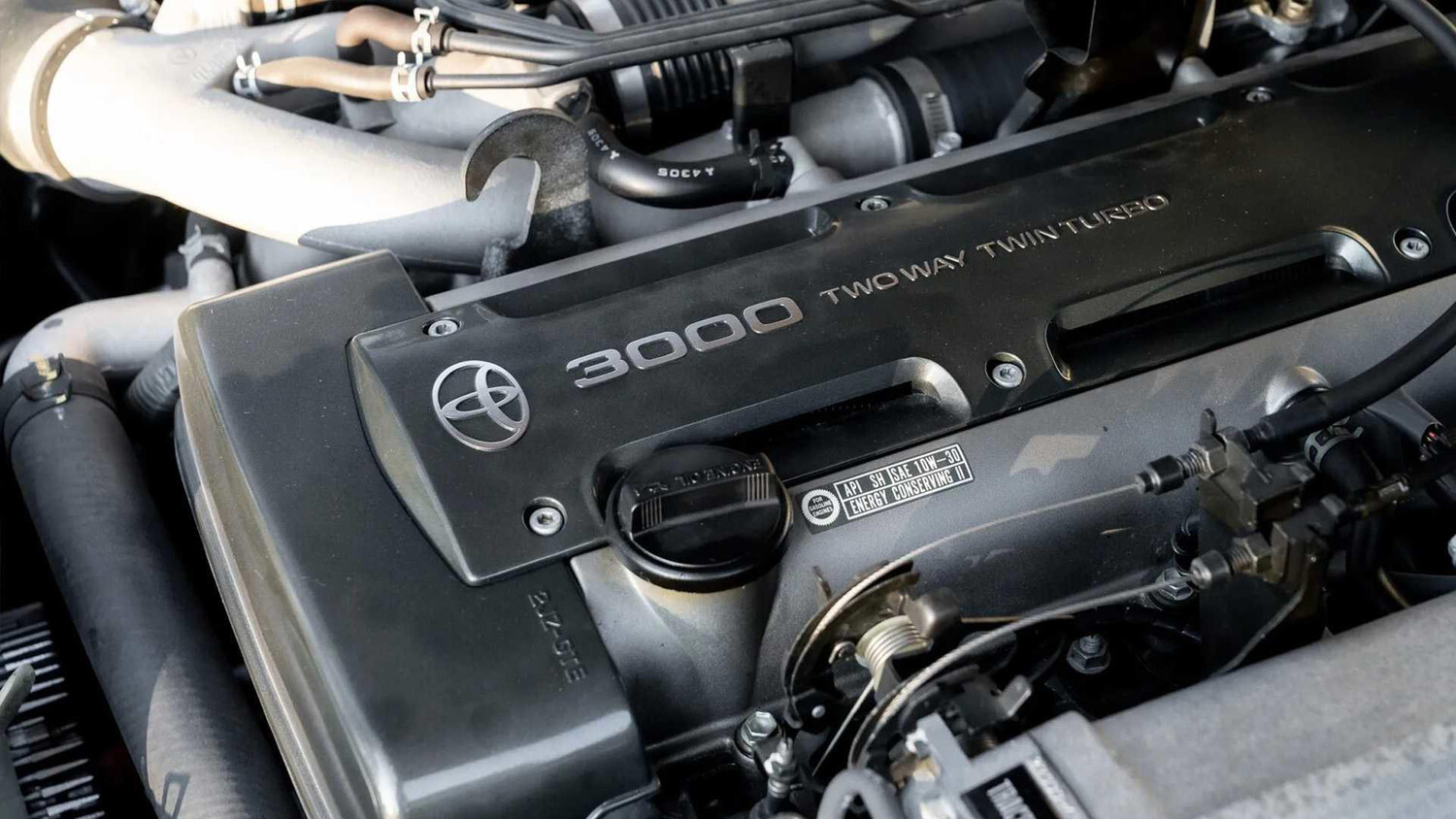
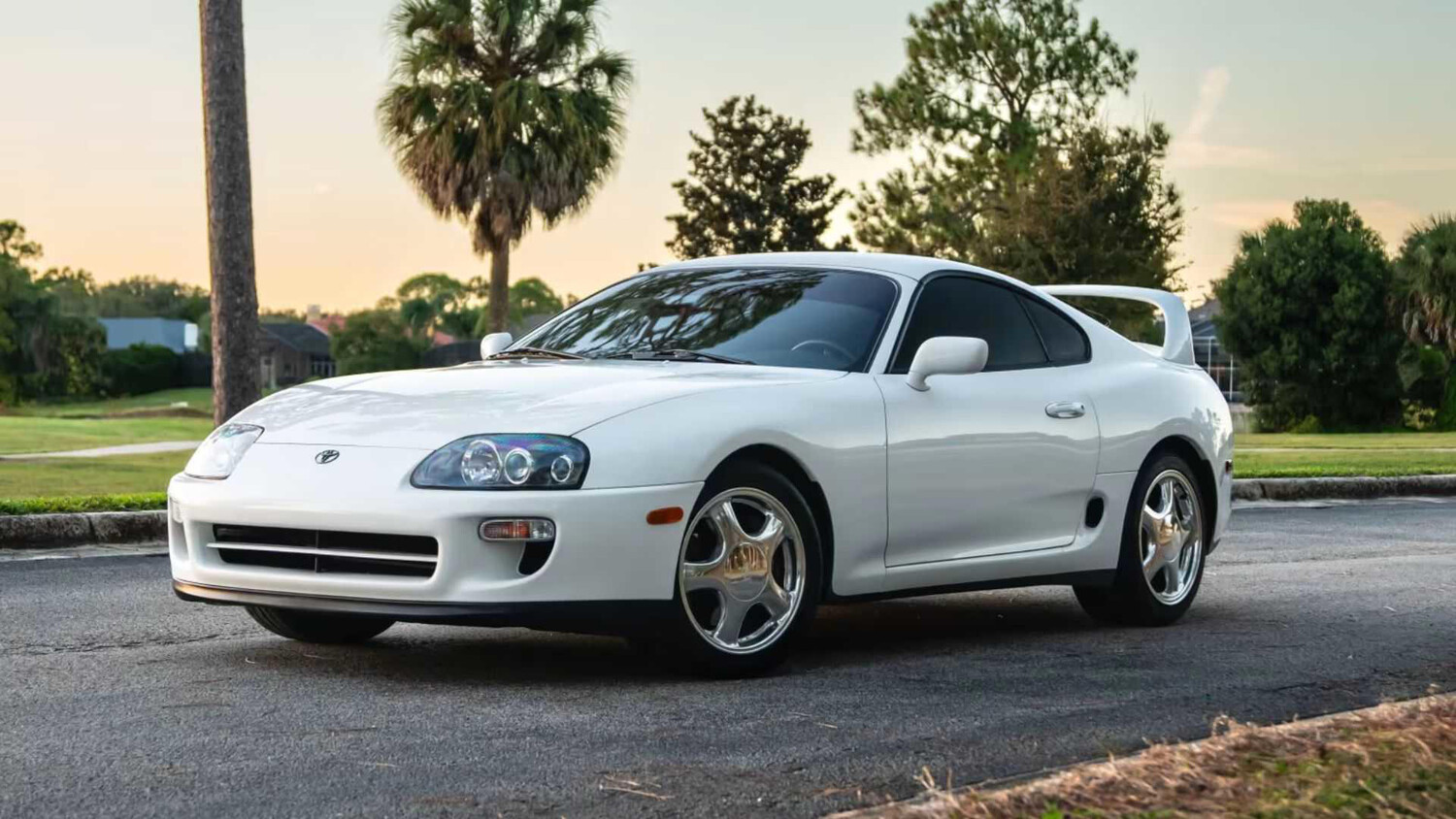
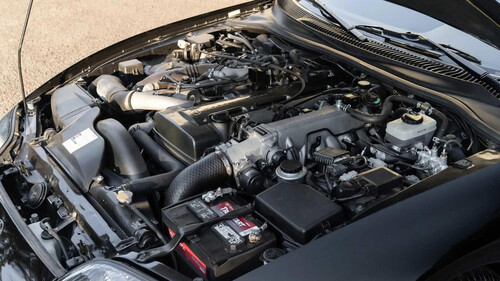
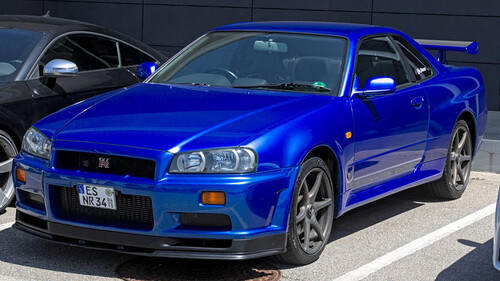
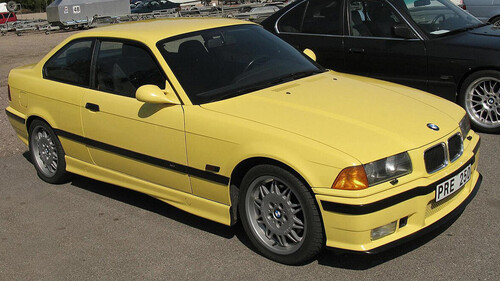
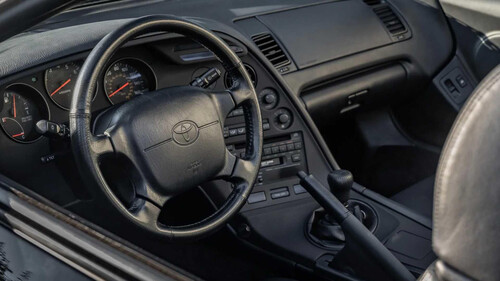
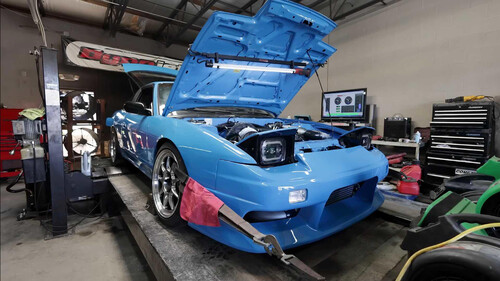
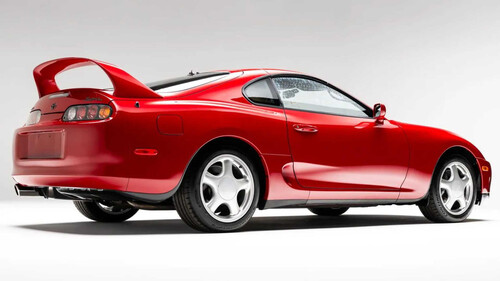
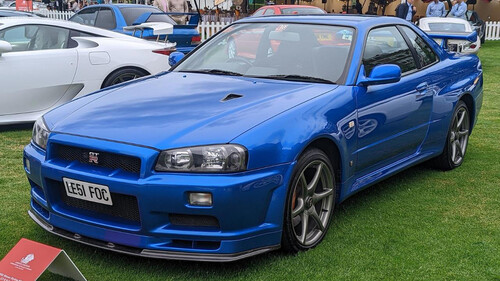
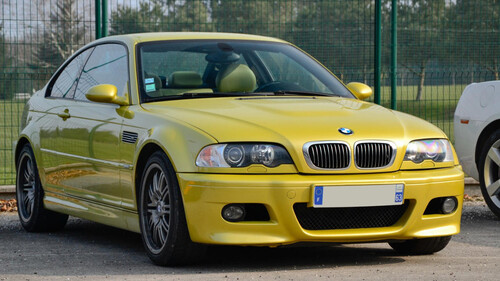
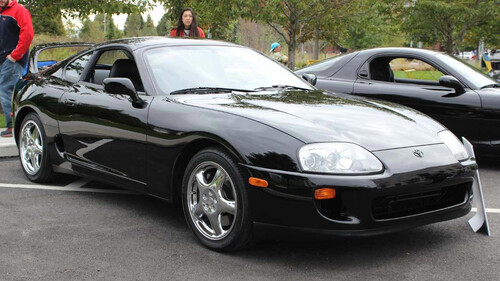
The inline-six engine is a masterpiece of mechanical harmony. While many modern cars use compact V6 layouts for compact packaging under the hood, the straight-six remains the gold standard for driving enthusiasts, with one Toyota standing above the rest. Its secret lies in its natural balance, because the pistons move in symmetrical pairs, the engine cancels out its own vibrations, delivering power with a silky smoothness that a V6 simply cannot match.This layout eventually became a symbol of prestige, defining the identity of the world's most famous performance car brands. Though its long shape creates a packaging challenge for designers, the reward is a pure, unfiltered connection between the driver and the machine. Why The World Fell In Love With The Straight-Six TheSmokingTire/YouTube The history of the automotive world is paved with incredible six-cylinder engines that earned their stripes on the track and the open road. In Germany, BMW perfected the high-revving naturally aspirated experience with the high-revving S54 engine. Found in the beloved E46 M3, this engine is a masterpiece of precision, screaming all the way to an 8,000 RPM redline and representing the peak of German engineering. Across the channel, the British showcased their own flair with the Jaguar XK6. This elegant engine didn't just look good. It powered Le Mans winners and the legendary E-Type, proving that a straight-six could combine endurance with unmatched grace.Stellantis The layout proved its worth in the heavy-duty world as well. The Cummins 5.9-liter diesel became an American industrial workhorse, redefining what a pickup truck could do. Known for its massive torque and ability to last for hundreds of thousands of miles, it turned the Dodge Ram into a legend of reliability. Meanwhile, in Japan, a fierce rivalry was brewing. Nissan created the RB26DETT, a high-tech marvel that powered the Skyline GT-R. Nicknamed Godzilla, this engine dominated Group A racing and became a symbol of JDM performance.NissanWhile all these engines are undisputed masterpieces, one particular power plant managed to climb even higher. It achieved a level of global fame that goes beyond brand loyalty. This engine became famous not just for what it did in a factory car, but for its bulletproof nature and its ability to handle astronomical amounts of power. It has since migrated into engine bays on every continent, from professional drift cars in Europe to drag racers in East Asia. It is the ultimate straight-six survivor, and its story is one of mechanical over-engineering meeting a perfect storm of pop culture. The Myth Of The 2JZ-GTE: The Story Of The Supra’s Turbocharged Engine ToyotaThe story of the world's most famous inline-six engine begins with the Toyota JZ series. Toyota initially developed the JZ family to power its premium sedans and sports cars, starting with the 2.5-liter 1JZ. This smaller sibling was impressive in its own right, available in both naturally aspirated and turbocharged forms. However, the real magic happened when Toyota increased the displacement to 3.0 liters, creating the 2JZ. While the naturally aspirated 2JZ-GE was a common sight in many luxury cars, the twin-turbocharged 2JZ-GTE was the version destined for greatness. This engine was built to be the crown jewel of Toyota's performance lineup.Jean BernardThe 2JZ-GTE didn't stay a secret for long, thanks to a massive explosion in pop culture. Hollywood played a massive role when the Fast and Furious franchise put a bright orange Supra on the big screen. Suddenly, a whole generation of kids wanted a ten-second car, and the 2JZ was the heart of that dream. This fame was amplified by the digital era, where the engine dominated video games like Gran Turismo and Forza. On early internet forums and social media, the Supra vs. The World narrative took hold, showing this Japanese engine embarrassing Ferraris and Lamborghinis in highway pulls and drag races.Bring a Trailer This cultural momentum turned the 2JZ into the face of the global engine tuning movement. It bridged the gap between underground street racing and professional motorsport. Tuners realized they had a platform that could be pushed to the absolute limit without breaking, making it the perfect canvas for creative builds. It wasn't just an engine anymore; it was a cultural icon. Whether you were in a movie theater or playing a game in your living room, the unmistakable sound of a 2JZ turbo spooling up became the universal language of speed and power. Bulletproof By Design: This Engine Can Easily Handle 1,000 Horsepower MecumThe primary home for the 2JZ-GTE was the fourth-generation Toyota Supra Turbo, a car that has since become one of the most collectible vehicles on earth. However, Toyota also tucked this beast into the Aristo, a Japanese-market luxury sedan. This made the Aristo the ultimate Japanese sleeper, offering supercar-level internals in a car that looked like it belonged at a golf course. The reason this engine became so famous comes down to its incredible iron block. Unlike many modern engines that use aluminum to save weight, Toyota used cast iron, which is significantly heavier but also much stronger.This over-engineering of this inline-six made V8 engines look weak. The engine features a forged steel crankshaft and massive main bearing caps that can withstand immense cylinder pressure. When it left the factory, the engine was officially rated at 276 horsepower to comply with a Japanese gentlemen's agreement, but the hardware was designed for so much more.ThatDudeinBlue/YouTube Tuners quickly discovered they could reach 600, 700 or even 800 hp on the stock internal parts. With a few upgrades, these engines frequently push past 1,000 hp, and dedicated drag racing builds have even doubled that figure.This extreme durability made the 2JZ the universal choice for engine swaps. Many competitive drift cars like E36 BMWs find 2JZs under the hood, jetsamming their original inline-6s. In the world of professional drifting, drivers love it because it produces a predictable, wide torque curve that makes it easy to keep the tires spinning.Fastcarmagazine/YouTube In drag racing, its ability to hold massive boost pressure makes it a giant-killer on the strip. It has even found a home in circuit racing and time-attack cars because it can handle the heat and stress of constant high-speed laps. Whether it’s sliding sideways in a Formula Drift event or flying down a drag strip, the 2JZ footprint is found everywhere in the racing world. Is This Engine Worth The Sky-High Price? Bring a Trailer The legendary status of the 2JZ has created a massive financial barrier for enthusiasts today. Prices for the cars that originally carried this engine have transitioned from used car territory into the world of high-end art. A decade ago, you could find a clean MkIV Supra Turbo for $30,000, but in 2026, those days are long gone. Today, a well-kept, stock Turbo model with a manual transmission regularly fetches between $120,000 and $180,000 at auction. If the car has exceptionally low mileage or a rare factory color, it is not uncommon to see prices soar past $250,000, especially as collectors view them as appreciating blue-chip investments.Mecum Because of these astronomical figures, buyers are hunting for the cheapest ways to join the JZ family. The most affordable entry points in today's market are the Lexus GS300 and the Toyota Aristo. You can still find a high-mileage GS300 for around $6,000 to $9,000, though these usually come with the naturally aspirated 2JZ-GE. A clean, imported Toyota Aristo with the twin-turbo 2JZ-GTE factory-installed will typically cost between $25,000 and $35,000. While that is a big jump from a standard Lexus, it remains a fraction of the cost of a Supra for the exact same mechanical heart.Bring a trailer Other popular options include the first-generation Lexus IS300 and the SC300 coupe. A decent IS300 now averages $10,000 to $15,000, while the SC300 has seen a recent surge, often selling for $12,000 to $20,000 depending on the condition of the interior. These cars allow builders to get the 2JZ experience, but they are subject to the JZ Tax, a reality where even a bare, used 2JZ-GTE engine block can cost over $10,000 on its own. Whether you are buying a donor car or a pristine collector piece, owning this piece of history now requires a serious budget.Because the engine is so famous, everything associated with it has become more expensive. From OEM replacement gaskets to used engine blocks found in scrapyards, the cost of entry is higher than ever. Furthermore, the rising cost of parts means that keeping a 2JZ running at a high performance level requires a significant financial commitment. Despite the costs, the demand never seems to slow down. People are willing to pay a premium to own a piece of automotive history that represents the absolute peak of the inline-six era.