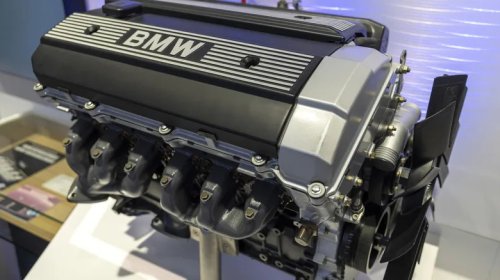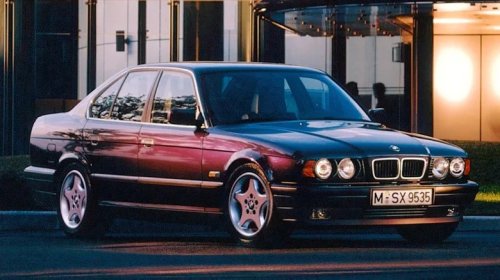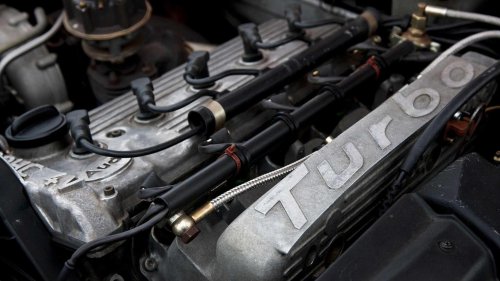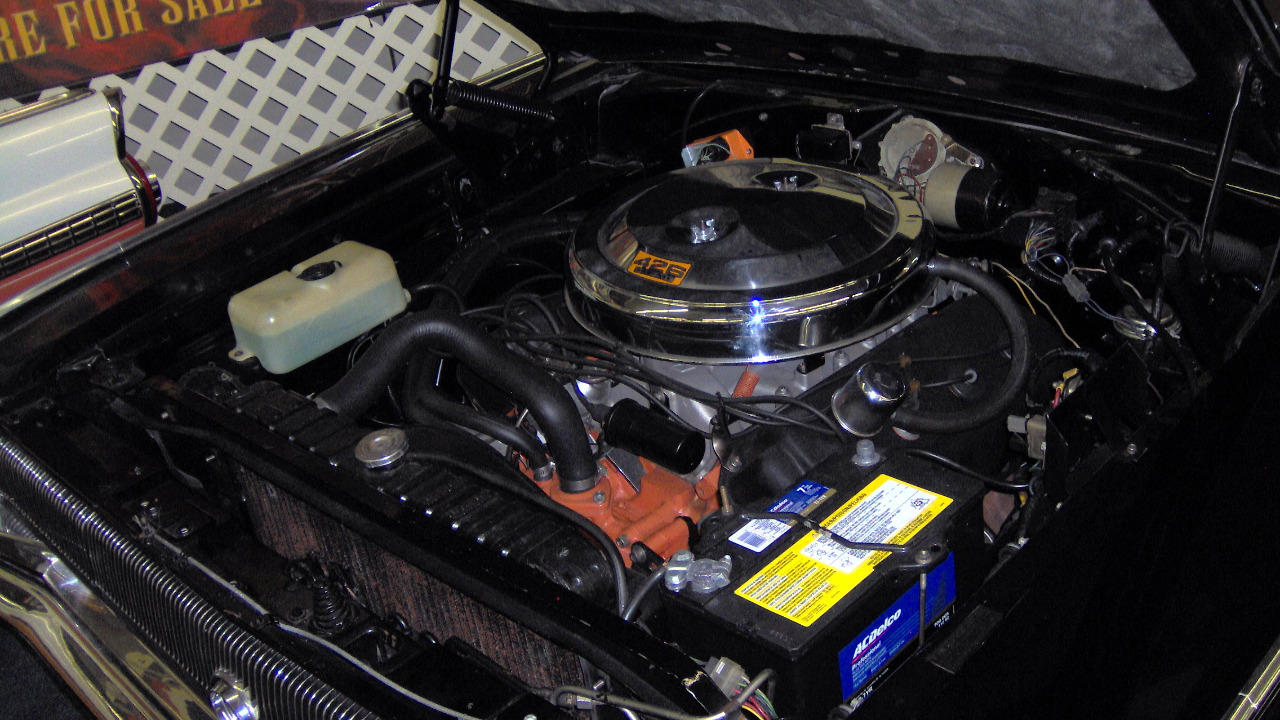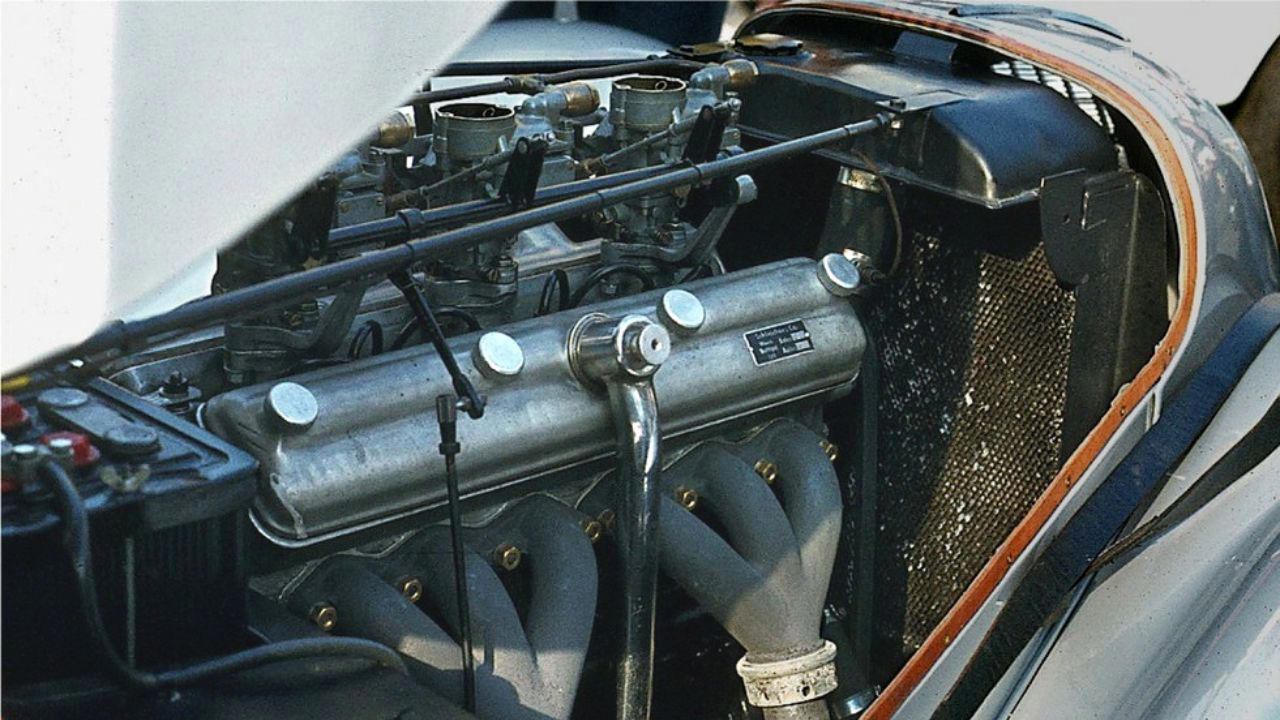
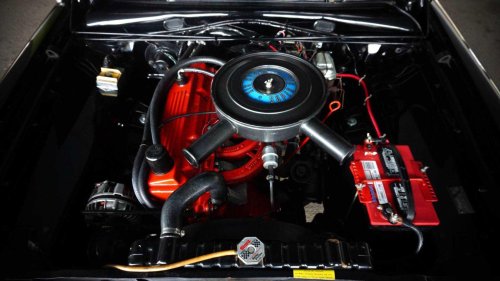
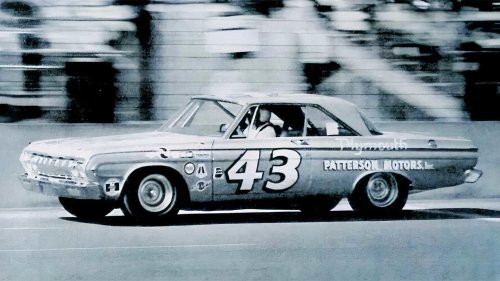
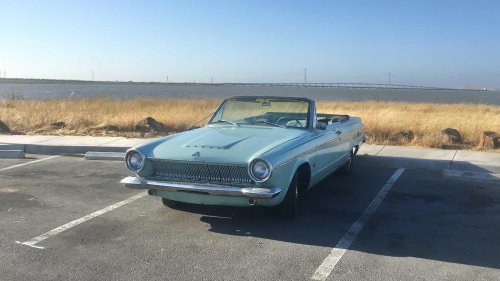




















For decades, fans of American cars have assumed a car needed a V8 to be a muscle car, to be collectible, or to be in any way worth a hoot. But times are a-changing. Enthusiasts in the know have always loved an often-overlooked Mopar engine. With an impressive racing history and technology that changed the industry, it’s catching on for good reason. No, it’s not a HEMI. And yes, it has just six cylinders. The Benefits Of A Straight-Six Engine BMWFor decades, most of Detroit’s front-engine, RWD cars had a V8 option and an inline six-cylinder base engine. Buyers without enough cash for a “bent eight” had to settle for an I6, and this gave the configuration a bad rap. Now, project car enthusiasts are discovering many benefits of the I6 engine.First and foremost, an engine with a single bank of cylinders has many fewer moving parts. It only has one valve train. If it’s an overhead cam engine, it has half as many camshafts. It has half as many head gaskets to fail. This makes it cheaper to rebuild, easier to inspect, and more reliable.An I6 in an engine bay designed for a V8 is often surrounded by excess space. This means it’s easier to reach in and tinker with the engine. And if you want to install a turbocharger or other speed gear, having extra space is critical. The I6 layout means you still have enough cylinders to make some serious power. In addition, many I6 configurations have room for a longer stroke, which translates to large displacement and oodles of low-end torque. Multiple generations of project car enthusiasts have discovered the benefits of I6 engines firsthand. But now, in car shows full of identical V8s, I6s are becoming uniquely cool. One engine with racing history and advanced tech is, arguably, the coolest. The Saga Of The Mighty Slant-Six Bring a TrailerOur story begins in an engine test cell in late 1958. The world’s first Mopar “Slant Six” engine sputtered to life. Chrysler Corporation needed an updated entry-level engine for its cars, and it had decided to pull out all the stops. In hindsight, the Slant Six was blatantly inspired by European powerplants. The prototypes and first two model years were available with weight-saving aluminum blocks. The entire assembly was slanted 30 degrees over—just like the M186 in Mercedes’ 300SL. The 1968 “M30” that seeded BMW’s entire I6 family tree would have an identical angle.The Slant Six engine’s angle allowed the engineers to maintain a long piston stroke while keeping the engine lower and allowing for lower hood lines. It also made extra room for some future performance upgrades. The marketing team wasn’t shy about the improvement, even nicknaming their own engine the “Slant Six” in early promotional material. Chrysler Corporation built 12.5 million Slant Six engines between 1959 and 1991. It is easily one of the most famous engines among motor heads, prized for its durability, ease to work on, and low cost. The Slant Six powered trucks, boats, and multiple generations of compact Chrysler cars. But before all that, the company threw the little engine into NASCAR. And it absolutely dominated. The Chrysler 225 Slant Six Hyper-Pak The Inline-Six Mopar Engine Enthusiasts Quietly Worship Tom Hoover was a Chrysler engineer who saw the big picture. While other teams tried to eke out slightly higher performance numbers with more spark or precise ignition timing, Hoover looked at the engine like an interconnected system. Air needs to come in, the air-fuel mixture needs to circulate, and then the exhaust needs to exit. (Said another way, you could think of an engine as the reverse of a pump.) The easier it is for the system to do each of these things, the more power you can make.This mindset would lead Hoover to resurrect the HEMI as its 426 cubic-inch generation for NASCAR’s 1964 season, resulting in an absolute legend. But before all that, he experimented with some bizarre prototypes. The “High and Mighty” car had a 48-inch intake manifold that began above the roof of the car. Its exhaust system was simply one trumpet for each cylinder. Hope it came with earplugs!Hoover also managed to fit a ram induction system under the hood of a V8 car. So, when Chrysler asked him to build a Slant Six for its racing division, the amount of space beneath the hood must have felt luxurious. The result was Hoover’s “Hyper Pak.” The Slant Six Hyper-Pak is easy to spot. Its intake manifold takes up the majority of the engine bay, ending in a Carter AFB four-barrel carburetor. The exhaust rumble, thanks to a more aggressive camshaft, is hard to miss. The Dealership-Installed Hyper-Pak Many motorsports organizers required Chrysler to use only publicly available parts. For this reason, you could walk into a dealership and order every component of an upgraded Hyper-Pak Slant Six. You could even order cars from certain dealerships with the engine upgrade installed.Components could include the aluminum intake and split (two-piece) cast iron headers. A large muffler. A 276-degree-duration camshaft. A heavier clutch and manual choke control. And finally, high-compression pistons to bump the engine from 8.5:1 to 10.5:1.Not every buyer bought every part, as a true “Hyper-Pak” Slant-Six is a highly tuned engine, not suited to regular driving. But a full Hyper-Pak kit bumped the little engine to 200 horsepower. Rumor has it that Chrysler limited production to several hundred kits. When Chrysler Compacts Swept NASCAR Chrysler CorporationIn 1960, NASCAR decided to try something new. At Daytona Speedweeks, it held an exhibition “compact car” race to explore a new series. NASACAR was, after all, about showcasing stock cars. And compacts were becoming big business.The Chevrolet Corvairs, Ford Falcons, Studebaker Larks, and AMC Ramblers all lined up. But none of them stood a chance. The seven Plymouth Valiants swept places one through seven. All thanks to their Slant Six “Hyper-Pak” engines. Mic drop. Plymouth Could Have Competed With BMW After two short years, Chrysler cut its factory Slant Six racing engine program. This is one of Mopar’s greatest missed opportunities. The Slant Six was remarkably similar to BMW’s legendary M30. A later generation of fuel-injected, slant-six-powered sports cars would have set Chrysler apart from the rest of the Detroit Three and been a fresh take on the pony car segment (I’m looking at you, Plymouth Barracuda Formula S).Admittedly, we would have needed a second, DOHC Slant Six generation with more main bearings and probably a cross-flow head. But Chrysler had a solid platform to build upon. The Slant Six was already a European-inspired engine. If Chrysler had kept up the race program, it might have powered a European-inspired grand tourer—built in Detroit. The Other Cool Mopar Engine Is A Slant Six Most enthusiasts—and even collectors—can’t touch a high-priced original 426 Hemi Mopar. But the Hyper-Pak is emerging as an intriguing alternative. According to the Barn Finds website, a 1962 Dodge Lancer GT with a Slant Six and “Hyper-Pak parts” appeared on eBay with a “Buy It Now” price of $18,000. It’s since been sold. That's low end V8 muscle car money! There are two ways to “invest” in a Hyper-Pak Slant Six. The first is to buy an original dealership-outfitted car, perhaps even one with race history. Such a Plymouth or Dodge would already be a high dollar collector's car, but it might appreciate further. Cars such as the 1962 Lancer listed above may claim to have some or all of the Hyper-Pak parts installed, either by a dealership or enthusiasts later. If those parts have been on the car long enough, they may increase its value among collectors. But there’s one major problem.The issue with dealership-optioned special editions, such as the Slant Six Hyper-Pak, is often documentation. A basic Google search turns up multiple 1964 Darts and even 1970 Dusters that have been modified with “Hyper-Pak parts.” Beware, dealerships likely didn’t install those parts. You can tell by the model year. By the late 1990s, enthusiasts began building reproductions of Hyper-Pak manifolds (namely Dutra Duals). The reproductions add a lot of Cars and Coffee cool factor to an old Slant Six. But they don’t currently do much for collector value. Hot Rodding A Slant Six Henry CesariThe second way to “invest” in a Hyper-Pak Slant Six is to turn a regular I6 car into a Hyper-Pak clone, or even a “tribute” to a specific race car. This is a great way to make your slant six a bit cooler and much sportier to drive.In previous decades, owners of Chrysler “A-Body” compact cars would either V8-swap their vehicle or “suffer” with the Slant Six if they couldn’t afford an engine transplant. There are an increasing number of enthusiasts exploring a third option; you can see them asking around on forums about building up a "Hyper-Pak" car.According to members of the Slant Six forum, true original Hyper-Pak manifolds can resell for $1,000 or more. Members of the A-Bodies Only forum add that other original components, such as the exhaust headers, are virtually impossible to find. (Reproduction components are a more common option.) Prices may be rising because vehicle owners think a Hyper-Pak clone Slant Six will someday be worth money. But there's no guarantee. And as many forum members have pointed out, $1,000 for a manifold alone means that by the time you’ve ordered all the components for a faithful clone, you’ve shelled out V8-swap money. Suddenly, the “cheap and cool” way to modify an old Chrysler compact isn’t looking so cheap. A Slant-Six Owner’s Take Henry CesariI’ve owned multiple Slant Six cars, and absolutely love the engine. In a compact A-Body car, it can keep up with modern traffic just fine. There are many performance options, besides a true “Hyper-Pak.” For example, I had one 1960s car I set up with a 1970s “Super Six” manifold and two-barrel carburetor, which was quite a bit quicker.A Slant Six is a great project car for a motorhead. One of the reasons is the welcoming community, always willing to help out a true enthusiast. You can find us on the aforementioned forums or the Slant Six subreddit. Happy motoring!