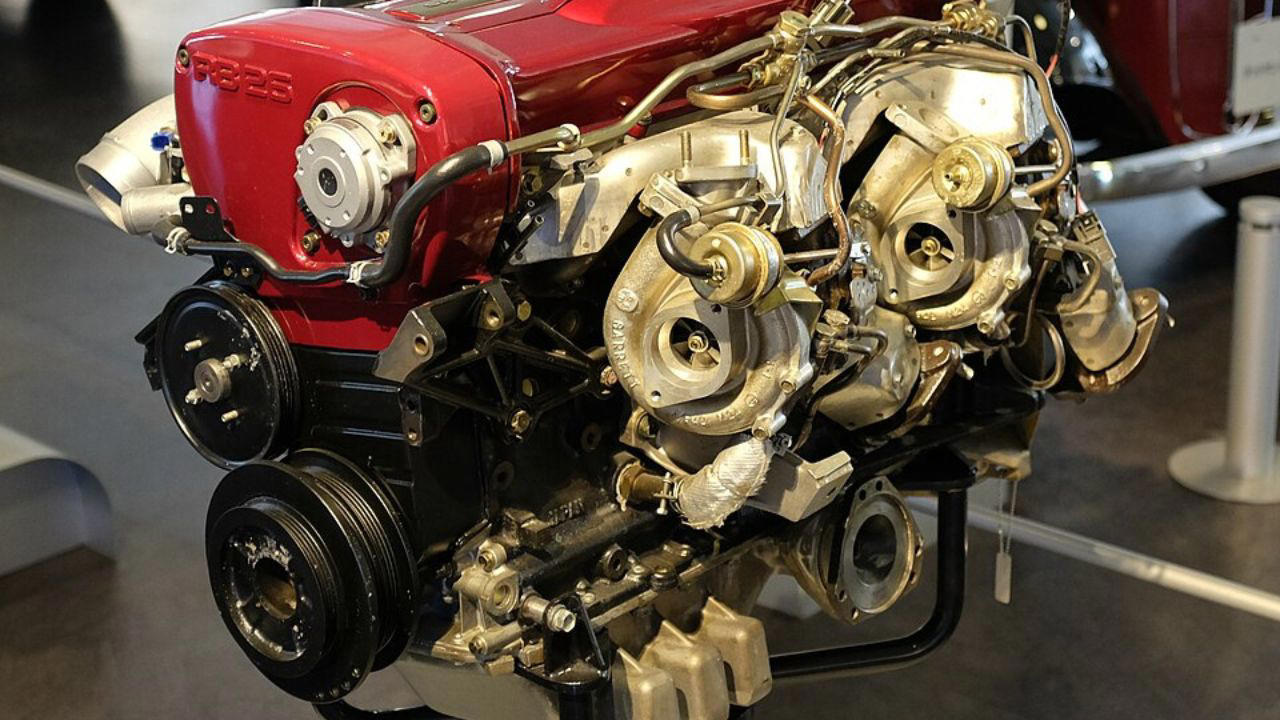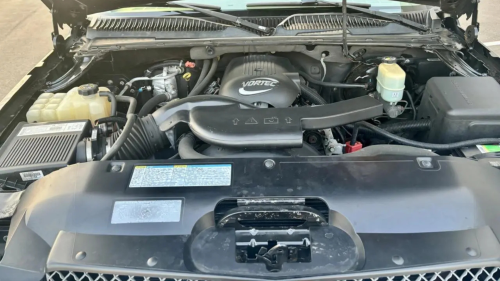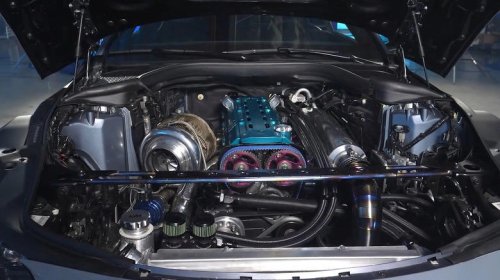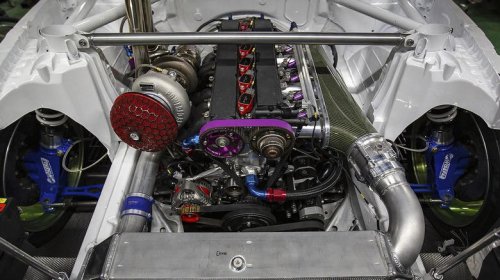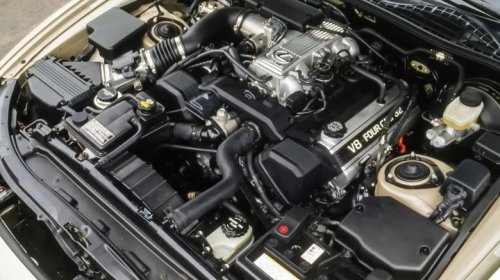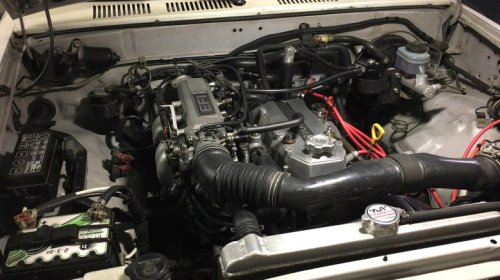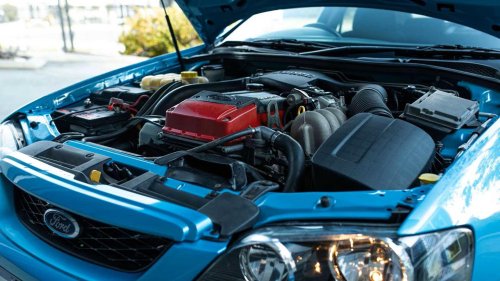
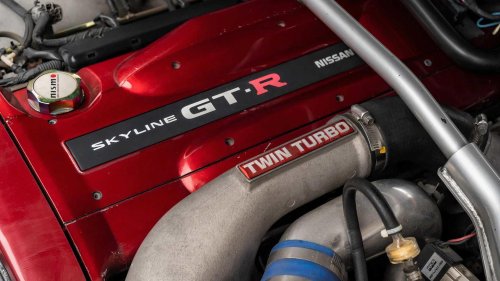
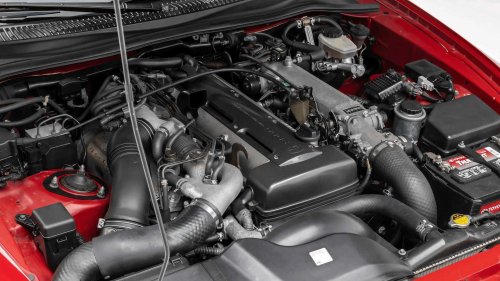
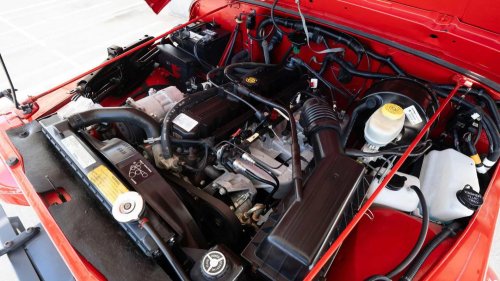
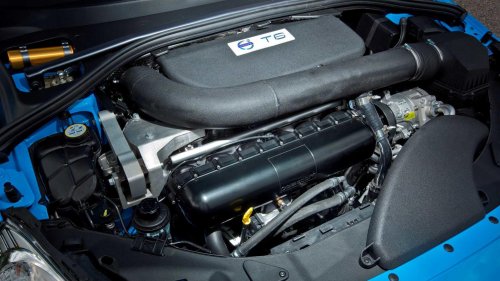
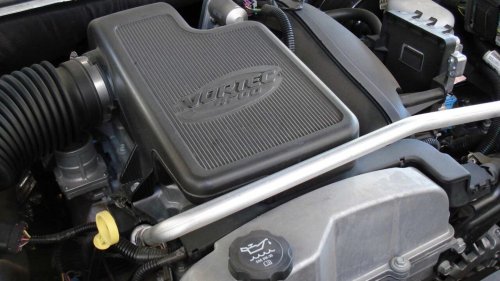



















The inline-six was one of the first engine configurations auto manufacturers experimented with. They quickly realized the benefits of its perfectly balanced layout, and the now-defunct Dutch automaker Spyker is credited with the first automotive straight-six engine, having fitted its 60 HP race car in 1903.While BMW is synonymous with inline-sixes, the automaker didn't develop its first straight-six engine until 1917, and that 19.1-liter monster was fitted to an airplane, not a car. The first automotive engine with this configuration was used in the 1933 303 sedan, three decades after Spyker. But while its headquarters in Munich, Germany, may be shaped like four cylinders, to many enthusiasts, it is the inline-six that defines BMW to this day.But many other manufacturers used inline-sixes for decades as well. While a few, such as Mercedes, Mazda, and Stellantis, have now embraced this layout once again, many older designs have been largely forgotten. We take a look at some great inline-sixes that are no longer with us. Ford Barra 2005 Ford Falcon BA XR6 Turbo 4.0L Turbo Barra I6 Engine 02Ford built several great inline-sixes over the years. One of its last and most memorable was called the "Barra." Developed by Ford Australia, this engine was based on the Intech engines used in the Falcon sedan range between 1998 and 2002. The new Barra engine was intended for use in the new 2002 Falcon and, to complement the several updates carried out to the rest of the car. It featured double overhead camshafts, variable valve timing, and four valves per cylinder. While the powerplant was a significant technological improvement, it was still an understressed unit, producing 244 hp to 261 hp in naturally aspirated form from a 4.0-liter displacement.Turbocharged variants developed up to 436 hp and were fitted to the range-topping Falcon XR6 models. These Barra inline-sixes were also used in the Australian-market Fairlane and Fairmont luxury sedans, as well as the Territory SUV. Unfortunately, the Barra engine never made it to the US. Due to high labor costs, the Geelong production plant, where it was produced, shut down in 2016, spelling the end for this engine as well. Nissan RB 2000 Nissan Skyline GT-R R34 Twin-turbo 2.6L RB26DETT I6 EngineThe Nissan GT-R models achieved legendary status decades ago, and while the recently discontinued version used a V6 engine, every model before it relied on a twin-turbo straight-six to take on the world. It would be hard to argue that the RB26DETT is a "forgotten inline-six," but along with its demise, several other great RB-series inline-six engines powered many Nissan models over the years.The RB engine range was built between 1985 and 2004, with capacities ranging from 2.0 to 3.0 liters. While the earliest motors used carburetors and had single overhead cams with 2 valves per cylinder, the RB25DET and its famous RB26DETT stablemate were highly advanced turbocharged monsters capable of producing well beyond their stated power and torque figures. Toyota JZ Toyota Supra (A80) 2JZ-GTE engine close upVying with the Nissan RB for the limelight as Japan's most iconic inline-six engines are Toyota's JZ power units. The 2JZ-GTE twin-turbo is, of course, the one everybody raves about. However, this engine family also included different states of tune, including naturally aspirated variants. The 2JZ-GE, for example, produced less power than its turbocharged sibling, but its super-smooth power delivery made it a great fit for everything from the base fourth-gen Supra to the Lexus IS300 sedan.The 2JZ ended production in 2007. While the powerplant has certainly not been forgotten by enthusiasts and tuners, it was outlived by one year by an engine that far fewer folks remember: the 1G-FE. This 2.0-liter straight-six was known more for its incredible smoothness and reliability than for its performance potential. The FE stood for fuel economy, though thanks to Toyota's special BEAMS (Breakthrough Engine with Advanced Mechanism System) cylinder-head design, later models produced up to 160 hp. Toyota has not returned to the inline-six layout, but it did use BMW's B58 3.0-liter inline-six in its fifth-gen Supra models, and the final-edition model produced 429 hp in some markets, making it more powerful than any B58-powered BMW model. Jeep AMC 242 Jeep Wrangler 4.0 liter engineProduced for two decades, the long-lived AMC 242 engine was initially made by American Motors Corporation (AMC) and later by Chrysler. During this time, it was upgraded with more advanced fuel injection, a stronger cylinder head design, and distributor-less ignition. The powerplant served several Jeep models, including the XJ Cherokee, Wrangler, and Wagoneer. The engine became known for its durability and strong torque delivery.In 2007, Chrysler replaced it with a 3.8-liter V6, and later with the 3.6-liter Pentastar. Both were more efficient and powerful engines, but neither has matched the bulletproof reliability of the old AMC lump.Stellantis is now Jeep's parent company, and it recently released the 3.0-liter "Hurricane" inline-six. The applications so far have included the latest Wagoneer and Grand Wagoneer models, as well as the Ram 1500 and Dodge Charger. The situation might signal the beginning of a new era for the inline-six, and a return of this configuration to the Wrangler range at some point in the future. Volvo SI6 2014-2018 Volvo S60 Polestar Turbo 3.0L I6 EngineVolvo is all about hybridized inline fours and electric drivetrains these days. In the past, the brand experimented with just about every engine configuration. In fact, its Short Inline Six (SI6) engine was one of the very few transversely mounted inline-sixes ever fitted to a production vehicle.Produced either as a turbocharged 3.0-liter turbo or a naturally aspirated 3.2-liter unit, this engine was used in several high-spec Volvo SUVs and sports sedans, as well as the Land Rover Freelander. Most notable was the punchy S60 Polestar, which combined all-wheel drive with a 300-hp turbocharged engine, proving a viable alternative to the contemporary Audi S4 and BMW 340i. Fast Volvos today are fully electric, and Polestar has become its own brand, creating impressive, futuristic designs, but we sure do miss that straight-six exhaust note. General Motors Vortec 4200 2006 gm ll8 straight-six General Motors still produces a diesel inline-six for its trucks, but it abandoned this layout for gas-powered models back in 2009. The last inline-six engine it built was the Vortec 4200. Vortec stood for the swirling "vortex" motion that its intake system created for the air-fuel mixture, and 4200 referred to the engine's 4.2-liter capacity. The unit also featured variable valve timing and double overhead cams, producing almost 300 hp in its most potent form.It earned a place on Ward's Top 10 Best Engines list from 2002 to 2005 and was fitted to a variety of GM SUVs, including the Chevy Trailblazer, GMC Envoy, and the Saab 9-7X. As GM moved away from the GMT360 platform that underpinned these models, the Vortec 4200 was discontinued with it. There was no direct replacement for this engine. Instead, a variety of smaller turbocharged engines and newer V6 designs took its place. Thanks to a large capacity and robust design (especially in later versions), the Vortec 4200 has become popular with tuners who can extract big power from these engines, especially when turbocharged.Sources: Ford, Toyota, GM, Stellantis, Volvo, Nissan