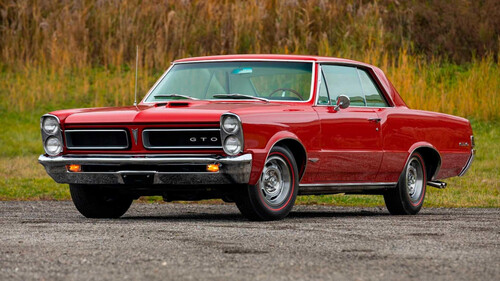
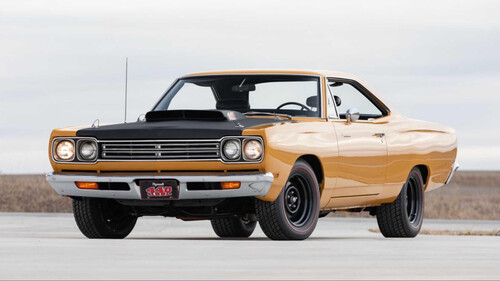
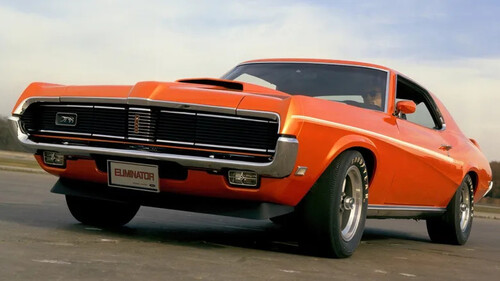
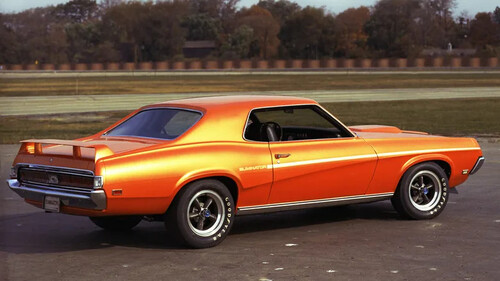
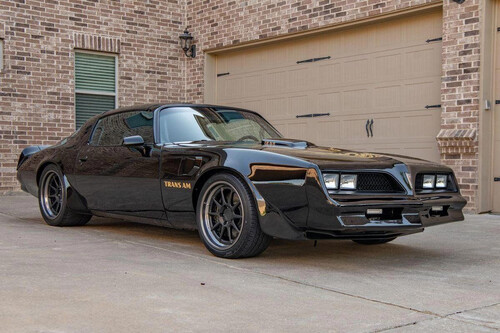
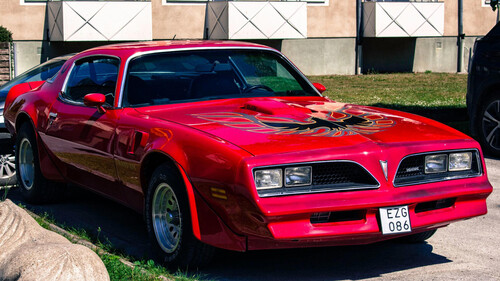
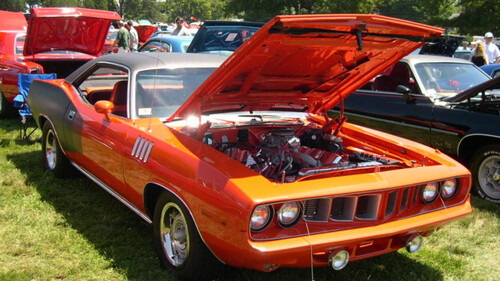
In 1949, NASCAR’s first race featured nine different automakers, including luxury names like Cadillac and Lincoln. Today, the Cup Series is a three-way battle between Chevrolet, Ford, and Toyota. However, the history of the sport is paved by defunct giants who once captured checkered flags. Let's revisit eight legendary brands that shifted NASCAR history before disappearing from the grid.Nash – The 1951 Dirt Track SpecialistNash Motor Company, based in Wisconsin, competed from 1916 until 1957. While they aren't a household name today, they made history in the early 1950s. Hall of Famer Curtis Turner famously drove a Nash Ambassador sedan in grueling road races, proving the brand's durability to a skeptical American public.Nash’s Lone Victory at CharlotteDespite multiple entries, Nash only secured one official NASCAR points win. On April 1, 1951, Curtis Turner dominated the old Charlotte Speedway dirt track. He and runner-up Lee Petty were so fast they lapped the entire field, marking Nash's finest—and final—moment at the top of the podium.Studebaker – The Indiana UnderdogFounded as a wagon shop in 1852, Studebaker transitioned to cars and joined the NASCAR fray in 1951. Though they never became a powerhouse in the top division, they were incredibly popular in the Modified Sportsman Division during the 1960s, keeping the South Bend brand alive in racing circles.Frank Mundy’s Studebaker StreakStudebaker's NASCAR legacy rests on three victories, all achieved in 1951. Driver Frank Mundy secured wins at Columbia Speedway and Lakeview Speedway, while Danny Weinberg grabbed a trophy in California. The brand eventually exited the automotive stage entirely in 1966, ending a century of manufacturing.American Motors – The Matador’s MuscleAmerican Motors Corp (AMC) rose from the 1954 Nash-Hudson merger. By the 1970s, they produced the Matador Coupe, a car with a "brick-like" aerodynamic profile that seemed ill-suited for speed. However, under the guidance of Roger Penske, this unique machine became a formidable threat on the track.Bobby Allison Sweeps Darlington for AMCAMC earned five wins before its 1988 exit. Mark Donohue took the first win at Riverside in 1973. Later, Bobby Allison proved the Matador’s worth by winning three times in 1975, including a massive sweep of both races at the legendary Darlington Raceway, cementing AMC’s place in racing lore.Hudson – The First True DominatorFounded in 1909, Hudson was the first manufacturer to realize that winning on Sunday meant selling on Monday. They didn't just participate; they funded their operations like a modern pro team. This strategy birthed the "Fabulous Hudson Hornet," the car that defined the early 1950s era of NASCAR.Three Consecutive Titles for the HornetHudson’s investment paid off with 79 wins and three straight Manufacturers Championships from 1952 to 1954. Legends like Herb Thomas and Tim Flock piloted the Hornet to three driver titles. In 1952 alone, Hudsons won a staggering 27 of 34 races before the brand merged with Nash.Mercury – The Hot Rodder’s ChoiceCreated by Ford in 1938, Mercury was the stylish middle ground for performance fans. Known for "lead sled" custom cars, Mercury was a staple in the very first Strictly Stock race in 1949. Though Ford shuttered the division in 2011, its racing impact remains legendary among enthusiasts.Wood Brothers Racing’s Mercury MagicMercury’s golden era ran from 1968 to 1978, largely thanks to Wood Brothers Racing. Drivers like David Pearson and Cale Yarborough piloted Mercury cars to 59 of the brand's 96 total wins. Despite nearly 100 victories, Mercury never managed to secure a driver or manufacturer championship.Oldsmobile – The Rocket 88 RevolutionOldsmobile changed the game in 1949 with the "Rocket 88" V-8 engine. This innovative powerplant was a favorite for both NASCAR racers and moonshiners due to its speed. The brand won the first two Manufacturers Championships in 1950 and 1951, proving General Motors' engineering might early on.Harry Gant’s Final Oldsmobile VictoryAfter a quiet period, Oldsmobile surged back in the late 1970s on superspeedways. The Cutlass became a dominant force for stars like Cale Yarborough. The brand's final win came in 1992 at Michigan via Harry Gant, before General Motors retired the historic nameplate in 2004.Pontiac – From Stodgy to SportyInitially a reliable middle-class brand, Pontiac rebranded itself around high performance in the late 1950s. This shift led them straight to NASCAR success. In 1961, Pontiacs won 30 of 52 races, and Fireball Roberts swept the 1962 Daytona events, including the Great American Race.Tony Stewart’s Championship FarewellPontiac amassed 154 wins before GM’s 2009 bankruptcy led to the brand’s demise. Rusty Wallace took a title in a Pontiac in 1989, and Tony Stewart earned the brand's final championship in 2002. Ricky Craven’s 2003 Darlington win stands as the final victory for the "Wide Track" brand.Plymouth – The Hemi Powered GiantLaunched in 1928 as an economy brand, Plymouth eventually became synonymous with muscle. Using the famed 426-cubic-inch Hemi engine, Plymouths dominated the 1960s. Despite being gone since 2001, the brand still ranks fourth all-time in Cup Series wins, sitting high above modern competitors like Toyota.Richard Petty’s Record-Breaking RunRichard Petty and Plymouth formed the most iconic duo in NASCAR history. In 1967, "The King" won 27 races—including 10 in a row—in a Plymouth, a record that likely will never be broken. Though the brand stopped winning in 1973, its 191 victories remain a testament to Chrysler’s racing legacy.