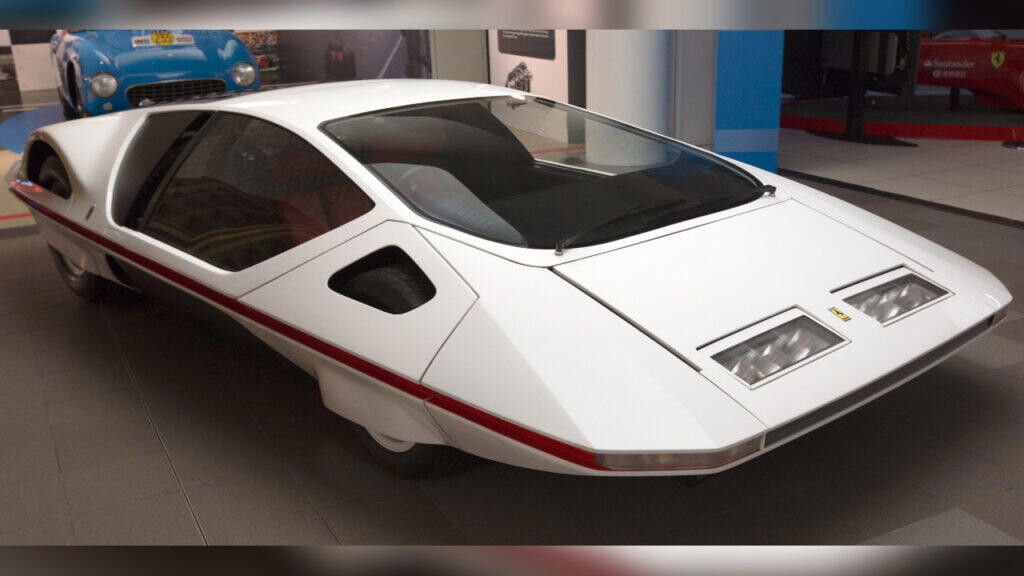
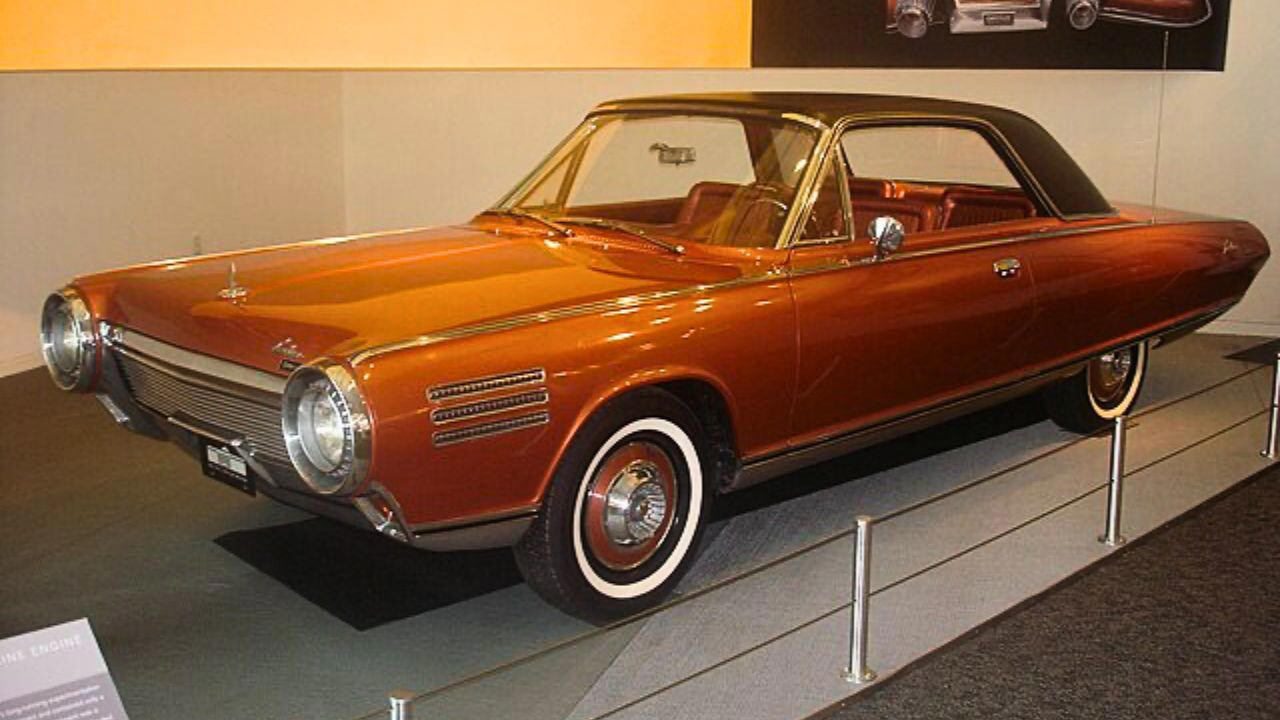
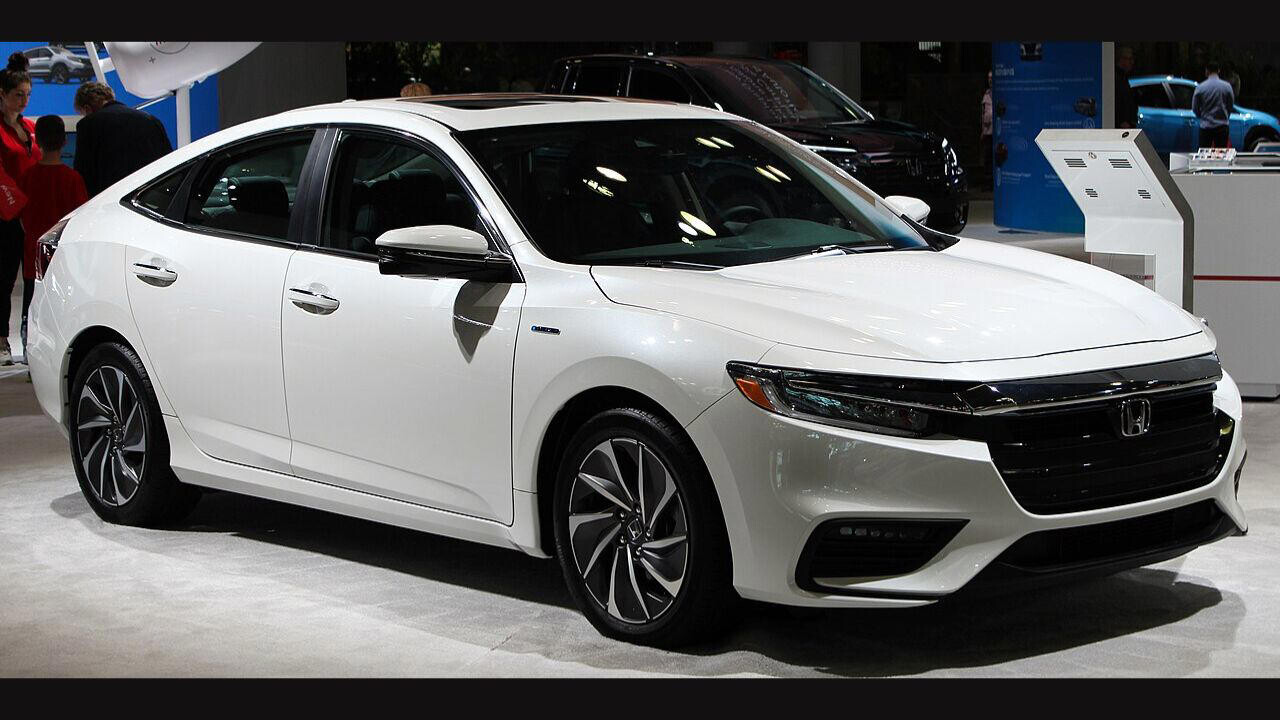
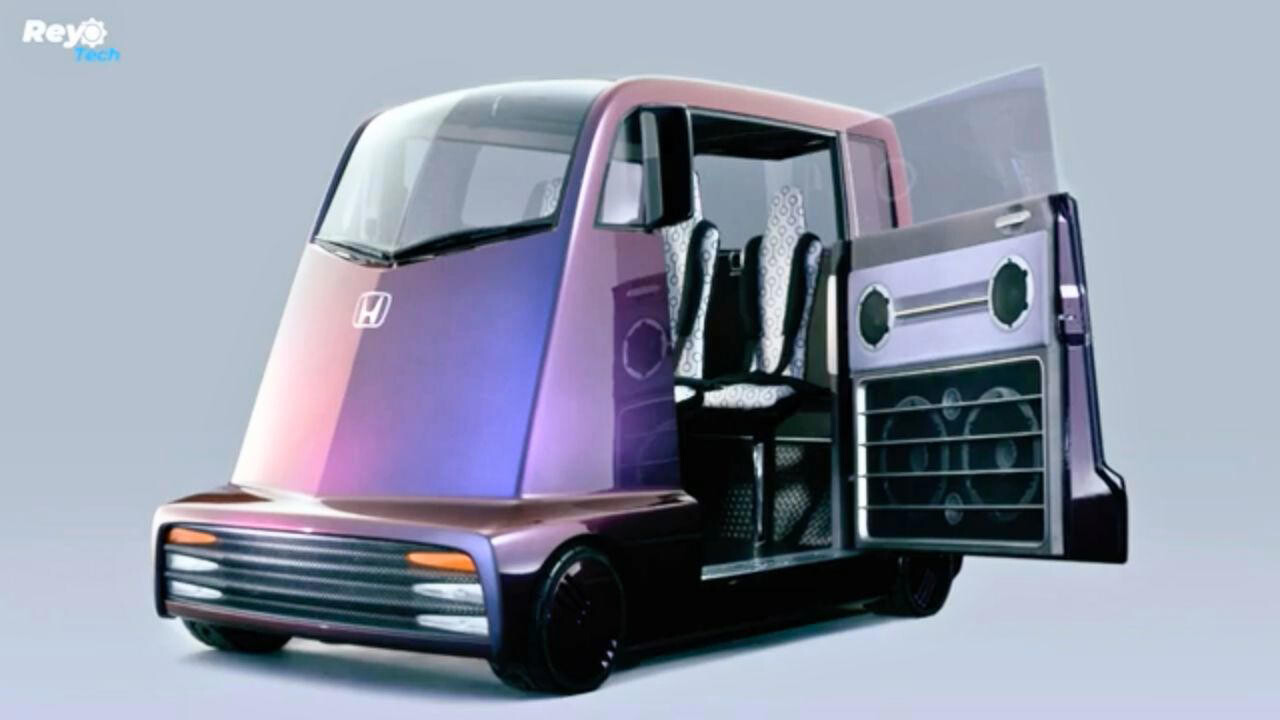
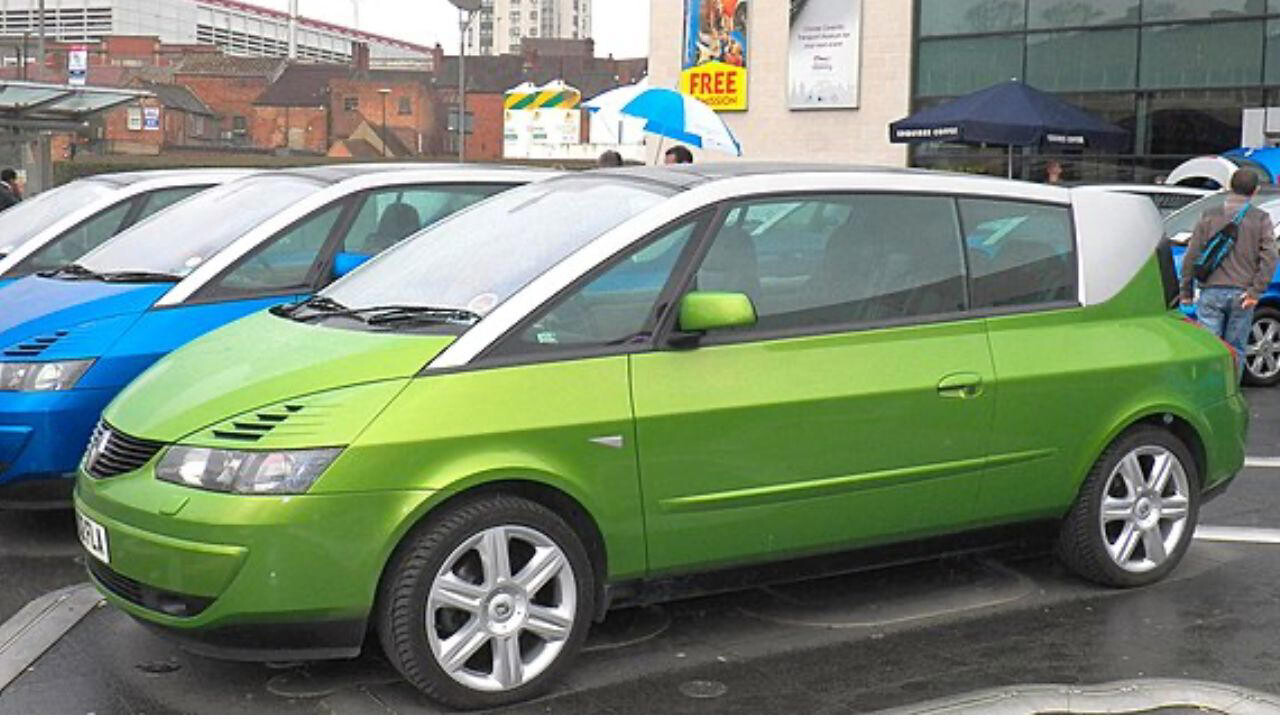
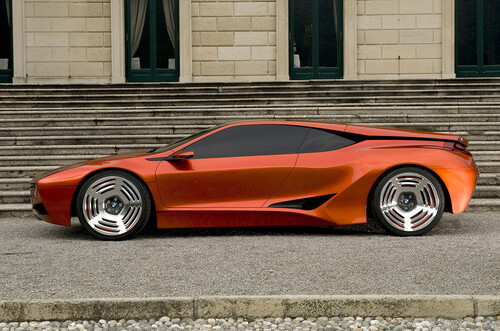
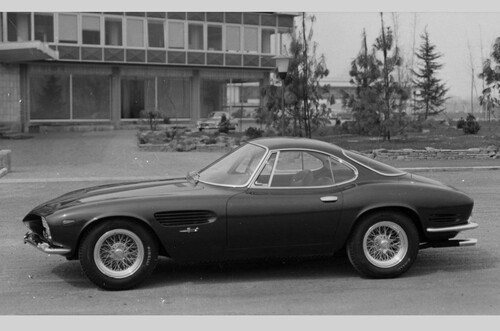
Automotive manufacturers sometimes like to push the boundaries of what’s possible. Bright ideas are put into practice via a concept car or prototype that sometimes works and sometimes doesn’t. However, it shows that manufacturers are not afraid to innovate and experiment. This list contains ten of those cars, proving how innovative some companies can be. Some of these ideas did make it beyond the prototype stage, while others were left alone as prototypes once it became clear that they were never going to work. Ferrari Modulo Image Credit: Morio, CC BY-SA 3.0, Wikimedia Commons. The Ferrari Modulo was a one-off concept car built by Ferrari in 1970 and designed by the legendary Pininfarina design house. The Maranello company took the covers off the car at the 1970 Geneva Motor Show, and its power came from a 5.0-liter V12 that produced 550 horsepower. Starting as a Ferrari 512S chassis, the Modulo had a low wedge shape with a sliding glass canopy to allow entry and exit into the car. While the concept won 22 awards, Ferrari never pursued it any further. In 2014, Pininfarina sold the car to James Glickenhaus, who restored it to complete working order and made the Modulo road legal. Lamborghini LM002 Image Credit: Berlin13407, CC BY-SA 3.0, Wikimedia Commons. Lamborghini isn’t the first company you’d think about when it came to an off-roader or SUV, but in the mid-1980s, that is precisely what it produced. Learning from its failed Cheetah and LM001 projects, the LM002 was a radical SUV with a pickup bed featuring a front-mounted 5.2-liter L503 V12 engine. That V12 was good enough for 444 horsepower and 369 lb-ft of torque. However, the addition of a substantial 7.2-liter marine V12, found in class 1 offshore powerboats, saw that power rise to 700 horsepower, a massive increase over the standard model. Chrysler Turbine Car Image Credit: Karrmann – CC BY-SA 3.0, /Wikimedia Commons. One of the most outlandish concepts was the Chrysler Turbine Car, produced by Chrysler from 1963 to 1964. This innovative machine powered by a turbine engine featured a body designed by the Italian studio Carrozzeria Ghia. The idea was to see if turbines offered a better alternative over ICEs, and Chrysler found they could operate on many fuels, ended less maintenance, and lasted longer. Chrysler built 55 Turbine Cars, with 50 of those used by the public in a testing program to evaluate the car’s potential. What Chrysler found, though, was that the turbines were much more expensive to produce, with other problems, such as their starting procedure coming to light. The program was abandoned in 1979. First Generation Honda Insight Image Credit: Kevauto – Own work, CC BY-SA 4.0, via Wikimedia Commons In the late 1990s, Honda introduced the first generation Insight, its first-ever hybrid production car and the first to go on sale in North America. The radical-looking coupe had a superbly efficient body, with a drag coefficient of just 0.25, making it the most aerodynamic car in the world at the time. Power came from a 1.0-liter ECA1 inline-three and a 13-horsepower electric motor. The hybrid powertrain and aerodynamic body allowed Insight to have a combined fuel economy rating of 53 MPG. Honda would produce two more generations of the Insight, the final made from 2018 to 2022. Porsche 919 Street Image Credit: Damian B Oh – CC BY-SA 4.0, /Wikimedia Commons. Following the success of its Porsche 918 Spyder, Porsche started working on a successor. They decided upon a road-going version of the insane Porsche 919, its Le Mans LMP1 prototype that won the 24-hour race in 2015, 2016, and 2017. The 919 Street would have had up to 900 horsepower, using a hybrid powertrain developed from its LMP1 car. However, Porsche never pursued it beyond a concept, with it only taking the covers off in 2020 after they unveiled a handful of concept designs to the public. Dymaxion Image Credit: Supermac1961 from CHAFFORD HUNDRED, England – CC BY 2.0/Wiki Commons Inventor Buckminster Fuller designed the Dymaxion in the 1930s as his attempt to create as aerodynamic and efficient a car as possible. Fuller also hoped that the Dymaxion might one day be a vehicle that could fly, so he dubbed the car part of his idea the ‘ground-taxiing phase’ of the vehicle. While it looked striking and was very aerodynamic, Fuller never made it past three prototypes before the project was scrapped. One prototype was destroyed in a crash, killing its driver, although one prototype has survived, and two replicas have been built to bring the number back up to three. Mazda Autozam AZ-1 Image Credit: Tennen-Gas, via Wikimedia Commons, CC BY-SA 3.0 The Mazda Autozam AZ-1 is a Japanese Kei car that started with the Suzuki concept. Suzuki came up with the AZ-1 in the mid-1980s. However, they later abandoned it to create the Cappuccino instead. Mazda then took over the design project and pursued it to make the exceptional AZ-1. The AZ-1 might have been a Kei car, but it had proper sporting credentials. One of them was a lightweight chassis, and it even had gullwing doors, which is not a feature you would expect on such a small vehicle. The AZ-1 took its power from a 657 cc turbocharged inline-three capable of 64 horsepower and 63 lb-ft of torque. Honda Fuya-jo Image Credit: ReyTech /Youtube Honda isn’t afraid to push the limits, but it usually does so within the realms of reality. The insane Fuya-jo, however, unveiled at the 1999 Tokyo Motor Show, is one of those few occasions where it went completely off the rails. The insane-looking two-door car was designed to appeal to youngsters. The Fuya-jo was meant to be a mobile nightclub, with an interior resembling one and a dashboard resembling DJ decks. As you can imagine, Honda never went beyond the prototype stage with the Fuya-Jo, which is perhaps for the best. Peugeot 1007 Image Credit: M 93, CC BY-SA 3.0 de, /Wikimedia Commons. Designed in the early 2000s, the Peugeot 1007 was a French manufacturer’s attempt to create a more practical supermini. Of note was its three-door layout, with two sliding doors at the side to allow for easier entry and exit from the car. The 1007 also had user-swappable interior trim pieces and a unique four-pillar design. Soon, though, the gimmicks began to wear away. The doors were incredibly slow, and they became a liability. Coupled with their electric motors, they were also heavy, meaning the 1007 handled like a tug boat. Plus, while they helped access the front of the car, getting into the back was actually more difficult than with a standard four-door vehicle. Renault Avantime Image Credit: By Conrad Longmore – CC BY 2.0, //Wikimedia Commons. Highlighting how crazy French car design could be was the Renault Avantime. Introduced in 2001, the Avantime was designed as a one-box with no B-pillars. This means you could lower all the windows but keep the roof up with no pillars down the side, interrupting the airflow. The Avantime also had double kinematic doors, allowing you to easily get in and out of the car in tight parking spots. It was a very clever car, but consumers in Europe failed to take to it, and Renault never homologized it in the USA. Renault abandoned the Avantime after just two years in production, selling just 8,577. More from Fast Lane Only Unboxing the WWII Jeep in a Crate 15 rare Chevys collectors are quietly buying 10 underrated V8s still worth hunting down Police notice this before you even roll window down