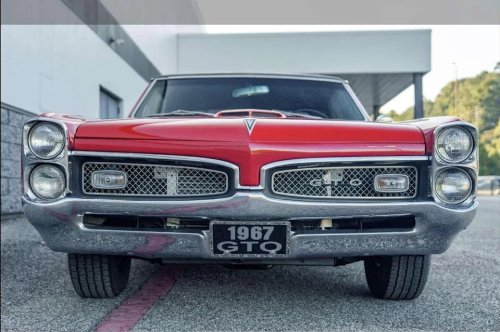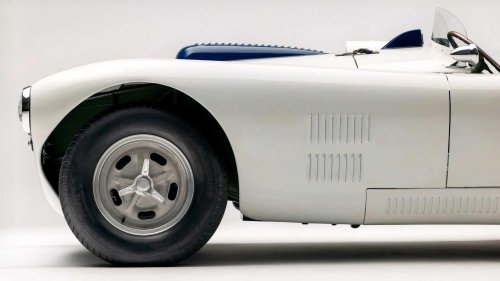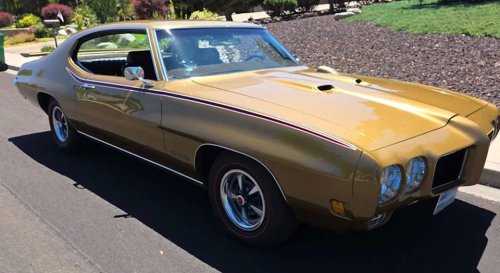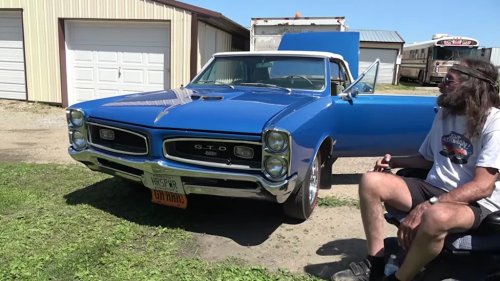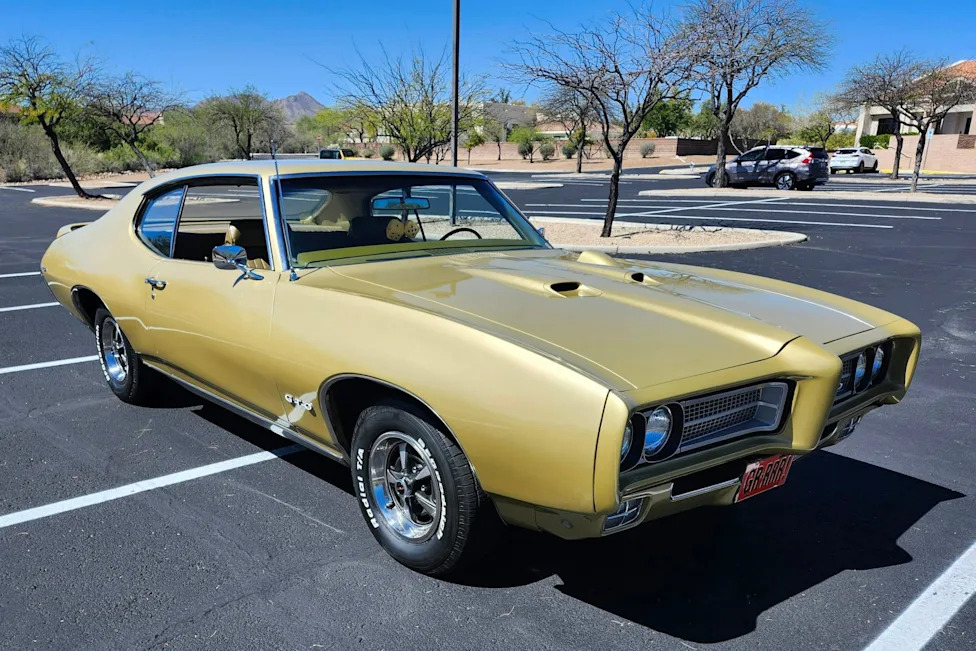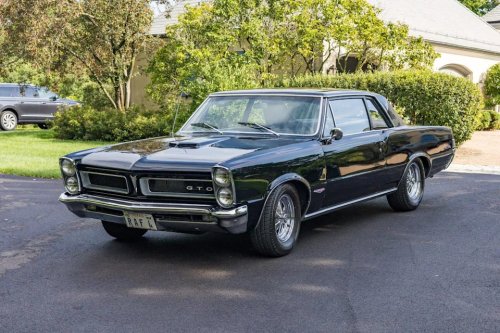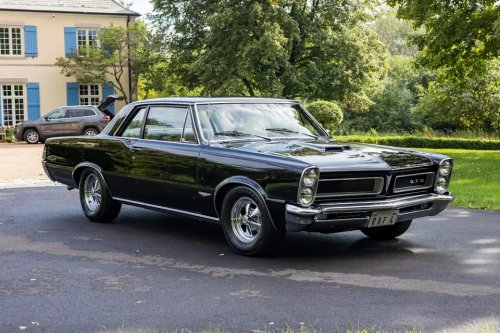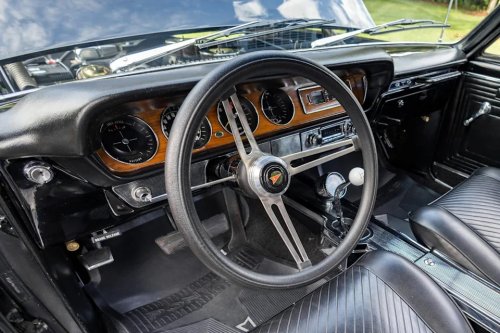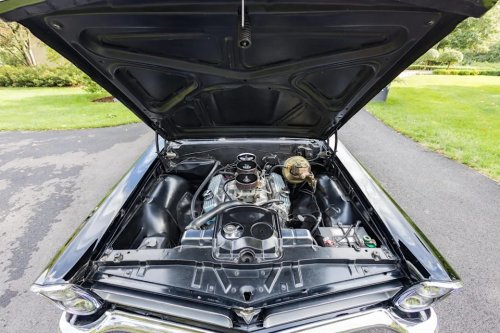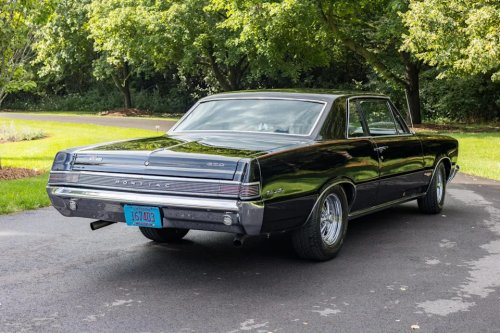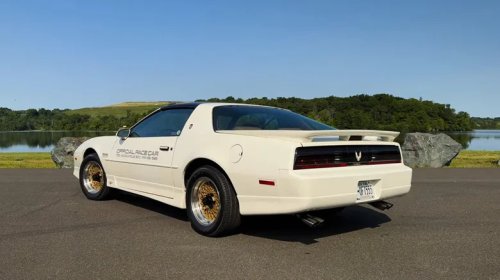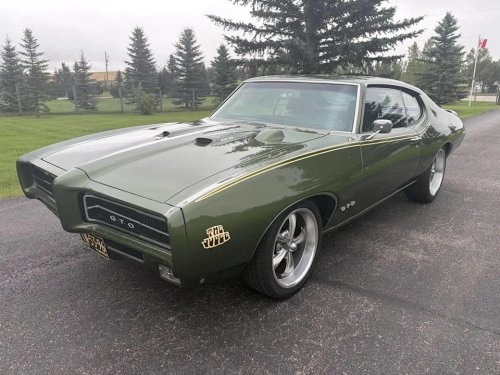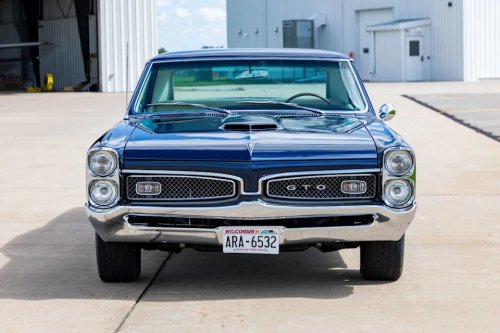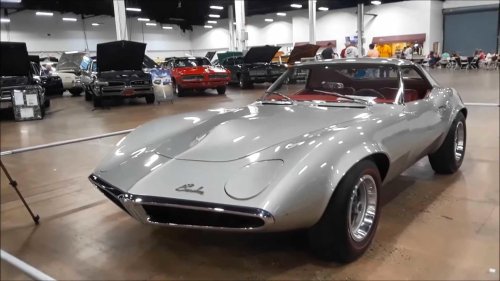

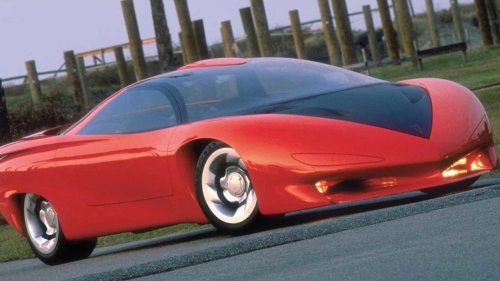




















In the 1960s, General Motors stood at the top of the American automotive world. Its lineup shaped the streets, inspired culture, and ruled the sales charts. Chevrolet, Cadillac, Oldsmobile, Buick, and Pontiac were all strong names, each with a role to play in GM's strategy. From muscle to luxury, GM had it covered. But this dominance came with internal politics and fear of brand competition. Some great cars never made it past the concept stage because they stepped on the wrong toes.It was also a time when each division fought to outshine the others. Innovation didn’t always mean reward. Sometimes it meant being shut down. Behind the scenes, the battles between divisions like Pontiac and Chevrolet often determined what made it to production – and what didn’t.One sleek, lightweight sports car promised to deliver Corvette-level performance at a lower price. It had a long hood, short rear, and aggressive stance. It looked like it could eat corners for breakfast. But GM buried it before the public even had a chance to see it. The Pontiac Banshee XP-833 Was Supposed To Be The Poor Man's Corvette A silver 1964 Pontiac XP-833 Banshee concept front quarter shotThe Pontiac XP-833, later nicknamed the Banshee, was Pontiac's answer to the Corvette. It was designed to be a compact, affordable, high-performance sports car. Developed under Pontiac chief John DeLorean in 1964, the Banshee project aimed to give Pontiac its own halo model. It had Corvette-like performance and styling but carried a smaller engine and price tag. Internally, GM called it the "Mustang Fighter." But it didn’t survive GM's internal politics.The XP-833 prototype came in two versions: one with a straight-six and another with a V8 engine. Both were built on a shortened version of the upcoming 1967 F-body platform, which would eventually underpin the Camaro and Firebird. The car was light, agile, and fast. In many ways, it was ahead of its time.GM’s fear was simple: the Banshee would hurt Corvette sales. If Pontiac could build a sleek two-seater with comparable performance for less money, customers might turn away from Chevrolet’s flagship. For GM, that was unacceptable. In a company where internal divisions were often in competition, protecting the Corvette took priority.So, the XP-833 was shelved. Only two prototypes were built: a silver coupe and a white convertible. The public never got the chance to buy one. The Banshee never had its day. Today, those two prototypes still exist, preserved in private collections as reminders of what could have been. For many enthusiasts, it's a symbol of GM’s most frustrating “what if.” The Pontiac Banshee Had Corvette Power, Low Weight, And Sharp Handling via Barchetta (YT) Key Technical Specs Source: PontiacThe XP-833 was a serious performance machine. Even though it never went into production, its technical specs showed real intent. The prototype coupe housed a 326 cubic-inch V8 producing 280 horsepower. It was paired with a 4-speed manual transmission. The inline-six version used a 230 cubic-inch engine making 165 horsepower.The car weighed just under 2,500 pounds, making it significantly lighter than the Corvette of the time. That low weight gave it sharp handling and quick acceleration. With the V8, the XP-833 could go from 0 to 60 mph in under seven seconds, which was impressive for the era.Its chassis came from what would later be the F-body platform, shared with the first-gen Firebird and Camaro. It used independent front suspension and a solid rear axle, typical of GM performance cars of the time. But the short wheelbase and light body gave it a more nimble feel than either of those later models.Styling was one of the Banshee's strongest suits. The long hood, sloping roofline, and flush headlamps gave it a futuristic look. Its proportions were spot-on. It looked fast even when parked. In fact, the styling cues of the Banshee were so strong that many of them reappeared in the third-generation Corvette, which launched in 1968.Aerodynamically, the car had potential. Its low nose, covered headlights, and smooth profile suggested that speed was part of its DNA. The interior, though not fully developed, showed sporty intentions with bucket seats and a driver-focused cockpit. All signs pointed to a car that could have delivered not just on paper, but on the road. The Banshee Pedigree Spanned Decades Pontiac Pontiac didn’t let the Banshee name die with the XP-833. Over the years, the division revived the name for several concept cars, each representing a bold vision of performance.The Banshee II (1968) was a dramatic evolution of the XP-833. It looked more like a design study for a futuristic sports car. With a canopy-style roof and a wide, flat stance, it pushed boundaries. It wasn’t meant for production, but it kept the Banshee name alive. Underneath, it shared little with existing production cars. It was a styling experiment that showcased advanced materials and a different direction for Pontiac’s design team. It helped Pontiac stay on the edge of innovation, even if only in the design studio.The Banshee III (1974) came during a tougher time for performance cars, with emissions rules and fuel prices changing the landscape. Still, the concept featured wild wedge styling and advanced aerodynamics. It showcased what Pontiac could do when it wasn’t held back by regulations or market trends. This concept leaned into futuristic design, echoing the era's fascination with wedge-shaped sports cars. While production was never the goal, Banshee III stood as a statement that Pontiac still dreamed big – even when the market was pulling back.The Banshee IV (1988) was closer to a production-ready model than any Banshee before it. It previewed the design language that would define the 1990s Firebird and Trans Am. It featured pop-up headlights, sculpted panels, and a digital interior. Again, Pontiac teased performance fans with what could have been. By this time, Pontiac had fully embraced high-tech looks and digital flair. The Banshee IV had aerodynamic finesse and street-ready aggression. It was modern, confident, and clean. Many of its cues directly influenced production models. Pontiac Banshee Concepts Highlights Pontiac Was On Fire In The 1960s via Bring a Trailer Pontiac's 1960s Model Range While the XP-833 never hit showrooms, Pontiac still had a golden decade in the 1960s. Its lineup was strong, stylish, and powerful. The GTO, launched in 1964, arguably kicked off the muscle car era. It stuffed a big V8 into a mid-size body and sold like wildfire.The Firebird debuted in 1967, sharing its F-body platform with the Chevrolet Camaro. It gave Pontiac fans a true pony car to rally behind. With high-performance trims like the Firebird 400 and Trans Am, it quickly built a loyal following.Pontiac also had hits with the full-size Catalina and Bonneville. These cars balanced size and power, giving drivers space and performance. The Grand Prix, introduced earlier but refined in the 1960s, became a personal luxury car with a muscle heart.Even the Tempest, Pontiac’s compact model, found success. It served as the basis for the first GTO and proved that performance could come in smaller packages. Across the board, Pontiac was on fire.