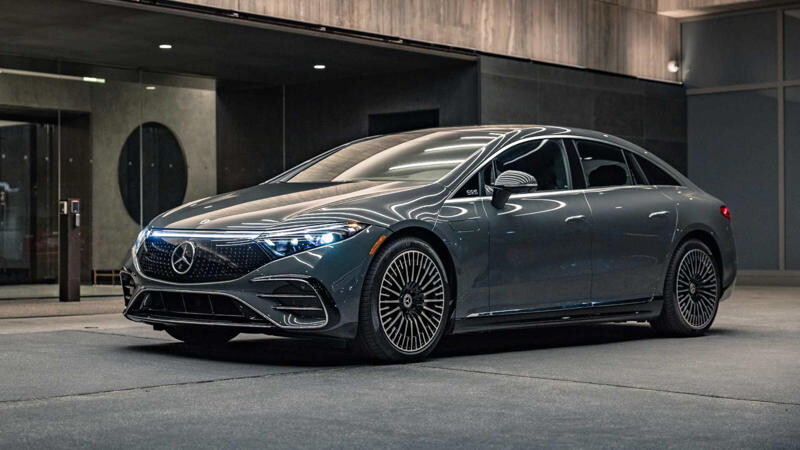
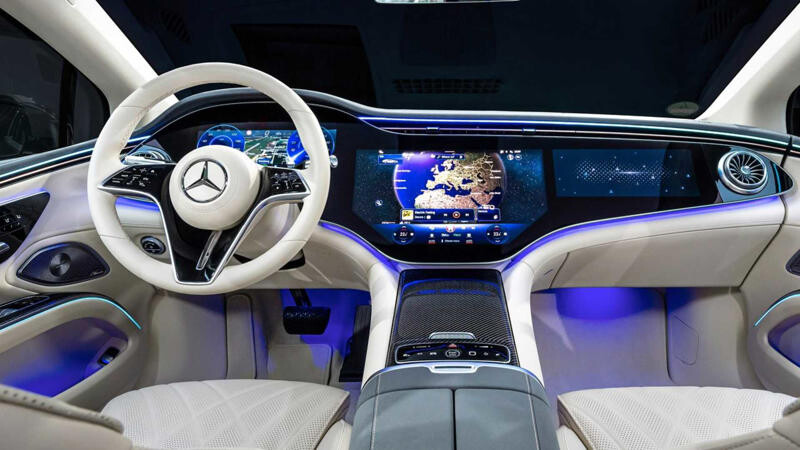
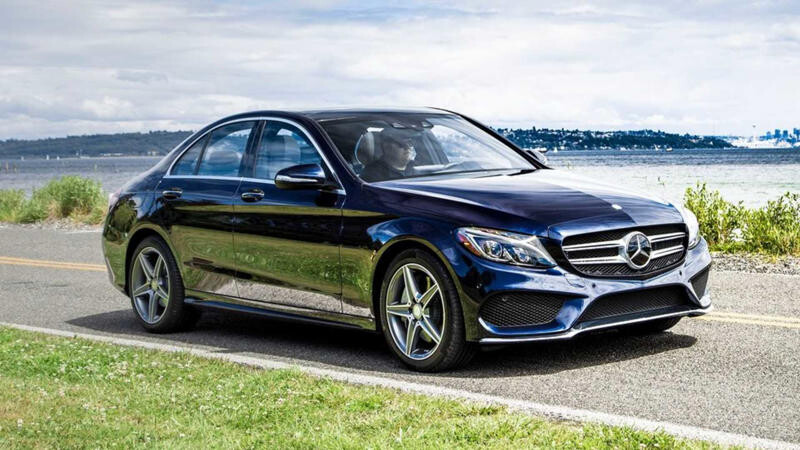
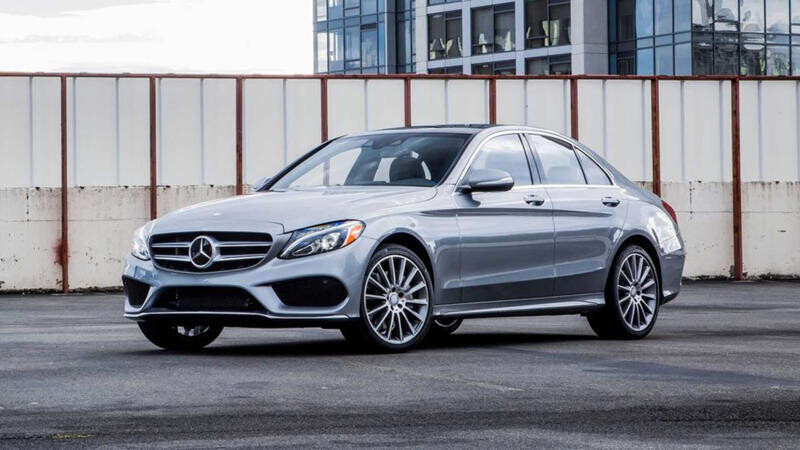
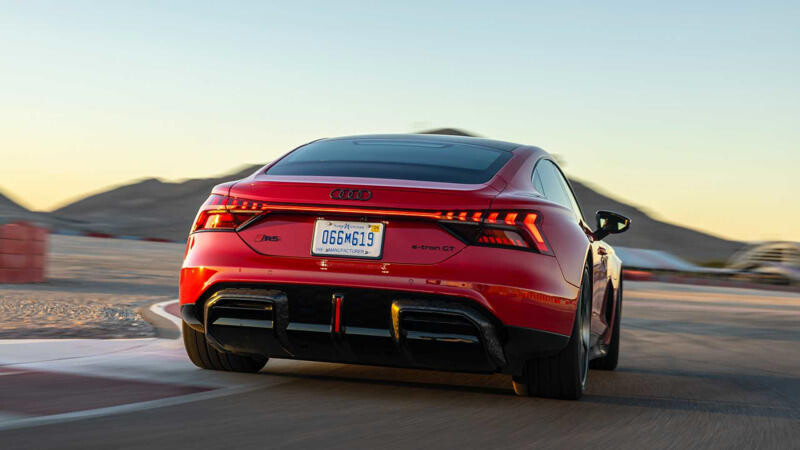
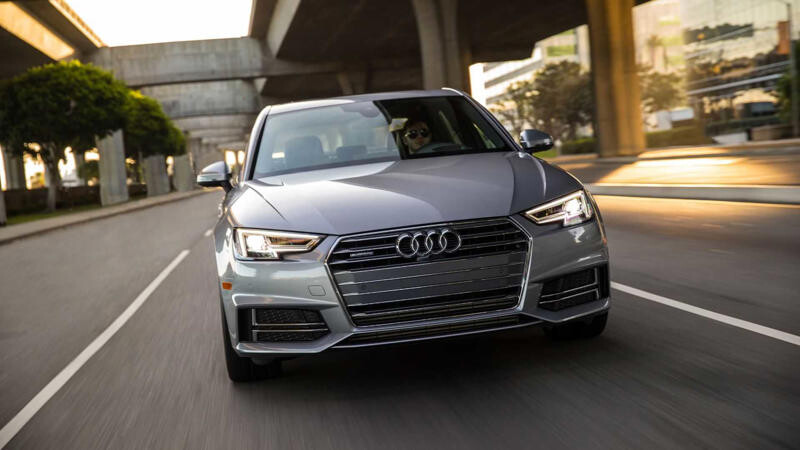
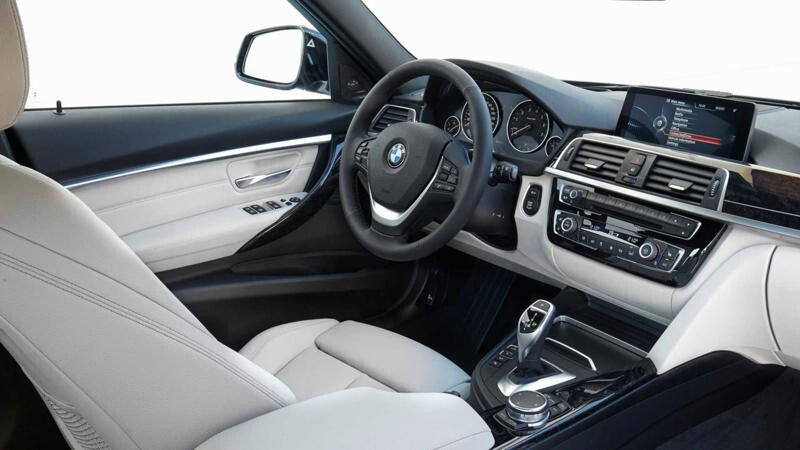
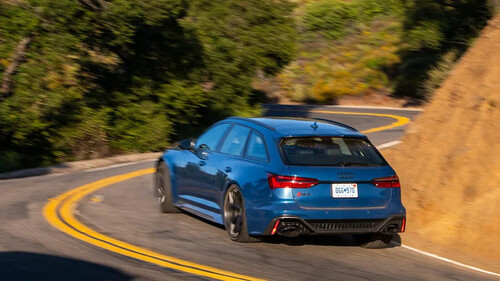
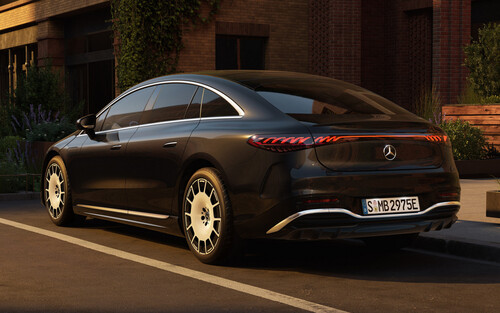
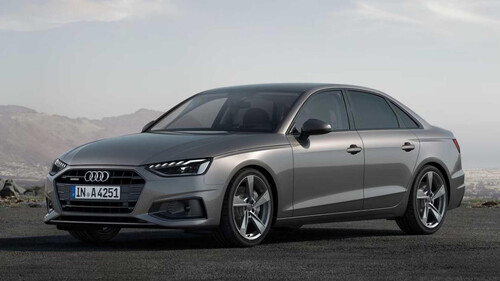
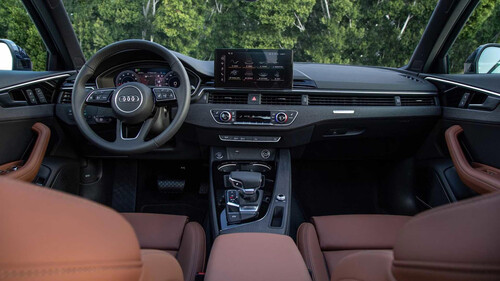
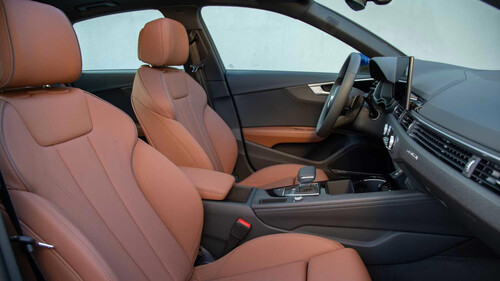
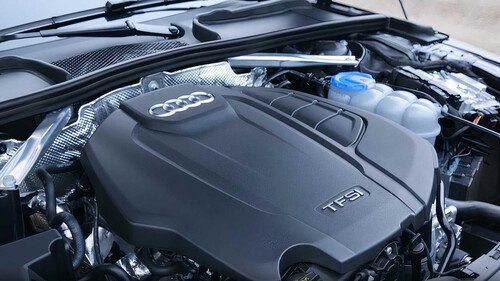
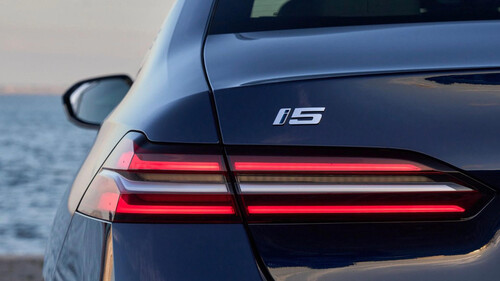
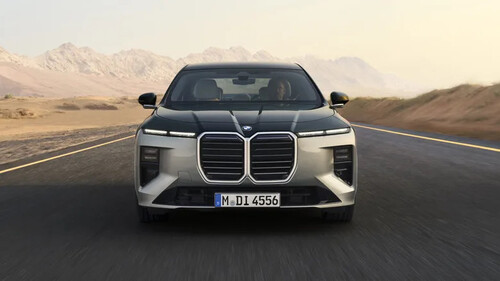
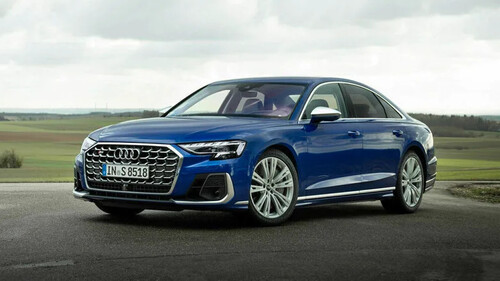
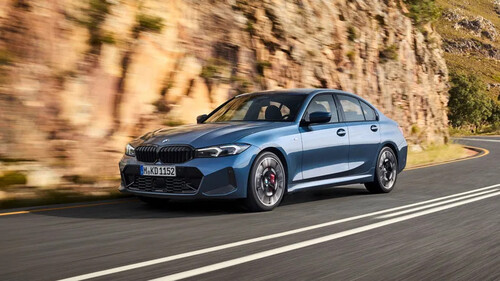
Why do people keep buying German luxury sedans even though everyone knows they’re expensive to maintain? It’s simple. Cars like the BMW 5 Series, Mercedes-Benz E-Class, Audi A6, and the Porsche Panamera offer something their American and Japanese rivals often can't quite replicate: that perfect blend of sleek looks, sporty driving dynamics, and – let's face it – a nice boost to the old ego.Whereas American luxury sedans are usually big, floaty land yachts and Japanese ones are boring and reliable, German luxury cars are built to quietly handle 155-mph runs on the autobahn on a random Tuesday, with an executive enjoying a nap in the back. The tradeoff, however, usually comes in the form of premium price tags and expensive maintenance, and gearheads are mostly fine with that.But not all German luxury sedans fit that 'high-maintenance' stereotype. Several German luxo barges left us shocked by how cheap they are to maintain. In fact, some of the cars on this list are cheaper to keep on the roads than their Japanese rivals. These don't just include basic midsize options but also executive sedans and high-end autobahn rockets. The best part? Depreciation is now turning them into quiet used bargains, too. Mercedes-Benz EQS 580 Maintenance Costs: $772 Per Year Mercedes-Benz On paper, the Mercedes-Benz EQS 580 shouldn’t be cheap to maintain. It's the absolute peak of Mercedes's electric sedan lineup, sitting above the executive-level EQE. It's a presidential ride straight out of a sci-fi movie, with standard features that include a massive 56-inch MBUX Hyperscreen, ventilated massaging seats, Burmester 3D surround sound, and customizable ambient lighting. And yet, CarEdge estimates upkeep will set you back just $7,724 over the first 10 years of ownership (about $772 per year). The smaller EQE is even cheaper to maintain at $6,894 over 10 years.That's well below the Mercedes-Benz brand average, despite it being arguably the most luxurious car in its class. It's not short on power either. 536 hp and 633 lb-ft of instant torque feeds to all four wheels, and the EQS keeps on going up to an EPA-estimated 371 miles. You'd think there's no way maintenance for a car like this should be cheaper to maintain than a Mazda CX-5 ($7,906 over 10 years) or a Ford Mustang ($7,830), and yet it is, and there's a good reason for that.Mercedes-Benz Despite all of their flaws, one advantage of electric cars is that they eliminate most of the moving parts you'd find in a traditional gas-engined car, along with the need for oil changes, spark plugs, timing belts, and transmission fluid changes, to name a few. There are no real hidden costs or gremlins, either (we checked). Routine services are mostly inspections, fluid, and brake changes. All you really have to worry about are excessive tire wear and a high-voltage battery (which is covered by Mercedes's 10-year/155k-mile warranty). Mercedes also did its homework here, with strong thermal management, regenerative braking, and a long battery warranty helping keep long-term costs in check.The main cost of owning an EV like this actually comes in the form of steep depreciation – especially after the warranty period ends. This is one of the reasons why EVs out of warranty plummet in price. To mitigate those losses, many owners sell them well within the warranty period and move on to something new. New, they start from $127,350; you can buy one that's been on the road for just a few years for half that – around $59k, on average. 2016 Mercedes-Benz C300 Maintenance Costs: $656 Per Year Mercedes-Benz While BMW leans on sportiness and Audi on its Quattro AWD and industry-leading tech, Mercedes-Benz is a symbol of pure style and luxury. Slotting into the midsize luxury sedan segment, the 2016 C300 is comfortable, nimble, and packed with luxury features such as a beautiful leather-wrapped interior with ambient lighting, electric cooled and heated seats, touch-screen infotainment, and premium wood-trim accents. Interestingly, the 2016 C300 is the first C-Class built in America, and its M274 turbo inline-4 is assembled in Mercedes’ Alabama plant. It sends an ample 241 hp and 273 lb-ft to the rear wheels through a 7-speed automatic with optional 4Matic AWD for all-weather traction.Mercedes-Benz With an average annual upkeep of just $656, according to RepairPal, it's surprising that the C300 is one of the cheapest German luxury cars to maintain, and it's much cheaper than the $908 average across the Mercedes brand. The Alabama-built luxury rocket has a mostly clean reliability track record, too, with just the occasional horror story regarding wrist pin wear and piston cracking marring the M274's otherwise decent reputation. Still, many examples are known to reach stratospheric mileage with proper care and preventive maintenance, such as this owner on Reddit who has had the car since 2019 and racked up 243,000 miles so far. 2021-Present Audi e-tron GT Maintenance Costs: $654 Per Year Jared Rosenholtz/CarBuzz/Valnet Before we talk about the e-tron GT's maintenance, it's important to provide context on what this car really is – an electrified grand touring monster, that's what. And an expensive one at that. A new e-tron GT starts at $128,995 in the "S Premium Plus" package with a 105 kWh battery and 670 hp. That's enough to rocket this 5,126-lb electric sports sedan to 60 mph in 3.3 seconds. In its top configuration, e-tron GT RS Performance packs up to 912 hp and will reach 60 mph in a neck-breaking 2.1 seconds according to independent tests.Audi Despite those figures, CarEdge puts the e-tron GT's average maintenance costs in the first ten years of ownership at a ridiculously affordable $6,536 (about $654 per year) – crazy figures for a super-luxury four-door electric GT meant to go toe-to-toe against the Porsche Taycan. Like the Mercedes-Benz EQS, the reason for the Audi's cheap maintenance is also largely because it’s electric. Used, depreciation hits e-trons like a hammer in the face. A relatively new used e-tron GT will set you back just around $40 to $50k – about a third of the MSRP. 2017 Audi A4 Maintenance Costs: $630 Per Year Audi Part of the B9 generation of the model, the 2017 Audi A4 surprised us with its modest $630 annual maintenance costs. That's cheaper than many comparable Japanese alternatives, such as the Infiniti Q50 ($648 per year), and far less than the $987/year average across the Audi brand. We looked into the B9 A4's reliability, and all results point to this being a surprisingly dependable car. It gets a "great" 83/100 from J.D. Power (some B9 A4s were rated up to 85/100), and owners on forums rave about their high-mileage cars with zero issues.Audi Owners are also quick to point out how capable and fun A4's are on the road. That's courtesy of the 252-hp/273-lb-ft turbocharged 2.0 four-cylinder TFSI under the hood, which sends power to the rear wheels or all four wheels, depending on your preference. That engine is already a legend among buyers in the know, and early versions won International Engine of the Year for five consecutive years in a row between 2005 and 2009.Quattro AWD models will be more expensive to maintain, but the added traction helps the car launch to 60 mph in just 5.2 seconds. And like with every autobahn rocket, the A4 will easily maintain its electronically governed 155-mph top speed. 2017 BMW 330i Maintenance Costs: $460 Per Year via BMW RepairPal's average maintenance cost estimates put the 2017 BMW 330i as the cheapest German luxury sedan to maintain, period – and by a mile. At just $460 in annual maintenance costs, the 330i is cheaper to maintain than any Lexus, including its direct rival, the IS ($551 per year). Its upkeep is also cheaper than a Mazda 6 ($481 per year) and almost as cheap as one of the most reliable luxury sedans on the market today – the Acura TLX ($440 per year). In fact, it's near Toyota Prius territory ($408 per year). Looking at J.D. Power, all sixth-gen 3 Series BMWs have earned over 80/100 in quality and reliability, too. There are zero recorded recent recalls for this car, and all evidence points to them being extremely reliable cars.BMW Once you know what's under the hood, things start to make a bit more sense. Powering the 2017 330i is BMW's notoriously reliable and fuel-efficient B48 twin-scroll turbo inline-4 paired with the ZF 8-speed automatic transmission, sending power to the rear wheels. Essentially a tuner-famous B58 with two cylinders sawed off, the B48 can handle way more than just the 248 hp it makes in the 330i, and it features in the 2.0-liter Toyota Supra and the 302-hp M35i versions of popular BMWs like the X1, X2, and 2 Series. Heck, BMW still uses this engine in brand-new cars to this day.Strong fuel economy also helps keep maintenance costs down. The 330i was able to achieve an impressive 41 mpg in independent 75-mph highway testing. That doesn't mean the 330i is boring by any stretch; 0-60 mph in just 5.4 seconds and a top speed limited to 155 mph ensure there's plenty of fun to be had behind the wheel. To add the cherry on top, used buyers can rejoice at the surprisingly affordable $10,725 average they can expect to pay for these cars in America today.Sources: J.D. Power, CarEdge, RepairPal.