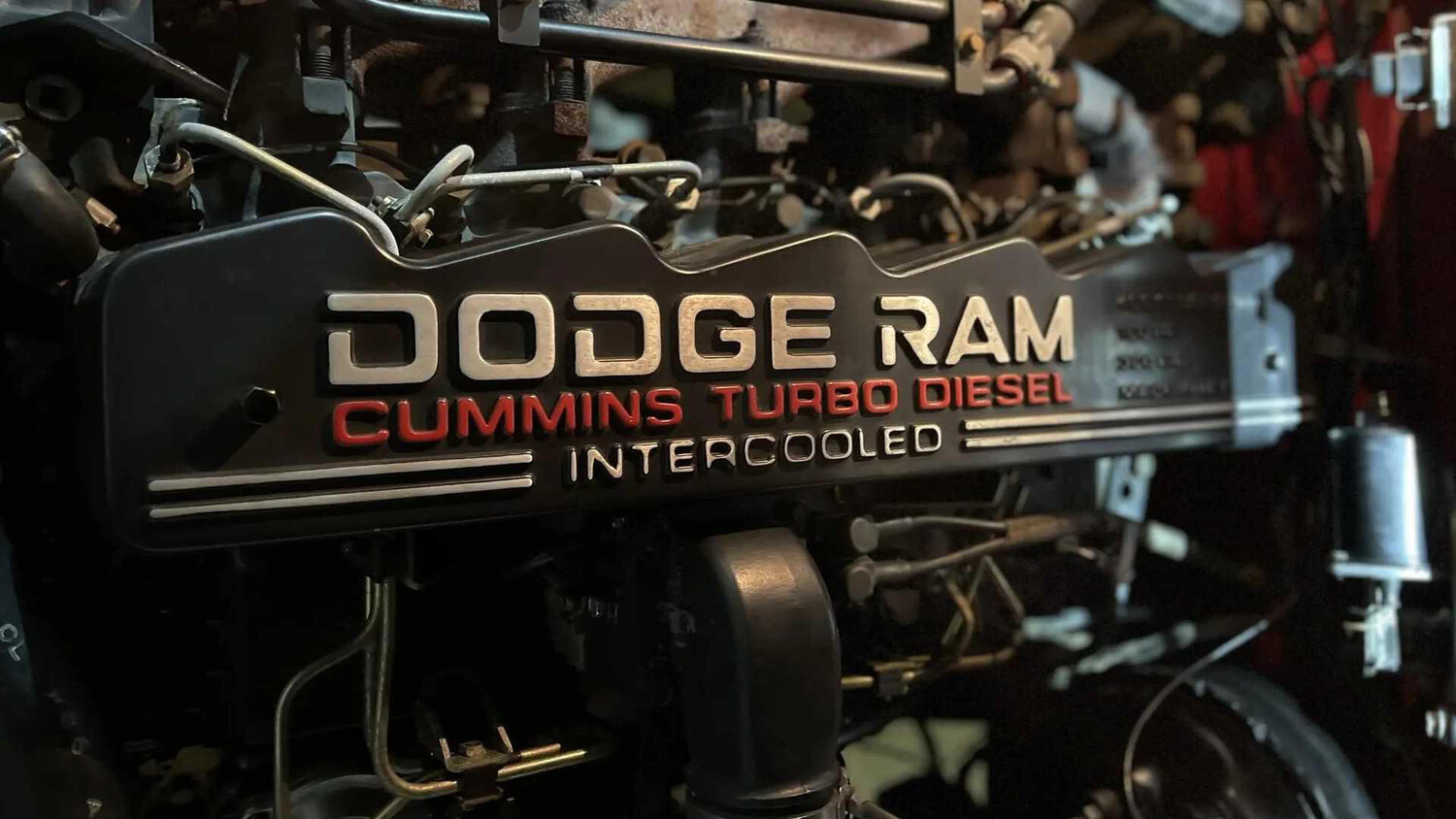
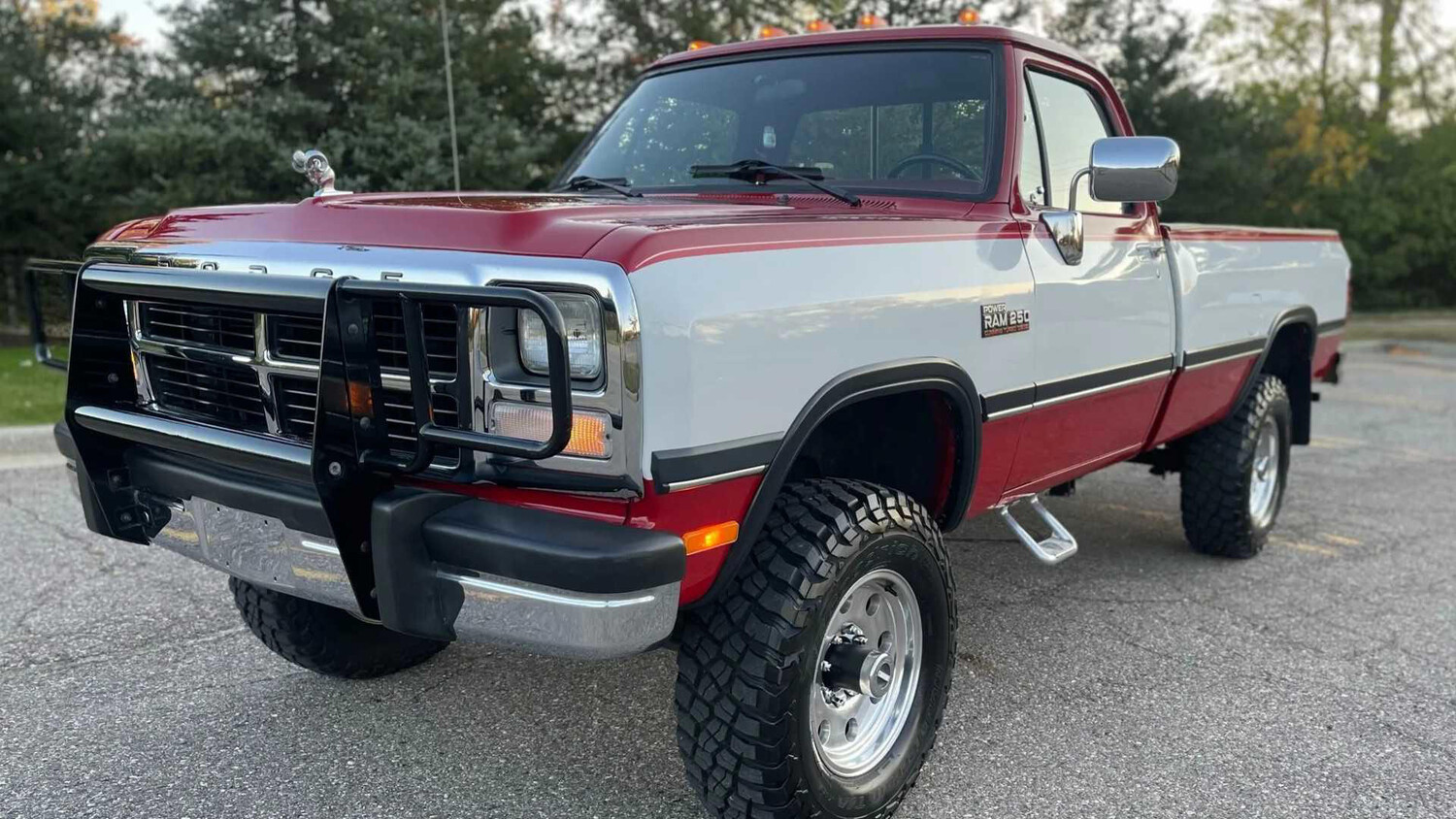
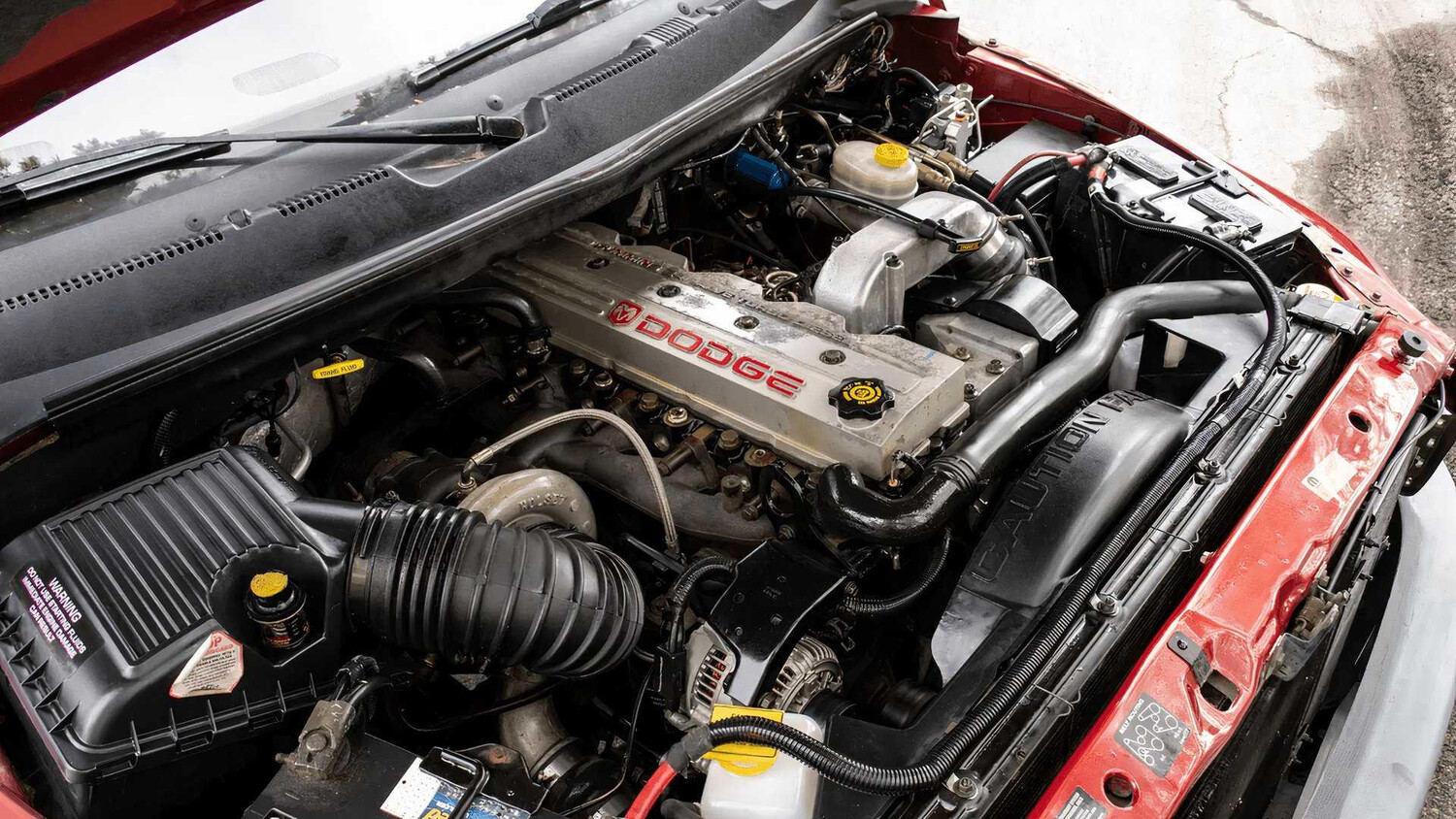
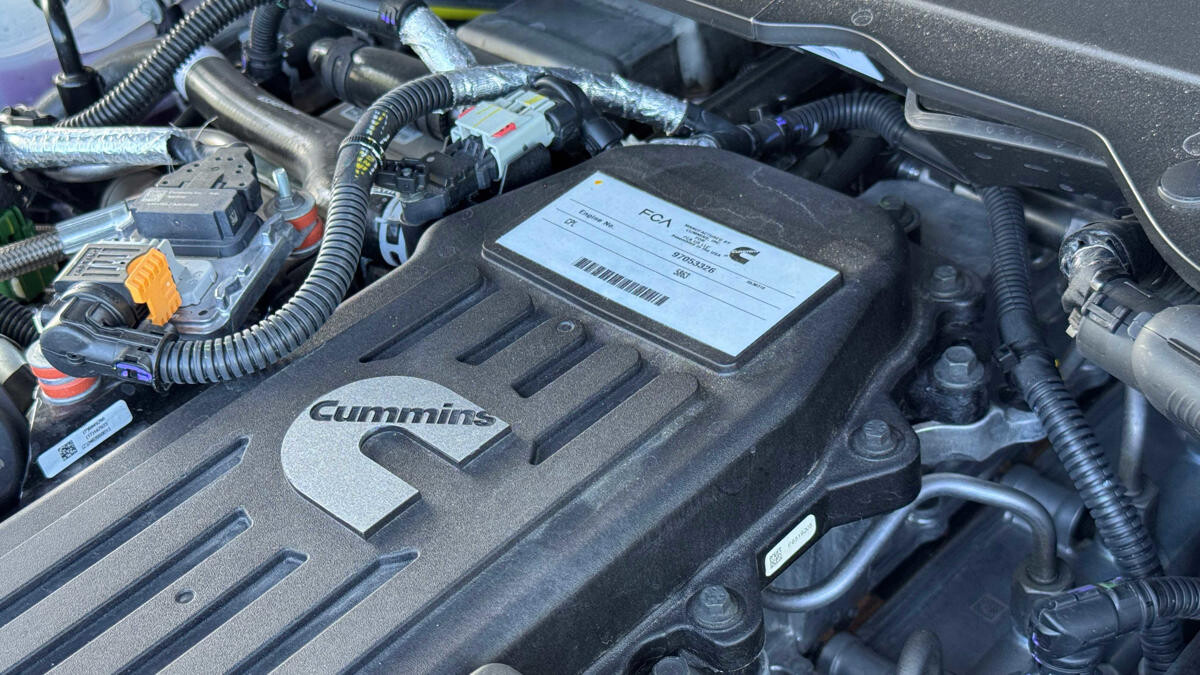
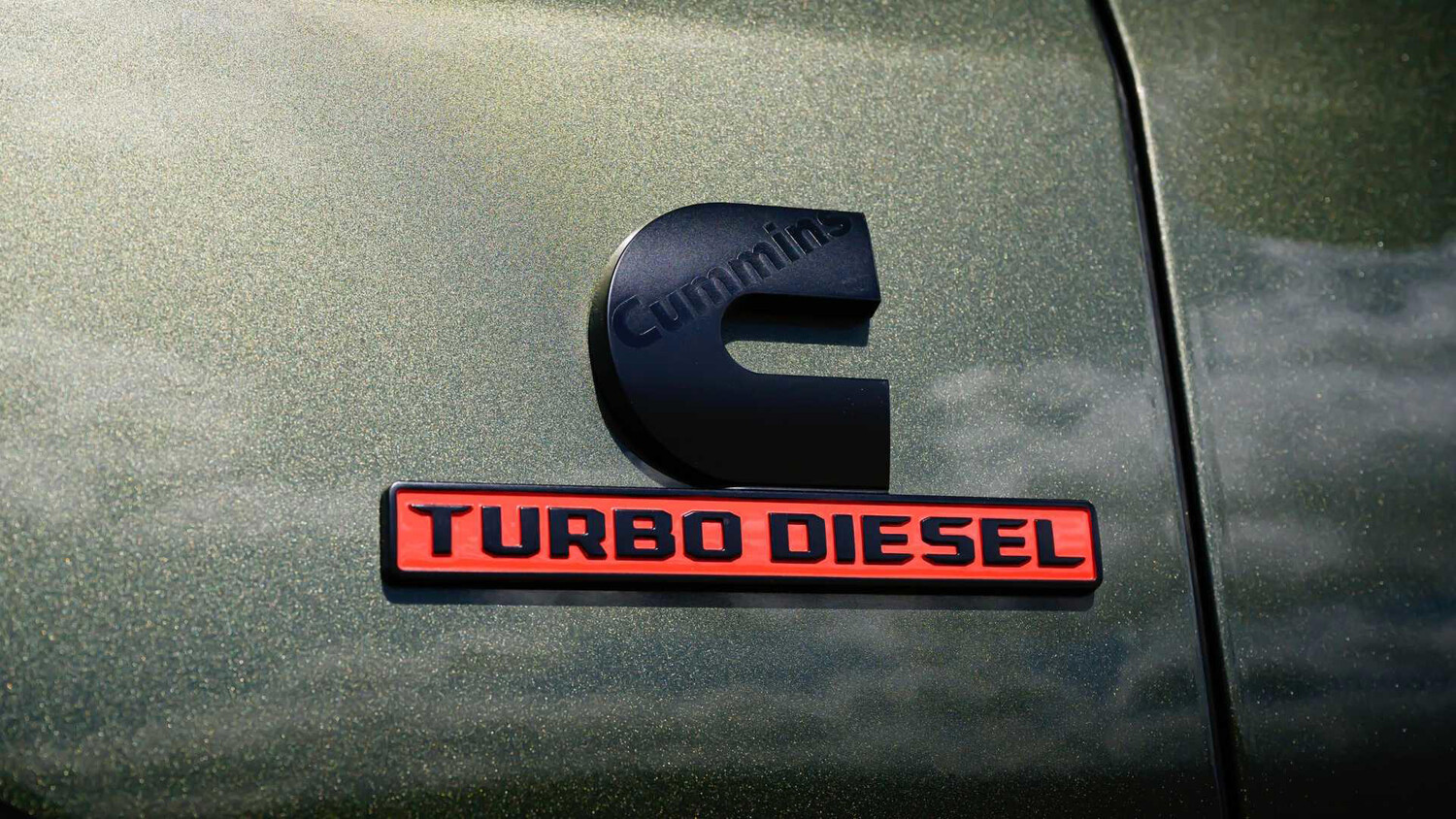
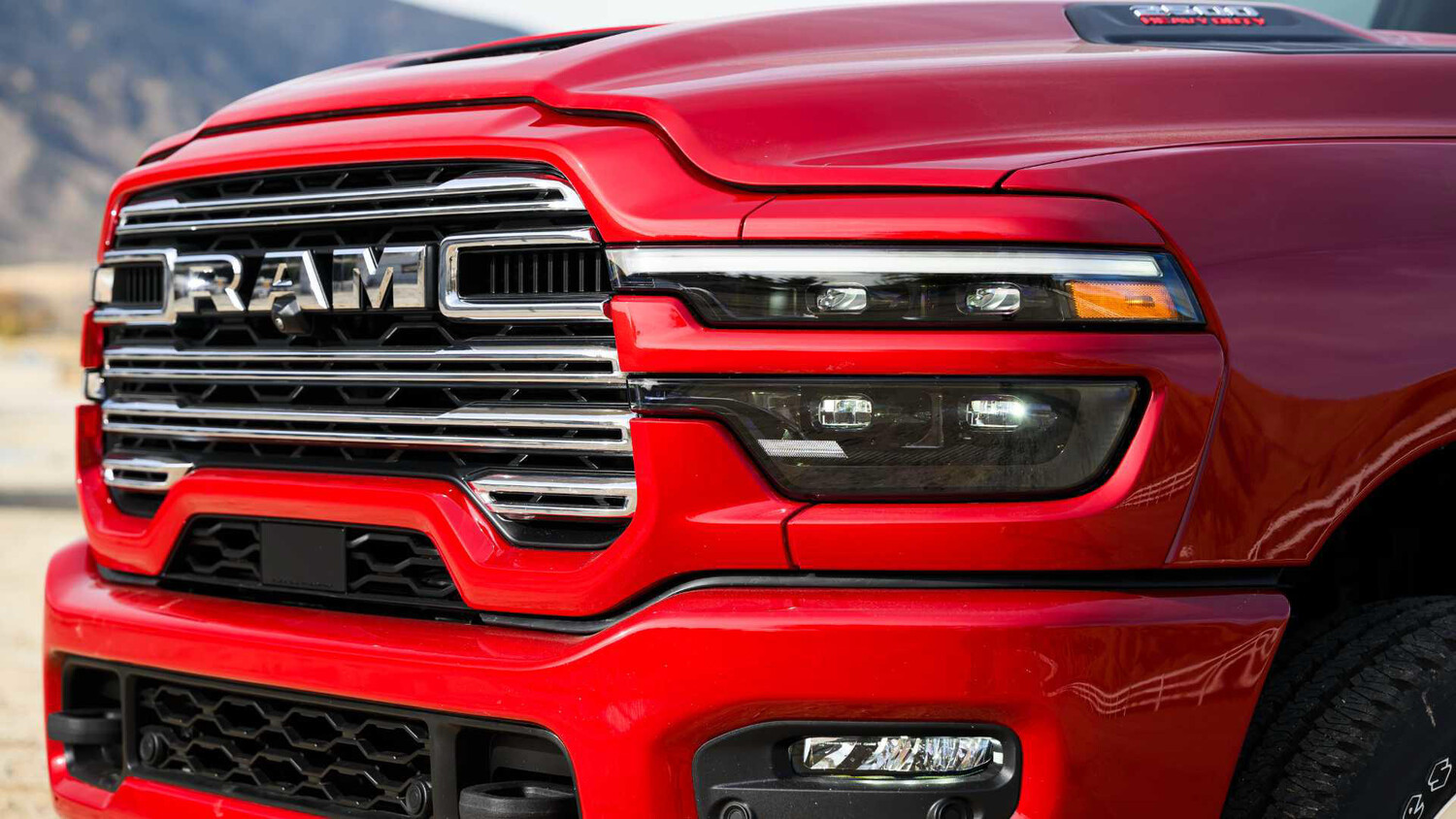
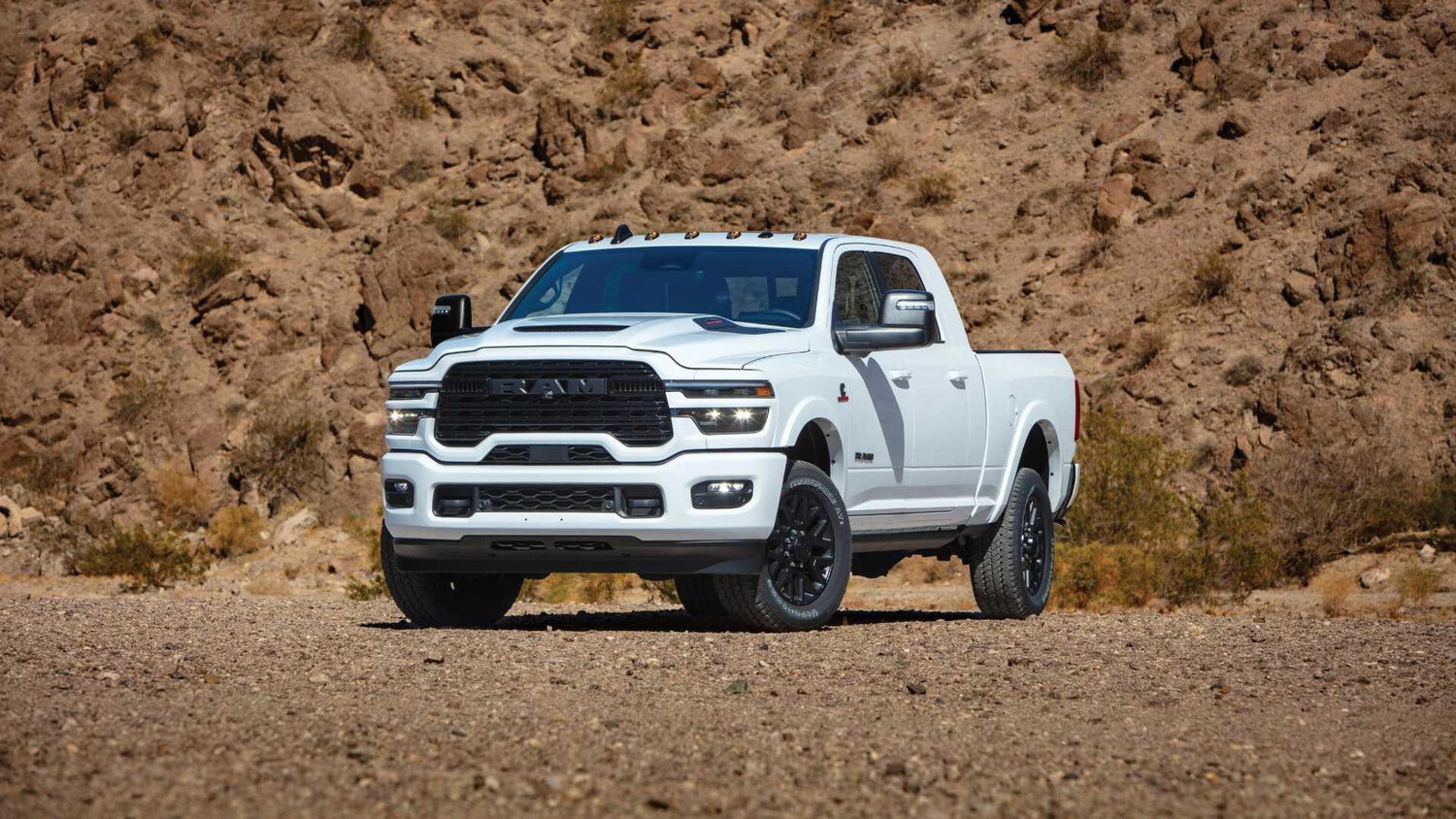
While we normally cover gasoline-powered or electric vehicles at CarBuzz, diesel engines also play a huge part in automotive history, albeit for different reasons. Typically, in the US, we associate diesel engines with vehicles such as semi-trucks, tractors, and heavy machinery. They also play an important role in heavy-duty pickup trucks. When it comes to speed and performance, however, diesel engines for passenger vehicles never really took off in the same way in the United States as they did in markets such as Europe and Asia.However, these factors are not an attempt to downplay the humble, hardworking diesel. Powerplants designed to run on diesel fuel are, typically, more reliable and able to work harder than gasoline engines. This is why they're usually seen in heavy-duty vehicles. Some diesels have proven themselves to be so resilient that they've enjoyed decades of production. Such is the case with our engine in question: the 6.7-liter Cummins inline-six. It has been through a slew of revamps and upgrades over the years, but the basic bones have been in production for well over 30 years now. Humble Beginnings: A Stab At Ford & General Motors Bring a Trailer 6.7-Liter Cummins Inline-Six Key Points Began its production run as a 5.9-liter Introduced for pickup truck use in 1989 Part of the Cummins 6BT engine family Enlarged to 6.7 liters in 2007 Currently, the largest straight-six engine utilized by a pickup truck Origins: 1980s Many years prior to its introduction as a 6.7-liter engine, Cummins released the original 5.9-liter variation in 1984. Back then, the mill was designed for use in agricultural equipment and carried no computerization whatsoever. Some folks might know this engine by its informal name, the "12-Valve Cummins." Because it was originally meant for off-road use, the 5.9-liter version was built with simplicity and ease of repair in mind.Bring a Trailer However, a few years later, Dodge was looking for a way to break into the diesel-powered pickup market. At the time, both Ford and General Motors had begun offering diesel engines in their medium and heavy-duty pickup trucks, and sales were promising. Ford partnered with an outside company, International Harvester, to utilize its 6.9-liter IDI, meaning indirect injection, diesel V8. General Motors took advantage of its in-house diesel engine production company called Detroit Diesel.Because Dodge was already struggling to compete with both GM and Ford in the truck market, its diesel-powered offering needed to be exceptional. Dodge sought a partnership with Cummins, a well-established name on the diesel scene. A deal was struck, and the first 6BT Cummins-powered Dodge pickups rolled off the assembly line in late 1988 in time for the 1989 model year. It featured direct injection and lacked glow plugs, which normally help warm the combustion chamber prior to initial start-up for improved combustion. The decision came the 6BT Cummins engine's focus on being as simple as possible. Going without glow plugs meant there was one less thing to go wrong. 1990s–2000s DodgeIn 1994, Dodge redesigned its pickup truck. It was a groundbreaking new look that completely ditched the old-school, boxy design for a much more rounded, tough-as-nails look. Many folks flocked to Dodge from other brands due to its new countenance, as it was purposely engineered to resemble a semi-truck. The 6BT 5.9-liter Cummins came with and continued to be used within Dodge's medium and heavy-duty pickup trucks. By now, the Dodge Ram pickups were referred to as the 1500, 2500, and 3500, the latter two being the models offering the 6BT Cummins.Bring A Trailer Four years later, the 6BT Cummins was given a major update. Now, the mill carried the codename "5.9 ISB," dropping the older 5.9 6BT nomenclature. This new iteration featured a 24-valve valvetrain, earning it the nickname "24-Valve." In addition, there was a new, electronically controlled Bosch-built injection pump, which could adjust to specific metrics according to the user's preference. In 2001, Cummins began offering a standard and high-output version of the powerplant, with the former producing 235 horsepower and 460 pound-feet of torque. In contrast, the high-output iteration boasted 245 hp and 505 lb-ft of torque. The 5.9 ISB was in production until 2007. Enter The 6.7 Jared Rosenholtz/CarBuzz/ValnetMidway through the 2007 model year, Cummins completely revamped the 5.9-liter ISB. The new 6.7-liter version was almost a completely new engine, boasting numerous mechanical and electronic upgrades to help bring it into the modern era. There were also several other improvements to the overhauled mill, such as a variable geometry turbocharger, which helped to reduce turbo lag and increase efficiency. The new turbo was also capable of being used as an exhaust brake.While still considered extremely reliable, the modern 6.7-liter Cummins is somewhat let down by its supporting accessories and emissions control components. For example, the exhaust gas recirculation (EGR) system is prone to clogging, which can lead to an over-pressurization of the engine. Many owners remove the EGR system entirely and install a delete kit that either completely removes the hardware or uses a tube to bypass the component.Ram Trucks Another one of the 6.7 Cummins' major Achilles heels is its diesel particulate filter, or DPF. DPFs are mandated on diesel engines produced in the US, and have been since 2007. In short, the DPF is a system that filters the engine's exhaust by using a ceramic, honeycomb-type filter. The system traps soot, or the black smoke you commonly see being emitted from semi-trucks, in an effort to clean up the air and reduce CO2 and carbon emissions. The 6.7 Cummins DPF is prone to clogging, especially on earlier models.According to sources such as Ohio Diesel, the current 6.7-liter Cummins inline-six is the most reliable diesel engine used in medium and heavy-duty trucks on the market, with Ford's Powerstroke coming in second place, and the Duramax from Chevrolet and GMC pickups in last place. Present-Day StellantisAs of 2025, the 6.7-liter Cummins is still going strong. It's currently utilized by loads of models, including Ram trucks ranging from the 2500 to 5500. In addition, commercial truck makers such as Peterbilt and Kenworth also use the mill in some capacity.However, its most popular current application by far is the 2025 Ram 2500. The truck just received a mid-cycle refresh, introducing a few new pieces of technology along with a new look. Adaptive cruise control is now standard, and its eight-speed automatic transmission received a refresh, as well. Its standard infotainment screen size increased from 8.4 inches to 12.0 inches, and a new optional infotainment touchscreen, a 14.5-inch unit, was introduced. A 10.25-inch passenger screen was also made available as an optional extra.Stellantis As of 2025, the 6.7-liter Cummins offered on the Ram 2500 received a slight power bump thanks to a new, upgraded state of tune. As has always been the case for the Ram 2500, rear-wheel drive is the standard drivetrain setup, with four-wheel drive being optional. According to Stellantis, the Ram 2500 equipped with the 6.7-liter Cummins can tow up to 20,000 pounds when properly equipped. Its payload capacity is rated at 4,420 lbs, also when properly equipped.*Specs courtesy of Stellantis