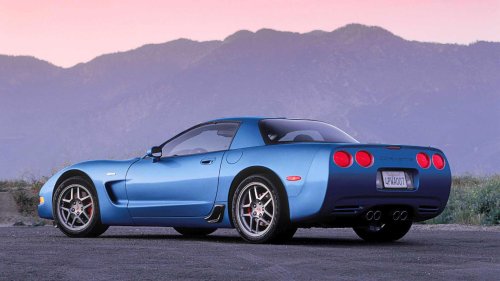
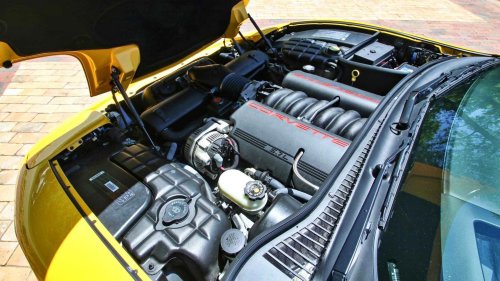
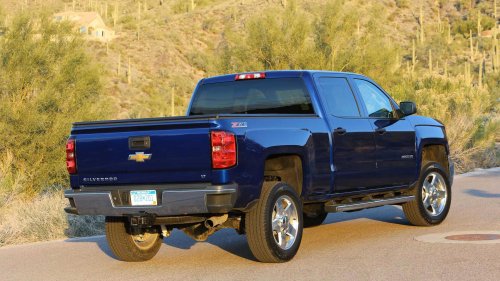
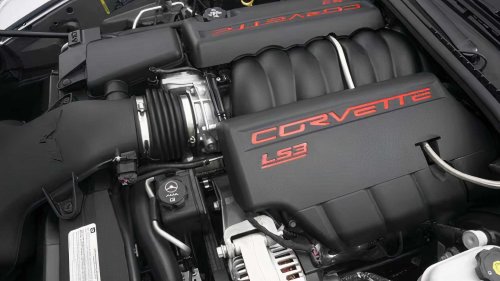
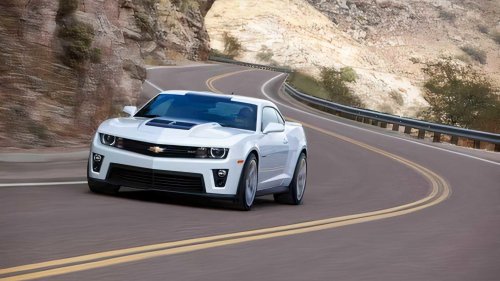
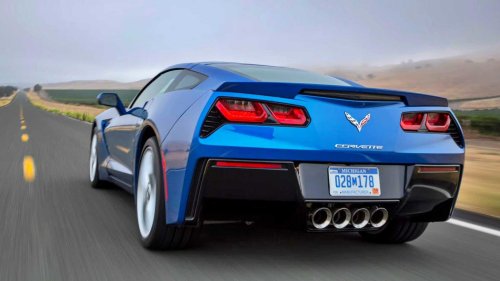
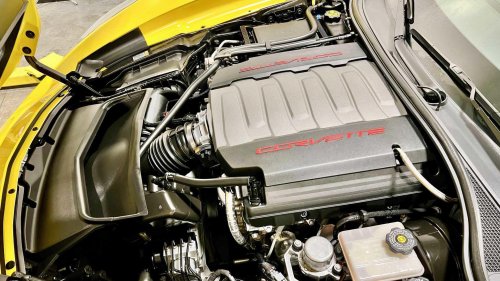
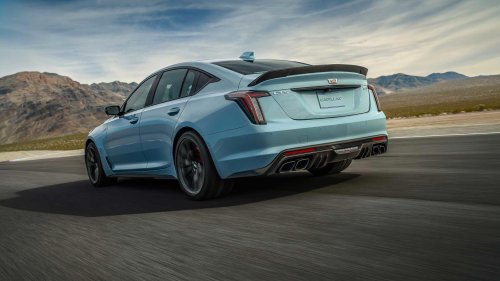
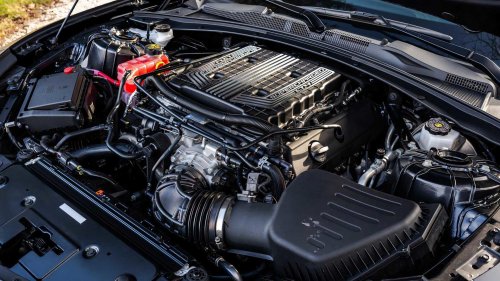
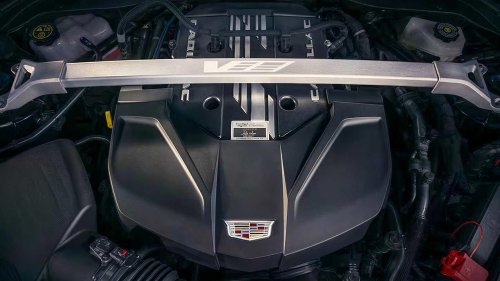
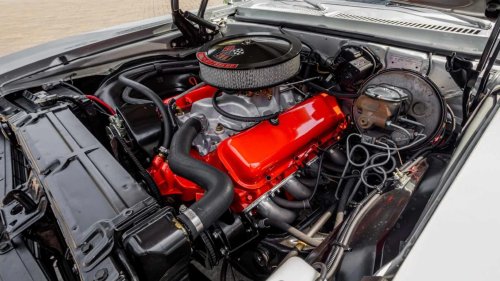
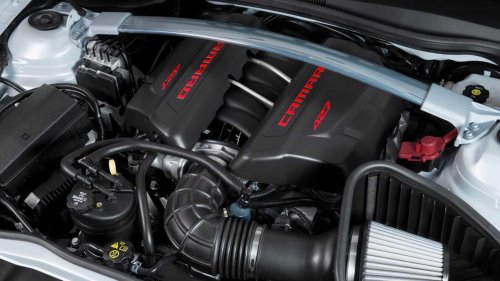
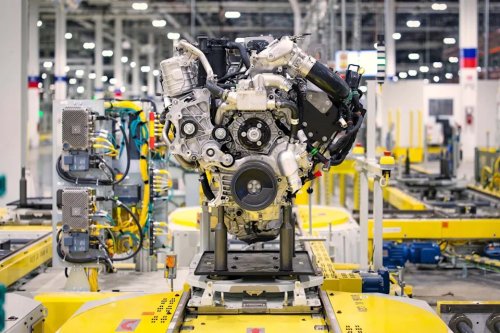
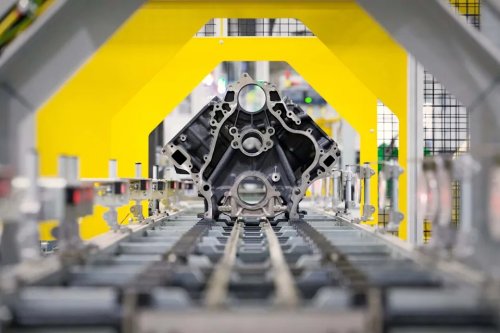
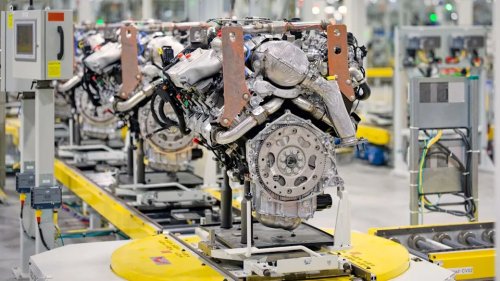
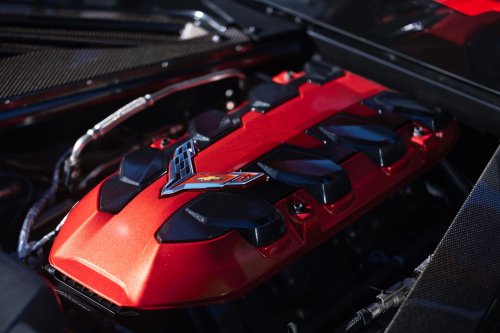
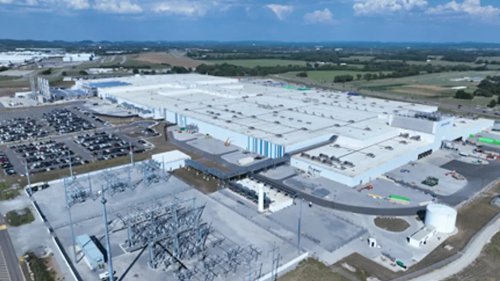
When discussing engines with legendary longevity, few can match the Chevrolet small-block V-8's sheer lifespan. The LS-based Chevy small block V-8 was introduced in 1997. It will soon reach 30 years in production, proving itself as one of the most durable and longest-running engine platforms ever created. Throughout those decades, there have been two significant eras that have defined the Chevy LS: the early LS era and then the LT era. Let's break down what distinguishes these two eras and what lies in store for the future of the small-block Chevy V-8. The LS Era (1997-2017) ChevroletThe LS Era commonly refers to the Gen III (1997-2007) and Gen IV (2005-2017) LS-based small-block Chevy engines. By 2017, the original Chevy LS V-8 had been phased out entirely, with its last application in the 2017 Chevrolet Express. Let's break down what made the early Chevy LS the V-8 platform that redefined durability and versatility. Clean Design For The New Millennium MecumThe first Chevy LS V-8 was the 5.7-liter LS1, introduced as the base engine in the 1997 C5 Chevrolet Corvette. General Motors made the LS-based Chevrolet small block a clean sheet design with little to no overlap with its predecessors. A major update was the use of aluminum blocks in car-based applications as opposed to the cast-iron standard that had served as the small-block Chevy's foundation since its inception. Other notable improvements were the revised cylinder firing order, the coil-on-plug ignition system, a new cylinder head architecture, and flat-topped pistons found in most car-based applications.CarBuzz The beauty and strength of this redesigned Chevy V-8 was its modularity. During its production run, there were 34 different variants of Gen III and Gen IV LS engines, ranging from a 4.8-liter truck-based LR4 to a maximum of 7.0 liters of displacement, as found in the LS9 powering the C6 Chevrolet Corvette Z06. This versatility made the Chevy LS easy to produce at scale, as one simple foundation could accommodate a wide variety of vehicles. The Go-To Engine For The Aftermarket ChevroletIf power-to-weight ratio matters, then the Chevy LS is one of the highest value engines you can find. For its power output and weight, the Chevy LS is relatively compact and has an availability unlike any other American V-8 engine. According to General Motors, the Gen III and Gen IV platforms powered over 16 million vehicles. This abundant supply and ecosystem make replacement parts inexpensive and easy to find.Chevrolet This leading power-to-weight ratio has made the Chevy LS the go-to V-8 platform for engine swaps. The wide parts compatibility means you can source parts and pieces for any specific build from a variety of different vehicles, not just the more expensive performance-focused platforms like the Chevrolet Corvette. A little digging in the junkyard and used goods marketplaces can unlock some serious power on a budget. Simply put, the Chevy LS has some of the strongest aftermarket support of any engine on the market, and its allure is that it can facilitate builds of all price points and ambitions. The LT Era (2014-Present) ChevroletAll good things must come to an end, and by 2017, the original Chevy LS had been phased out entirely. Its replacement was the Gen V Chevy LT, an evolution of the small-block Chevy still utilizing LS architecture. The Chevrolet LT1 first debuted as the base engine for the C7 Chevrolet Corvette. Let's explain what separates the Chevy LT from the original Chevy LS engine. Modern Day Innovations For 1950s Architecture Bring a TrailerThe fundamental cam-in-block and 4.4-inch bore-center spacing design of the Chevy small block hasn't changed since 1954. What the Chevy LT1 introduced was a new cooling system, including redesigned cylinder heads featuring direct injection, VVT, and active fuel management (AFM) in specific applications. This direct injection system required the addition of a camshaft-driven high-pressure fuel pump (HPFP).Cadillac Meanwhile, the AFM system required a variable displacement oil pump, further increasing the complexity of this once simple Chevy V-8. The result was the best combustion control ever offered in small-block Chevy, which allowed for both increased output and fuel efficiency. These additions kept Chevy's naturally-aspirated V-8 relevant despite the increasing prevalence of electrification and downsized turbocharged engines. Power And Efficiency Come At A Cost MecumWhile the Chevy LT V-8 certainly was both more powerful and efficient than its LS predecessor, these two benefits did come at a cost. The Chevy LS platform benefited from its relative simplicity, whereas the Chevy LT had to make larger compromises to achieve its expectations. One of the largest pitfalls of the Chevy LT was the AFM system, which has generated several known reliability issues, such as lifter and valve spring failure and heavy oil consumption.Cadillac The added efficiency of the direct injection system also introduced new failure points and resulted in carbon buildup issues on the intake valves. Thus, while the Chevy LT is a better performer than the Chevy LS, it lost a lot of its bulletproof reliability reputation along the way. Class-action lawsuits are still ongoing today related to AFM system failures, and Chevy still hasn't truly presented a viable fix that can solve everything that is wrong with this more modern engine platform. The Future Of The Chevy LS Bring A TrailerWhile large displacement naturally aspirated engines already feel like relics of the past, General Motors has not entirely given up on them. Since 2023, General Motors has committed about $2 billion worth of investment into the future of the small-block Chevy dubbed the Gen VI. Let's discuss what we know about what General Motors has planned and what the future of the Chevy LS V-8 may look like. The Small-Block Chevy Is Far From Dead ChevroletAlthough there has been a lot of speculation regarding the future of the American V-8 engine, General Motors made clear it is not going anywhere. Back in January 2023, the American company invested almost $1 billion into four U.S. facilities specifically for V-8 engine production. Then, in May 2025, General Motors announced another near $1 billion investment into the New York-based Tonawanda Propulsion plant, specifically for the production of the Gen VI small-block V-8. This cash influx marks the largest ever single investment the 117-year-old company has made in a single engine plant. It also marks the second General Motors engine factory designated for direct production of the Gen VI small-block V-8. Yet, what exactly will distinguish the Gen VI from its Gen V predecessor? Let's break down what we know so far. The Strategy And Market Positioning Of The Gen VI Small-Block Chevy ChevroletFrom the little information available about the Gen VI small-block V-8, we know it will be initially available in two distinct sizes: a smaller 5.7-liter and a larger 6.6-liter unit. It is speculated that this power unit will debut as the base engine for the 2027 Chevrolet Silverado 1500, but this is currently unconfirmed. How many variants of this Gen VI engine will be available is also unconfirmed, as General Motors has recently shifted into streamlining its product lineup with its "Winning With Simplicity" corporate strategy. What we do know is that General Motors President Mark Reuss stated in an Investor Day presentation that the Gen VI engines will see a four to six percent efficiency improvement compared to the refreshed 2022 Gen V engines.GMNo matter what route the American company takes to obtain these improvements, the Gen VI engines have big shoes to fill. However, it is safe to say that General Motors is placing a large bet on the future of naturally aspirated V-8 engines, if not, the largest bet of any current automaker. If the Gen VI small-block doesn't live up to expectations, then that very well may be the nail in the coffin for the V-8 engine. Production has allegedly already started for the Gen VI platform, and if the rumors are true, we will see the introduction of this new generation in the 2027 model year.