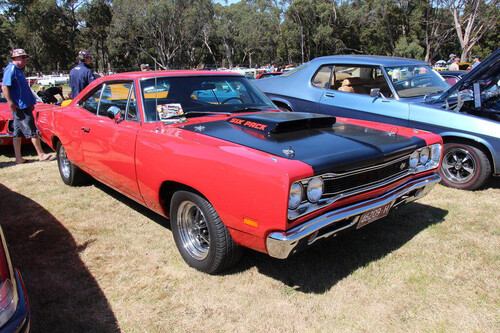
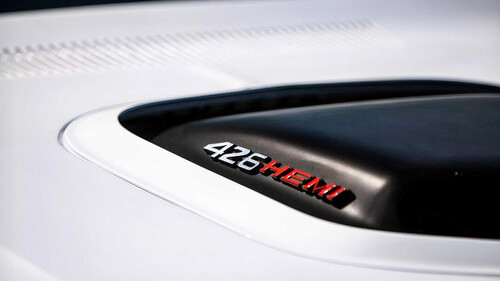
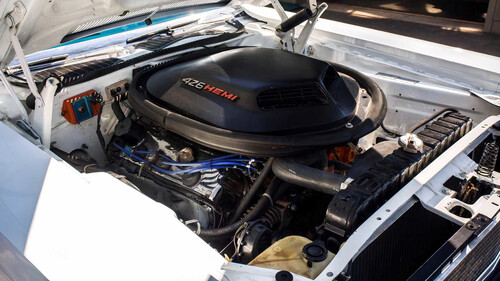
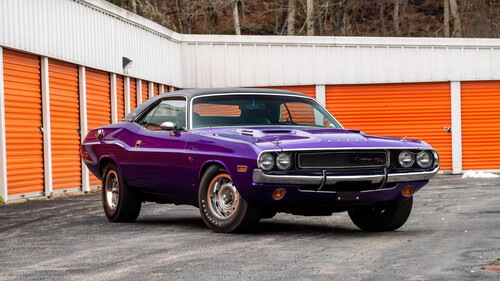
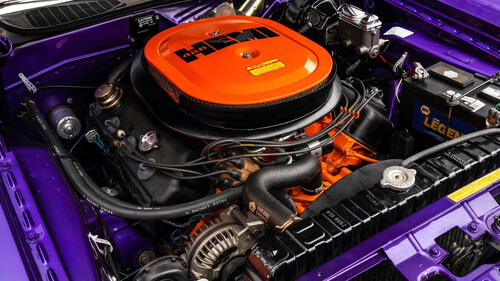
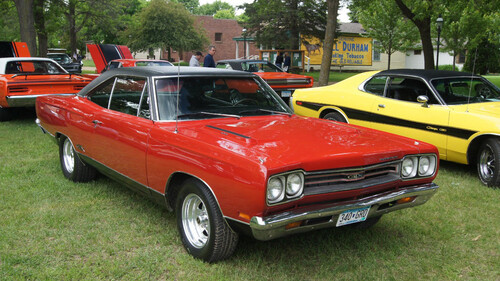
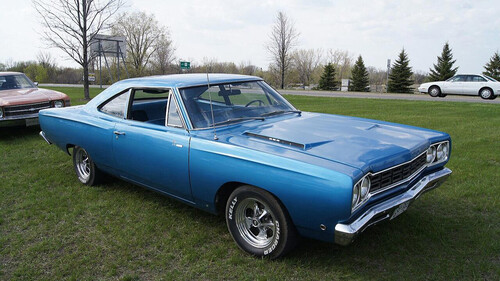
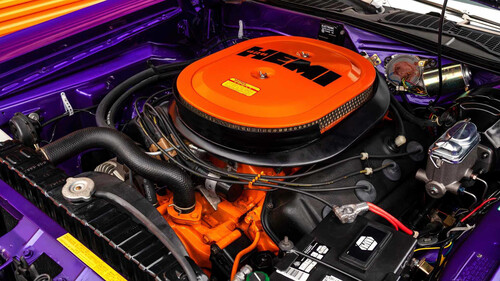
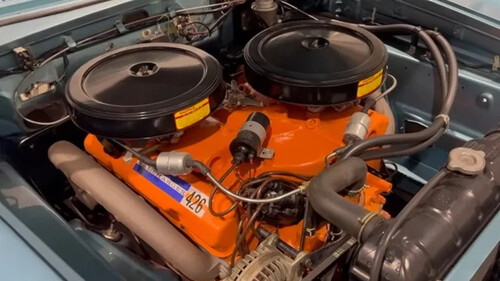
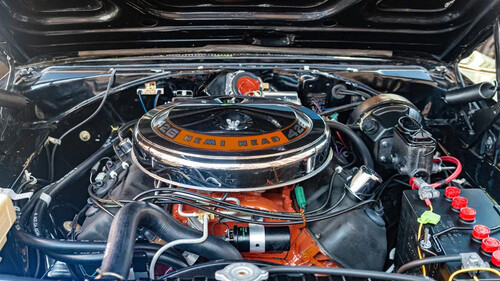
Sophie Wilson · 5 months ago@sophiewilson63The biggest difference between the 426 Hemi and 440 Six Pack is daily livability Liked by+47 othersChryslerDodgeDodge ChargerPlymouthPlymouth Road RunnerPost commentRelated Posts20 American cars that pushed performance to the edge of regulation 61 · Caleb Brown · 1 months agoThese muscle cars had serious performance but were overshadowed by Mustangs and Camaros 59 · Carter Anderson · 1 months agoChrysler's 426 Street Hemi was race hardware sold by accident 32 · Ava Bouchard · 29 days agoWhy Do So Many Cars Have 8-Speed Automatic Transmissions Now?Ethan Johnson · 20 days ago5 Of The Most Powerful Engines You Can Get In New Cars And TrucksNathan Morgan · 15 days agoHow fast were the fastest muscle cars, really? A look at 5 top speeds from the 1960s 66 · Samuel Clark · 2 months agoA Regular Ford F-150 Hybrid Is Quicker Than These 5 Legendary Muscle Cars 23 · Victoria Hill · 2 months ago5 '70s sales flops that became classics, and 5 popular cars that didn't 83 · Isabelle Bouchard · 1 months agoElectronic Gear Shifters Can Lead to Rollaway Accidents. Which Brands Have Fail Safes?Charlotte Carter · 22 days agoFuture Classics at Concours DevouJenna Roy · 15 days ago8 Mopars from the 1960s that changed performance expectations 65 · Jacob Côté · 3 months agoThe one-year-only muscle car that vanished without a trace 51 · Audrey Macdonald · 2 months agoHow most Americans missed out on the rarest Hemi drop tops 41 · Oliver Macdonald · 1 months agoThis 1966 Dodge Coronet 500 Hemi Is The Kind Of Survivor Collectors Dream AboutThomas Clark · 23 days ago5 of the fastest muscle cars you can buy at auction this weekendThomas Morgan · 15 days ago12 big-block monsters that defined the ’60s and ’70s 86 · Audrey White · 4 months agoThe muscle car era’s most reckless decision 28 · Adam Fortin · 2 months agoWhat Makes A HEMI Different From A Max Wedge? 34 · Sophie Girard · 1 months agoStellantis Is Betting Its US Comeback on Ram as Jeep FloundersJacob Côté · 23 days agoPancho Villa Died in a Hail of Bullets in This 1919 Dodge. A Century Later, You Can Still Count the HolesEmma Clark · 16 days ago




 +47 others