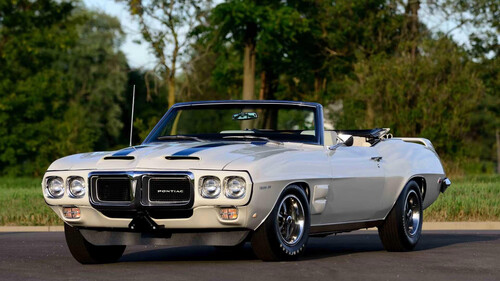
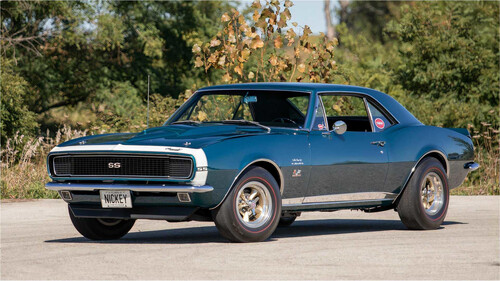
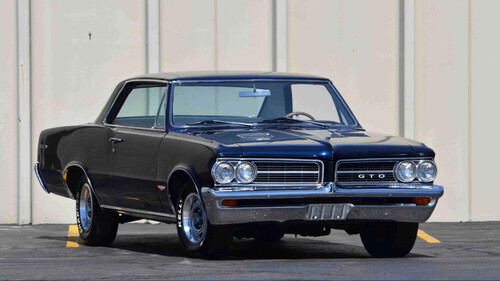
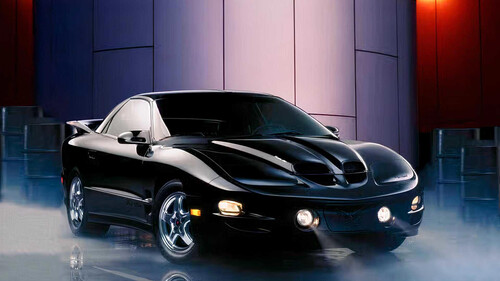
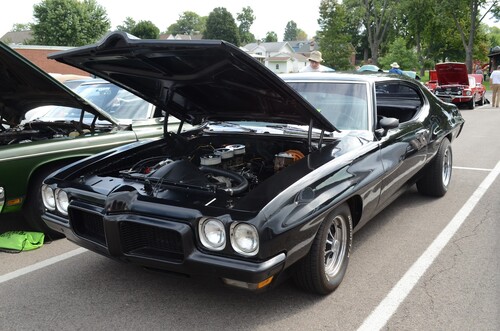
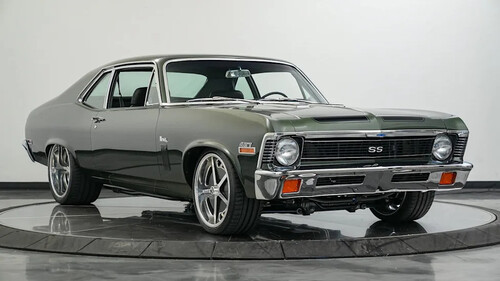
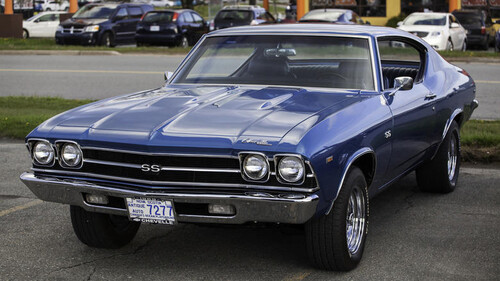
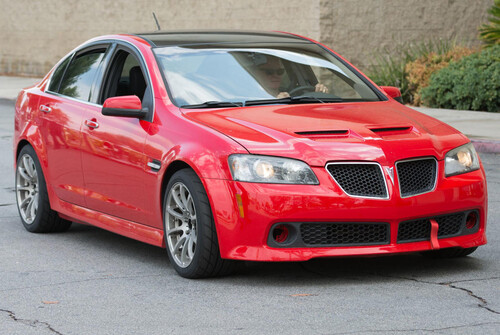
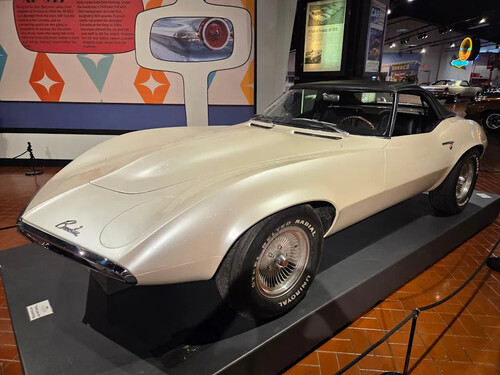
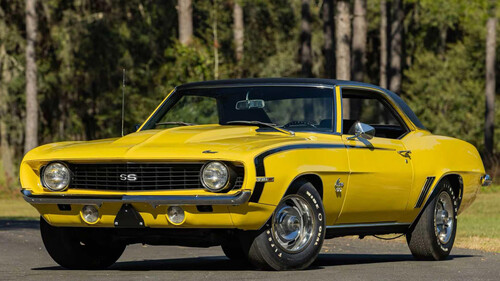
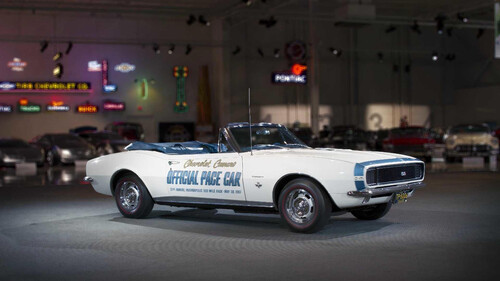
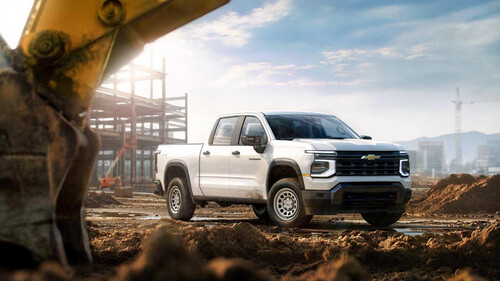
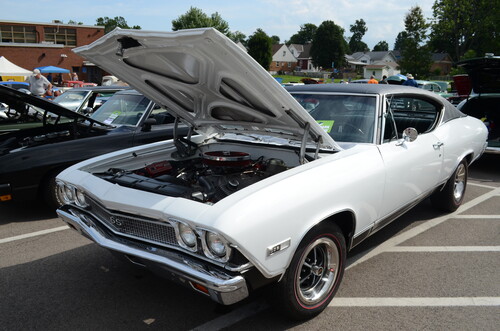
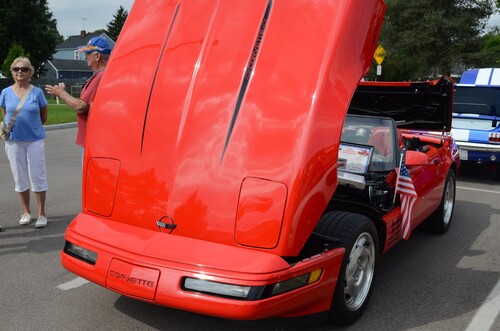
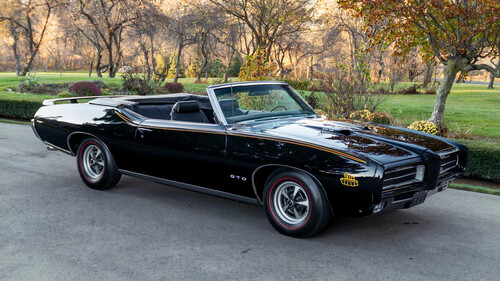
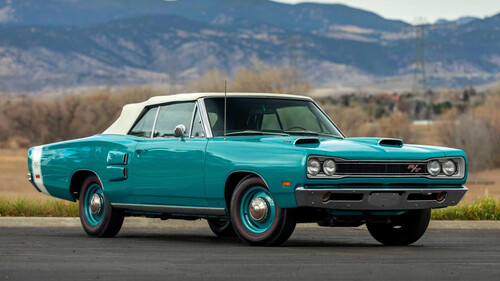
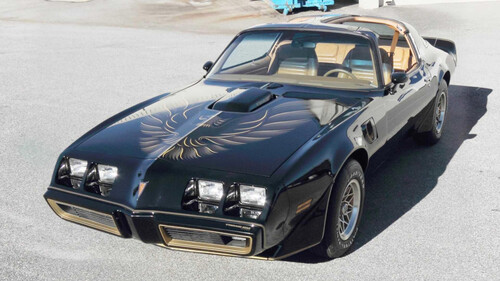
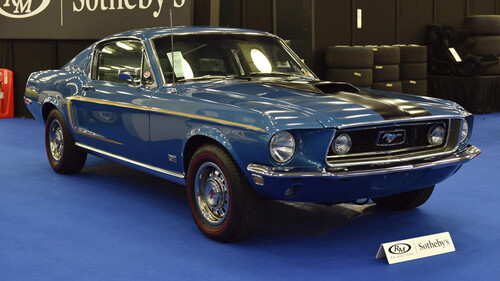
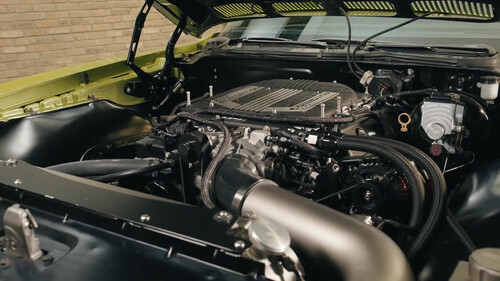
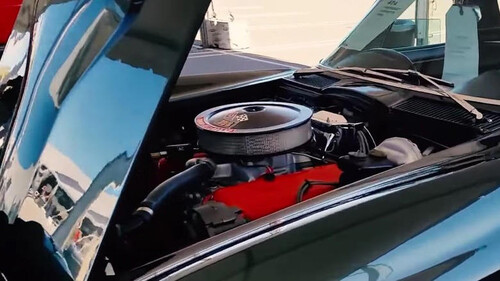
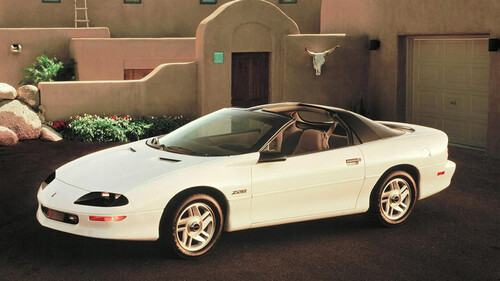
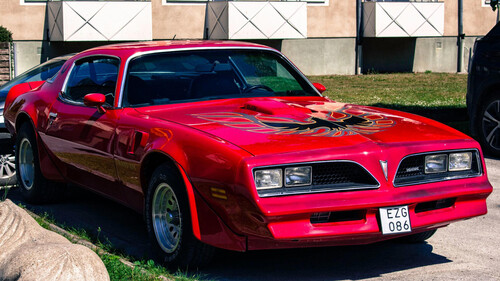
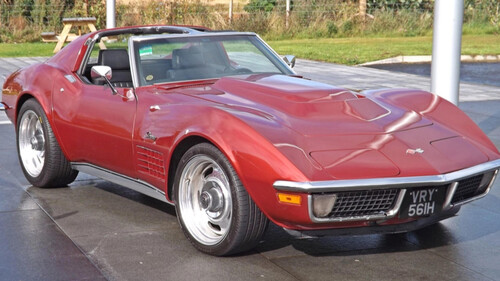
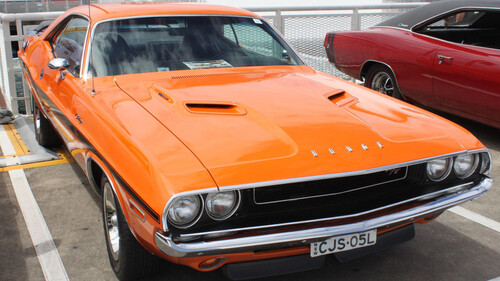
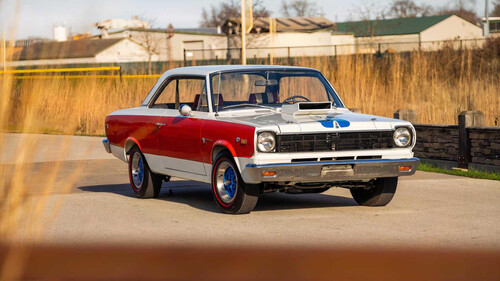
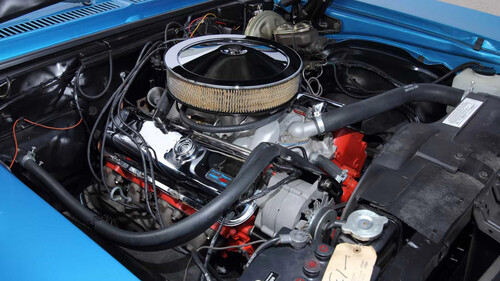
muscle cars are often thrown into one big pot, but the truth is every brand gave the scene its own flavor. Within General Motors, two names stood out more than most: Chevrolet and Pontiac. Both divisions built fast cars that defined the 1960s and 1970s, yet they went about it in completely different ways. You could park a Pontiac GTO next to a Chevrolet Chevelle SS and see two machines born under the same corporate parent but speaking entirely different languages.The Chevy muscle car world leaned into brute horsepower and broad appeal, while Pontiac played the role of rebel within GM’s structure. Pontiac marketed itself as younger, more daring, and more in tune with street racers than any of its siblings. Chevrolet may have owned the sales crown, but Pontiac carved out its legend by bending rules (and occasionally even going over the line) and building cars that looked and felt a little meaner. Chevrolet Focused On Big Power And Mass Appeal American Muscle Car MuseumChevrolet muscle cars were designed to sell in high numbers, and they delivered big results on the street and at the dealership. The Camaro, Chevelle, and Corvette all had wide-ranging engine options that made them accessible to anyone from a college student on a budget to a buyer ready to drop serious cash on a top-dog model. A Muscle Car For Every Taste MecumThe Chevelle SS 454 LS6 is the perfect example. In 1970, Chevrolet gave buyers a car rated at 450 horsepower and around 500 pound-feet of torque, numbers that were astronomical for the era. The Camaro Z/28 went a slightly different direction, pairing a high-revving small block with track-ready suspension. Chevy muscle was all about giving the customer exactly what they wanted at every price point. Whether you were after raw quarter mile times or just wanted something loud and fun to cruise, Chevrolet had an option on the lot.This mass-market approach is why Chevy muscle cars became so common in every corner of America. Their appeal was wide, their pricing was competitive, and their performance was there in spades. You didn’t have to look far to find a Chevelle or Camaro holding court at the local drag strip. Pontiac Chased Attitude And Identity Sports Car MarketWhile Chevrolet went broad, Pontiac chose, let's say, a more unique route. Pontiac’s muscle cars were meant to stand out from the pack. The division is often credited with sparking the muscle car craze outright with the 1964 GTO, a midsize coupe stuffed with a big V8 that GM executives initially resisted. That rule-breaking move set the tone for everything Pontiac would do afterward. The Bad Boys Of GM HagertyThe GTO was a fast car, sure, but it was also marketed as a lifestyle. Ads featured younger buyers, racetrack settings, and a sense of rebellion. Pontiac was selling more than horsepower; It was selling the idea that its cars were the bad boys of GM. This attitude carried through models like the Firebird and later the Trans Am, which were dripping with personality from shaker hoods to bold decals.Underneath the styling, Pontiac often tuned its cars differently than Chevrolet. Engines like the 389 and later the 400 and 455 cubic inch V8s delivered serious torque, but Pontiac also played with Ram Air setups and aggressive gearing to keep their cars competitive. Buyers were attracted as much by the image as they were by the numbers. A Trans Am with the Screaming Chicken decal on the hood made just as big a statement as a Chevelle with a cowl induction scoop. Styling And Image Set Them Apart Bring A TrailerChevrolet muscle cars were styled to be accessible and familiar. The Camaro borrowed design cues from the Corvette but kept things restrained enough to appeal to a wide audience. The Chevelle had clean, muscular lines that spoke to middle America buyers who wanted power without going too wild. Even the Corvette, while exotic by American standards, still carried a certain mainstream polish that kept it firmly in the Chevrolet lineup.Bring A TrailerPontiac, on the other hand, leaned heavily into theatrics. The GTO wore stacked headlights and aggressive grilles that set it apart from Chevrolet’s cleaner look. Later, the Firebird and Trans Am pushed the styling envelope further with scoops, spoilers, and loud graphics. Pontiac was not afraid to sell flash along with speed. Image was central to Pontiac muscle cars, with each model designed to project confidence and stand out in a crowd. This flair helped Pontiac build a reputation as the stylish and rebellious counterpoint to Chevrolet’s more conventional strength. How The Two Brands Approached Performance Bring A TrailerBoth Chevrolet and Pontiac built muscle, but they approached performance in different ways. Chevrolet leaned into raw power figures, dropping big block engines like the LS6 454 into cars that could dominate drag strips straight out of the box. The Corvette L88 was another halo machine, underrated at 430 horsepower but known to deliver far more when uncorked. Chevy muscle was about giving buyers access to factory-backed firepower that could be upgraded even further with dealer parts. Punching Well Above Its Weight via MecumPontiac had to be more creative. GM’s internal rules limited displacement for midsize cars, so Pontiac engineers skirted those regulations with clever packaging and performance packages. The Ram Air IV GTO in 1969 was officially rated at 370 horsepower, but its aggressive cam and high-flowing heads meant it punched above its weight on the street. The Firebird Trans Am added handling chops to the equation, offering a more balanced feel compared to the straight-line domination of Chevrolet’s Chevelle SS.At the drag strip, Chevrolet usually had the edge with sheer numbers, but Pontiac muscle cars gained a reputation for surprising bigger engines and playing the underdog role. Buyers who wanted the obvious heavyweight picked Chevrolet. Buyers who wanted to feel like they were in on a secret leaned on Pontiac's offerings. The Legacy Of Chevrolet And Pontiac Muscle Cars MecumToday, the difference in philosophy between Chevrolet and Pontiac is part of what makes collecting them so interesting. Chevys like the Chevelle SS 454 and the first-generation Camaro are highly sought-after for their brute strength and status as icons of the era. The Corvette continues to this day as proof that Chevy muscle wasn’t just a fad but a permanent part of American performance. One Question, Two Completely Different Answers American Muscle Car MuseumPontiac’s story is more bittersweet. With the brand gone since 2010, its muscle cars carry an extra aura of nostalgia. A 1969 GTO Judge or a second-generation Trans Am isn’t just a cool piece of history, but a reminder of a company that built its entire identity on standing apart. Collectors value Pontiac muscle for its character and its willingness to push back against GM’s conservative tendencies.When you put Chevrolet and Pontiac side by side, you see two divisions of the same parent company creating completely different answers to the same question. Chevrolet built the heavyweight hitters that everyone knew, while Pontiac built the cars that captured the imagination of rebels and dreamers. Both left legacies that muscle car fans still argue about decades later.Sources: Hagerty.