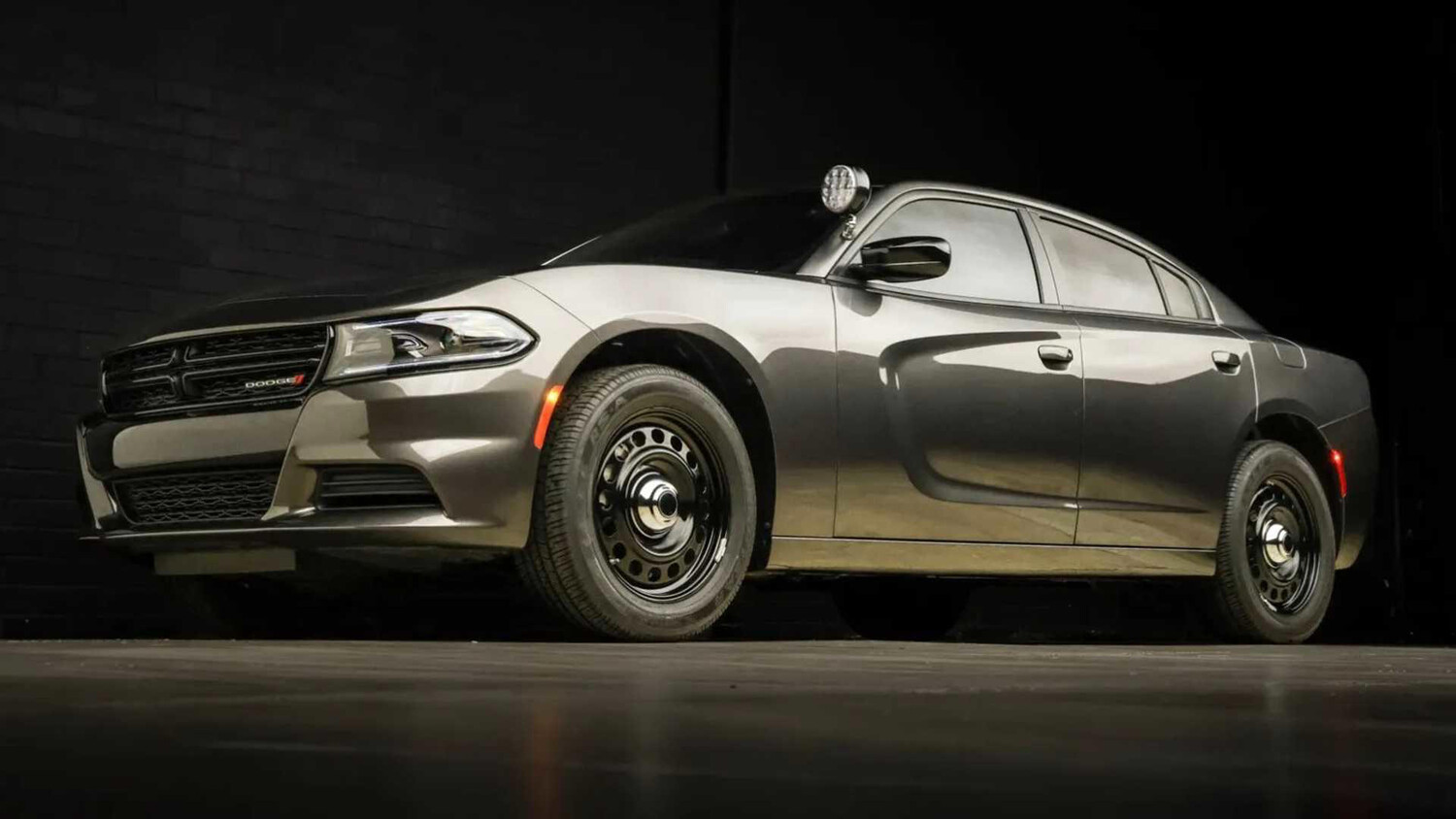
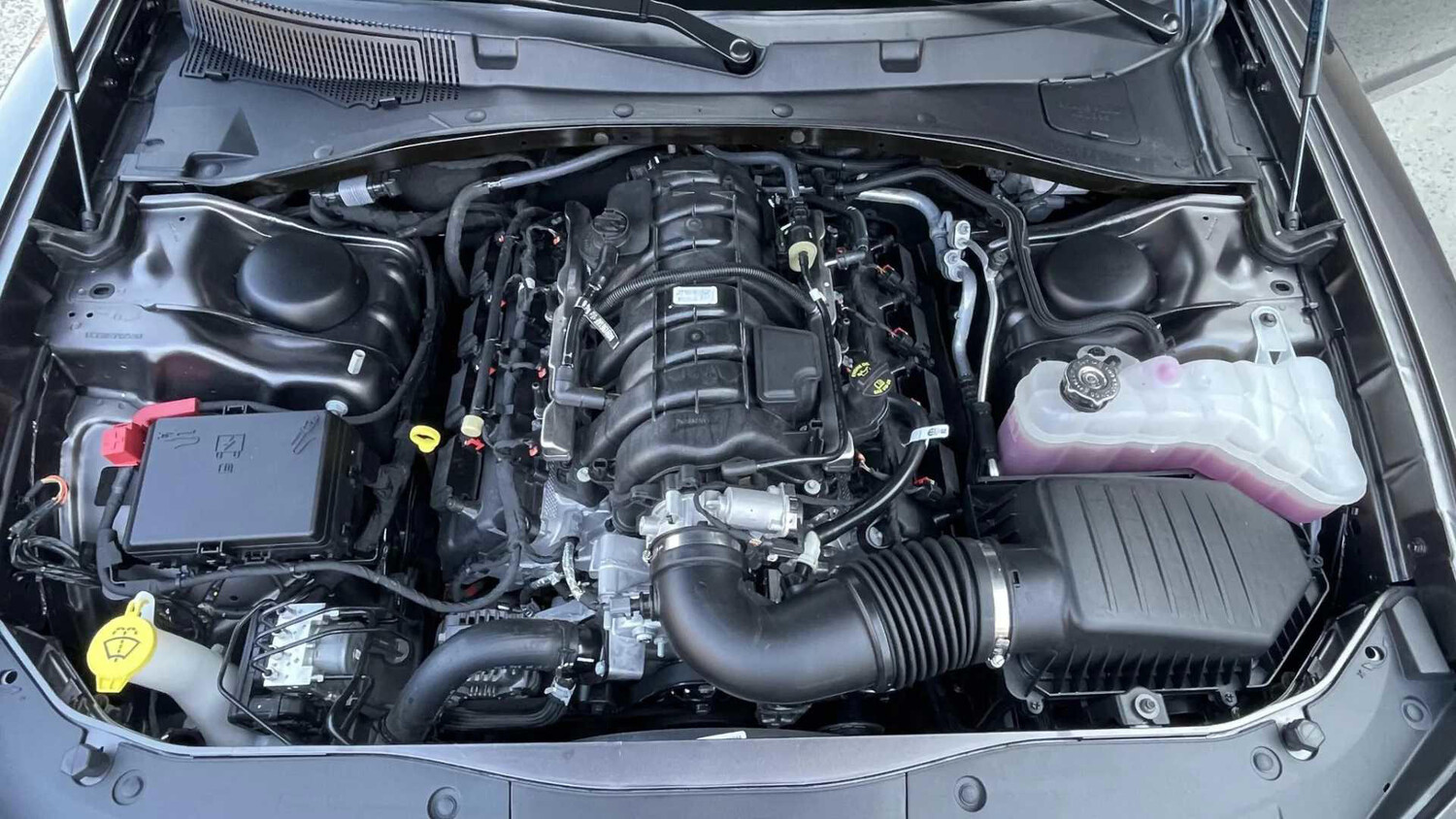
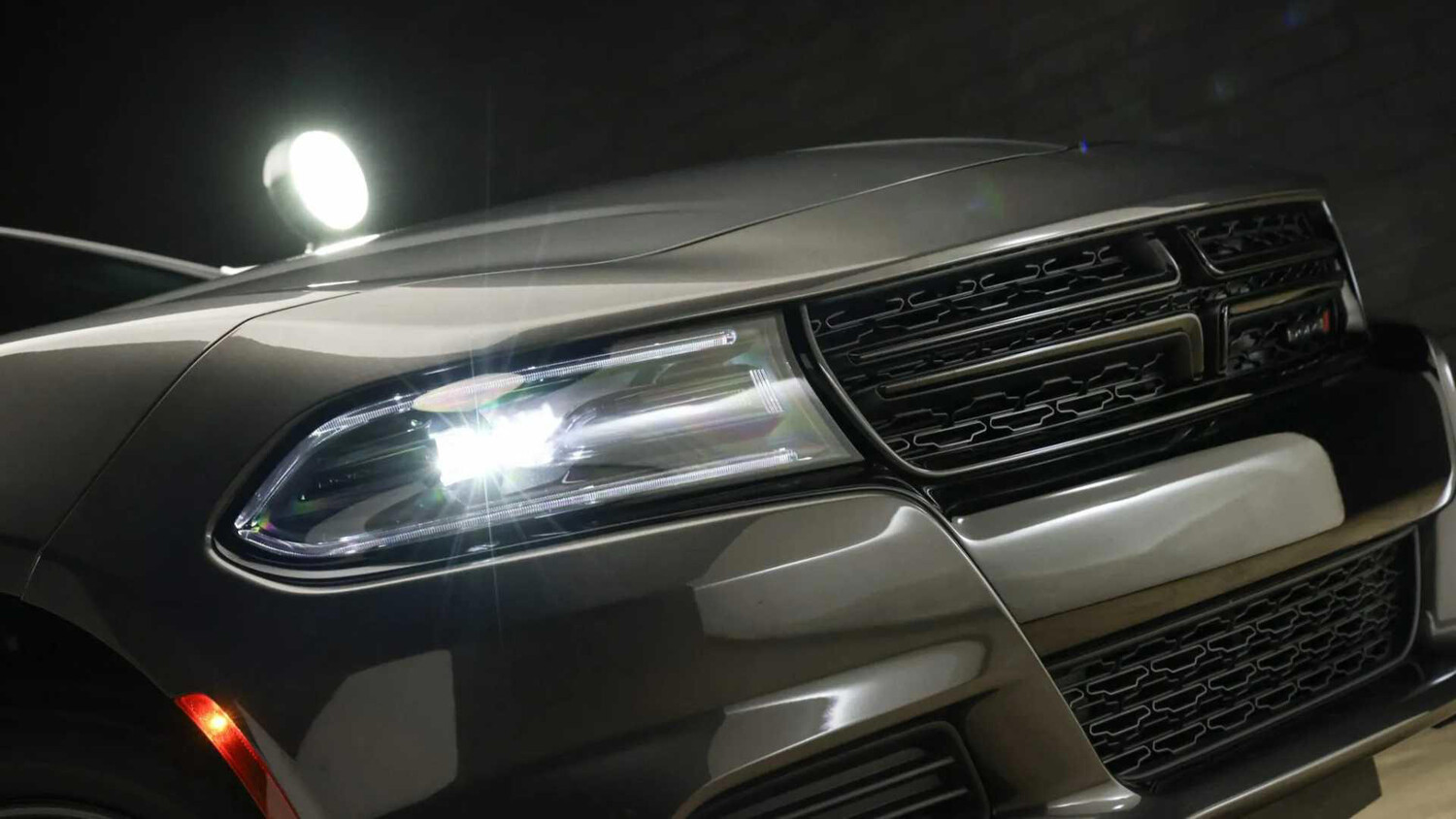
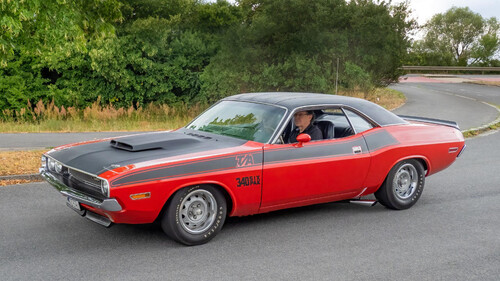
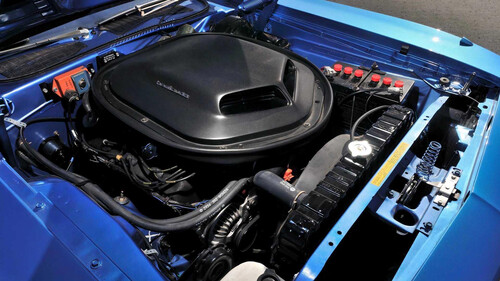
As many of you reading this will know, Dodge recently resurrected the Charger model after a brief hiatus. According to the brand itself, the decision was made to go through with the resurrection to preserve its muscle car history, while also offering the nameplate with multiple energy options, such as ICE and BEV power. However, prior to the Charger being axed in 2023, it served as one of the most popular police pursuit sedans on the market.Other than being the final pursuit-rated sedan on the market so far, police departments loved the Charger Pursuit because of its unique Hemi/AWD combo offered between the 2015 and 2020 model years. Civilian versions of the Charger didn't offer the combination from 2015 onward, so buyers had to choose between all-wheel drive or the Hemi V8. Because of this, the facelifted seventh-gen Charger Pursuit models are highly sought-after in the surplus auction and private-sale markets. After all, Hemi power with all-wheel drive traction does sound pretty darn tempting. What Goes On Under The Pursuit-Rated Skin Bring A TrailerIt goes without saying that the star of the pursuit-rated show here is Chrysler's 5.7-liter Hemi V8. Hemi, for those who don't know, stands for hemispherical combustion chambers, a staple Chrysler design since the 1950s. Specifically, the version used by the Charger Pursuit is a third-gen iteration which first entered the market in 2003 and received a major overhaul in 2009. By the time the facelifted Charger Pursuit came about in 2015, the revamped Hemi mill had already been well established.While the motor was also offered on civilian models, the Charger Pursuit's version carried a litany of pursuit-specific upgrades. For starters, it received a 220-amp alternator, a necessary addition due to the excess of lights, sirens, and electrical equipment used in police cars. It also boasted what Dodge called "Severe-Duty" engine cooling, designed to cool the motor even under wide-open throttle for long periods. Adding to the list of heavy-duty kit is an upgraded power steering cooler.Bring A Trailer Backing up the police-grade engine is a five-speed "W5A580" automatic transmission. While five gears was a bit archaic for a relatively new car, Dodge continued to offer the older gearbox due to its ability to withstand hard treatment. The eight-speed found in civilian Chargers equipped with Hemi V8s was deemed too weak and expensive to repair. Once production of the W5A580 ceased as a whole, a large swath of inventory was set aside for exclusive use within the Charger Pursuit models. By 2021, the surplus inventory was used up, but the AWD, Hemi-equipped Charger Pursuit, had been discontinued.*Specs courtesy of Stellantis The All-Wheel Drive System Bring A TrailerThe Charger Pursuit's all-wheel drive system was first introduced in 2014. It was specifically designed for use in the Pursuit model with input from Chrysler's Police Advisory Board, due to a large amount of reported popular demand. The setup consists of a few unique attributes, such as the ability to completely disconnect the front axle when not needed, allowing the Charger Pursuit to save fuel while cruising. The front axle will automatically reengage when the system senses either adverse road conditions, harsh driving, or even below-freezing temps. Just How Stout Is The Charger Pursuit? Bring A TrailerOverall, the seventh-gen Dodge Charger carries below-average reliability. According to RepairPal.com, the big sedan ranks 10th out of 12 full-size cars for the 2020 model year and earns a 3.5 out of 5-star reliability rating. Those in the business of mathematics will deduce that a 3.5 out of five rating is a solid "C" grade. Furthermore, the Pursuit-rated Chargers also suffer from some unique issues stemming from the job of policing.Bring A Trailer Police cars tend to spend a ton of time idling. When police officers are parked somewhere, chances are the engines in their cruisers are running. Idling a car for a long time, thousands of hours over the course of a police cruiser's life, weakens motors and wears parts out prematurely. The third-gen Hemi found within the 2015 to 2020 Charger Pursuit is uniquely prone to valvetrain issues related to premature cam or lifter failure. The classic Hemi lifter tick, known as the "Hemi Tick", can occur early in the engine's life in terms of odometer mileage.Bring A Trailer Another issue regarding the Charger Pursuit's reliability is component costs. Because it uses severe-duty components like brakes and a stiffer, more robust suspension, replacing these Pursuit-specific parts can prove to be much more costly than standard. For example, a set of brake pads and brake rotors for a standard seventh-gen Charger costs less than replacing the same components on the Pursuit model. This is due to it having larger, severe-duty rotors and larger pads. How It Stacks Up To Other Police Cars Even in the world of police fleet sales, the Charger Pursuit had to put up with a fair bit of competition, and the actual pool of adversaries was much smaller than it was in the mass market. During the facelifted, seventh-gen Charger Pursuit's debut year, it needed to go up against the Ford Police Interceptor Sedan (Taurus) and the Chevrolet Caprice PPV, the latter being a wholly-fleet model, as no civilian versions were produced for the US market. Ford Police Interceptor Sedan FordWhen it came to being a police sedan, the Ford Police Interceptor Sedan (FPIS) seemed to be the king of the hill. While the Charger Pursuit made an impressive amount of power, the FPIS, when properly equipped, nearly matched the Charger with two fewer cylinders. In addition, the FPIS was known as being the fastest pursuit-rated model ever produced, with a top speed of 150 mph. Both naturally-aspirated V6 engines and a twin-turbo EcoBoost V6 were offered. It also offered AWD, along with a gigantic list of police-specific kit, such as stab-proof front seat backs, frame reinforcement, and heavy-duty suspension and brakes. It was discontinued following the 2019 model year.Here's a head-to-head spec comparison between the twin-turbo '19 FPIS and the '19 Charger Pursuit:*Specs courtesy of Ford & Stellantis Chevrolet Caprice PPV Cars & BidsIf anyone reading this is Australian — or simply knows about Aussie-market cars — the model above probably looks familiar. That's because, in the Land Down Under, the Chevy Caprice Police Patrol Vehicle, or PPV, is actually a Holden Caprice. Chevy struck a captive import deal with Holden to supply various municipalities in the US who were seeking an old-school, rear-drive, V8-powered pursuit vehicle. State police agencies were particularly keen to get a fleet of Caprice PPVs, mainly due to its huge, 6.0-liter engine. Sometimes, you need a big engine to catch a bad guy, and the Caprice PPV had it. Like the FPIS, the Caprice PPV also left the market before the Charger Pursuit did, this time in 2017.*Specs courtesy of Stellantis & LapMeta.com The Charger Pursuit Hemi AWD Is Pay-To-Play Bring A TrailerTypically, older police vehicles, save for the Ford Crown Victoria Police Interceptor, typically carry little resale value. They've usually been used and abused several times over, and all that time idling has taken its toll, driving the value down further. However, because of the seventh-gen Charger Pursuit's use of the AWD/Hemi combo, its pricing stays relatively high. For example, one model was recently reported sold by CarGurus for a price of $15,038, and that's for a 2017 model with over 100,000 miles on the clock. But, it had that fabled combination, driving that price right up.So, you can buy one, but you'll have to pony up over other ex-police cars of its caliber.