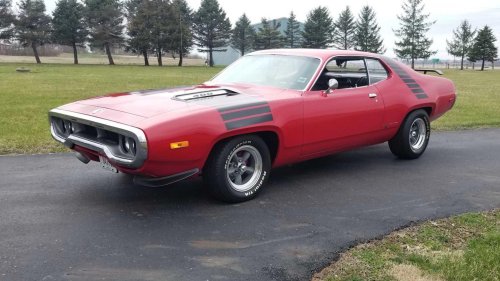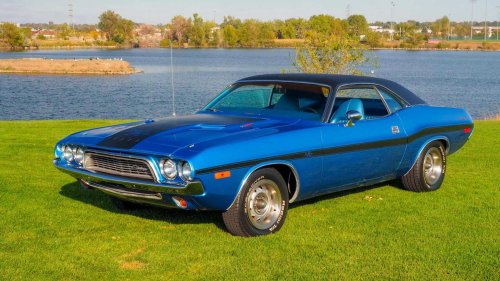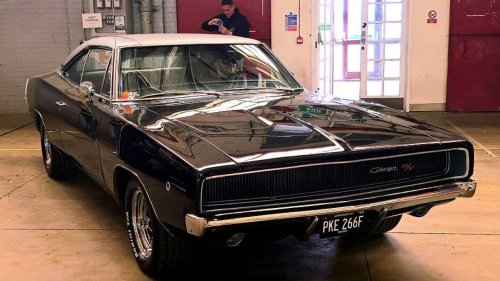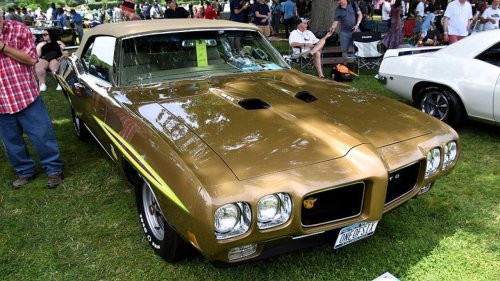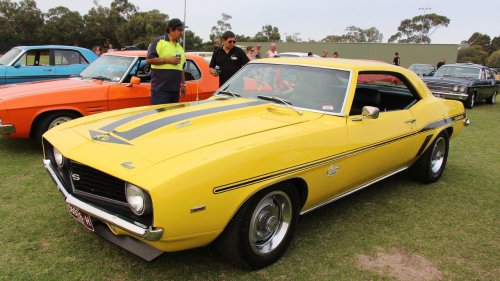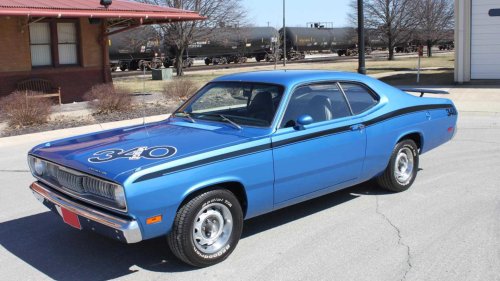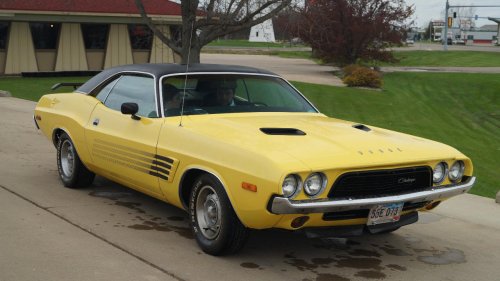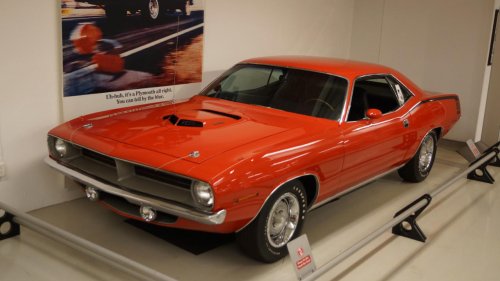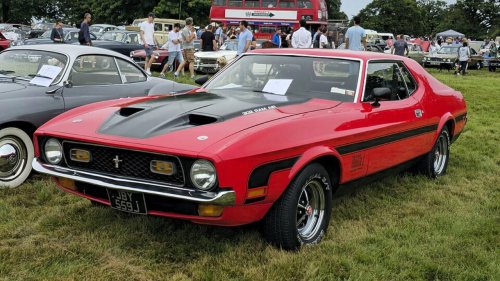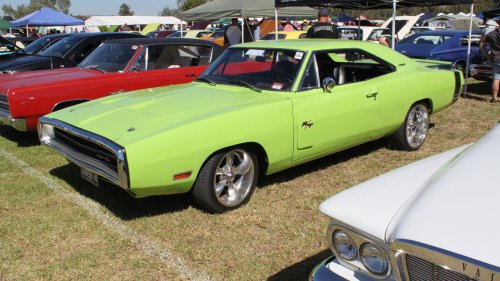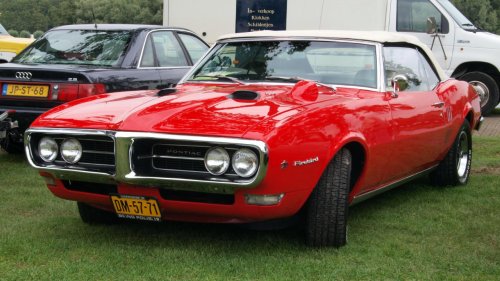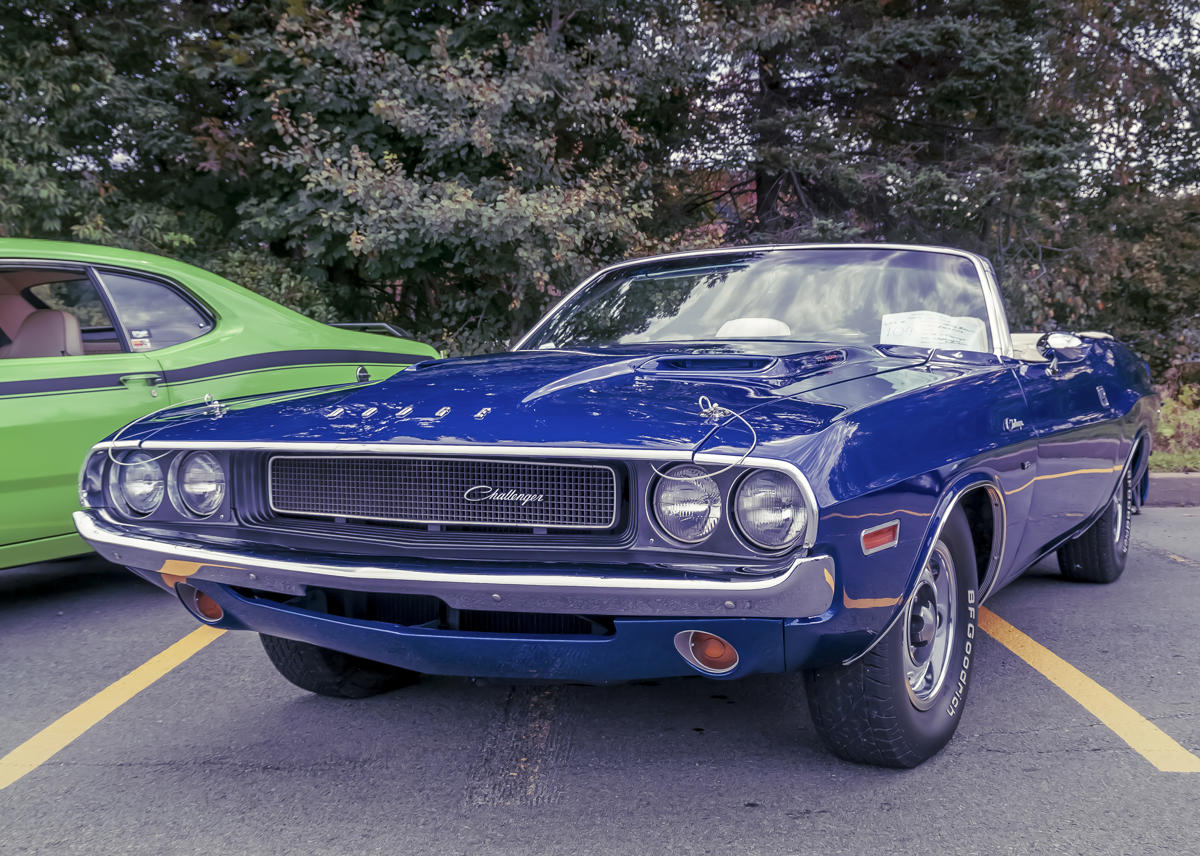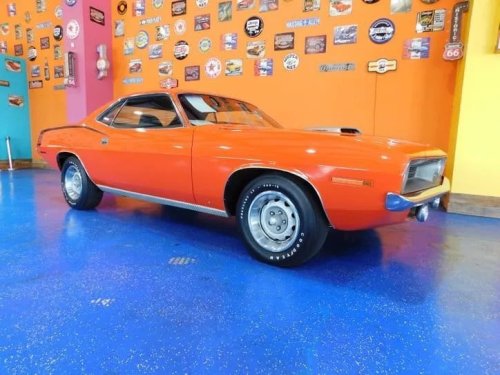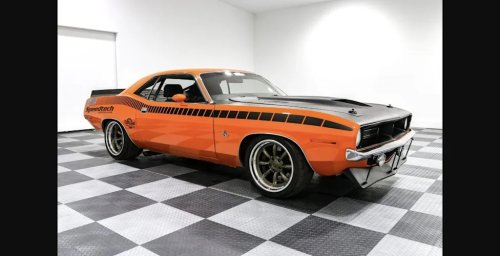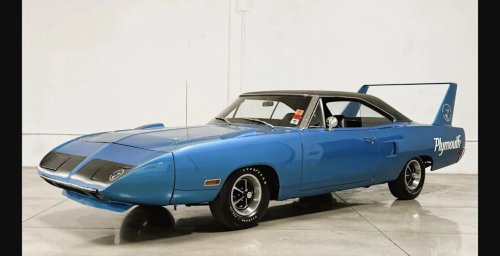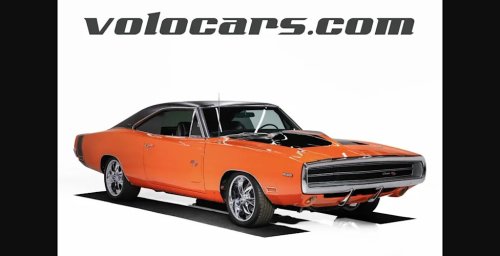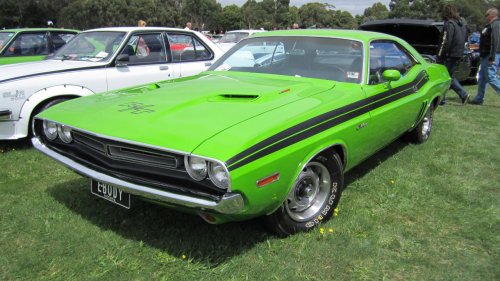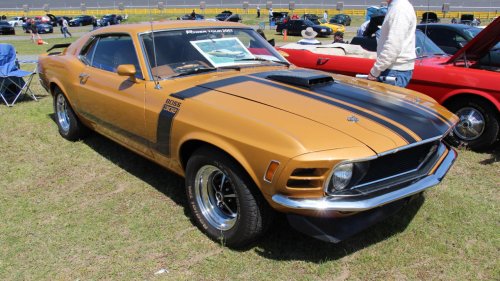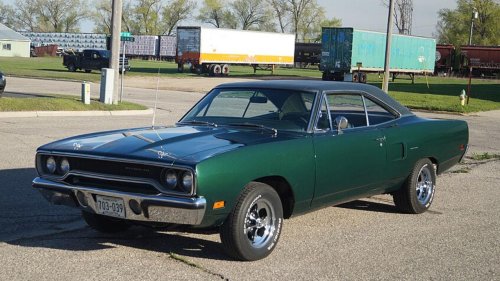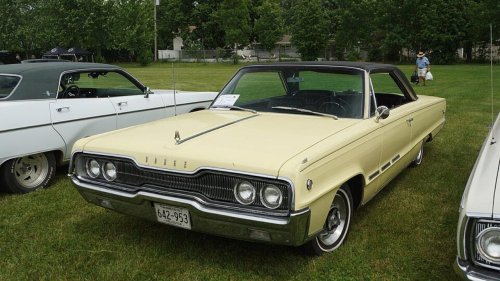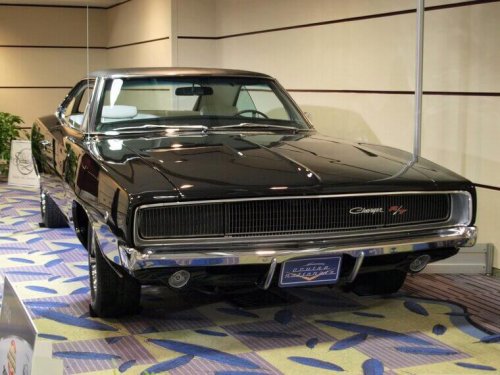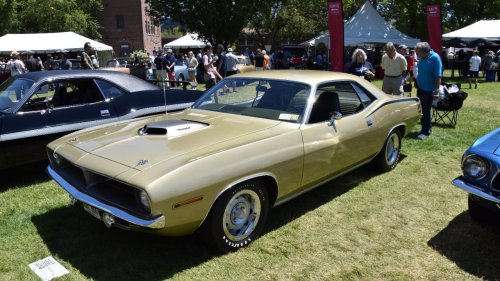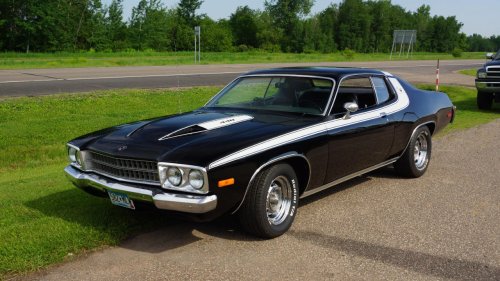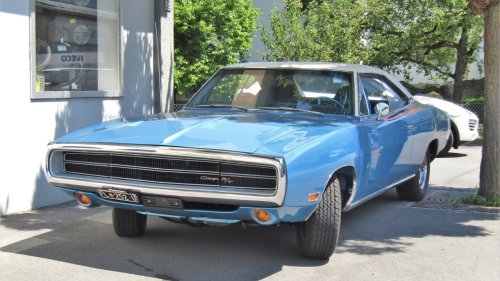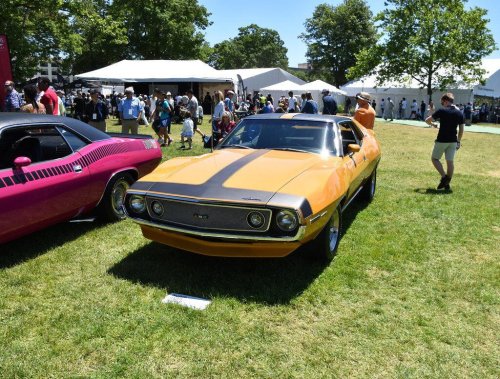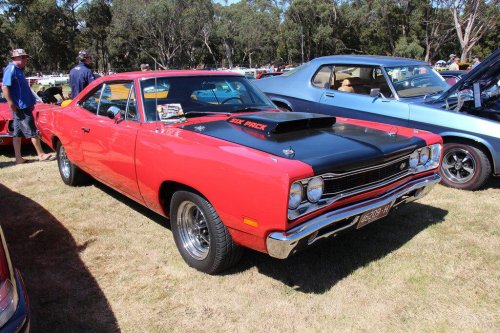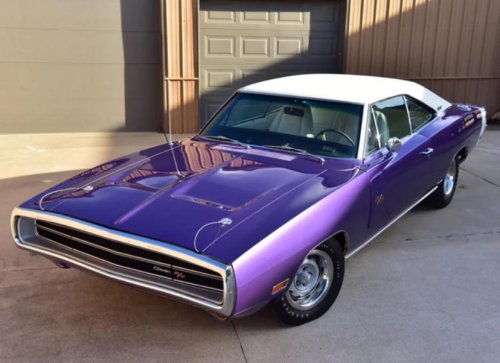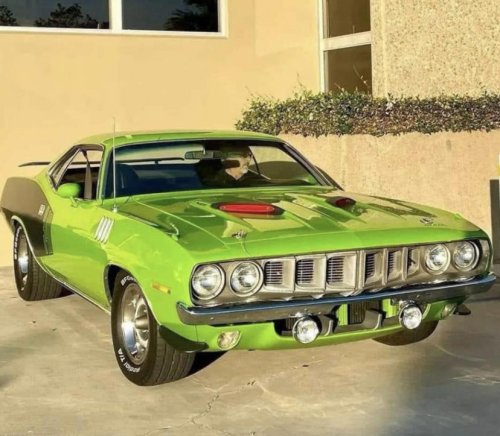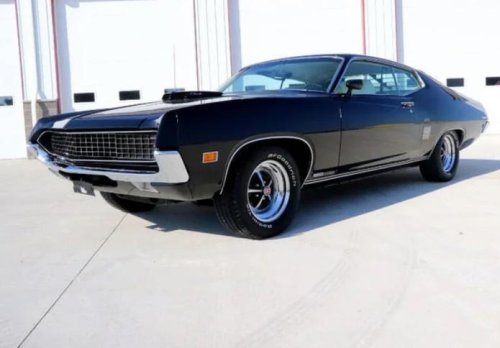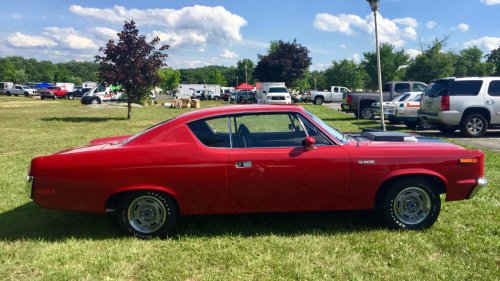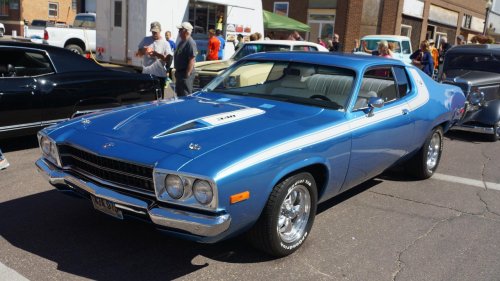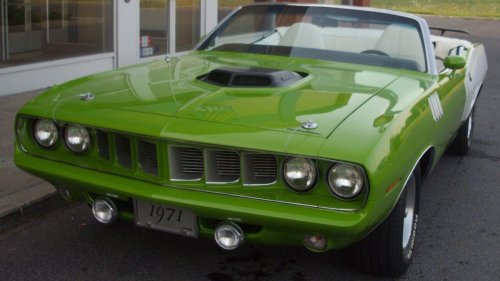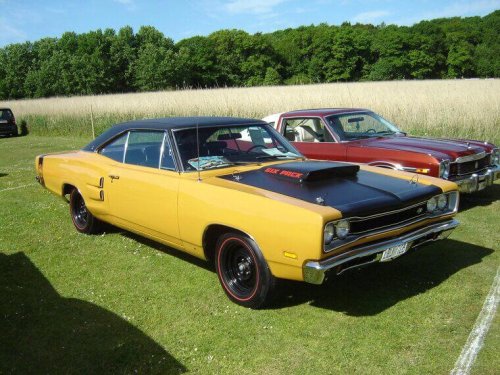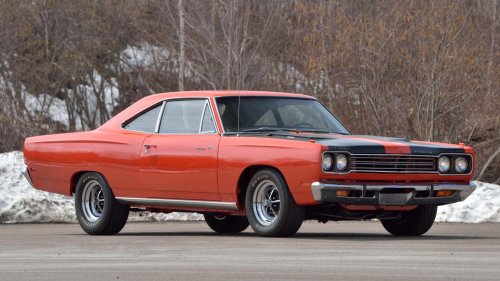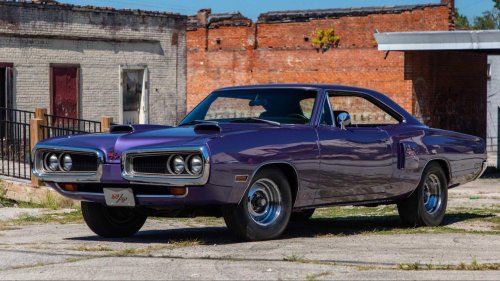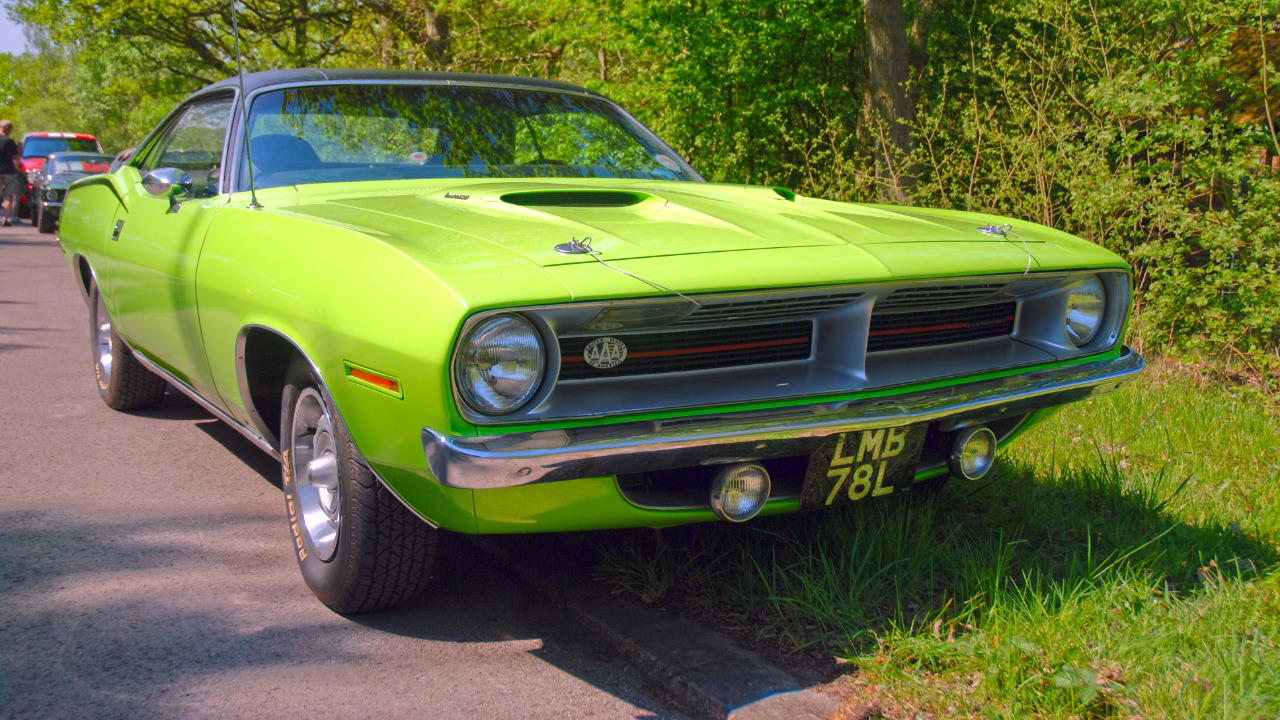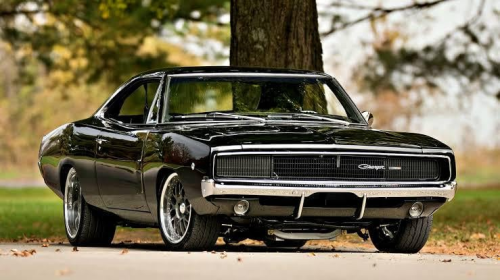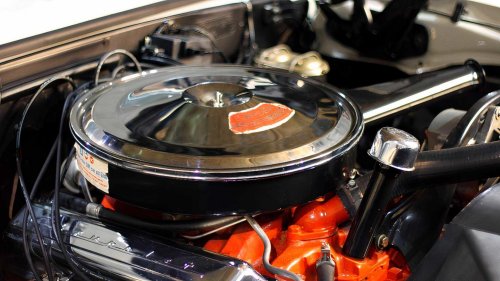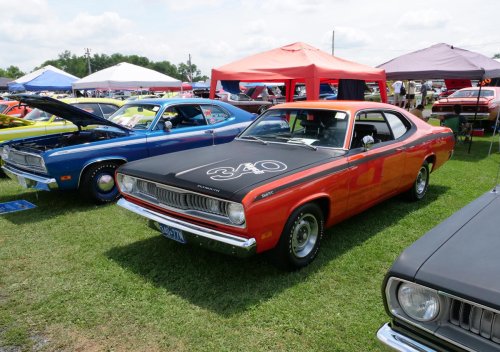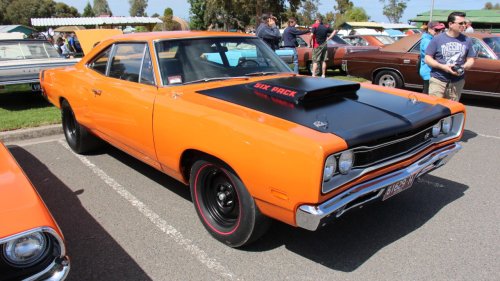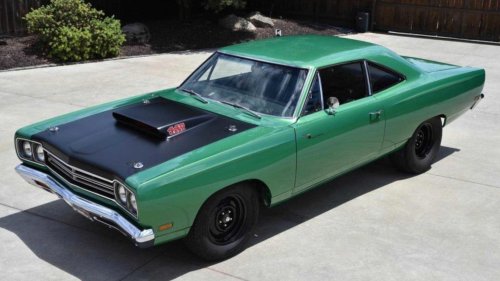
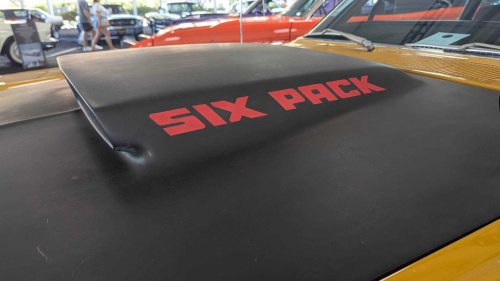
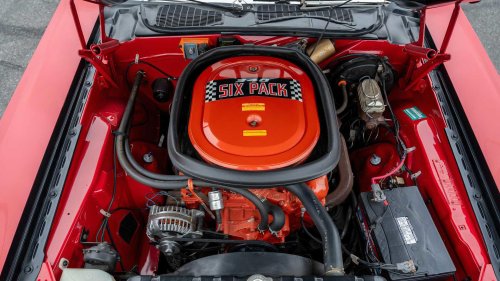
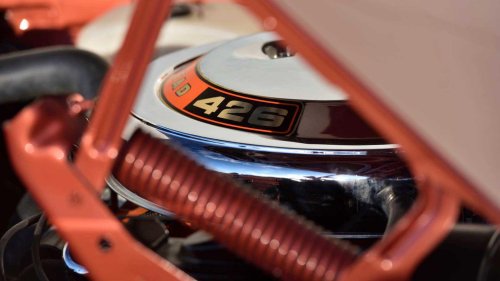
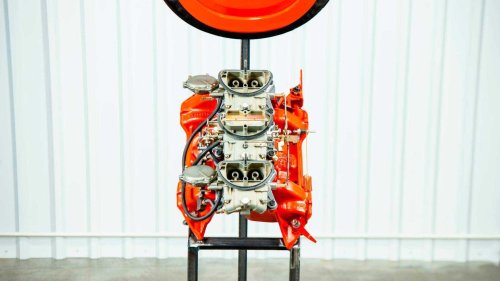
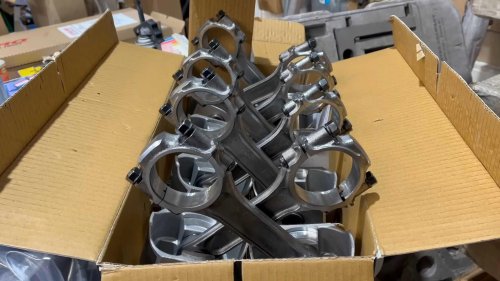
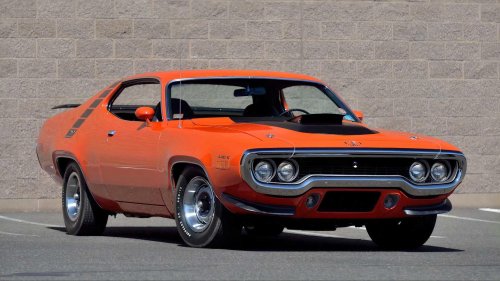
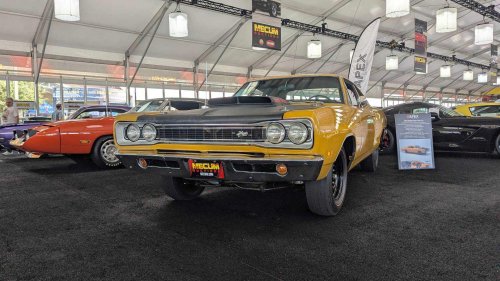
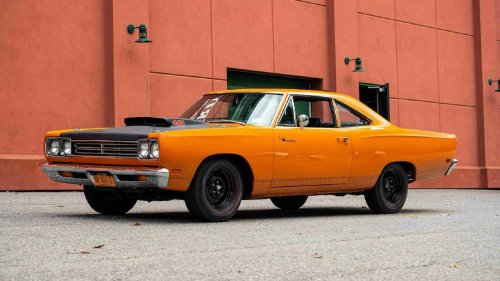
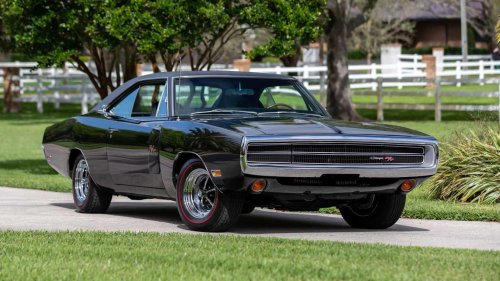
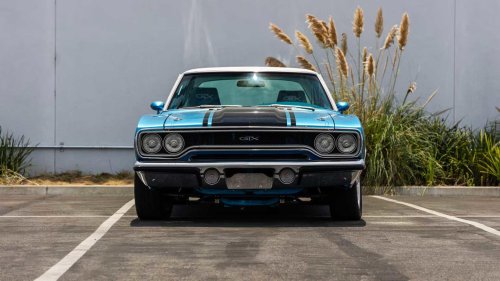
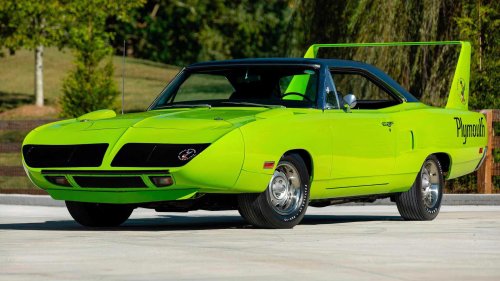
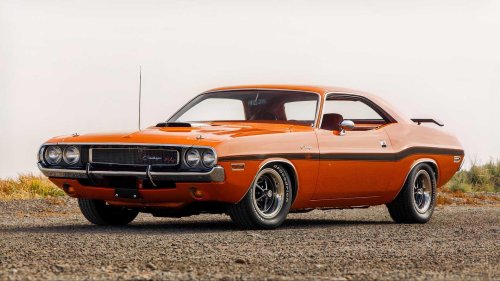
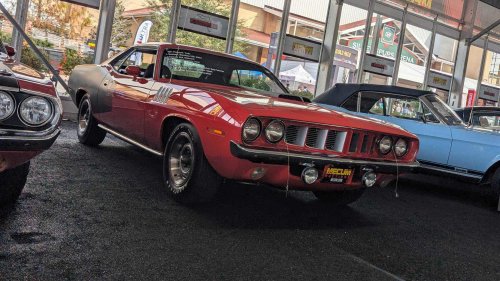
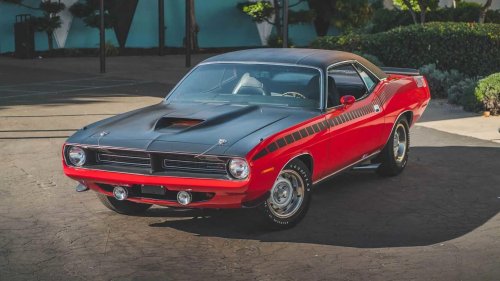
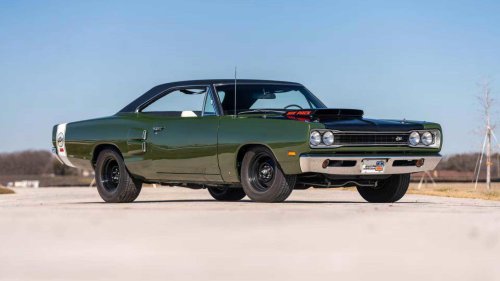



















Everyone remembers Dodge's mighty street Hemi. Simply muttering the displacement numbers, “426,” was enough to scare off would-be challengers. Though, there was another forbidden phrase that could make even the Elephant shake in its boots.Six-Pack was the name given to Mopar’s meanest street engines. Sure, things change when modifications enter the conversation, with the 426 Hemi still being used for the fastest, most powerful top fuel cars to date. However, when we’re talking stock against stock, the Six-Pack didn’t just beat the Hemi off the line; it ran the fastest quarter-mile time for any factory-equipped muscle car of the 1960s. Knowing what it means not only clues you in on some wild trivia, but it gets you one step closer to building your own Mopar big block that could beat the daylights out of anything in its path. The A12 Cars Were The Meanest Muscle Cars From Detroit Bring A Trailer In the late 1960s, the horsepower wars were at their peak. All bets were off as every manufacturer pushed the envelope, introducing more and more ridiculous muscle cars year after year. Halfway through the 1969 model year, Mopar released two absolute monsters that would settle the score once and for all.The legendary A12 cars were based on the Plymouth Road Runner and Dodge Super Bee. They had black steel wheels, heavy-duty axles, and a big secret peaking through the scoop on the special lift-off fiberglass hood.Ronnie Sox of Sox and Martin got behind the wheel of the Plymouth, and dashed through the quarter-mile in just 12.9 seconds. That was the fastest pass achieved by any standard factory-equipped muscle car of the era, even outrunning the Hemi. Naturally, gearheads still strive to replicate the A12’s potency to this day, but it's all thanks to the 440 Six-Pack under its hood. The 440 Six-Pack Was Mopar’s Greatest Street Engine Hank O'Hop/HotCarsThe A12 Super Bee and Road Runner were nearly identical cars, with the only difference in the equipment being the nomenclature. Both were equipped with 440 cubic inch engines breathing through a three-two-barrel carburetor setup. The combo was known as 440 Six-Barrel on the Plymouth and Six-Pack on the Dodge. The world adopted the latter, with 440 Six-Pack becoming a name synonymous with ultimate Mopar performance.Bring a Trailer In 1969, high-performance 440 engines equipped with a four-barrel produced 375 horsepower and 480 lb-ft of torque. While respectable for its time, it lived in the shadow of the 426 Hemi that was rated to produce 425 horsepower and 490 lb-ft of torque. The 440 Six-Pack engines split the difference with a rating of 390 horsepower and 490 lb-ft of torque. However, this remains a notable example of when the manufacturer was pulling punches, with real-world dyno tests showing they made closer to 420 horsepower in stock trim. 440 Six-Pack VS 440 4-Barrel VS 426 Hemi MecumThe 440 Six-Pack engine is coveted not only for its brutal acceleration capabilities but also for its mild street manners on top of it all. It was the exact opposite of the 426 Hemi, which was essentially a race engine that was adapted to mass-production cars, which was known to be temperamental at low speeds. With a 440 Six-Pack under the hood, you could cruise through traffic all day long with ease and dominate the strip without a concern in the world. Its versatility earned its reputation as one of the greatest muscle car engines of all time. What Made A Six-Pack So Special Mecum So, what made a 440 Six-Pack so special? The Holley Six-Barrel carburetor setup was the star of the show. As opposed to using a single four-barrel Carter carburetor, as you’d find on regular high-performance 440 engines, Chrysler set these motors up with three two-barrel carburetors to get the job done.These setups weren’t the first of their kind, with plenty of tri-power engines preceding them from other makes. However, the 440 did seem to make the best use of it. The center carburetor controlled cruising conditions, helping these motors feel mild-mannered and even achieve decent fuel economy. Though when you crank the throttle and let those outboards open up, the power hits like a sledgehammer, turning the car into a missile on wheels.That’s not to say the induction system was the only thing that separated the 440 Six-Pack from the regular 440 is the induction system. A bump in compression and a special cam grind worked to give them a bit of an edge. However, simply dropping the Six-Pack setup on any 440 is sure to wake it up. What About Six-Pack Rods? via Dead Dodge Garage (YT) If you’re interested in building a 440 Six-Pack the right way, you might hear about how special connecting rods were used for these engines. The notorious Six-Pack rods were introduced for the 1970 model year, which are a bit peculiar in nature. They featured beefy I-beams, similar in design to the regular LY rods used in early Six-Pack and regular 440 engines. The extra mass here is said to make the rods stronger, though many speculate they simply added weight to slow the motors down to prevent blowing up. The engines equipped with these rods also needed to be externally balanced, unlike other 440s of the time that were internally balanced.Another difference between the 1969-1/2 Six-Packs and later models was found in the intakes themselves. The early models were aluminum castings produced by Edelbrock. When the engines went into full production in 1970, Chrysler switched to a heavier cast-iron version that closely resembled the original. Cruisin’ Mean Street With Mopar Mecum The A12 cars are the most famous Six-Pack-powered models. Thankfully, Chrysler made these engines a mainstay of its performance lineup from 1970 to 1971, when the engine was scrapped due to stricter emissions regulations, with a few special cars sneaking through the cracks in 1972. That said, you could find the legendary 440 Six-Pack under the hood of the following legendary muscle cars: Dodge Coronet Hank O'Hop/HotCars The 440 Six-Pack debuted in the A12 Super Bee and would return to the Coronet for the 1970 model year. This marked the final year of the Coronet as a muscle car. Later, it transitioned to more of a family sedan, with the Charger carrying on the Super Bee nameplate beginning in 1971. Plymouth Road Runner Mecum Auctions The Road Runner is the poster child of Mopar muscle, with the 440 Six-Barrel versions being a staple of its legendary performance. The Road Runner continued to feature these motors through 1971, with a few special cars carrying them into early 1972 before stricter emissions regulations ended the Six-Pack option. Dodge Charger Via: Mecum Auctions The second-generation Charger R/T is everyone’s favorite Dodge muscle car. It first donned a 440 Six-Pack in 1970. The next generation was introduced in 1971, which is sadly also the last year it donned the 440. Plymouth GTX Mecum Plymouth’s GTX is the gentleman’s muscle car that rivaled the Charger in prestige. Likewise, it gained the 440 Six-Barrel in 1970. It carried the engine to the end of production, with a 1972 model slipping through the cracks to become one of the rarest Mopar muscle cars ever built. Plymouth Superbird Mecum The Superbird may have won races with a 426 under the hood, but street-going versions could be ordered with a 440 Six-Barrel. Roughly 700 are estimated to have built with this engine option. The 1969 Daytona pre-dated the Six-Pack, meaning it could only be ordered with a 440 4-barrel or a 426 Hemi. Dodge Challenger Mecum The 1970 Challenger introduced the E-body platform to Dodge’s lineup. It was available with a 440 Six-Pack right out of the gate. T/A models could be ordered with the equally fierce 340 Six-Pack. Plymouth ‘Cuda Hank O'Hop/HotCars The 1970 ‘Cuda was Plymouth’s version of the Mopar E-body. Like the Challenger, it could be ordered with a 440 Six-Barrel and the 340 Six-Barrel in AAR models. Making Giants Bleed: 340 Six-Pack Link Image The 440 was not the only engine to receive the mighty Six-Pack setup. In 1970, Plymouth introduced the AAR ‘Cuda and Dodge the T/A Challenger. Both of these cars featured 340 engines outfitted with the legendary induction system.What’s particularly interesting about these models is that they were road racing cars and weren’t concerned solely with quarter-mile performance like the A12 machines. Not only that, but the carburetors used were the exact same size as those found on the larger 440, not smaller variants as many might expect. These cars were known as giant killers that could throw down anytime, anywhere, showcasing the versatility of the legendary Six-Pack. Don’t Mess With Mopars and Multi-Carb Setups Mecum Auctions Mopar was no stranger to multi-carb setups for its muscle cars. Early Max Wedge cars featured cross-ram setups, street Hemis ran dual-quads, as did other potent V8s from its lineup, and the list goes on. All of which are known for being some of the best performers of the era. Still, none have the same level of mystique as the 440 Six-Pack. Whether you’re looking to build your own Mopar, are interested in buying one, or simply want to learn more about them, you’ll find they are always the benchmark to aim for because they pack a hell of a punch in a practical package that could cruise just as well as it could race, which is what all muscle cars are all about.Sources: Dodge, Hot Rod.