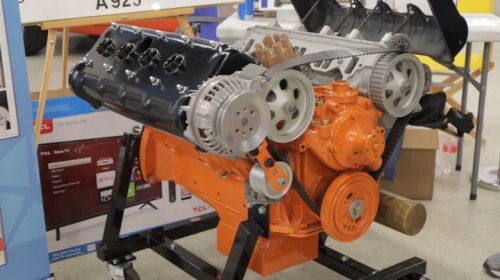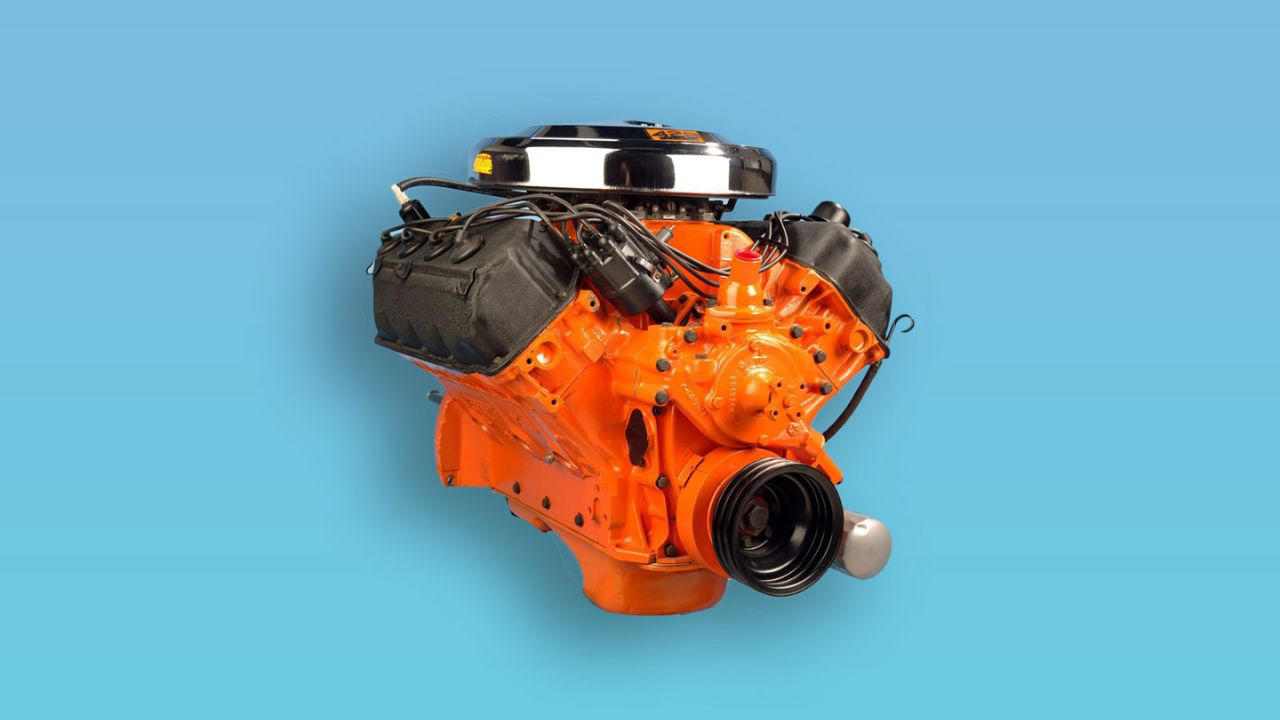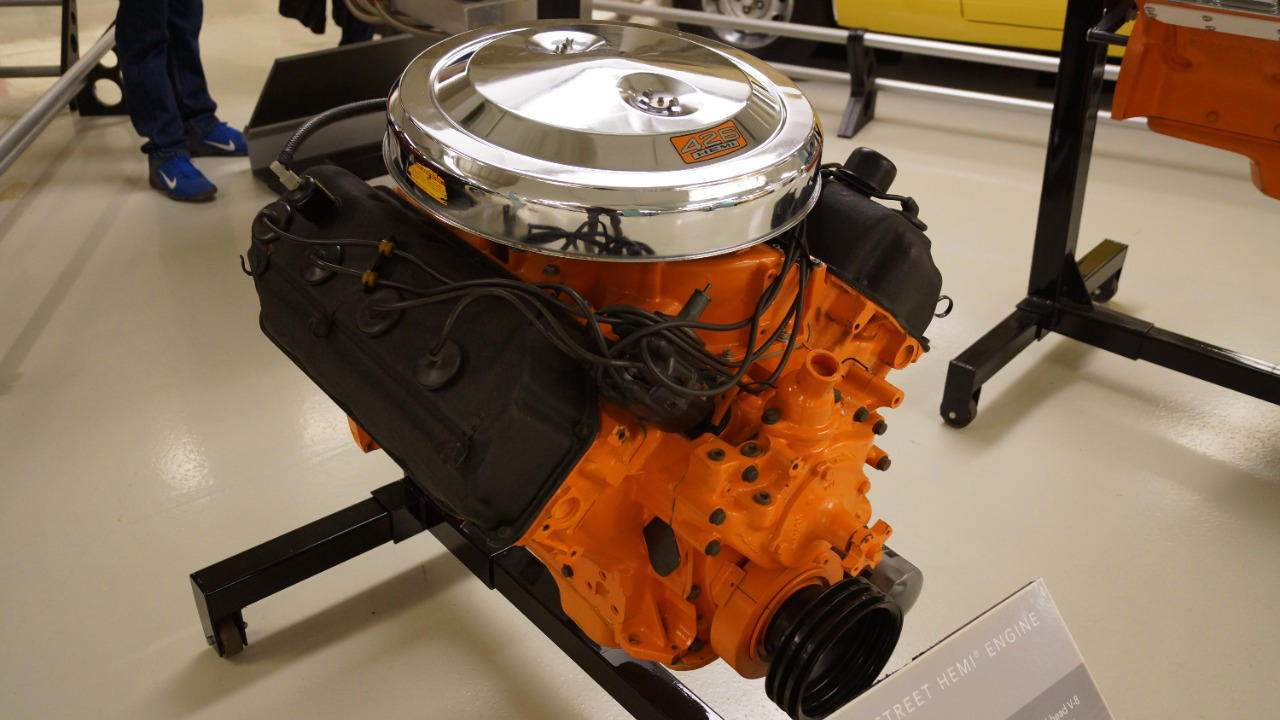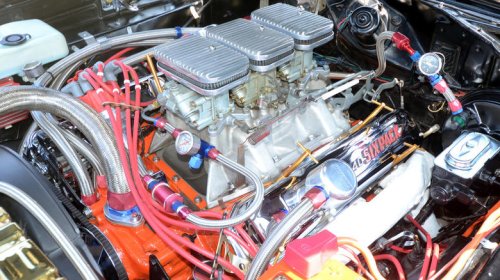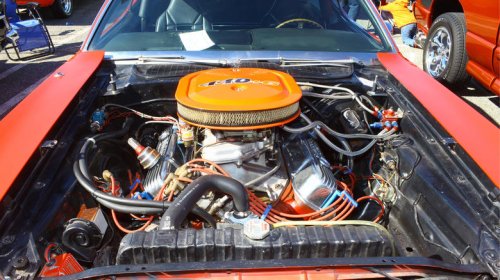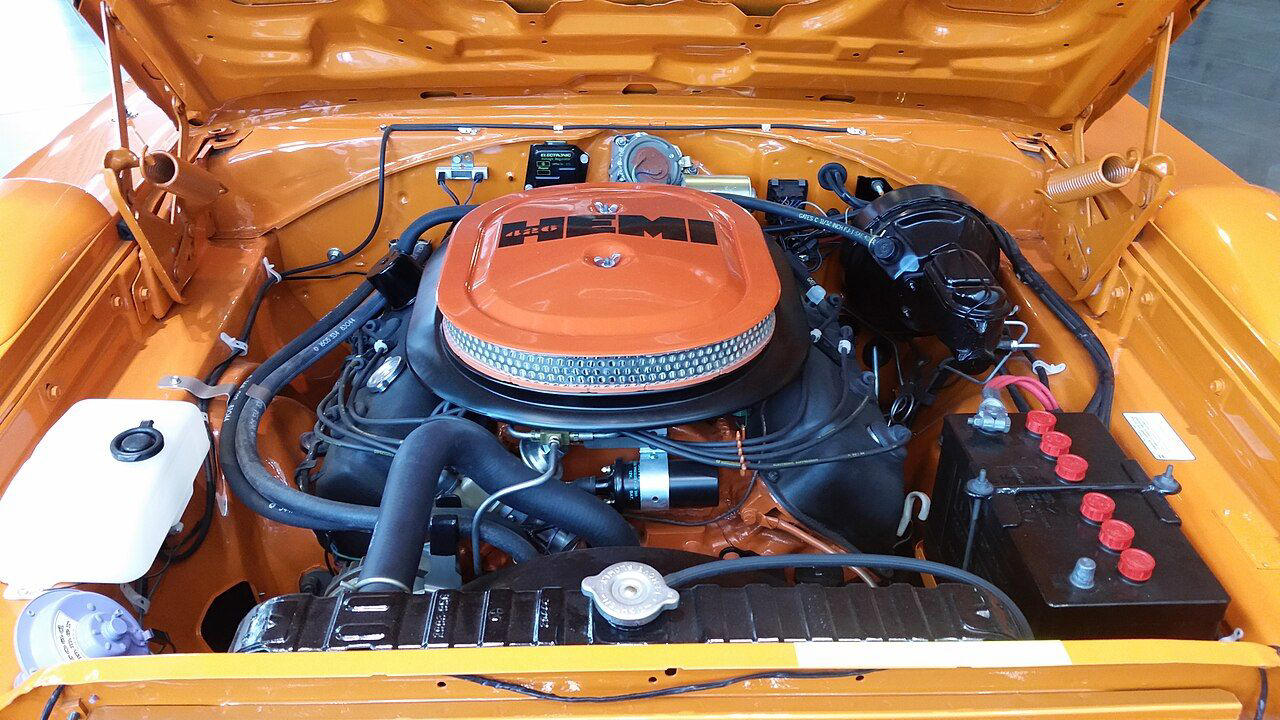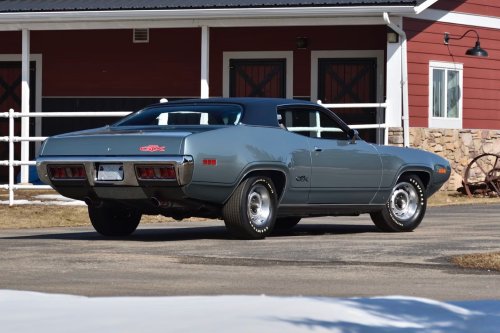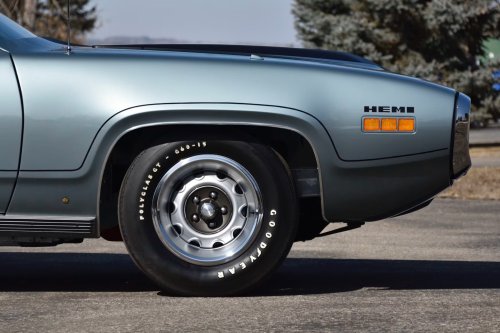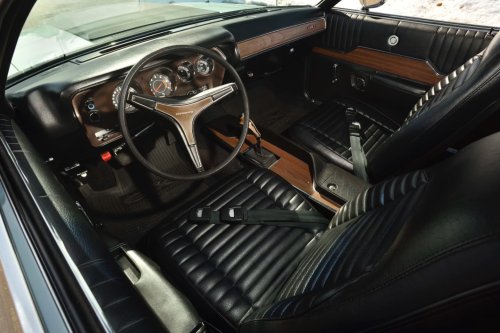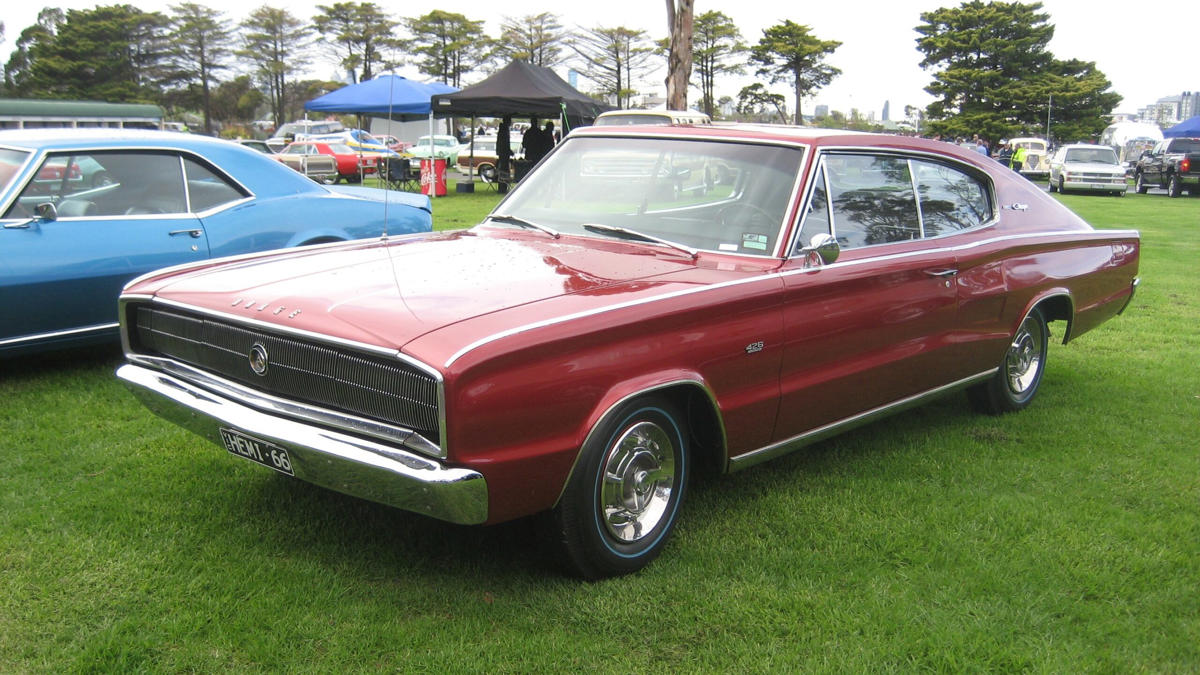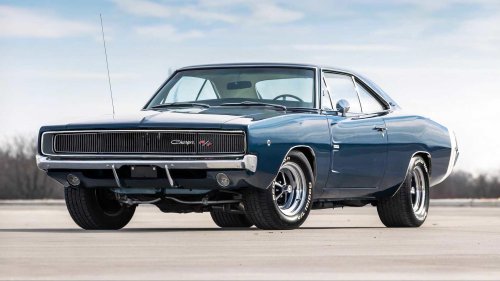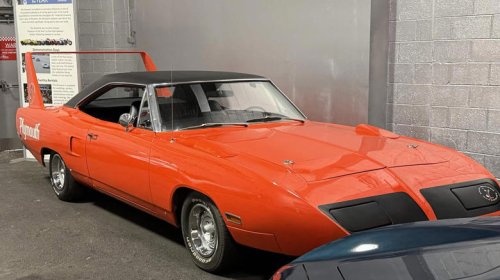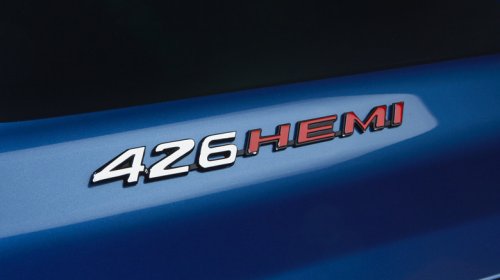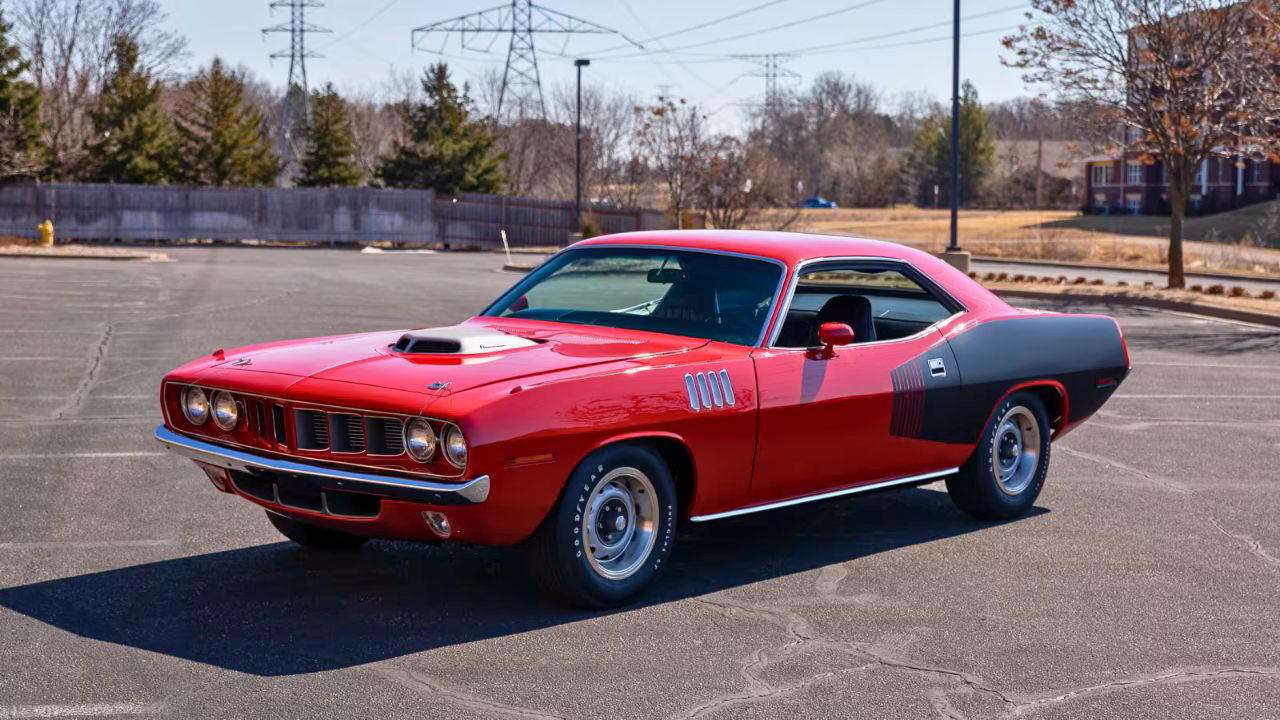



















The forgotten 426 Hemi program that nearly reshaped Mopar performanceWhen people hear “426 Hemi,” they usually picture tire smoke, bold fender badges, and the golden age of American muscle. But before the legend was cemented on the street, there was a tense, politically charged development program inside Chrysler that nearly altered Mopar performance forever. The 426 Hemi story isn’t just about cubic inches and hemispherical heads—it’s about corporate risk, racing bans, and a brief moment when everything could have gone very differently. The panic that sparked a revolution In the early 1960s, NASCAR competition was escalating quickly. Ford Motor Company and General Motors were pushing hard, and Chrysler’s wedge-head engines were beginning to show their limits. Engineers within Chrysler’s racing division realized that to stay competitive, they needed something radical. The answer was hemispherical combustion chambers—an idea Chrysler had used before in the 1950s but never developed to this extreme. The new 426 cubic-inch Hemi, introduced in 1964 for NASCAR, wasn’t subtle. Massive ports, huge valves, and a race-bred bottom end made it an immediate threat. On debut at Daytona in 1964, it dominated the field and immediately reshuffled the competitive order. That dominance triggered the first major crisis. NASCAR slams the door After the 426 Hemi’s overwhelming performance at Daytona, NASCAR responded swiftly. The sanctioning body required Chrysler to produce at least 500 street versions for homologation, effectively sidelining the race-only engine for the 1965 season when Chrysler chose not to comply immediately. The message was clear: racing innovation would not outrun regulation. Chrysler’s leadership faced a difficult decision. Build an expensive, temperamental race engine for public sale, or walk away from NASCAR entirely. For a brief period in 1965, Chrysler boycotted NASCAR competition, leaving Ford and GM to fight without Mopar in the mix. It was a risky move that threatened to sideline the brand’s performance credibility. The birth of the Street Hemi Corporate pride—and competitive instinct—won out. For 1966, Chrysler introduced the Street Hemi, adapting the race-bred 426 for public roads. It retained hemispherical combustion chambers and enormous breathing capability but added dual four-barrel carburetors, a milder cam profile, and concessions for drivability. Officially rated at 425 horsepower, most insiders believed the real output was higher. Installed in cars like the Dodge Charger and Plymouth Belvedere, the Street Hemi transformed Mopar’s image overnight. These weren’t just fast cars—they were statements. Chrysler had turned a racing controversy into a showroom weapon. But this was where the program nearly took a different path. The cost problem few remember The 426 Hemi was extraordinarily expensive to build. The complex cylinder heads required extensive machining. The bottom end components were heavy-duty and over-engineered for durability at racing speeds. Assembly time was longer, quality control standards were tighter, and margins were thin. Inside Chrysler, there were serious discussions about limiting or even discontinuing the engine after initial homologation goals were met. Sales were modest because the Hemi option significantly raised a car’s price. Insurance premiums were climbing. The muscle car boom was heating up, but it wasn’t yet clear how long it would last. Had corporate leadership chosen short-term profitability over brand identity, the Hemi might have been a brief footnote rather than a lasting icon. The quiet evolution behind the scenes While the Street Hemi grabbed headlines, engineers continued refining the package. Cooling improvements, valvetrain durability upgrades, and better street manners slowly made the engine more livable. At the same time, Chrysler’s aerodynamic experiments were reshaping NASCAR competition. That evolution culminated in cars like the Dodge Charger Daytona and Plymouth Superbird—machines that paired Hemi power with wind-tunnel-driven bodywork. These cars didn’t just compete; they rewrote speed expectations. The Hemi became inseparable from Mopar’s most outrageous and innovative creations. Without the earlier fight for survival, those halo cars might never have existed. What nearly reshaped Mopar performance The forgotten part of the 426 Hemi program isn’t the horsepower figure—it’s how close it came to being scaled back. Chrysler could have chosen safer, cheaper big-block wedge engines as its performance backbone. Those engines were strong, competitive, and far less complicated. If that decision had been made, Mopar performance might have leaned more toward balanced big-block torque rather than high-revving, race-derived mystique. The Hemi’s exotic reputation elevated the entire brand. Even buyers who never checked the Hemi option box felt its influence in marketing, dealer showrooms, and street credibility. In essence, the Hemi program forced Chrysler to define itself around bold engineering instead of cautious iteration. The long shadow of 426 cubic inches By the early 1970s, tightening emissions standards and rising insurance costs began suffocating the muscle car era. The Street Hemi disappeared after the 1971 model year. Yet its legend only grew. The name became shorthand for dominance, excess, and mechanical bravado. Decades later, when Chrysler revived the Hemi name for modern V8 engines, it wasn’t just nostalgia—it was strategic branding rooted in that turbulent 1964–1966 period. The company understood that the original 426 Hemi had done more than win races. It had defined an identity. Why the program still matters The 426 Hemi program stands as a rare moment when engineering ambition collided with corporate caution and won. It forced Chrysler to invest heavily in performance at a time when backing down would have been easier. It showed that homologation rules, racing politics, and public demand could combine to create something historic. Most importantly, it proved that a single engine program could reshape an entire brand’s trajectory. Had the project been shelved after NASCAR’s resistance, Mopar performance might look very different today—less daring, less distinctive, and far less legendary. The forgotten part of the 426 Hemi story isn’t that it dominated. It’s that it almost didn’t survive long enough to matter. More from Fast Lane OnlyUnboxing the WWII Jeep in a Crate15 rare Chevys collectors are quietly buying10 underrated V8s still worth hunting downPolice notice this before you even roll window down