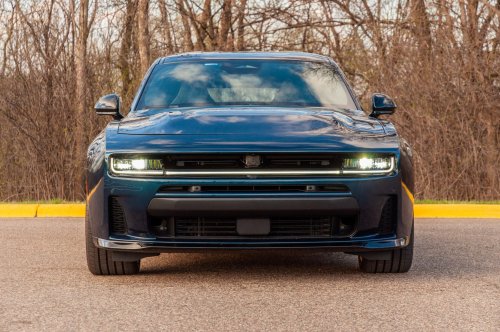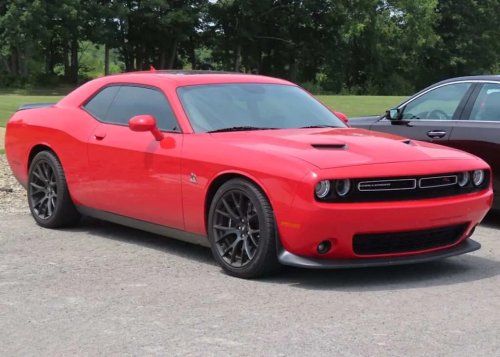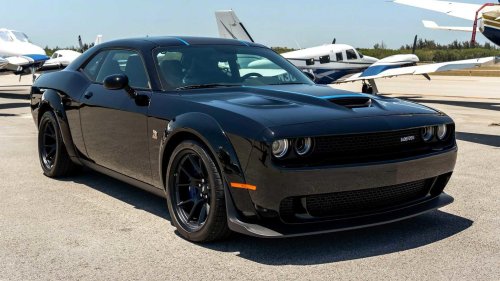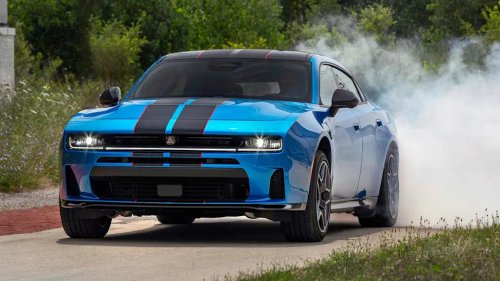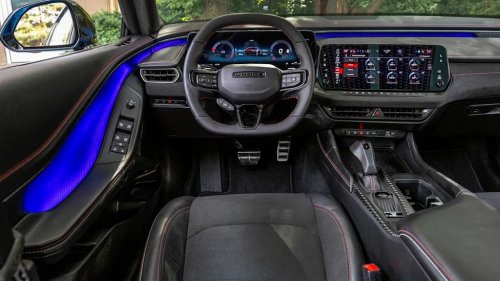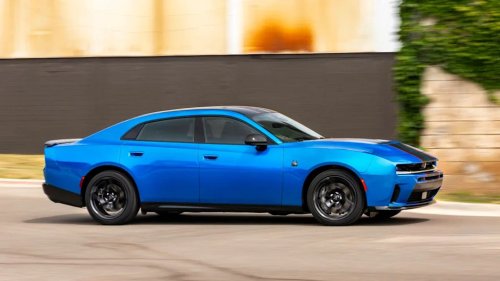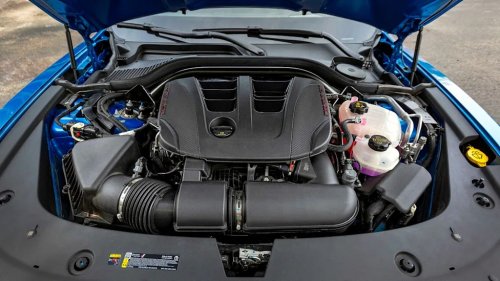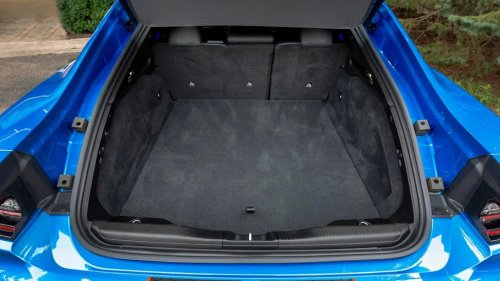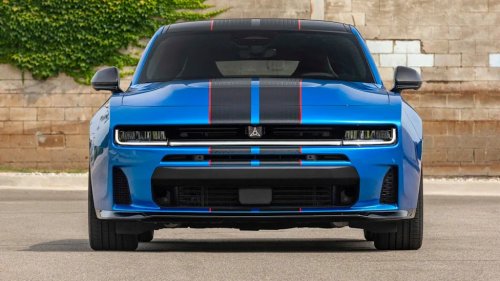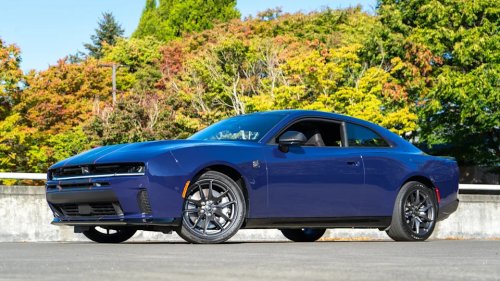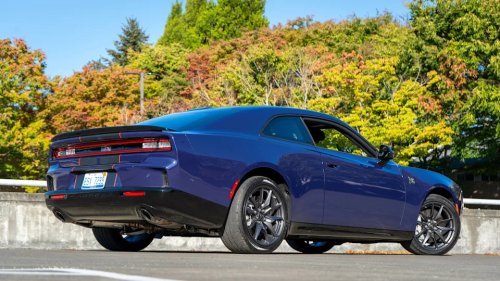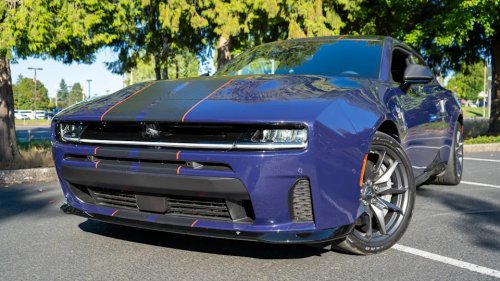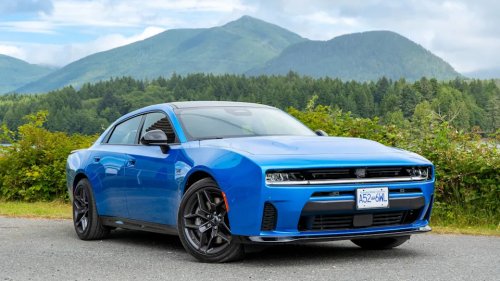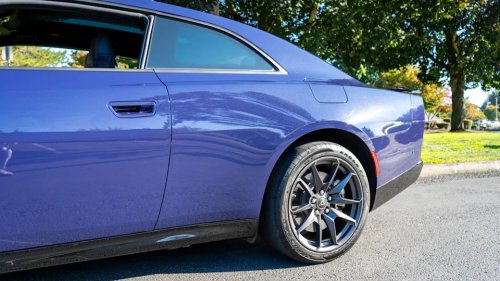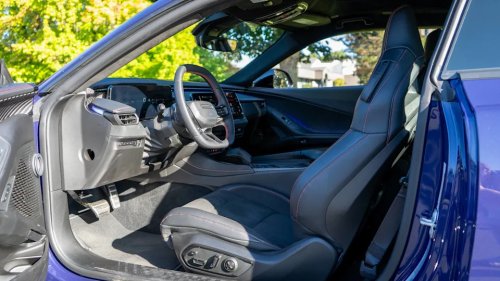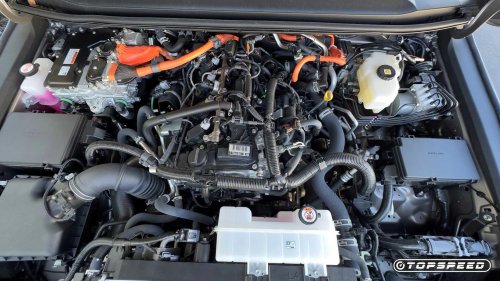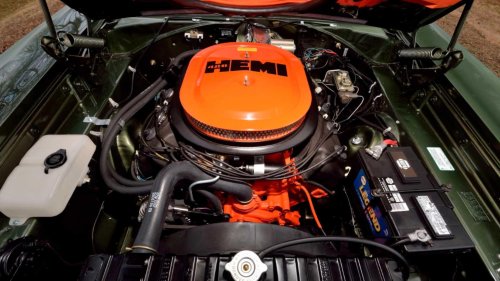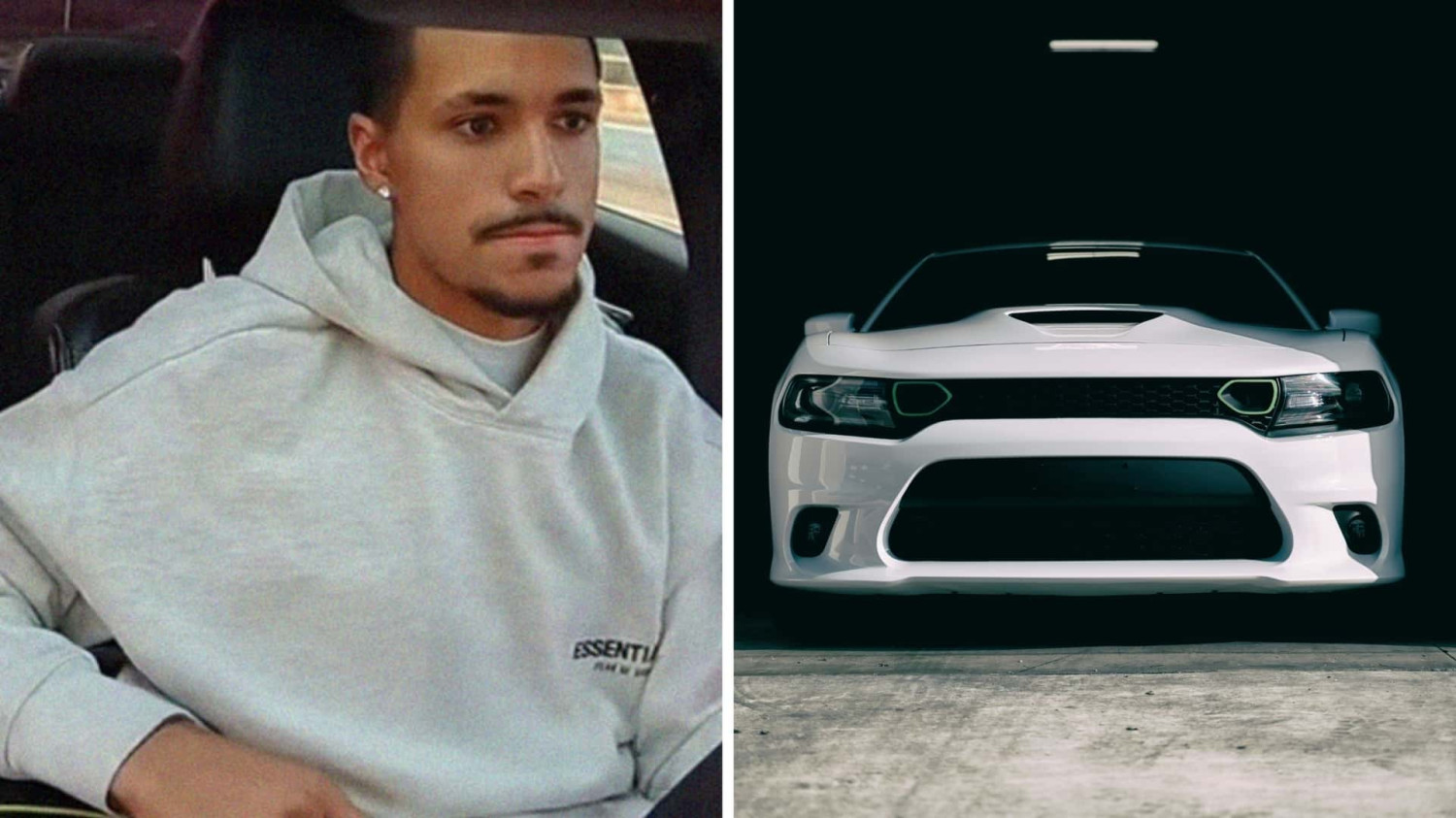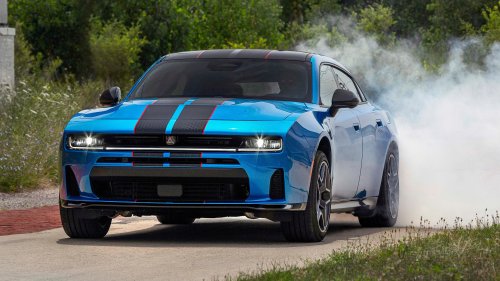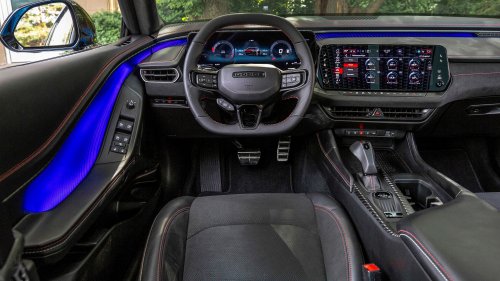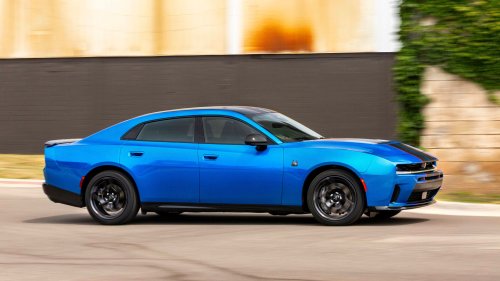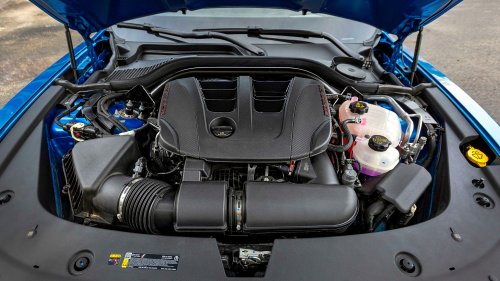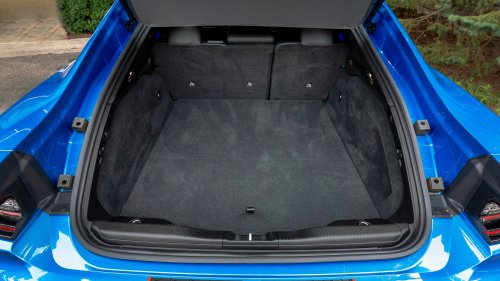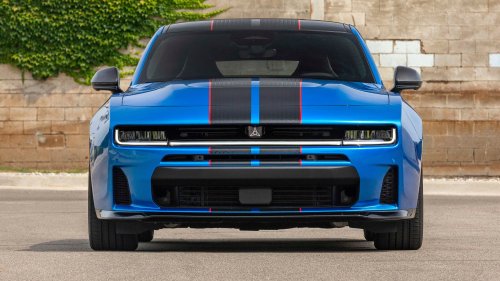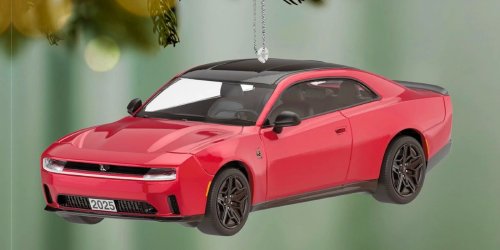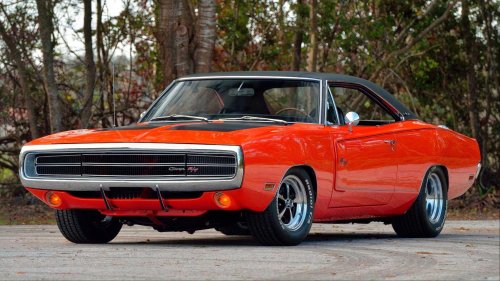
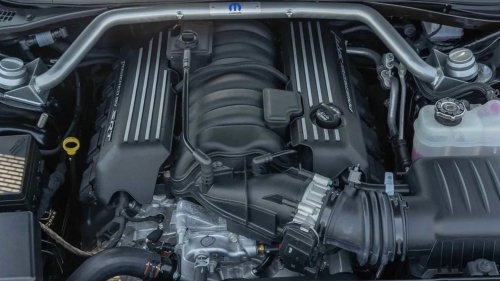
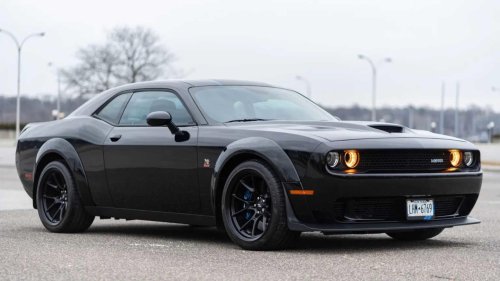
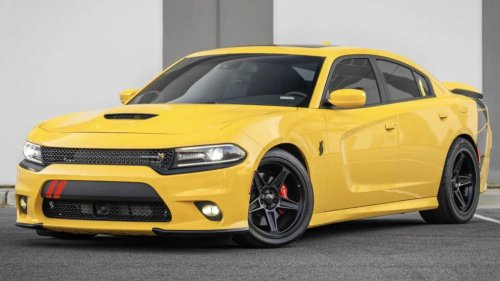
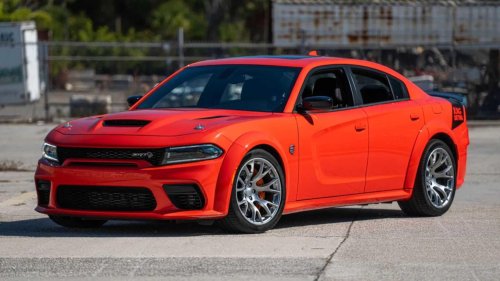
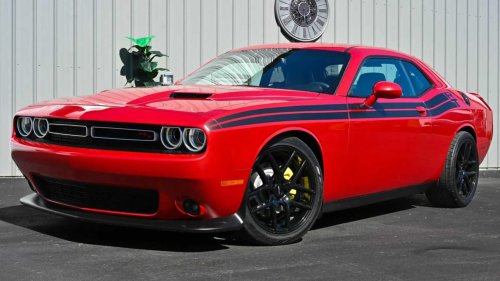
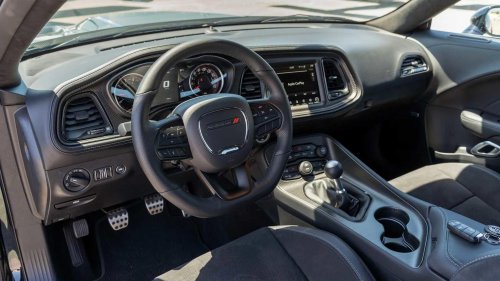
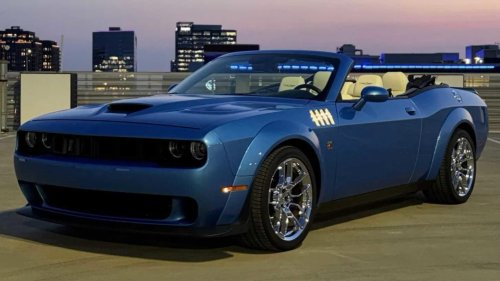



















There are very few American automotive performance culture badges that carry the same instant recognition as the Scat Pack. When you see the bee emblem, or hear the exhaust note, you instantly know the kind of car that just arrived. But the problem is that in 2026, V8s are fading and being replaced by turbocharged engines, making the muscle car world change quickly. So, with this, what does Scat Pack actually mean now? At the core of the Dodge Scat Pack is a basic formula: give drivers an aggressive personality, throw in some serious horsepower, and drop the price point to a far more accessible level than the rather outrageous SRT Hellcat of the Dodge Challenger or the Charger.The Dodge Charger Scat Pack and Scat Pack Challenger have consistently represented the sweet spot of modern muscle for years, offering drivers a more usable option than a Hellcat while still being far more exciting than an R/T. As with everything, evolution is inevitable, so with the platform evolving into a new generation, the badge is set to enter a new chapter. In this guide, we’ll cover the history of the Scat Pack, what's under the hood, what powers it, how it compares to Hellcat models, what it's like to be behind the wheel, and whether 2026 is the right time to get one for yourself. From Bees To Burnouts — The Origin Story Of The Scat Pack Badge Mecum The Scat Pack joined the muscle car party at the height of the original muscle car era in 1968. At this point, Dodge launched the Scat Pack to unify the identity of its growing lineup of performance cars under one umbrella, inspired by a Frank Sinatra Rat Pack-era cartoon bee mascot, around which the branding campaign was built. These Dodges produced serious speed for the time, hitting 0–60 mph times of under six seconds. The Scat Pack trim started with the Dodge Charger R/T and Coronet R/T, both using the 440 Magnum V8 engine as standard. An ultimate performance option, the 426 Hemi V8 "Elephant Engine", was also available on these vehicles, including the Dodge Super Bee. But the budget-oriented Super Bee used the 383 Magnum V8 engine as standard. The Dart GTS was fitted with the 340 V8, the smallest of the Dodge Scat Pack engines.By the time the 1970s arrived and emissions rules had tightened, with insurance costs surging through the roof, the first muscle era collapsed. The Scat Pack badge quickly disappeared with it. The badge remained dormant for decades until Dodge resurrected it in 2014 into the modern Dodge Challenger, followed soon after by the Charger. With the prestige the name carried from the late 60s, the revival worked. Dodge Scat Pack trims became the enthusiast's weapon of choice, having many fewer compromises than a Hellcat, offering more naturally aspirated power, and satisfying almost everyone with its incredible performance. The 392 HEMI And The Twin-Turbo Six — What’s Actually Under The Hood Via: Bring A TrailerMost enthusiasts associate the classic Scat Pack’s identity with the 6.4-liter 392 HEMI V8 engine. Although it started in the 2011 Dodge Challenger SRT8 trim, and eventually expanded into the Dodge Charger SRT8, Chrysler 300 SRT8, and Jeep Grand Cherokee SRT8 trims in 2012, as well as the Ram 2500/3500 trucks in 2014, it became the standard engine used in Dodge Scat Pack models from 2015. This behemoth of an engine produced 485 hp and 475 lb-ft of torque in cars like the Dodge Charger Scat Pack and Dodge Challenger Scat Pack.Dodge But what was so special about this engine? It had the throttle response of a naturally aspirated engine. It delivered power in a linear form across RPMs with its distinctive HEMI exhaust note, while maintaining strong reliability when properly maintained. When the Scat Pack badge returned in 2014, the Charger Scat Pack featured the TorqueFlite 8-speed automatic as its standard transmission, while the standard transmission for the Challenger Scat Pack was the TREMEC 6-speed manual. This manual transmission was not available on the Charger, but the TorqueFlite automatic transmission was an available option on the Challenger. Both cars had 0–60 mph times of approximately 4.3 seconds, quarter-mile times averaging 12.4 seconds, and a top speed of approximately 175 mph.Another revolution of the badge came in 2024. In 2024, Dodge merged the Challenger and Charger under the Charger brand and released the first electric Charger, the 2024 Charger Daytona Scat Pack. This Charger Scat Pack was powered by a 400-volt dual-motor electric system in a standard all-wheel-drive configuration, producing 670 hp and 627 lb-ft of torque, and accelerating from 0–60 mph in 3.3 seconds, while clearing the quarter-mile in roughly 11.5 seconds. It had an electronically limited top speed of 134 mph. Its 100.5 kWh battery produced an EPA-estimated range of 260 miles, but the most quirky aspect of the car was the Fratzonic Chambered Exhaust, which Dodge used to mimic the visceral feel of a V8 by producing an engine-like roar of up to 126 dB.By 2025, the internal combustion engine returned to the Dodge Scat Pack brand. It was the 3.0-liter Hurricane twin-turbo inline-six, which worked alongside the electric trim. This engine was called the SIXPACK and was available in the High Output (H.O.) variant, typically available in only a 2-door body style, producing 550 horsepower and 531 pound-feet of torque, and the Standard Output (S.O.) variant, available both as a 4-door and a 2-door body style, producing 420 horsepower and 468 pound-feet of torque. The H.O. variant wiped the floor with the HEMI, producing 65 more horsepower and 521 pound-feet of torque, delivering torque much earlier at 3,500 rpm. This engine was also 100 pounds lighter than the previous HEMI. It could accelerate 0–60 mph in 3.9 seconds, 0.4 seconds faster than the previous HEMI, and had a quarter-mile time that was 0.2 seconds faster than the previous HEMI. Scat Pack Vs. Hellcat Vs. R/T — Which Dodge Is Actually Right For You? DodgeFor most buyers, choosing between Dodge performance trims is more about bragging rights than how they’ll actually use the car. The first performance trim is the R/T. The last V8-powered R/T was released in 2023, fitted with the 5.7-liter HEMI V8 engine. On the Dodge Challenger R/T, the 6-speed manual transmission produced 375 hp and 410 lb-ft of torque, while the 8-speed automatic transmission produced 372 hp and 400 lb-ft of torque. On the Dodge Charger R/T, the standard 8-speed automatic transmission produced 370 hp and 395 lb-ft of torque. Both vehicles had similar 0–60 mph acceleration of approximately 4.8 seconds, quarter-mile times averaging the mid-13-second range, and a top speed north of 149 mph.Dodge 2024+ Models The pre-2024 Charger and Challenger Scat Pack options are the sweet spot for most enthusiasts. The 485-hp engine typically offers most drivers more performance than they will ever fully exploit, while staying manageable and usable. Then, there was the Hellcat. The Dodge Charger Hellcat and Challenger SRT Hellcat were in another category of their own entirely. These vehicles could produce a peak output of 717 hp and beyond. But, here was the problem: in addition to being thrilling, these vehicles were also more expensive to fuel, insure, buy, and control. At the forefront of this high-performance evolution has always been the Charger and the Challenger. Even when equipped with the same engine, these vehicles feel different. The Charger was always the more practical (4-door), slightly heavier, yet more ideal option for those who need space, while the Challenger was the two-door coupe, more theatrical, stronger collector appeal. However, the modern Charger now offers both options. What It’s Actually Like To Drive A Scat Pack (Hint: It’s Not Subtle) Dodge If you’re driving a Scat Pack, pre-2024 or post-2024, rest assured, it’ll announce your presence before you arrive. The earlier V8 cars would wake with a deep burble of the HEMI, followed by the engine’s instant throttle response. These vehicles felt very much alive even at city speeds. Although the ride quality is on the firm side, it's reasonable, making daily usability better than many assume. The automatic transmission makes commuting easy, while visibility is manageable, so all in all, compared to a Hellcat, the Scat Pack feels far less intimidating. But when you push harder, that’s when the car’s character sharpens. Widebody versions are far more capable in corners, being engineered with meaningful grip and stability.Via: Bring A Trailer But a fundamental weakness remains in the fuel economy. The 2023 Dodge Charger Scat Pack was known to have a combined fuel economy rating of 18 MPG, while the 2023 Dodge Challenger Scat Pack returned 17 MPG on the manual transmission. The High Output variant of the 2025 SIXPACK version also produces a 17 MPG combined fuel economy rating, but the Standard Output variant returns 21 MPG. However, that's not all the weaknesses the Scat Pack has. On older models, the interiors can feel dated, with rear-seat practicality very limited in the Challenger. The 2025 turbo-six engine may ensure more low-end torque arrives earlier, but it's difficult to replace the naturally aspirated drama of the 392 HEMI. Buying A Scat Pack In 2026 — Prices, What To Avoid, And Where To Find The Best Deals DodgeWith the market for Scat Pack models consisting of the outgoing V8 cars and the incoming turbocharged replacements, making a choice would largely depend on your personal preference. A used Charger or Challenger Scat Pack unit for sale would typically go for between $23,000 and $52,000, depending on the model year, condition at the point of sale, and mileage. A brand new 2026 Charger has an MSRP starting at $51,990 for the R/T trim, $56,990 for the SIXPACK Scat Pack trim, and $61,990 for the electric Daytona Scat Pack trim.However, before buying, here’s what to inspect on these models: check the service history. You can never go wrong by inspecting the service history. Check for uneven tire wear, which often shows you how aggressively the previous owner flogged his vehicle. Check for any and every sign of track abuse or heavy modifications. While doing that, don’t skimp on the condition of the brakes. High-performance vehicles tend to have worn-out brakes. Also, check the recall completion records. You don’t want to pick a Scat Pack Challenger that wasn’t taken in during recalls. That’s heavy maintenance for you to do yourself. In the end, buying a standard Scat Pack tends to be a better option than a Widebody, unless you specifically want the added grip and stance.Source: Edmunds, Road & Track, Bring A Trailer, Dodge, AutoRevolutionFAQQ: What does Scat Pack mean?Scat Pack was a Dodge performance sub-brand launched in 1968. Today, it identifies high-performance Dodge trims positioned below Hellcat models.Q: Is a Scat Pack faster than a Hellcat?No. Hellcat models have substantially more power and higher top-end performance, though Scat Packs can feel more usable in everyday driving.Q: What engine does the Scat Pack have?Classic models used the 6.4L 392 HEMI V8. The 2026 Charger Scat Pack uses a twin-turbocharged 3.0L inline-six.Q: How much horsepower does a Scat Pack 392 have?The 392 HEMI Scat Pack makes 485 horsepower and 475 lb-ft of torque.Q: Is the 2026 Dodge Charger Scat Pack a V8?No. It uses Dodge’s new twin-turbocharged Hurricane inline-six engine.