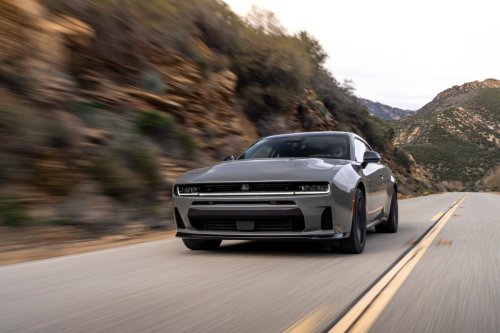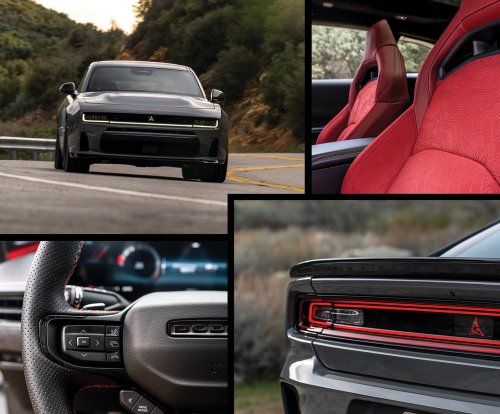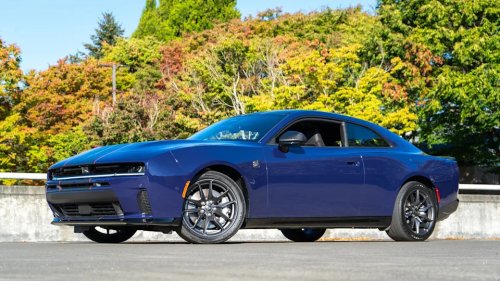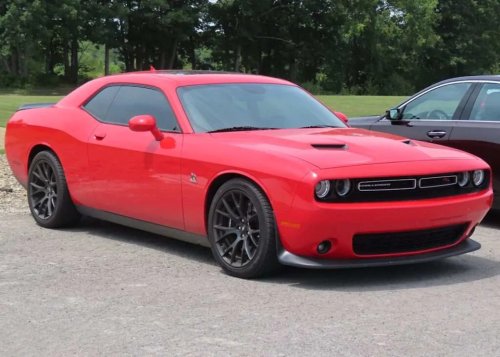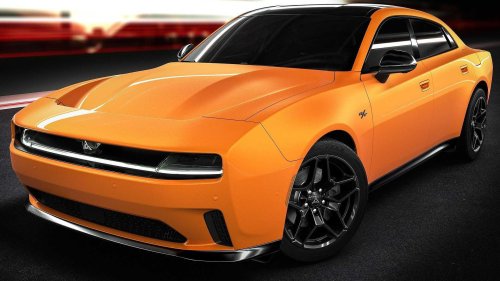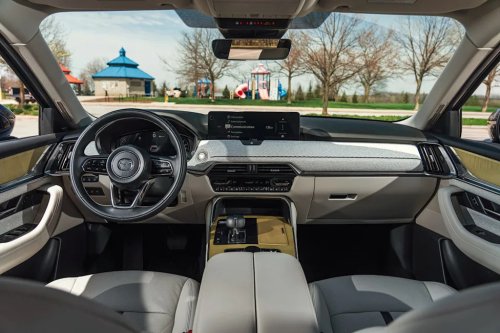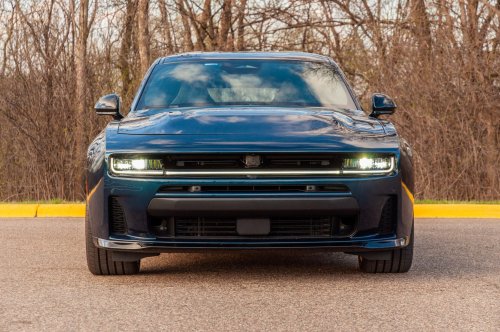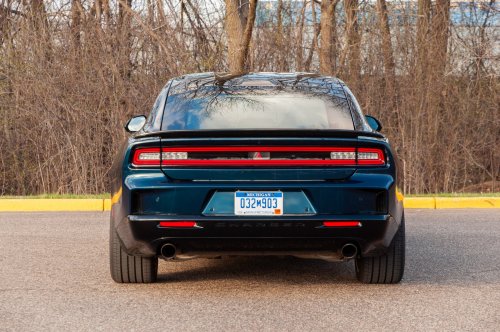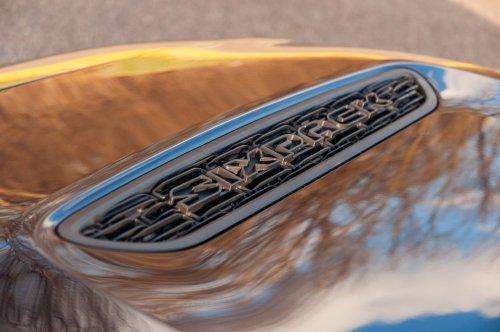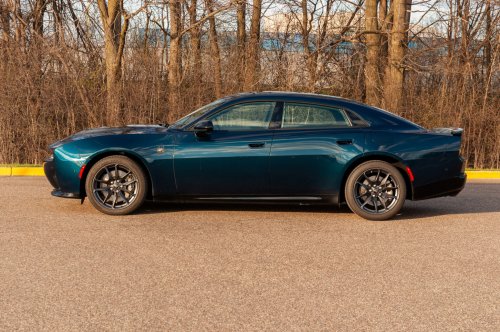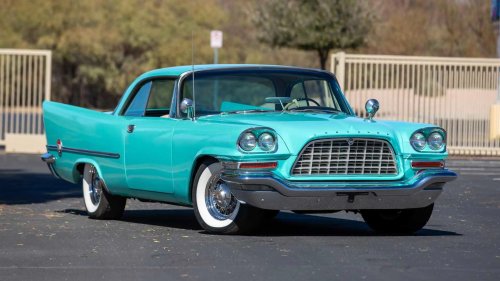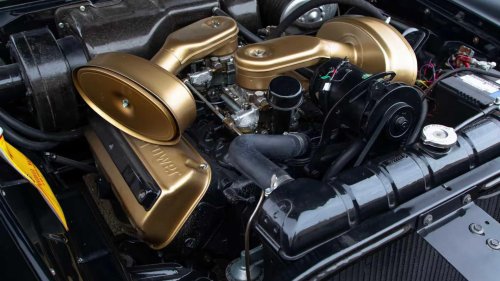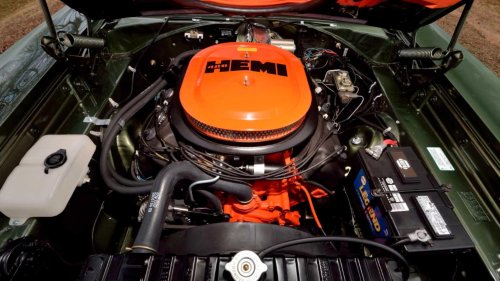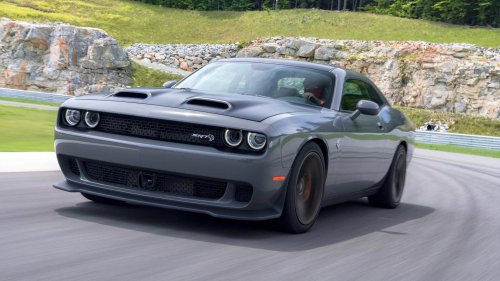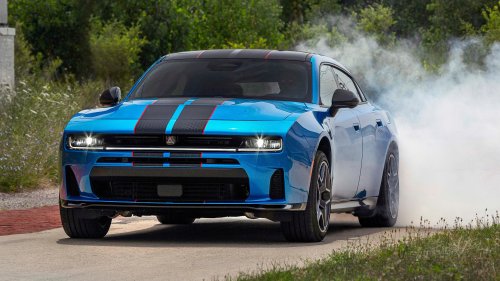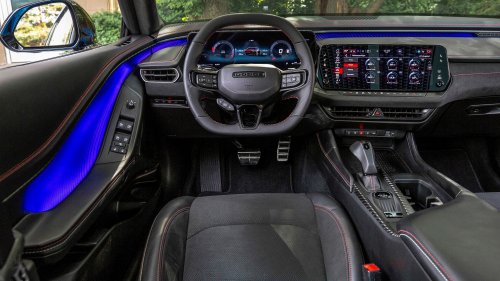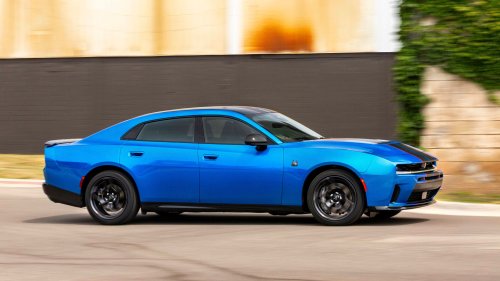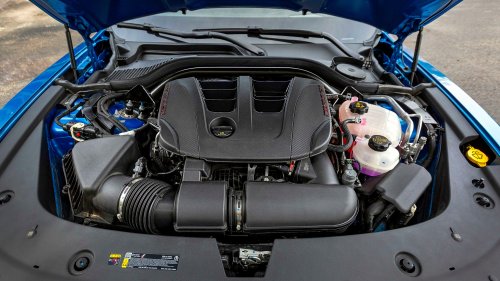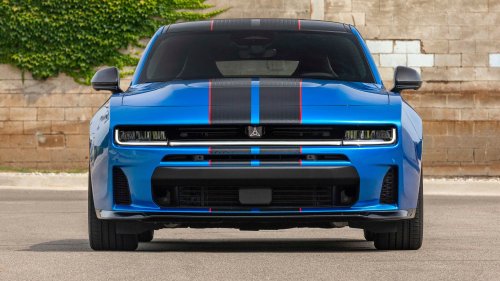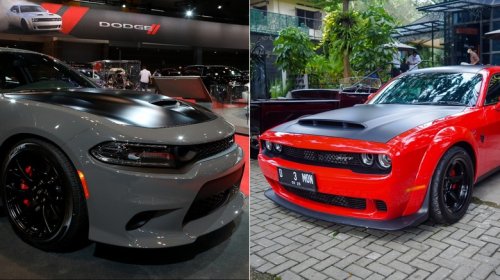
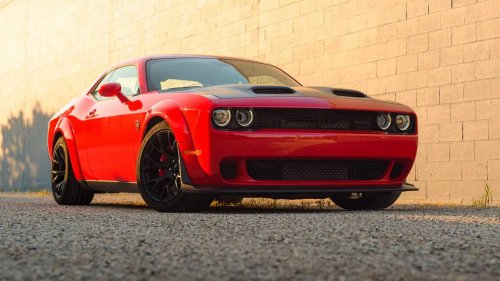
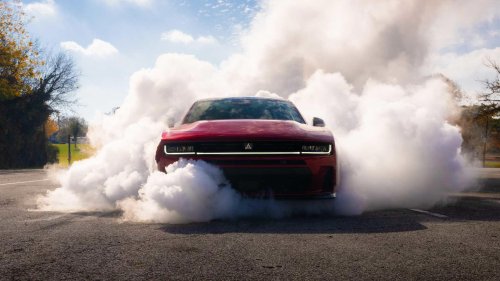
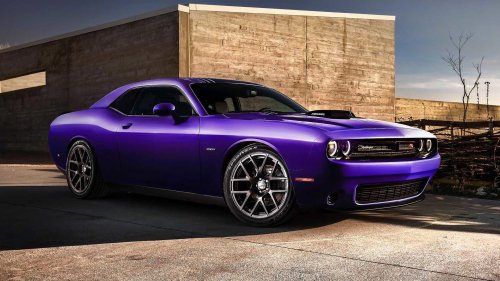
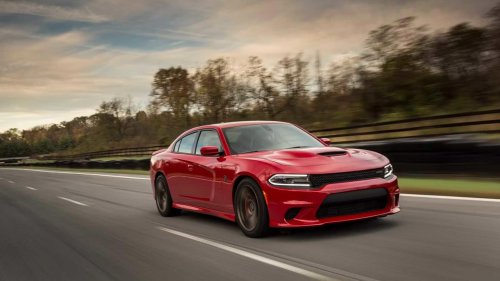
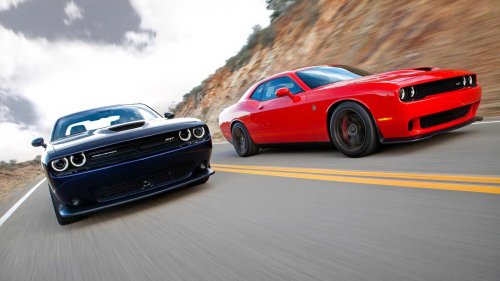



















2023 marked the end of the Hellcat variant and the Challenger model itself in two of Dodge's most famous models — the Charger and the Challenger. That is, except Dodge decides to resurrect them as electrified variants. But we'll have to wait and see how the new chapter starts.Nonetheless, the Dodge Charger and the Dodge Challenger have made a significant impact on the automotive industry, with Dodge bringing the spirit of the Challenger to the new Charger by offering a 2-door variant. Before the Challenger was discontinued, the community was particularly thrilled to have an affordable old-school muscle car to buy year after year since the '70s. Now that that has come to an end, if you want to grab a Challenger model, it would have to be a used one.Dodge The Scat Pack and Hellcats used to be two high-powered Dodge V8s with different philosophies, like brothers with temperaments that were both different yet eerily similar. The Scat Pack is inspired by Dodge's 1960 high-performance muscle cars, which were known for their incredible power outputs. These engines were huge V8s, like the 426 Hemi and 440 Magnum. The 1970 Dodge Charger R/T Dominic Torretto used in the first installment of the Fast and Furious franchise was built on the foundation of the Scat Packs of the late 1960s. On the other hand, the Hellcat engine was first introduced in 2015, when Chrysler developed a variant of the Hemi engine, a high-performance supercharged engine. This was Chrysler’s most powerful engine at the time. It was also the most powerful engine in any muscle car at the time.With 76 percent of the car sales market dominated by used car sales, the Scat Pack vs. Hellcat debate is very much still alive. The real question is which high-performance variant to buy, considering the positives and negatives associated with both variants. This will depend heavily on your driving style and preferences. With the new Dodge Charger offering the spirit of both the Charger and the Challenger in the new combustion and electric Scat Pack versions available, the question would be, "The Scat Pack or a used Hellcat?" Breathtaking Power That Should've Made The Hellcat The Logical Choice Dodge/Stellantis It’s easy to dominate the conversation with the numbers: horsepower figures, 0–60 times, and quarter-mile bragging rights. The 2023 Scat Pack on the Charger and Challenger models used Dodge’s naturally aspirated 6.4-liter HEMI V8, which produces 485 horsepower and 475 pound-feet of torque. This was already dangerously entering the realm of supercar territory. This was replaced by two electric motors on the new 2024 Daytona Charger in a 400-volt system, delivering 670 horsepower and 627 pound-feet of torque. For 2026, Dodge is offering a 3.0-liter Twin-Turbocharged Inline-6 "SIXPACK" engine that would churn out 550 horsepower.Power in the Scat Pack is delivered predictably, linearly, and intuitively. Yet, immediate throttle response doesn’t stop power from building progressively as revs rise. This helps city driving since it doesn’t overwhelm the rear tires. The Scat Pack’s power is deliberately designed to sit in the sweet spot: it’s fast enough to make you feel like a Fast And Furious actor while overtaking, yet you don’t have to be a true racer to control it.The Hellcat, before it was discontinued, was powered by a 6.2-liter supercharged HEMI V8, which operated in a different universe from the Scat Pack of its time, still better than the combustion option of today, and dangerously close to today's electric version. In both the Charger and the Challenger, 700+ horsepower in what could be a family car seemed intentionally excessive. The way it delivered torque early and aggressively would make the car surge like the provoked wild animal that it was.Dodge The Hellcat was a beast made for the track. The 707 horsepower on the base model could hit 60 mph from ignition in just 3.6 seconds, 0.7 seconds faster than the 2023 Scat Pack engine, and 0.3 seconds faster than the 2026 inline-six “SIXPACK” engine. The Redeye variant could produce 797 horsepower if 707 horsepower wasn't enough for you. It could complete the quarter-mile in 10.6 seconds, 1.8 seconds faster than the 2023 Scat Pack engine, and 1.6 seconds faster than the new “SIXPACK” engine. However, the all-electric Daytona Scat Pack’s two electric motors would leave it in the dust with its 0-60 mph time of 3.3 seconds. It can also complete the quarter-mile in 11.5 seconds.Performance Specs Cost of Ownership—The Difference Nobody Brags About Via: Bring A Trailer After reading the above reviews, some may say that the Hellcat should be a logical purchase choice. That's true, but for performance seekers. A 2,800-mile 2023 Dodge Challenger SRT Hellcat sold for $73,000. This is almost $13,000 more expensive than the brand-new version of the Dodge Charger Daytona Scat Pack, which is faster, quieter, and more daily-driver friendly.Dodge Scat Pack vs Hellcat Cost Comparison (MSRP)Dodge (Stellantis) As soon as this conversation ends, the conversation about fuel economy comes up. Both cars are considered very thirsty vehicles. With 12 MPG in the city, 21 MPG on the highway, and a combined rating of 15–16 MPG, the Charger’s Hellcat supercharger can last an average distance of approximately 296 miles. On the Scat Pack, the combined rating of 18 MPG would keep the Charger on the road for 19 more miles on the current “SIXPACK” engine. Under boost, fuel consumption would spike quickly on both variants. The steady rate through which power is delivered in the Scat Pack ensures it consumes fuel at a more predictable rate. The electric variant has a range of 241 miles on a 100.5-kWh battery (94 kWh usable). It can be recharged from 20 to 80 percent in about 24 minutes using a 350-kW fast charger.There's also the cost added due to the performance. The raw power from the Hellcat’s 700+ horsepower engines chews through rear tires at a supercar maintenance rate. This would make you limit how much you get to enjoy the car. The rubber is wider on the Hellcat’s tires than the Scat Pack's, and larger brakes are also required to stop such a powerful beast. This makes replacement costs prohibitive. Although this doesn’t make the Scat Pack cheap to maintain, it just means its costs are noticeably less aggressive. The Scat Pack’s tires last longer, while brake replacements burn a lot fewer holes in your pocket. The absence of gas costs makes the Daytona Scat Pack variant exponentially cheaper as a daily driver. The absence of mechanical components in the electric Daytona makes it more straightforward to maintain than the Hellcat’s supercharger. Daily Driving Reality—Living With Each Car Over Time Dodge Although both cars are tuned to be firm due to their focus on performance, their tuning philosophies differ. The suspension on the Scat Pack is designed to ensure it doesn’t constantly remind you of every imperfection on the road. It makes speed bumps, the uneven pavement, and long highway stretches manageable without wearing you down. The Hellcat has a more aggressive and stiffer suspension, designed to handle the massive power delivered consistently. Also, even as sound is part of the appeal of a powerful car, it can become an aggravating issue when used as a daily driver. The exhaust note on the 2026 550-horsepower Scat Pack is deep yet more satisfying than the Hellcat. The engine’s sound doesn’t dominate the cabin. The Daytona is silent. The Hellcat’s supercharger and more aggressive exhaust make it much louder. That can be thrilling on a Saturday night on the track, on a private airstrip with friends, or on an outing, but on a Monday morning commute, it could amount to noise pollution.Dodge Size-wise, the Scat Pack’s slimmer body style makes it easier to park, to maneuver in traffic, and generally less intimidating in daily urban use. The Hellcat’s widebody stance can easily turn simple errands into mental exercises. Also, attention, theft risk, and the stress factor are uncomfortable realities of Hellcat ownership. The attention that the look, performance, and sound of the car attracts everywhere could sometimes be positive and sometimes negative. The electric Scat Pack will fly under the radar by comparison, although it will still turn heads, but it won’t give you the same level of anxiety. For daily drivers, this makes it a better option. Identity, Image, and What Each Car Quietly Says About You Dodge The sound, reputation, and sheer presence of the Hellcat are why owning it comes with the expectations of dominance, confidence, and the similitude of a life of excess. To the public, Hellcat owners are attention seekers. Sometimes, they won’t be wrong to assume you’re one to chase numbers, clout, or shock value. Those assumptions are unavoidable. Meanwhile, the Scat Pack communicates a subtler message. It signals the restraint and understanding of someone not moved by impulse. It says you’re not willing to sacrifice usability for performance. To the public, both the combustion Scat Pack and the Hellcat are loud and excessively fast family cars, but enthusiasts know the difference. With the electric Scat Pack, the obnoxiousness associated with being loud is eliminated completely. Which One Is Right for You? A Buyer-Type Breakdown Dodge In this age of social media and the growing thirst for online validation, cars exist both on the road and online. The Hellcat is the king of this environment. It's both engines’ numbers, the Redeye especially, the sound, and its reputation are excellent for content, likes, views, and validation. The Scat Pack may generate a similar reaction to the uninitiated, with models like the original 1969 Dodge Charger Daytona being known for their racing pedigree, but most Scat Pack owners tend to be those content with enjoying the car privately. The Hellcat attracts buyers hunting for peak experience, while the Scat Pack attracts drivers who keep their cars longer and drive them more occasionally than weekend straight-line quarter-mile contests for social media posting. Hellcat owners have been known to eventually step down to a Scat Pack due to stress, cost, or underutilization. Scat Pack owners have also been known to upgrade, mostly out of curiosity.