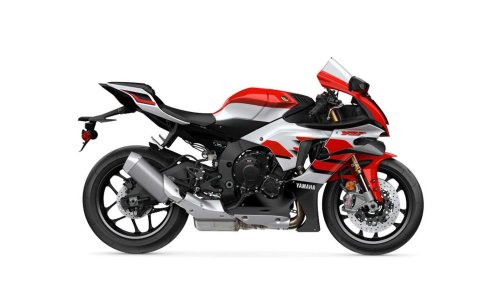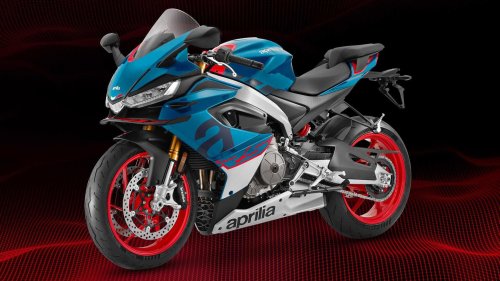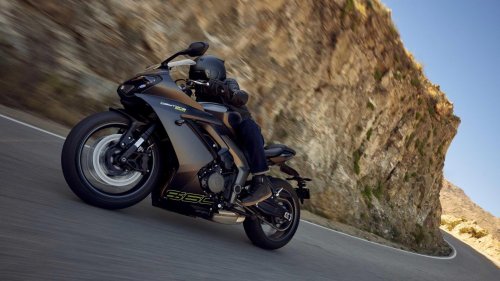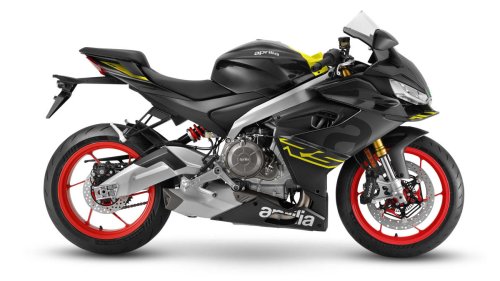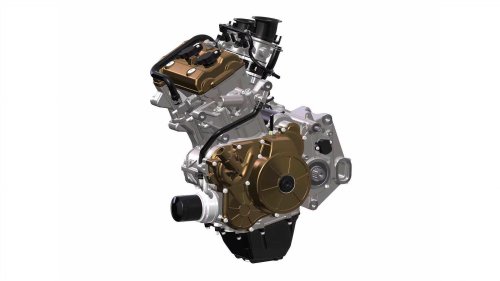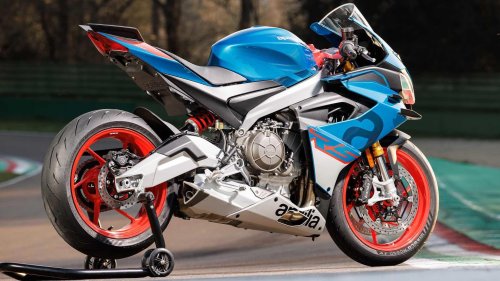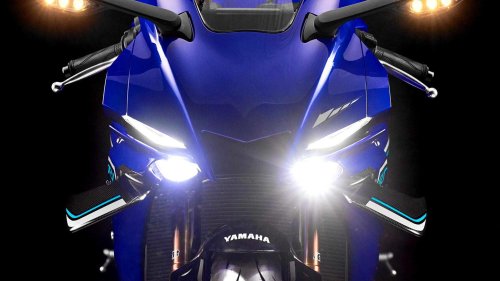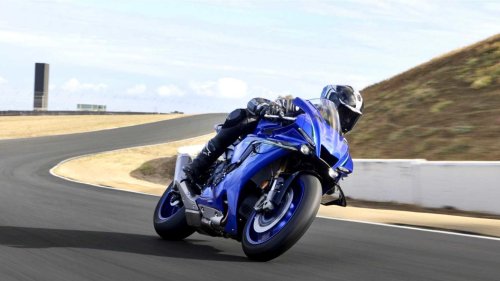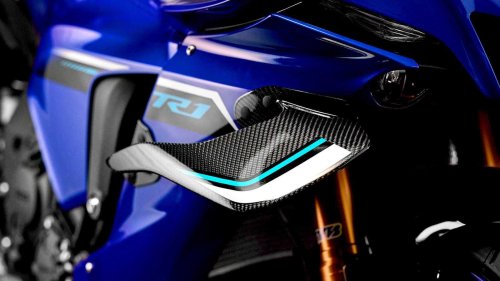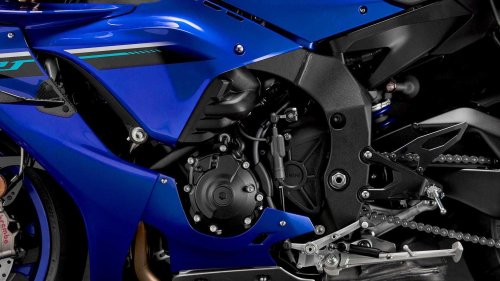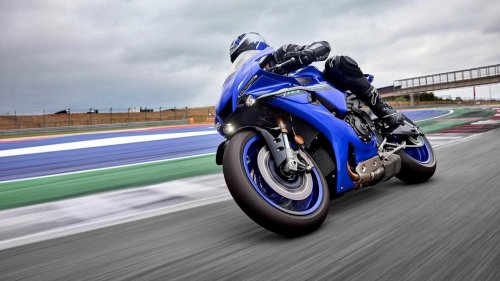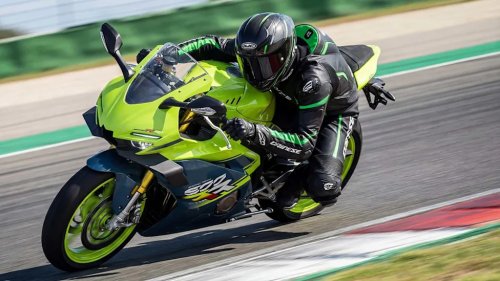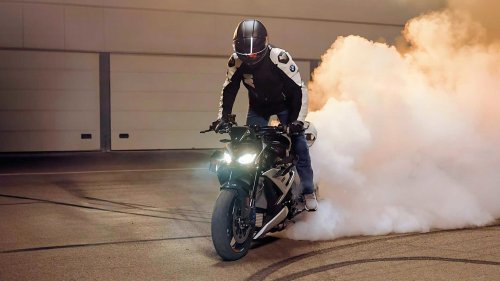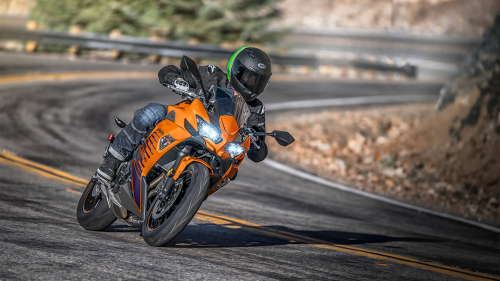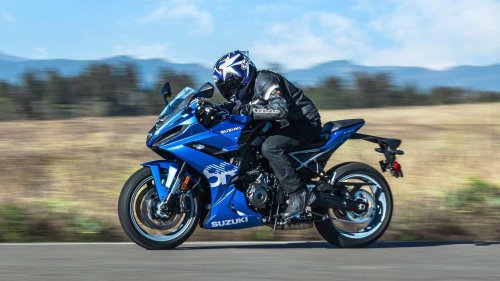
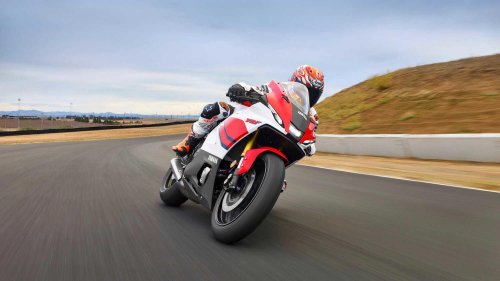
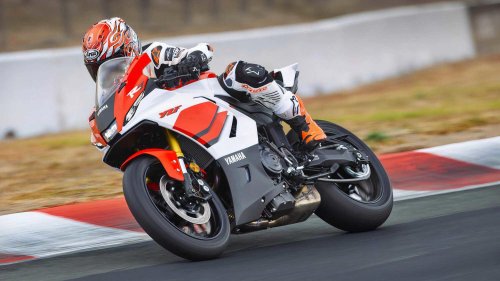
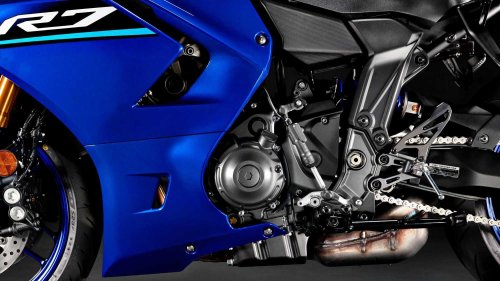
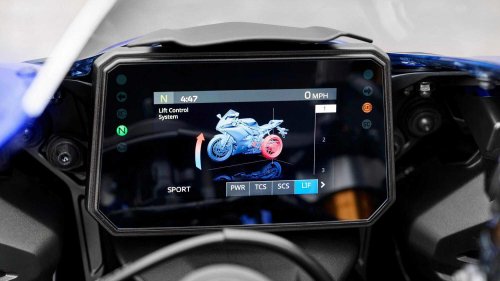
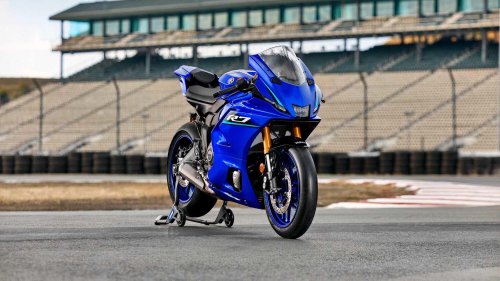



















Just as we thought the supersport class was going to leave us for good, a new kind of supersport rose from the ashes to take its place. For years, a supersport motorcycle was defined by a 600cc inline-four engine. Unfortunately, these screamers served as the canary in the coal mine when it comes to global emissions restrictions.One at a time, our favorite sports bikes either got neutered, or discontinued. While a handful of these bikes remain on the market, most of them are frozen in time. That is because the development funds that would otherwise have gone towards updating those bikes, is now funding a new crop of more practical supersports. All of which offer a better balance between performance, real-world usability, and affordability. A Highly Competitive New Segment SuzukiPretty much every manufacturer offers something in this new segment, which has something for just about everyone and every budget. Suzuki went all out and developed a multi-platform 800cc parallel-twin to compete in this class. The GSX-8R offers good power, reliability, and practical ergos. It is just a little heavier than the rest of the bikes competing in this space. Kawasaki actually has a couple of very different options. On the one hand, we have the ZX-4R, which is essentially an homage to the supersports of old, and then the slightly tepid, but incredibly practical Ninja 650. All these bikes offer something different, but it is the recently updated Yamaha YZF-R7 that offers the best balance. The Yamaha YZF-R7 Finally Gets The Balance Right MSRP: $9,399 YamahaWhen the YZF-R7 first came out, Yamaha inadvertently set it up for failure. It shared a name with an old homologation special and needed to fill the void left by the R6, which was discontinued far sooner than it should have been in retrospect. The R7 was never intended to be a direct replacement for that legendary supersport motorcycle; it was always designed to be a more approachable real-world sports bike. A recent update has added a host of tech features without much of a price increase, and now offers impressive bang for the buck. The YZF-R7 Gets The Trusty CP2 Engine Power: 72 HP YamahaYamaha puts the CP2 engine in everything, and that is for good reason. It is one of the very best modern motorcycle engines. Over the years, it has been in production, and it has proven to be one of the most reliable performers industry-wide. But mechanical reliability is only part of what makes it so special. Reliability Meets Fun YamahaThis is an engine that has a character all of its own. Like pretty much every other modern parallel-twin on the market, it has pretty decent midrange grunt with most of its torque available from 2,000 RPM. This is in stark contrast to supersport motorcycles of yore, which felt sluggish at low RPM and almost unmanageable at high RPM. Suffice to say, this is a fun sports bike that actually works in the real world. A Revised Chassis And Some New Colors For 2026 Yamaha set expectations pretty high by using the YZF-R7 name. Naturally, we all knew it would be nothing like the old homologation special, but even so, the final product left everyone a little disappointed. The chassis was straight from the MT-07, and it all felt a little half-baked. This year, the bike has been heavily revised. The sporty ergos remain but have been softened a little, the chassis has been stiffened, and the front fork is now fully adjustable.In terms of design, it is more evolution than revolution, but the addition of the original 1999 YZF-R7 livery is a touch of class (albeit an expensive option). The other new color option is Breaker Cyan/Raven, which is a funky 90s throwback that we quite like. Yamaha has also thrown just about every electronic feature imaginable at the platform. More Features Take Things Up A Notch YamahaIn this budget-friendly sub-$10k space, most of the sports bikes are relatively sparsely equipped. Yamaha has moved the goalposts with the latest R7. It is the only bike in this space with an IMU, which means it now has lean-sensitive traction control and cornering ABS. Features that were previously reserved for halo models. It also has the usual suite of electronics, including ride modes, cruise control, a quickshifter, and a TFT dash.It is about as feature-rich as any bike currently on the market, features which actually make it more usable in the real-world. Even with all the additional tech features, Yamaha was able to shave weight in other areas and, as a result, it has only gained 3 pounds, so it is still as light and flickable as ever.YamahaIn the past, it felt like the R7 was trying really hard to be something it actually wasn’t. By softening the ergos a little, and the addition of all this tech, the balance has been shifted more towards the street, away from a one-dimensional track-trainer. It will still be a good track bike – ABS can be switched off, and there are several great track-oriented electronic features.But it will be far more effective in the real world. It will still be a little less comfortable than the direct competition because of its relatively racy ergos. While not quite as extreme as the old R6, it will certainly require more effort to ride than the average modern supersport if you are planning to use it as a commuter. Chassis, Suspension, And Weight Specifications