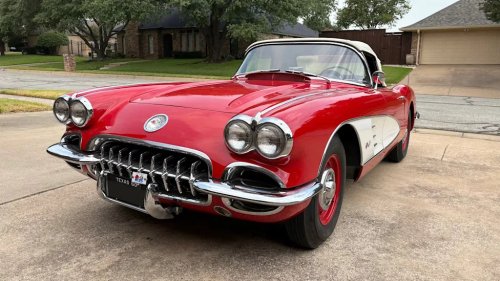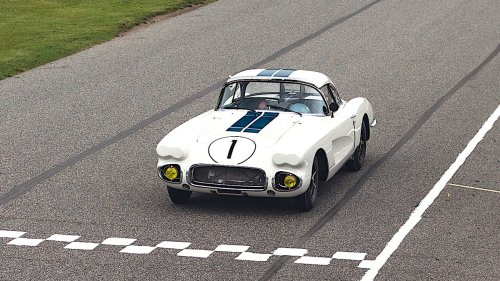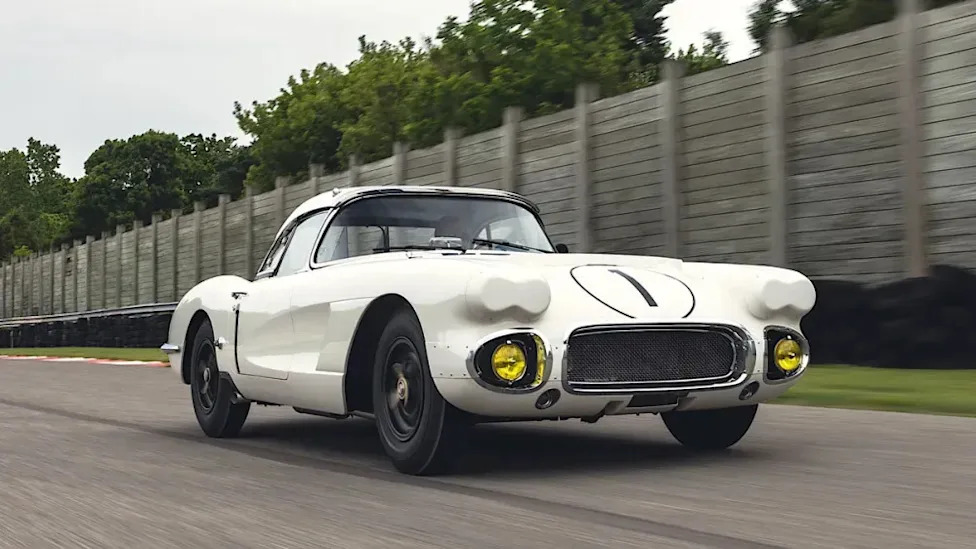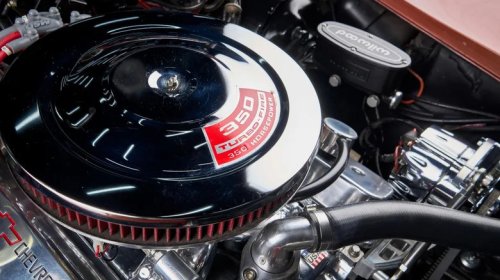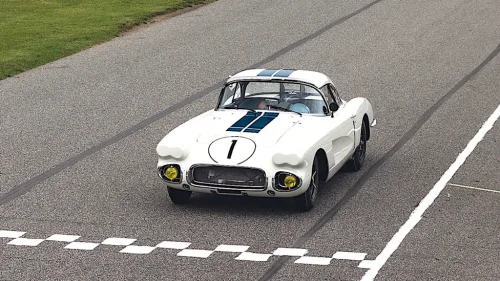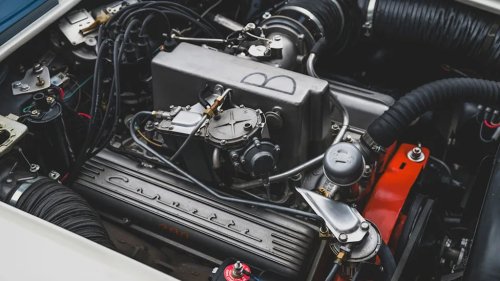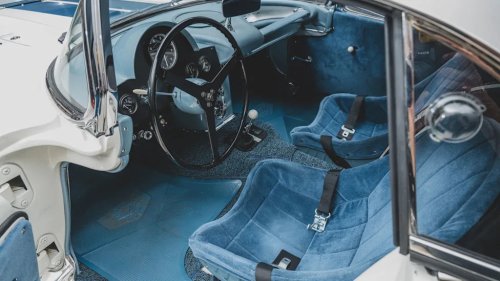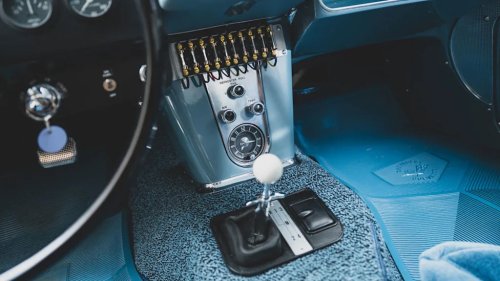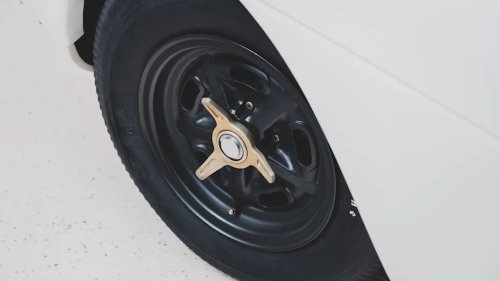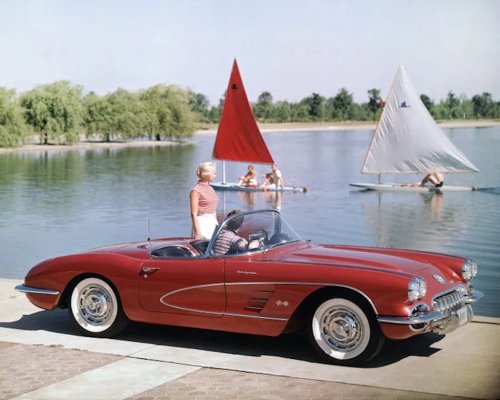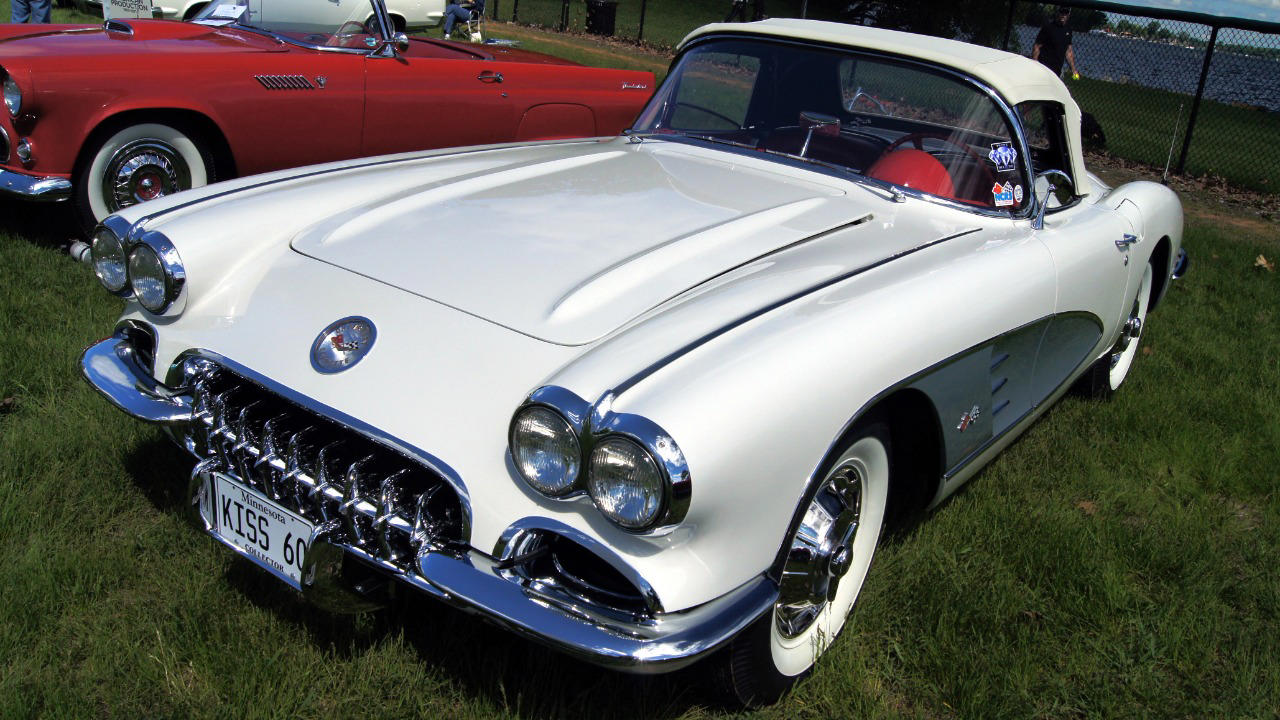
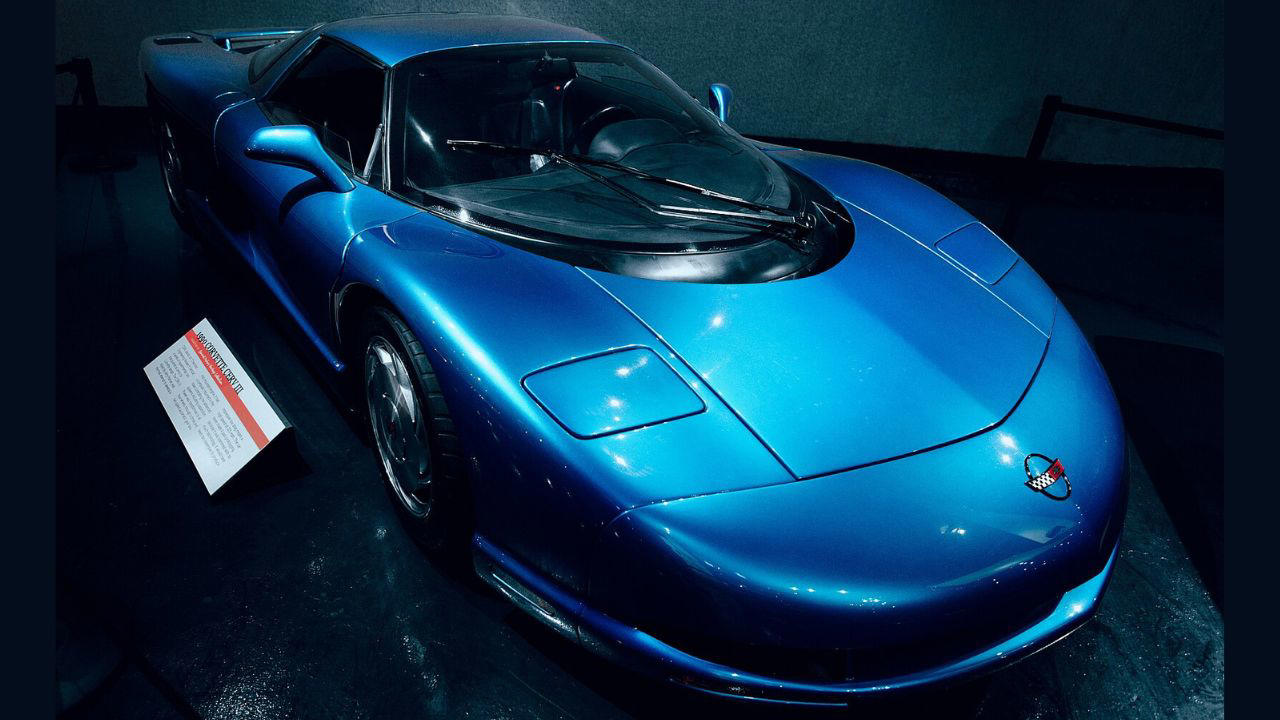



















The 1960 Corvette did not shout about radical change from the curb, yet under its fiberglass skin engineers were quietly chasing better balance. By trimming weight and shifting mass rearward, they nudged the car closer to the neutral feel that modern drivers now expect from a serious sports machine. I want to unpack how those choices, including moving the effective engine mass back, helped transform the way the car behaved without rewriting its classic shape. The quiet revolution behind a familiar shape At a glance, the 1960 Corvette looked like a gentle update of the 1959 model, a carryover from the chrome-heavy 1950s that still leaned on the same basic proportions. Contemporary observers noted that the ’60 Corvette was in the old mold and that it looked much the same as the ’59 m car, a reminder that styling continuity was part of its appeal for buyers who loved the original formula. I see that continuity as a kind of camouflage, because it hid a series of engineering tweaks that were all aimed at making the car feel more poised when the road turned twisty. Underneath that familiar body, the engineering team treated weight as the enemy of balance and responsiveness. They were not yet ready to abandon the front engine layout, but they were already thinking about how to make the car behave as if its mass sat closer to the middle. That mindset foreshadowed the later shift to mid engine thinking that would eventually reshape Corvette history, even if the 1960 car itself remained firmly a front engine machine. Chasing 50/50: weight, heads, and clutch housings Image Credit: Greg Gjerdingen from Willmar, USA – CC BY 2.0/Wiki Commons The most direct clue to the 1960 Corvette’s balance obsession sits in its engine hardware. Engineers introduced lightweight cylinder heads with a clear goal: reduce weight and push the car toward a more even front to rear distribution. The intent was to reduce weight to get the Corvette closer to a 50/50 weight distribution, and the new heads alone saved 50 pounds from the nose, a meaningful shift when you are trying to calm down a front heavy sports car in fast corners. In my view, that single figure tells you how seriously the team took the idea that balance, not just brute power, would define the car’s character. They did not stop at the top of the engine. The driveline also picked up lighter components, including Aluminum clutch housings for the manual transmissions that helped drop the Corvette’s overall weight and were even offered as a $26.90 option. By trimming mass from the clutch housing and the engine’s upper structure, the car effectively moved its center of gravity rearward and downward, which is exactly what you want if you are trying to make a front engine layout feel more neutral without redesigning the entire chassis. When I picture a 1960 Corvette diving into a corner, I think of those hidden Aluminum parts quietly doing their work to keep the nose from feeling too heavy. Cooling, structure, and the subtle shift of mass Balance is not only about the engine block itself, it is also about everything bolted around it. On higher output versions, the 1960 Corvette adopted an Aluminum cross flow radiator for the 270 horsepower engines, a change that again shaved weight from the front of the car while improving cooling for sustained high speed running. The Corvette specs note that not much changed in terms of design from the 1959 to 1960 Corvette, yet that aluminum radiator was a telling sign that the team was willing to spend money and effort to pull pounds off the nose where it mattered most. The underlying structure also played a role in how the car carried its mass. Technical data described the body as a unitary construction, essentially a kind of Monocoque approach that tied the chassis and shell together more tightly than a traditional body on frame layout. With models limited to a convertible configuration and the identification location at the left front body hinge pillar, the car’s architecture concentrated stiffness in the central tub, which let engineers tune suspension and weight distribution more precisely. From my perspective, that structural stiffness made every pound they removed from the front more valuable, because the chassis could now translate that better balance into cleaner, more predictable responses when the driver turned the wheel. Sway bars, understeer, and how the car actually felt Of course, the real test of any balance tweak is how the car behaves on the road, and here the 1960 Corvette’s suspension changes matter as much as its lighter engine hardware. While the exterior was little changed, on the engineering front the addition of a rear suspension sway bar improved the car’s handling, especially in hard cornering. By tying the rear wheels together more firmly, that bar helped the car resist body roll and reduced the tendency of the front end to plow wide, which is the classic symptom of a front heavy setup. There was a tradeoff, and I think it is important to acknowledge it. The same lightweight cylinder heads that saved 50 pounds and helped the car inch toward that 50/50 ideal also had durability issues in daily use. The 1960 Corvette factoids unfortunately note that the heads tended to fail and were often replaced with steel heads under warranty, which meant some cars lost part of their carefully engineered weight advantage. Even so, the combination of lighter components and the revised rear suspension showed that the team was systematically attacking under steer in hard cornering, not just chasing headline horsepower numbers. From front engine finesse to mid engine dreams Photo by Eric Kilby / Flickr / CC BY-SA 2.0 When I zoom out from the 1960 model year, I see its balance focused tweaks as a bridge between early front engine Corvettes and the later mid-engine revolution. Engineering lore records that Duntov had a vision for a world class Corvette and that his work on experimental cars like CERV I influenced the way later generations, including the C3, were laid out. That same drive to centralize mass and improve weight distribution eventually led Chevrolet to explore more radical configurations, but the seeds were already there in the way the 1960 car tried to make a traditional layout behave better at the limit. The broader evolution of the brand makes that trajectory even clearer. Analyses of why Corvette chose the mid-engine path explain that Chevrolet pursued a mid-engine Corvette to gain improved weight distribution for better balance and more stable high-speed performance, the same goals that had motivated those earlier weight saving experiments. Later commentary argues that with the engine still up front, there was only so much that clever suspension tuning could do. When I connect those dots, the 1960 car looks like an early, earnest attempt to stretch the front engine formula as far as it could go. Zora’s experiments and the physics of moving mass back The person who most clearly embodied that push was Zora Arkus Duntov, whose experimental projects blurred the line between race car and future production ideas. While Zora wanted to apply lessons learned from CERV to Corvette development, the vehicle that emerged as CERV I was really a rolling laboratory for how far you could move the engine toward the center of the car. A handful of years later, in 1960, Zora Arkus Duntov had developed CERV I for the Chevrolet Engineering Rese group with the engine mounted behind the driver but ahead of the rear wheels, a pure expression of the same balance principles that had guided the incremental changes on the showroom Corvette. Modern discussions of engine placement help explain why those experiments mattered. Technical breakdowns of the evolution of Corvette engines note that Corvette has moved from front to mid and even rear biased layouts in search of better stability, and that improved weight distribution is crucial for high speed performance. Broader sports car analysis points out that mounting the engine at the rear wheels puts the weight and the power unit right next to the drive wheels, which lowers the center of gravity compared with a front engine vehicle and dramatically changes how the car rotates into a corner. When I think back to the 1960 Corvette, I see its lighter heads, aluminum clutch housings, and revised suspension as the first steps on that same path, subtle moves that effectively pushed the working mass of the engine rearward long before the car’s silhouette caught up. More from Fast Lane Only: Unboxing the WWII Jeep in a Crate 15 rare Chevys collectors are quietly buying