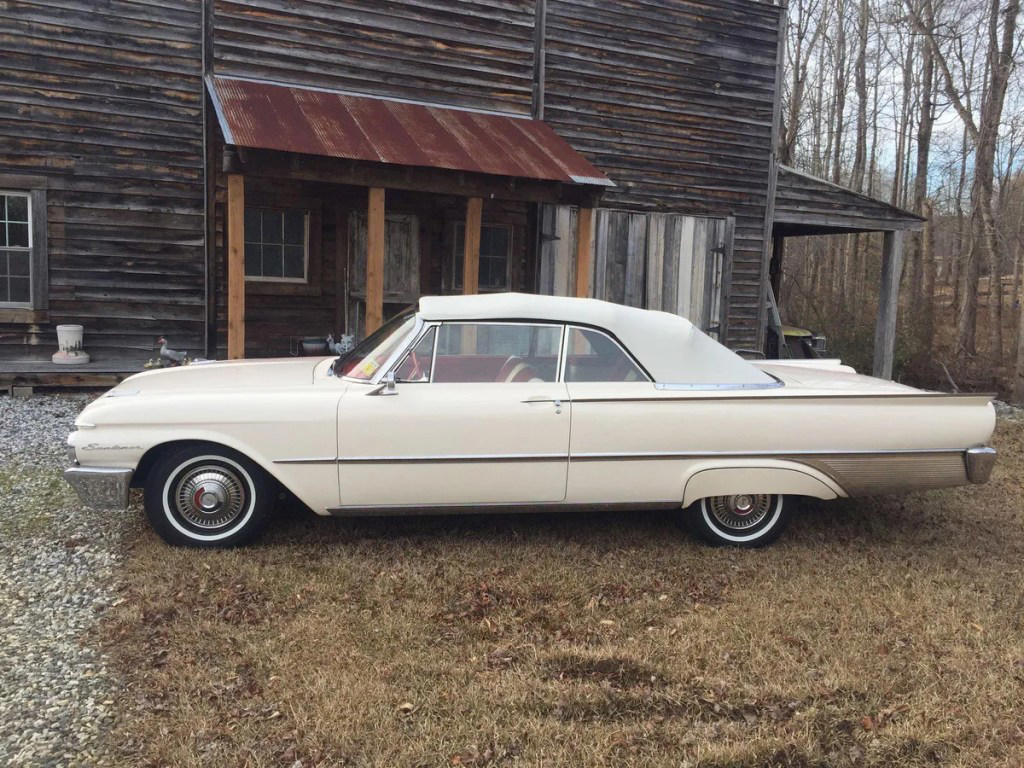
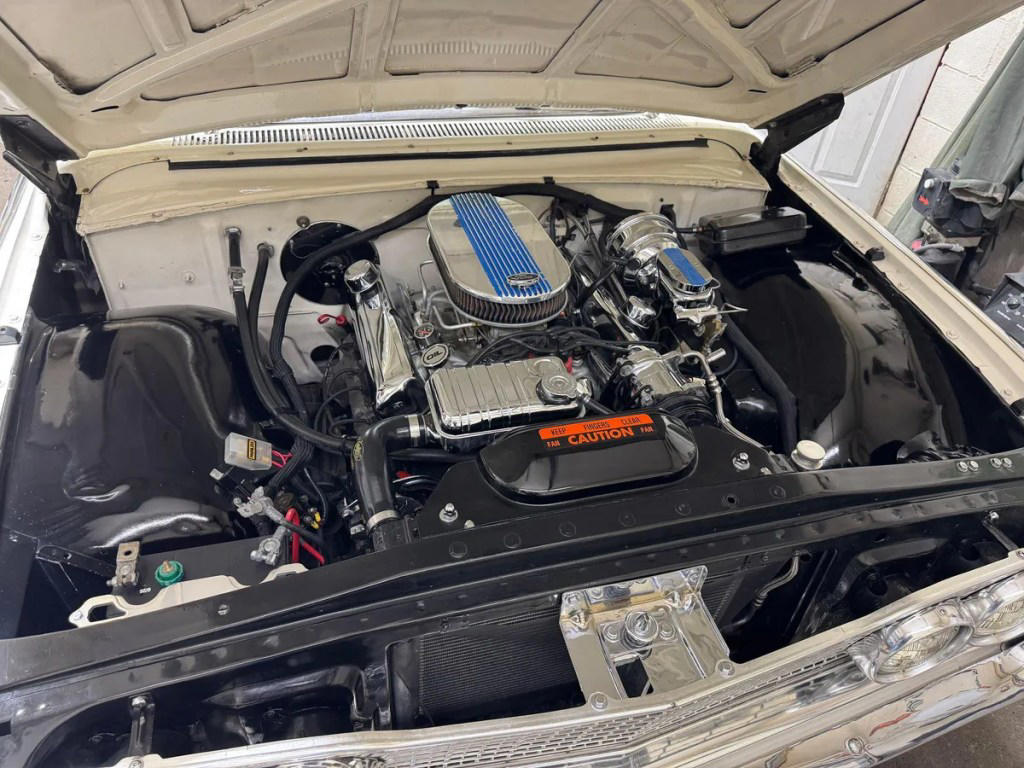


















When enthusiasts talk about Ford muscle, the conversation usually jumps straight to the 1964½ Mustang or the fire-breathing 427 Fairlanes. However, the true DNA of Ford performance traces back to two “Special” Galaxies that defined the turn of the decade: the 1960 and 1961 Ford Starliner and Sunliner. These weren’t just oversized cruisers; they represented the first shots fired in a factory horsepower war that would soon consume all of Detroit. The Aero Kings: Starliner and Sunliner Defined Introduced in late 1959, the Starliner and Sunliner served as the crown jewels of the Galaxie Special Series. While they shared a sturdy chassis and upscale Galaxie interiors, they each brought a distinct personality to the street. The Starliner arrived as a sleek, pillarless fastback coupe with a radical “bubble top” roofline. This design wasn’t merely for aesthetics; it was a legitimate aerodynamic weapon engineered to give Ford a competitive edge on the NASCAR ovals. Its drop-top sibling, the Sunliner, offered the same massive presence and top-tier trim but featured a power-operated convertible top for the ultimate open-air cruising experience. 1960: The Jet Age “Quicksilver” Styling The 1960 models marked a massive departure from the boxy, fin-heavy designs that defined the late 1950s. Ford adopted a “Quicksilver” design theme characterized by long, smooth lines, a wide concave grille, and subtle horizontal fins that looked like they belonged on a Lockheed jet. The rear end featured unique “half-moon” or “afterburner” taillights that were unlike anything else on the road at the time. Under the hood, performance was heating up with the 352 cubic-inch Thunderbird Super V8, which pumped out a shocking 360 horsepower. This marked the first time a Ford engine broke the “one horsepower per cubic inch” barrier. 1961: The Birth of the 390 FE For the 1961 model year, Ford refined the exterior look by bringing back the iconic round “pie-plate” taillights and a more traditional full-width grille. While the styling was more conservative, the real story was the mechanical brawn hidden beneath the hood. This year saw the introduction of the legendary 390 cubic-inch FE V8. While the standard versions were excellent for daily cruising, the High Performance 390 was a different animal entirely. The 375-horsepower version featured a solid-lifter cam and an aluminum high-riser intake, while the monstrous 401-horsepower “Tri-Power” setup utilized three two-barrel Holley carburetors to dominate the drag strip. Why These Models Matter Today The Starliner and Sunliner were only produced for two short years, making them a fleeting but impactful chapter in automotive history. By 1962, Ford shifted toward a boxier, more formal roofline, and the aerodynamic fastback silhouette wouldn’t return to the lineup until mid-1963. Because so many Starliners were used and abused on the racetrack or modified for speed, finding a clean survivor today is an increasingly difficult task. These cars represent the precise moment Ford stopped building simple family transportation and started building factory-backed performance machines, serving as the true starting line for the muscle car era.