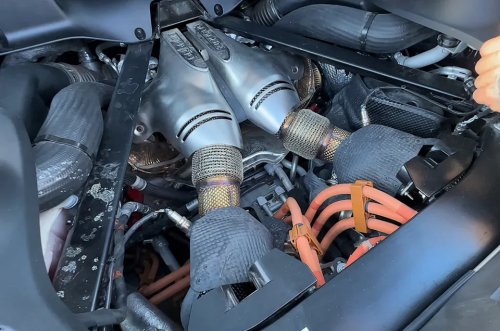
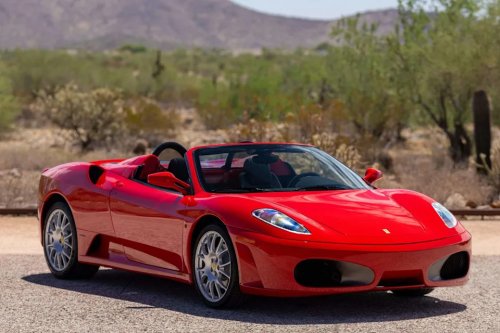
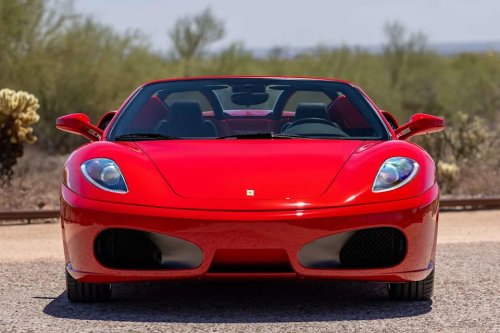
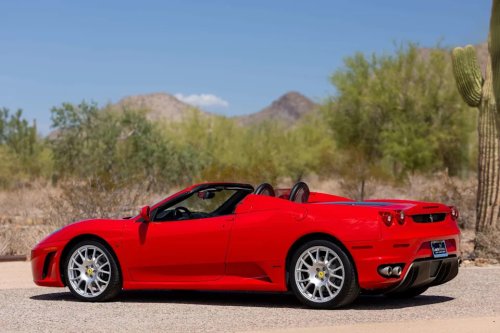
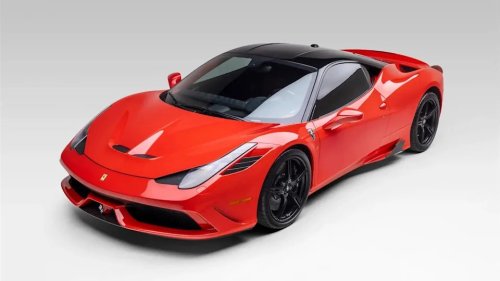
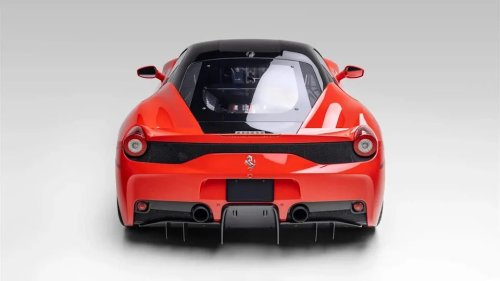
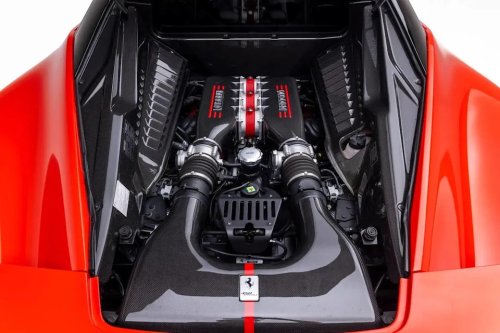
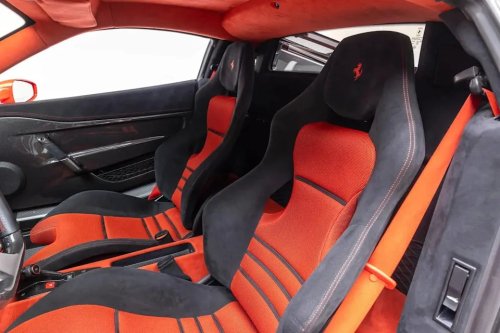
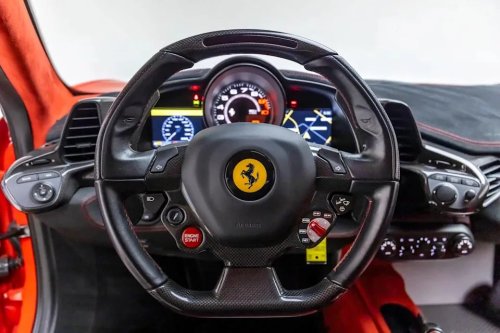
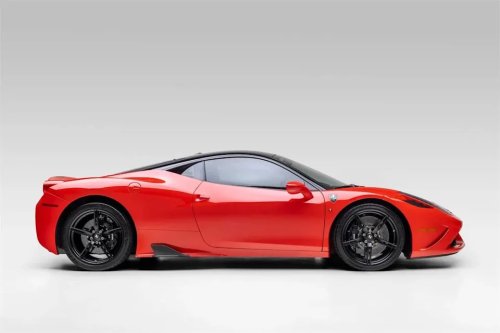
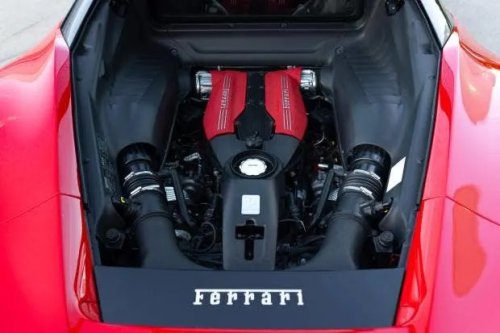
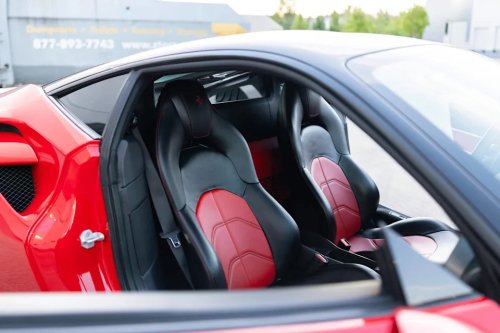
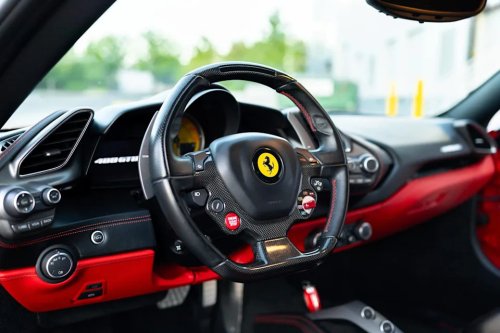
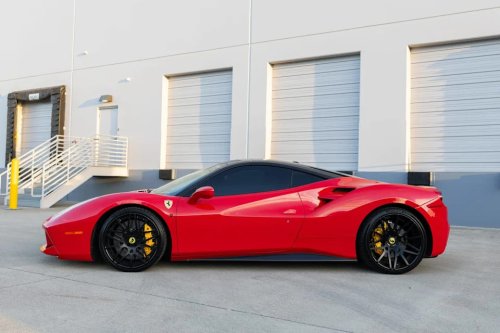
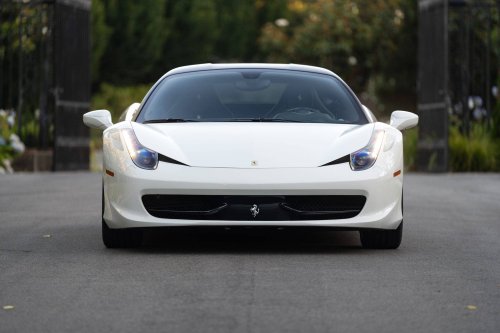
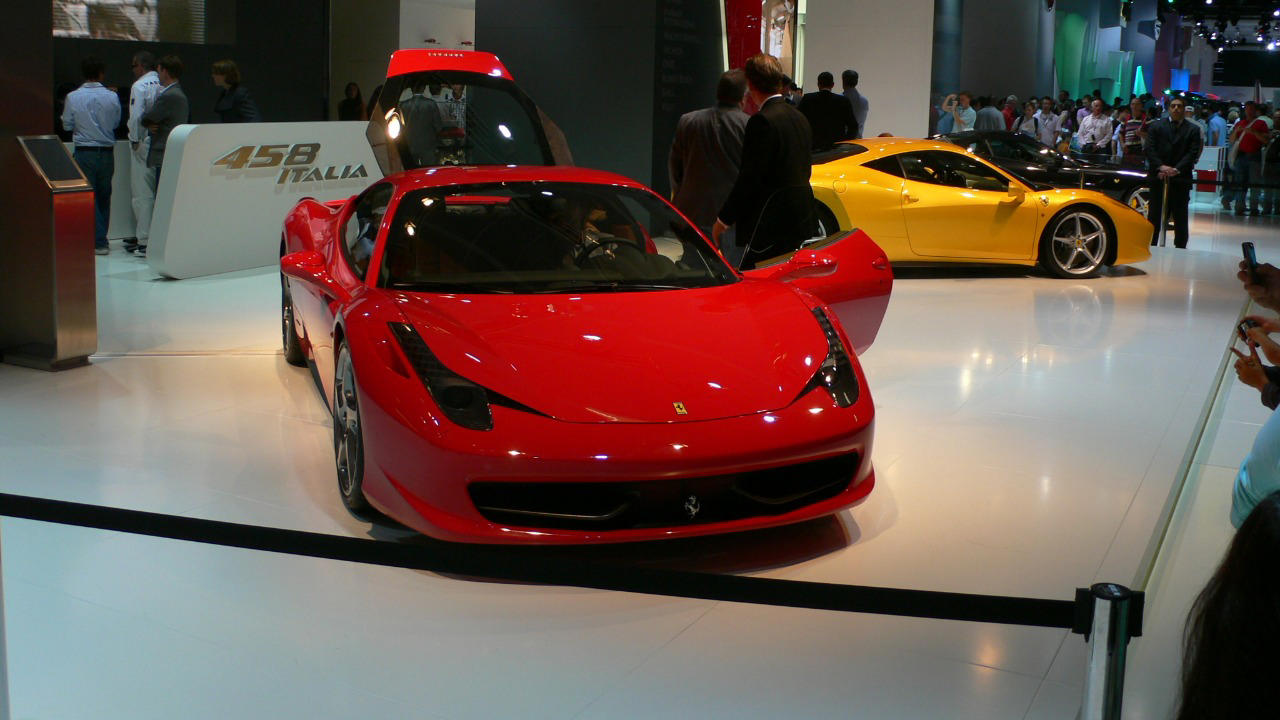
The 2009 Ferrari 458 Italia delivered balance that changed Ferrari’s directionThe 2009 Ferrari 458 Italia arrived at a moment when Ferrari needed more than another fast mid‑engined supercar. It became the clearest road‑going expression of the team’s modern Formula 1 thinking, translating years of race engineering into a car that reset how Ferrari balanced speed, usability, and technology for its customers. By threading F1‑grade aerodynamics, electronics, and packaging into a relatively compact V8 berlinetta, the 458 Italia marked a change in direction that still shapes how Ferrari designs its mid‑engined cars. It was not just quicker than the F430 it replaced; it was more stable, more intuitive, and more accessible at the limit, all traits that grew directly from the company’s grand prix experience. From F430 to 458: a clean‑sheet rethink Ferrari did not treat the 458 Italia as a simple evolution of the F430. The company shifted to a new aluminum spaceframe, a higher‑revving 4.5‑liter V8, and a dual‑clutch gearbox that replaced the old single‑clutch automated manual. The result was a car that felt less like a sharpened F430 and more like a junior race car tuned for everyday roads. The naturally aspirated V8 was central to that character. With a sky‑high redline and a specific output that pushed the limits of what a road‑legal, emissions‑compliant engine could deliver, it reflected the same obsession with volumetric efficiency that defined Ferrari’s contemporary 2.4‑liter V8 Formula 1 engines. Lightweight internals, aggressive cam profiles, and meticulous breathing work produced power that built relentlessly to the top of the rev range, encouraging drivers to use the last few thousand rpm in a way that felt distinctly motorsport‑inspired. The dual‑clutch transmission transformed how that power reached the road. Instead of the lurch and pause of the older F1‑style gearbox, the 458’s unit snapped through ratios almost without interruption, closer in feel to the seamless shift systems used in grand prix cars. That change in hardware was more than a comfort upgrade. It allowed Ferrari’s engineers to integrate the gearbox more tightly with the traction, stability, and differential control systems, a core part of the car’s F1‑style thinking. Aerodynamics shaped by grand prix experience Ferrari’s Formula 1 program had long treated airflow as a primary performance tool, and the 458 Italia carried that mindset onto public roads. The car’s sculpted nose, side intakes, and rear diffuser were not decorative flourishes. They were functional surfaces designed to generate downforce, manage cooling, and reduce drag, all informed by the computational fluid dynamics and wind tunnel methods honed on the team’s single‑seaters. One of the most telling details was the use of deformable aerodynamic elements in the front bumper. At higher speeds, small flexible vanes changed their angle under air pressure to trim drag and balance front downforce. This passive solution echoed the constant search in Formula 1 for ways to adapt aero balance across a speed range without adding complexity or weight. The underbody and diffuser also reflected race‑car thinking. Rather than relying on a large rear wing, the 458 used a carefully shaped floor to generate a significant portion of its downforce. That approach mirrored Ferrari’s F1 philosophy, where underfloor performance is central to lap time. By applying that knowledge to a road car, Ferrari achieved high‑speed stability and cornering grip without resorting to visually intrusive aero add‑ons. Electronics as a performance partner Where earlier Ferraris could feel intimidating on the limit, the 458 Italia used electronics to turn race‑bred performance into something more approachable. The manettino switch on the steering wheel gave the driver quick access to modes that changed throttle response, gearbox logic, damping, and stability thresholds. Behind those simple labels sat a complex integration of sensors and control software drawn from Ferrari’s experience managing the behavior of its Formula 1 cars across a race distance. Central to this was the electronic differential, or E‑Diff, which worked in concert with the traction and stability systems. Rather than treating each system in isolation, Ferrari linked them so the car could decide, in real time, how much torque to send to each rear wheel, how much slip to allow, and how aggressively to intervene. That strategy paralleled the way F1 engineers used integrated control systems to balance traction and stability after the ban on full traction control, relying on clever software and differential mapping to keep drivers fast yet secure. The result was a car that could feel benign in its road‑oriented settings yet come alive on track. In more aggressive modes, the 458 allowed meaningful slip angles and playful rotation while still catching mistakes with a safety net that felt more like a co‑driver than a scolding nanny. That balance between freedom and protection was one of the car’s most significant contributions to Ferrari’s future direction. Chassis tuning and the search for balance Ferrari used its Formula 1 knowledge not only to chase lap times but to refine how the 458 communicated with its driver. The steering was quick yet not nervous, the suspension firm yet compliant enough for real roads, and the brake pedal short and consistent even after repeated hard stops. Those traits reflected a chassis‑tuning philosophy that valued predictability and feedback over raw stiffness. The company’s grand prix program had long shown that a car which gives the driver clear information through the steering wheel, seat, and pedals allows more confident exploitation of performance. The 458 translated that lesson for customers. Small steering inputs produced proportional responses, body roll was tightly controlled without becoming punishing, and the car’s behavior at the limit was progressive rather than abrupt. That search for balance extended to weight distribution and packaging. Placing the V8 behind the driver but ahead of the rear axle, and positioning major masses low in the chassis, gave the car a neutral base that engineers could fine‑tune with spring, damper, and anti‑roll bar choices. The outcome was a mid‑engined Ferrari that felt less spiky than some predecessors yet more responsive and agile, a combination that would inform later models. Echoes of Ferrari’s greatest racers To understand how the 458 Italia changed Ferrari’s direction, it helps to see it in the context of the company’s most admired racing cars. Historic machines such as the 156, 312T, and F2004, highlighted among Ferrari racing cars, share a common thread: they combined strong engines with balanced chassis and effective aerodynamics rather than relying on brute power alone. The 458 applied that same philosophy to a road‑legal package. Instead of chasing top‑speed bragging rights with an oversized engine, Ferrari focused on how the car flowed along a road or circuit, how it responded to inputs, and how stable it felt under braking and turn‑in. That emphasis on harmony over headline numbers echoed the way Ferrari’s most successful grand prix cars were engineered to give drivers confidence over a race distance, not just one qualifying lap. By aligning its road‑car priorities with the values that defined its best racers, Ferrari signaled a shift away from the occasional excess of earlier supercars. The 458 Italia became a bridge between the company’s racing heritage and a more modern interpretation of usable performance. Why the 458 marked a turning point for Ferrari road cars The 458 Italia did more than update Ferrari’s mid‑engined offering for a new decade. It set a template that would guide subsequent models. Later cars adopted turbocharging and hybrid assistance, yet they retained the 458’s core ideas: integrated electronics, aero‑led design, and a focus on driver confidence. One key change was how Ferrari thought about accessibility. The 458 could be driven gently in traffic with surprising civility, yet on a circuit it approached the performance envelope of dedicated track machinery from only a few years earlier. That duality broadened the car’s appeal and showed that extreme capability did not have to come at the expense of everyday usability. Another shift lay in the company’s openness to technology as an enabler of emotion rather than a sterile layer between driver and machine. By using software and sensors to enhance feel instead of dulling it, Ferrari redefined what a digital performance car could be. That mindset has since become a defining trait of the brand’s modern lineup. The Formula 1 feedback loop The 458 Italia also illustrated how tightly Ferrari’s road and race programs had become intertwined. Engineers moved between departments, simulation tools were shared, and lessons from grand prix weekends filtered into road‑car calibration. Concepts such as brake‑by‑wire feel tuning, differential mapping, and aero balance management all had analogues in the company’s Formula 1 work. This feedback loop ran both ways. Data from road‑car customers helped Ferrari understand how drivers outside the professional paddock reacted to certain behaviors, informing how the race team thought about drivability and predictability. In that sense, the 458 was part of a broader ecosystem where each new model did not simply borrow from F1 but contributed to a deeper understanding of vehicle dynamics across both domains. By the time the 458 reached customers, Ferrari had refined this cross‑pollination into a core strength. The car stood as visible proof that the company’s investment in grand prix racing could generate tangible benefits for owners far from any starting grid. Legacy and the path forward Looking back, the 2009 Ferrari 458 Italia reads like a manifesto for the company’s next era. Its naturally aspirated V8 represented the peak of a particular engine philosophy, while its chassis, aero, and electronics previewed how Ferrari would handle the shift toward more complex powertrains. The balance it struck between excitement and approachability reshaped expectations for mid‑engined supercars. Rivals increasingly adopted similar combinations of dual‑clutch gearboxes, active aerodynamics, and integrated control systems, yet the 458’s particular blend of sound, response, and feel kept it distinct. For many enthusiasts, it became the reference point for how a modern Ferrari should behave. As regulations and customer demands push Ferrari further into hybridization and electrification, the 458 Italia stands as a reminder of what the company can achieve when it fully aligns its Formula 1 knowledge with the needs of road‑car drivers. Its influence can be traced in the way later models manage their power, communicate through the steering wheel, and use aero surfaces to stay planted without resorting to visual excess. The car did not simply showcase what Ferrari knew at the time. It changed how the company thought about translating its grand prix expertise into everyday performance and, in doing so, quietly redirected the trajectory of one of the world’s most storied sports‑car makers. More from Fast Lane Only Unboxing the WWII Jeep in a Crate 15 rare Chevys collectors are quietly buying 10 underrated V8s still worth hunting down Police notice this before you even roll window down *Research for this article included AI assistance, with all final content reviewed by human editors.



















 +59 others