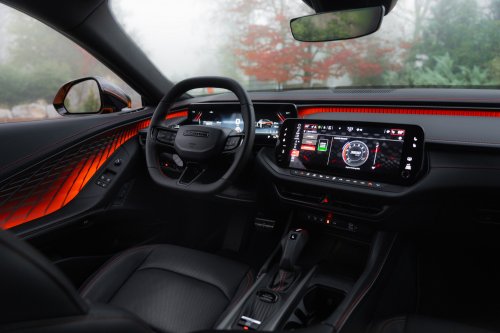
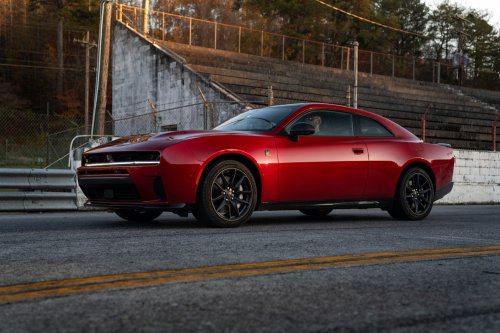
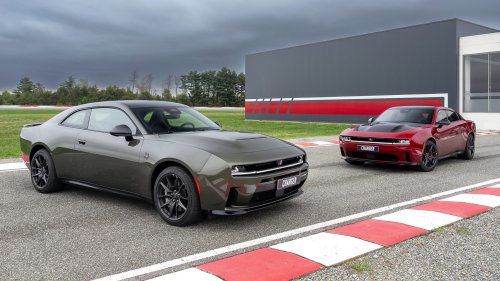
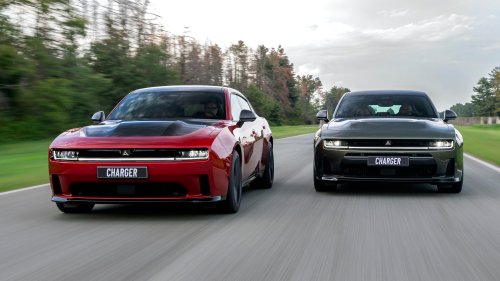
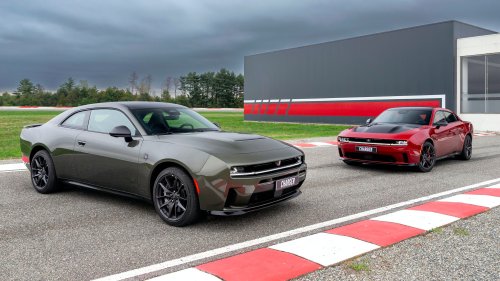
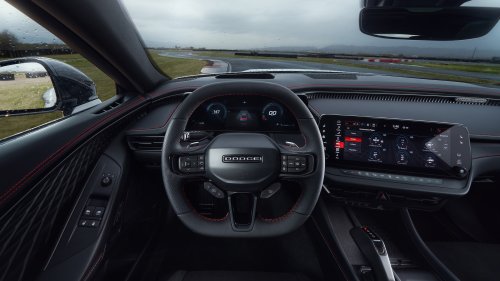
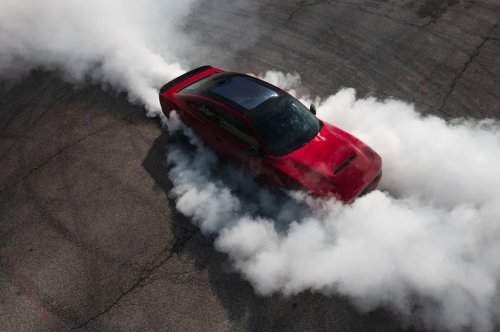
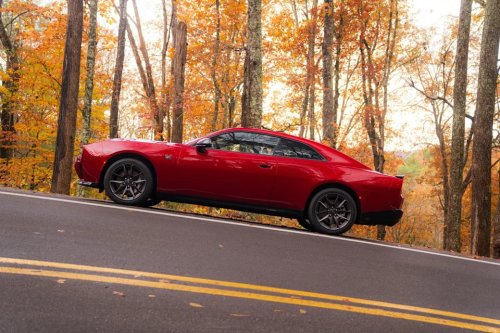
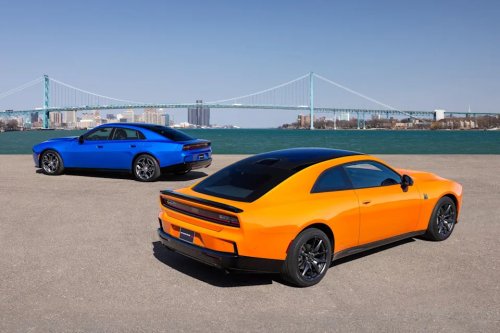
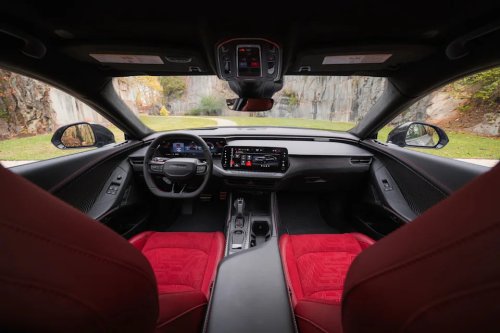
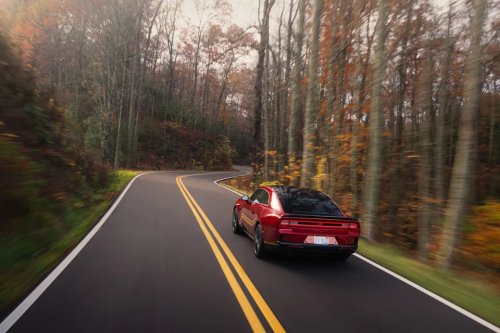
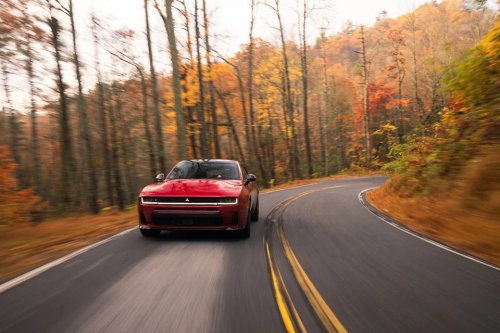
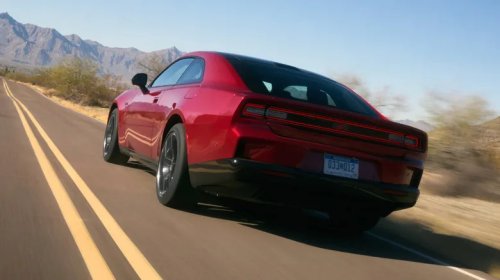
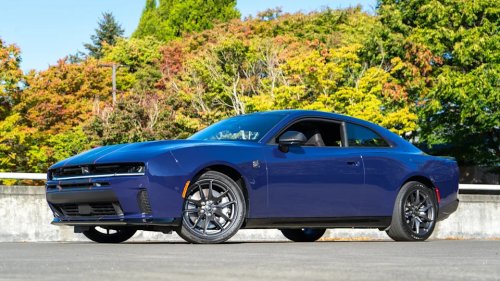
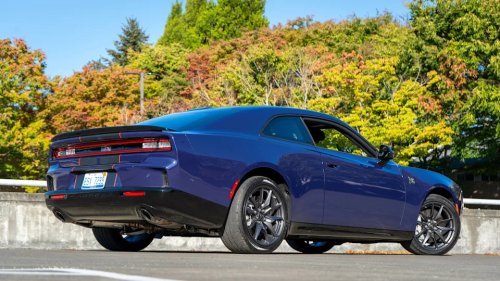
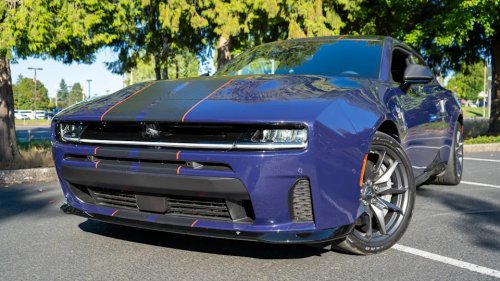
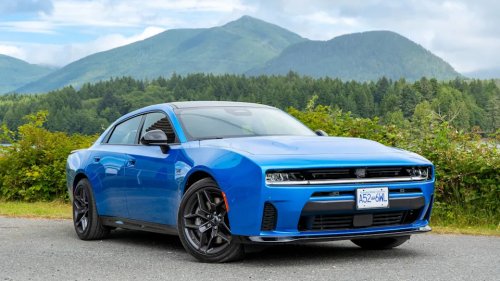
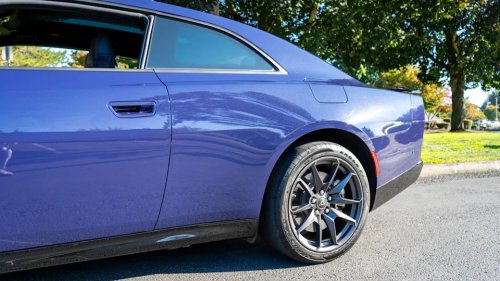
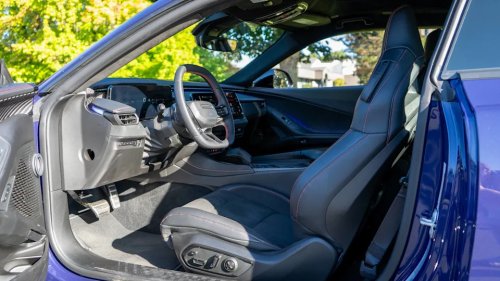
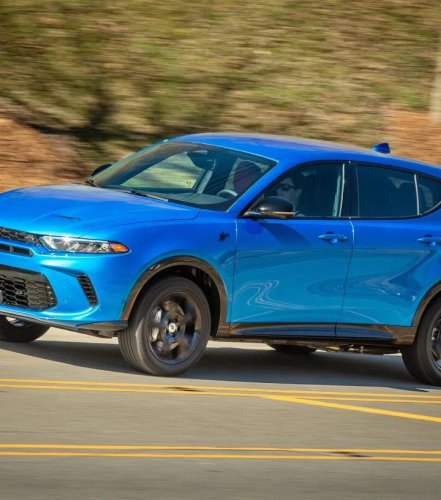
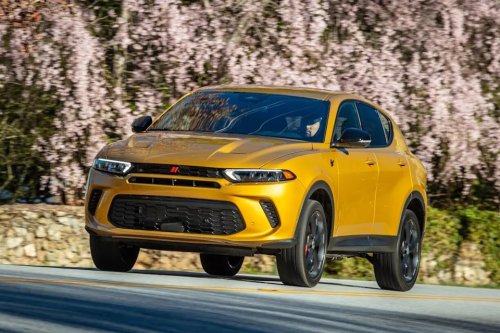
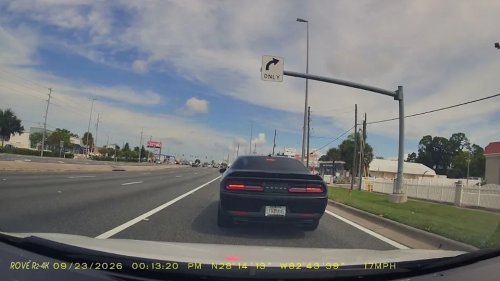
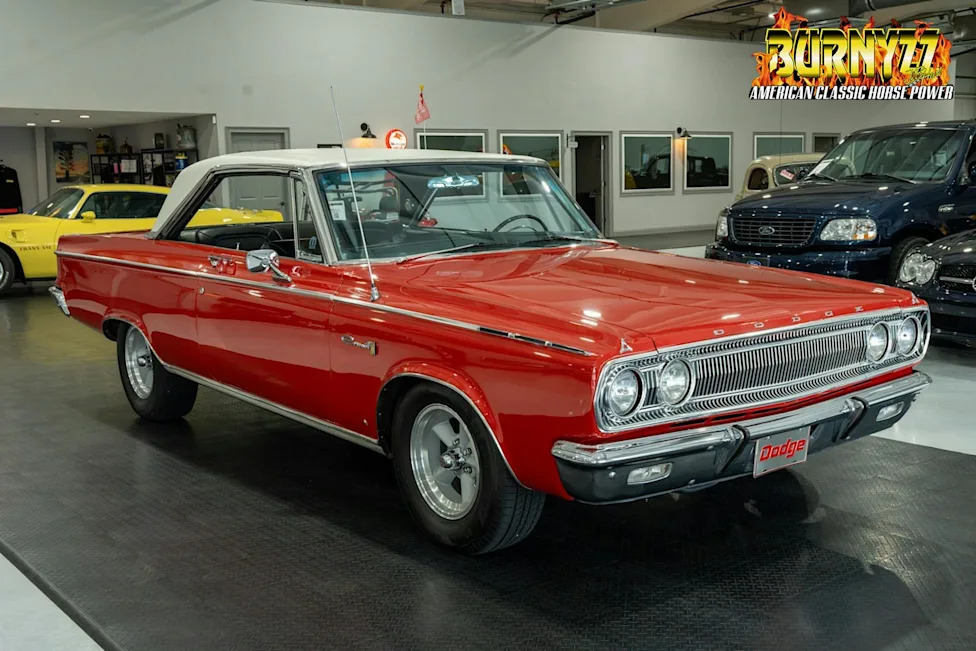
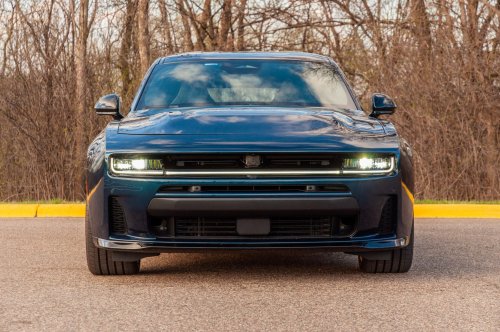
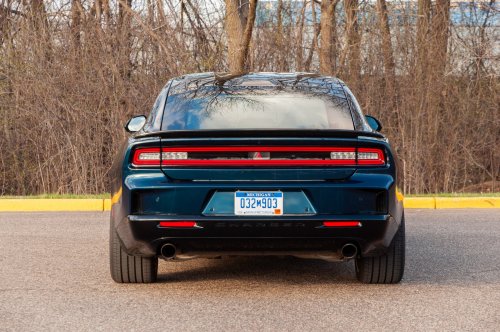
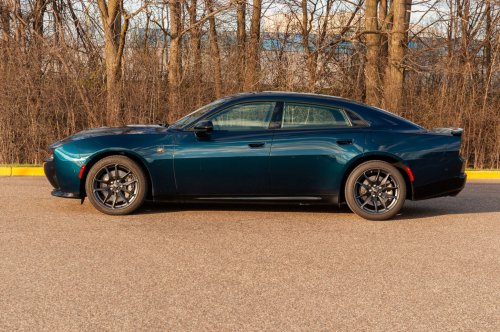
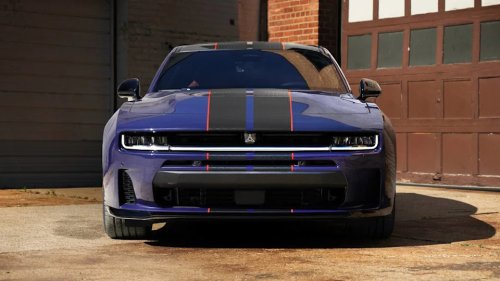
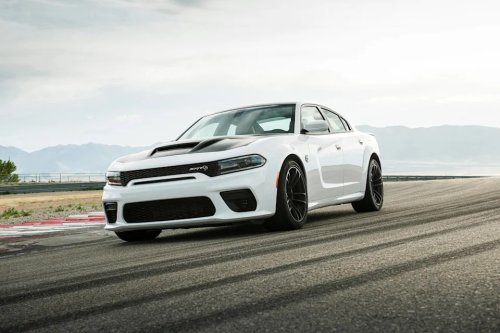
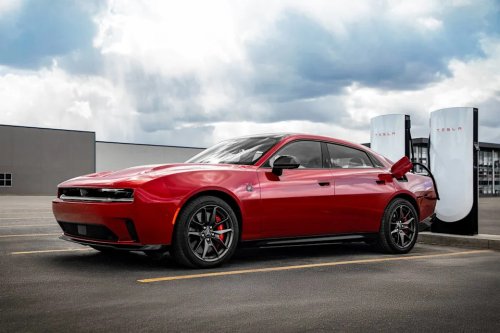
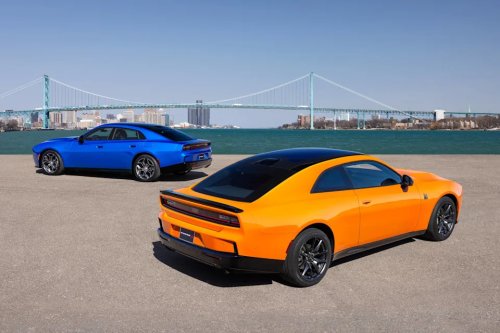
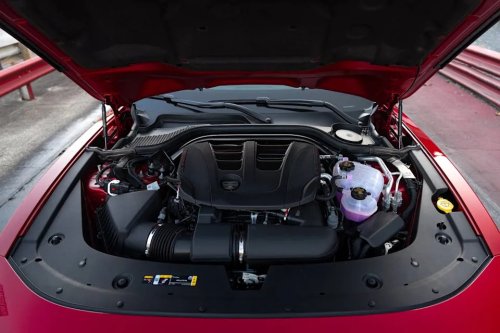
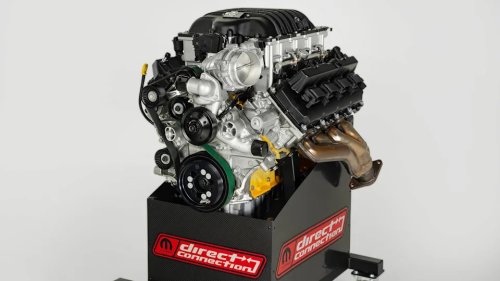
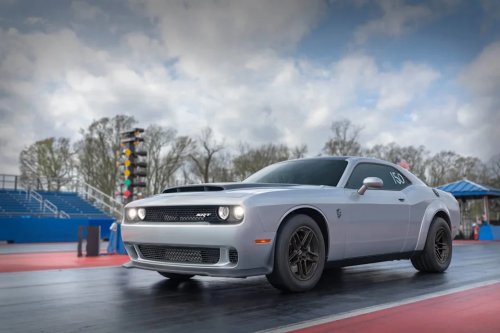
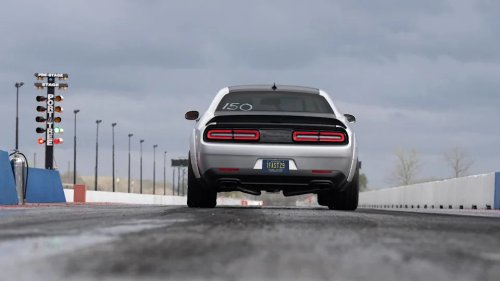
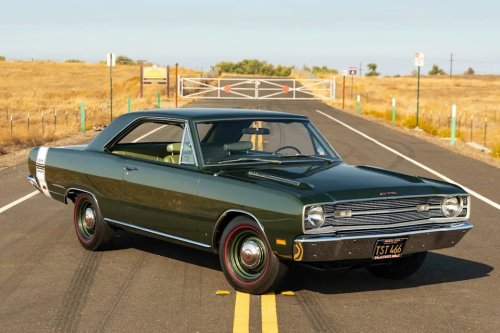
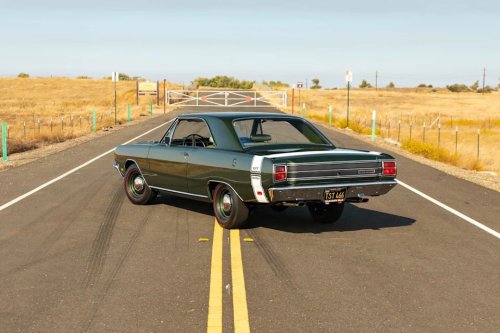
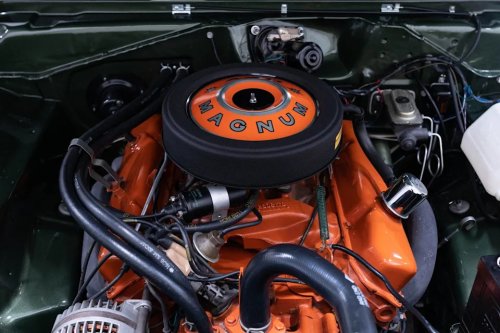
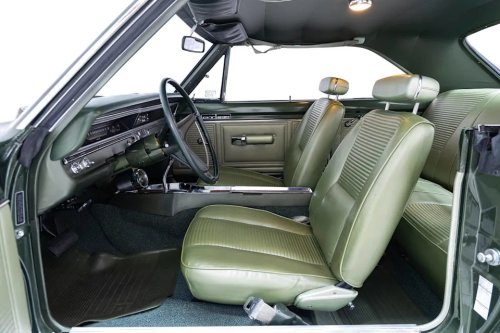
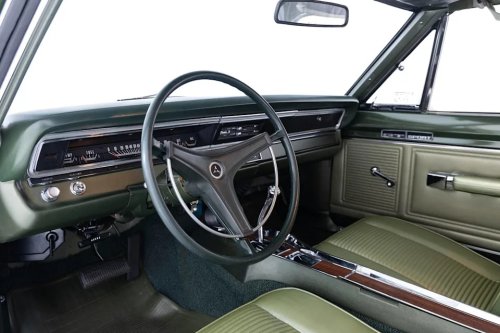
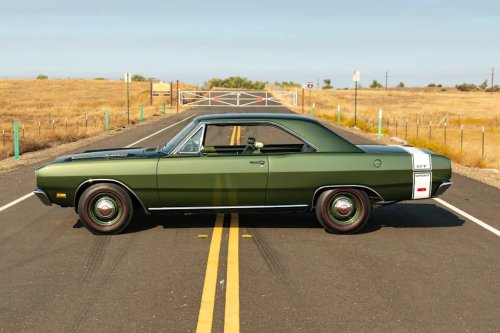
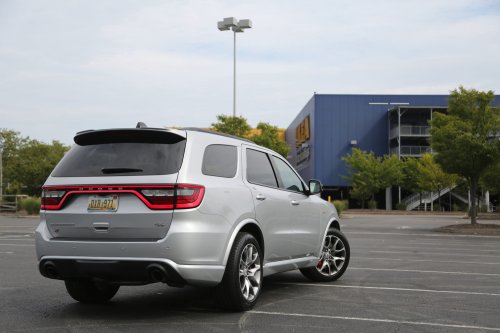
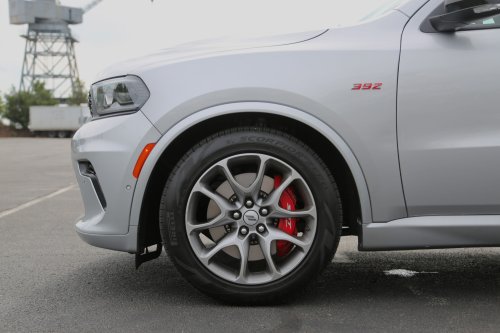
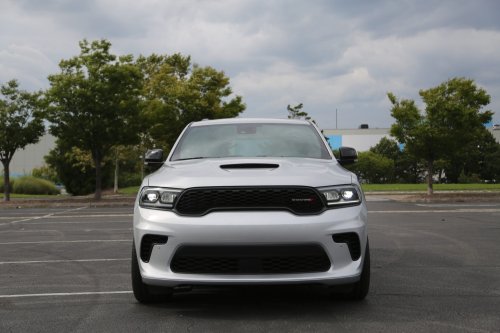
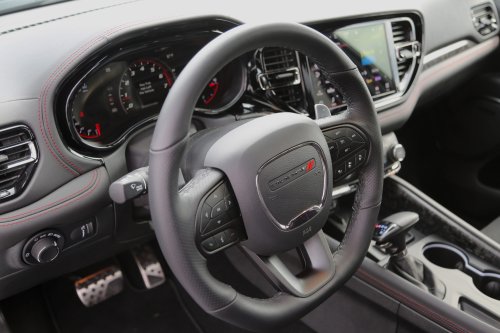
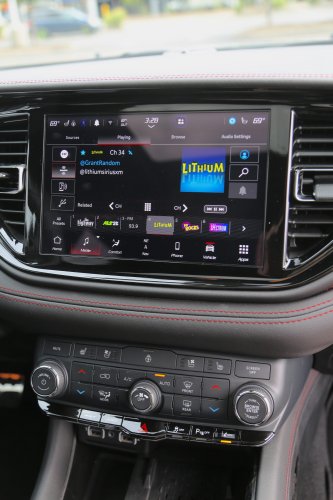
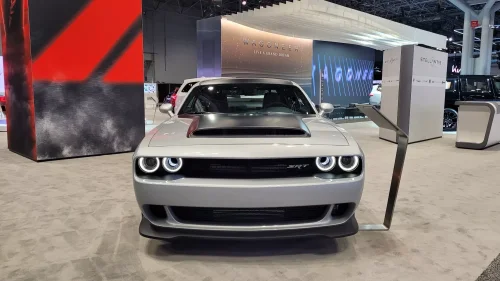
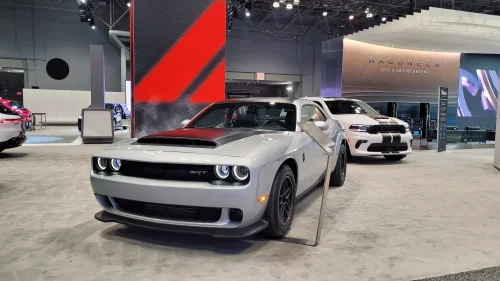
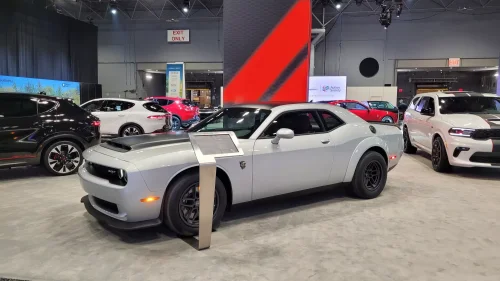
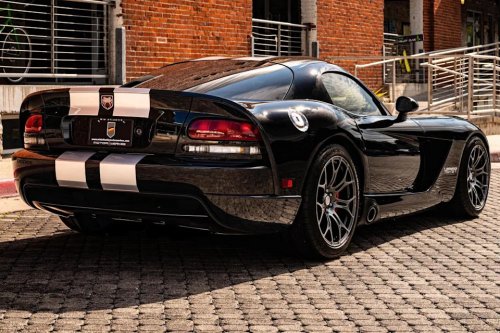
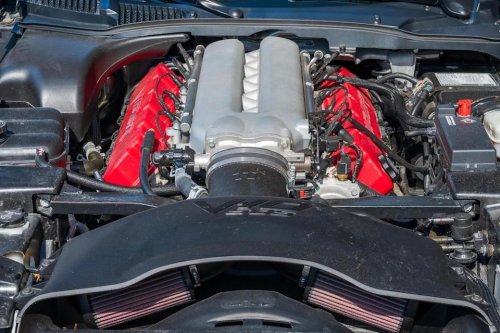
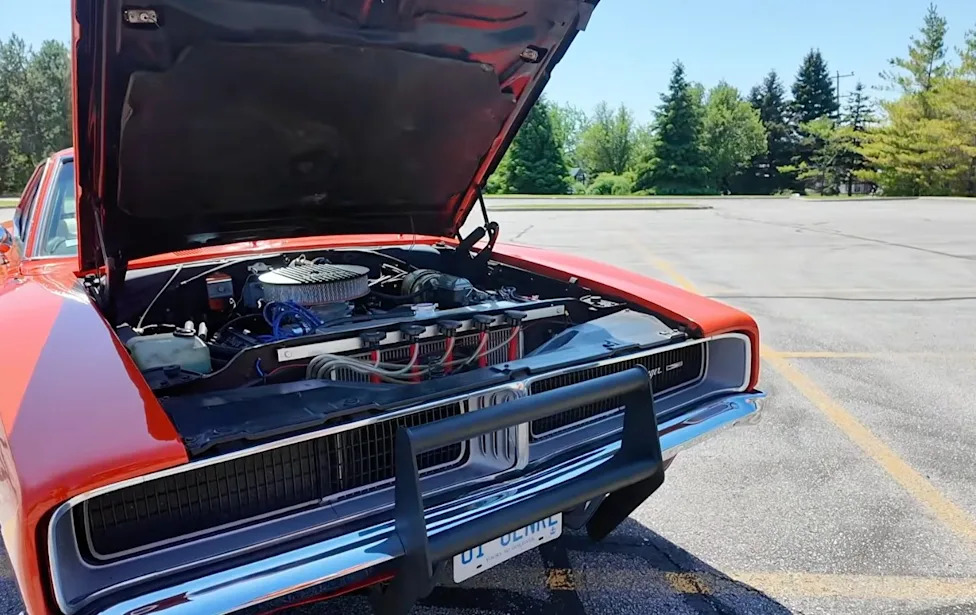
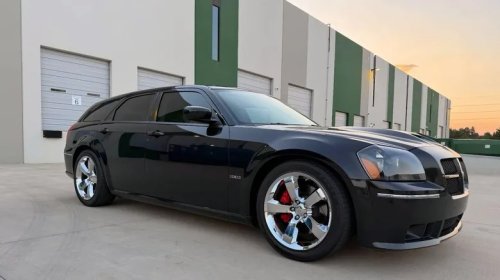
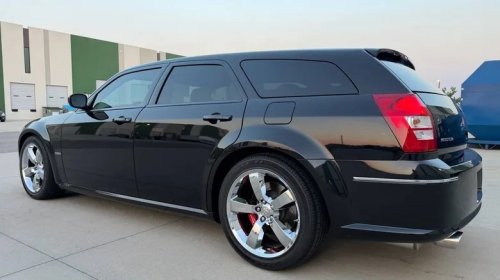
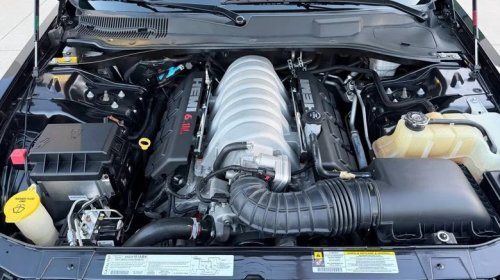
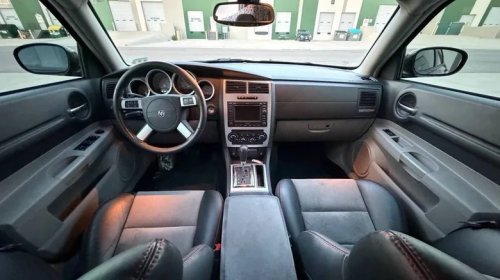
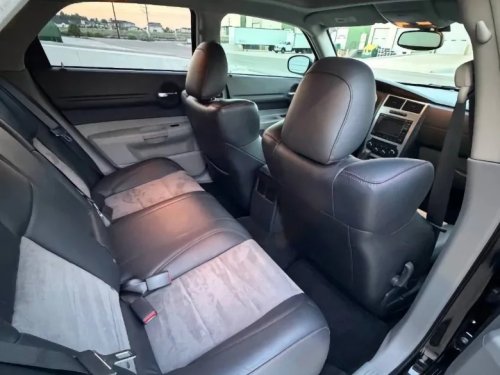
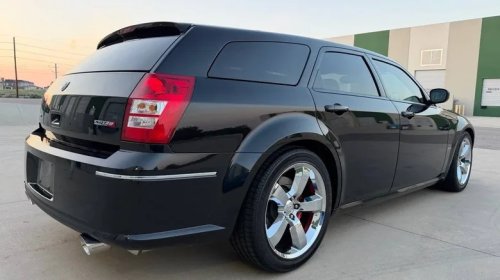
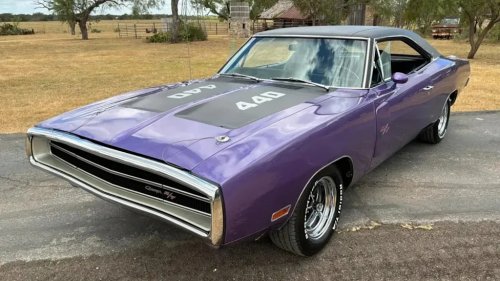
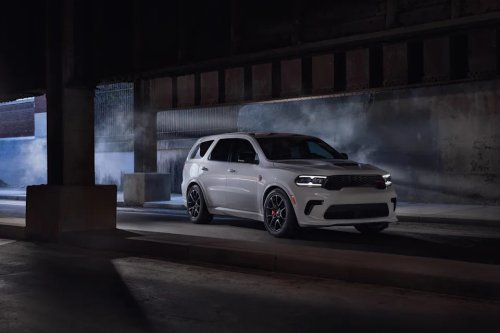
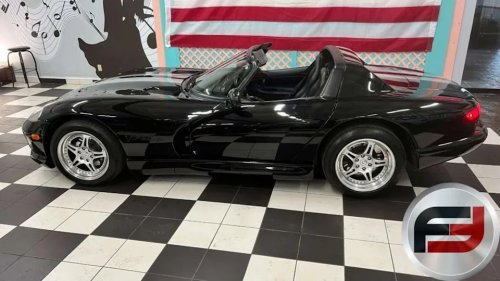
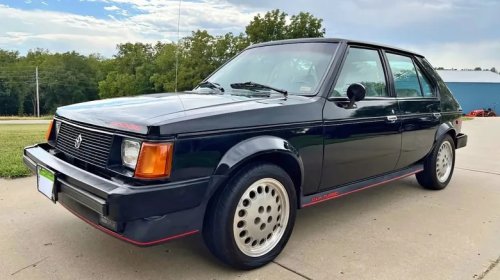
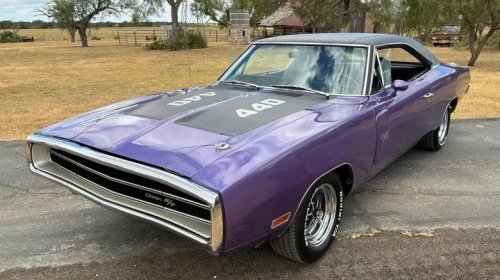
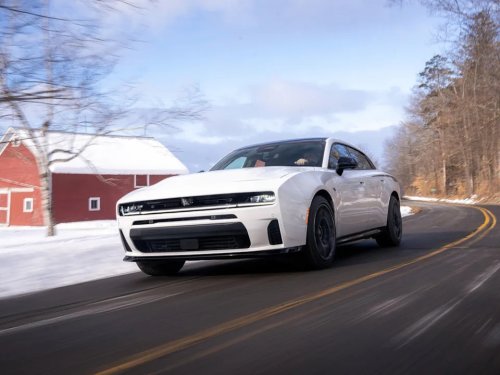
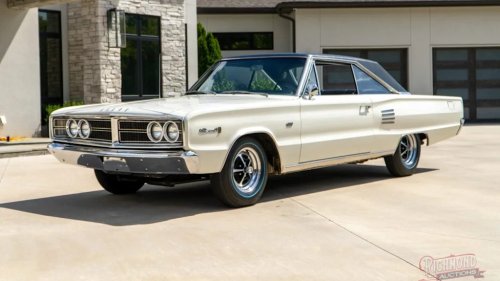
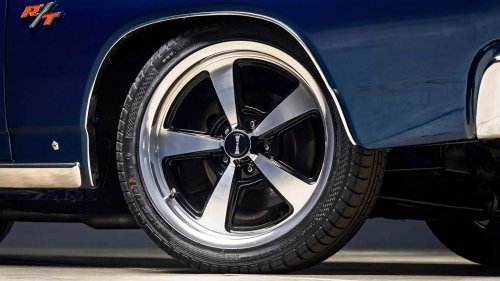
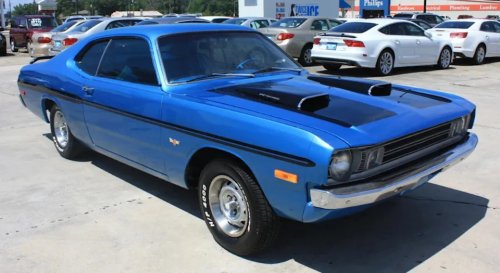
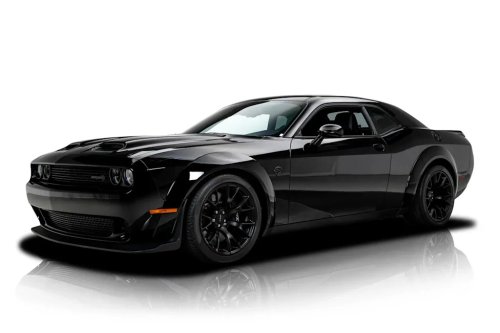
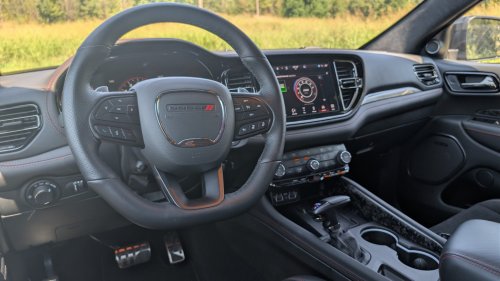
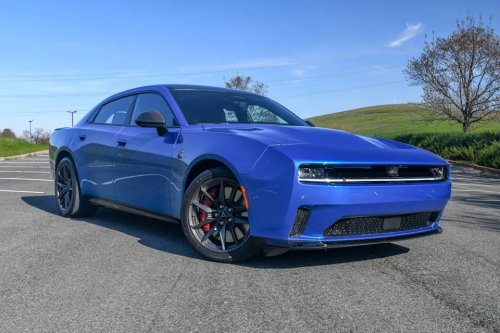
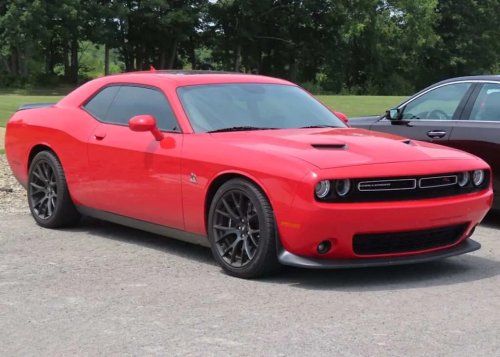
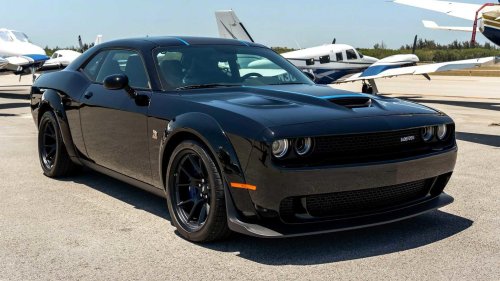
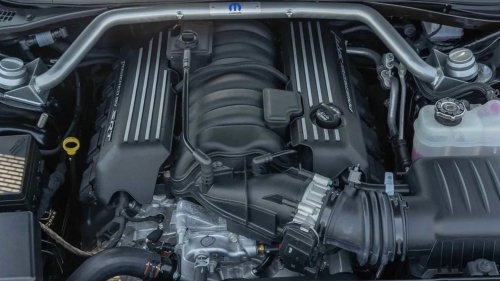
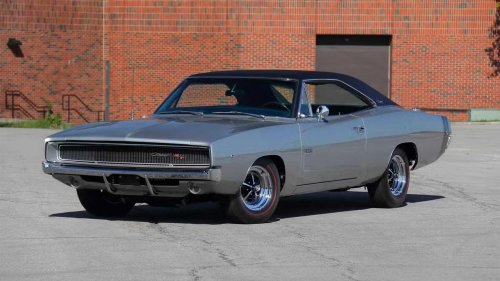
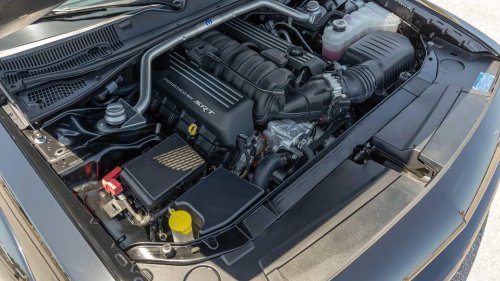
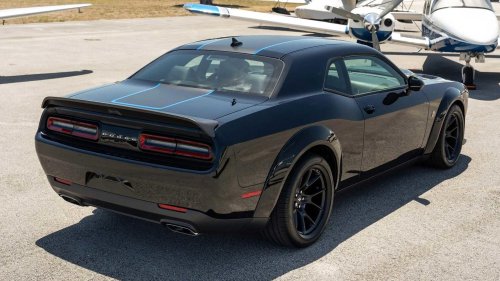
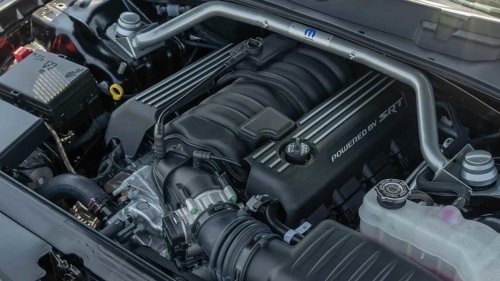
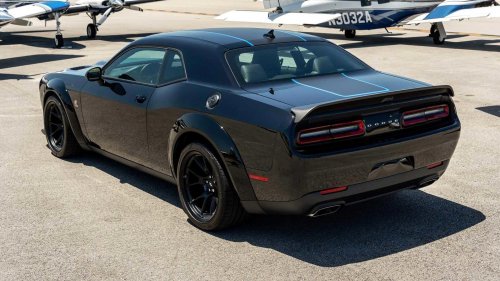
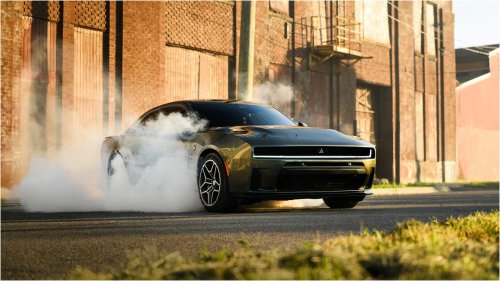
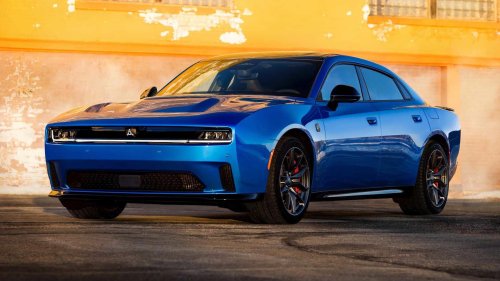
The Dodge Scat Pack lives in a special corner of American car culture. Say the name, and most gearheads picture a loud, naturally-aspirated HEMI V8 lighting up the rear tires of a Challenger or Charger. Scat Pack once referred to a factory club of Mopar street and drag strip legends that could rip the quarter-mile around the 14-second zone.The Scat Pack logo was a helmeted bee, with wide spinning tires and a V8 on its back. Today, the badge sits on Dodge muscle cars running the 392 engine, delivering real muscle without jumping into supercharged SRT territory. This guide breaks down what a Scat Pack actually is, where the name came from, why it matters, and how Dodge keeps the legacy alive as powertrains evolve. What Is A Scat Pack? The Meaning Behind Dodge’s Most Loved Muscle Badge Via: Bring A TrailerScat was slang for getting out quick, the kind of getaway only a big-block V8 and sticky tires could deliver. Pack described the crew of Dodge muscle cars that ran together and held the same performance standards. That identity shaped the Scat Pack meaning from day one. When you bought a Dodge Scat Pack car, you joined a club that demanded quarter-mile credibility.Back in the 60s, Dodge leaned hard into street performance and bragging rights at the drag strip. If the car could dip into the 14-second range at the drag strip, it earned a spot in the Pack. Early Charger and Coronet R/T owners loved flashing decals, wearing the swag, and showing up at Detroit-area drive-ins where Mopar engines burbled through lumpy cams. That pride still shows up today with people who daily-drive a Challenger or Charger Scat Pack. They enjoy a naturally-aspirated 392 HEMI that produces 485 hp and a wall of torque, right to the rear wheels.Via: Bring A Trailer Modern Scat Pack cars hit a sweet spot American buyers gravitate toward. They deliver big-block attitude without the supercharged drama that comes with SRT Hellcats. The badge signals real muscle: wide stance, big brakes, and the kind of exhaust bark that rattles parking garages. Dodge keeps the club energy alive, even as the automotive world moves into hybrid and electric performance. How The Bee Became The Scat Pack Mascot That helmeted bumblebee Scat Pack logo might look playful, but it tells a story. Dodge designers took inspiration from the Super Bee, a performance icon in the Mopar family. According to Dodge, the bee represented speed, teamwork, and a willingness to sting anything slow. It became a calling card. The logo remains one of the most recognized symbols in American muscle culture, tying every Scat Pack car to the roots that made it a legend. How The Original Dodge Scat Pack Started A Muscle Car Movement In The 1960s Via: Bring A Trailer The history of Dodge Scat Pack kicks off in 1967, right at the height of Detroit’s horsepower wars. Dodge looked around, saw Ford selling Cobra Jet Mustangs and Chevrolet pushing SS models, and decided to do something different. Instead of promoting one halo car, Dodge built a united front of street fighters that could all back up their claims. Charger R/T, Coronet R/T, and the Dart GTS earned their stripes by proving they could hustle down the quarter-mile with confidence.Dodge marketed the Pack as a real crew, not just a line of cars. Run with the Pack showed up everywhere, including ads, patches, and club newsletters. The cars grabbed attention at local drag strips and big NHRA race weekends. Younger buyers loved the idea of joining a club that celebrated loud unapologetic V8 fun. Dodge performance sales jumped, and Mopar fans found an identity that is still recognizable today.The early Scat Pack movement grew with help from the Super Bee and, later, the Challenger R/T. These machines blended everyday usability with serious speed. You could go to work during the week, then tear up a timing board on Saturday. That mix of street-legal durability and true track performance separated Dodge from rivals chasing pure top-end numbers.Stellantis The decline hit fast. Rising insurance rates targeted high-horsepower cars, and the early 70s fuel crisis crushed big-engine production. By the mid-70s, the Scat Pack faded like burnout smoke on hot asphalt. Dodge performance hung on, but the unity and swagger that defined the Pack went into hibernation until the brand rediscovered its power roots decades later.The Scat Pack badge came back because enthusiasts never forgot what those cars stood for. Fast quarter-mile times, honest muscle, and a family of machines designed to run together. That legacy drives the badge’s popularity today, and it explains why the story still matters in a world that now talks about kilowatts instead of cubic inches. The Scat Pack Engine: Why The 392 HEMI Motor Made It A Modern Icon Via: Bring A Trailer The scat pack engine is the secret sauce behind the modern badge. When Dodge revived the Pack for real in the mid 2010s, the brand delivered performance that felt straight from the golden age of Detroit muscle. The 6.4-liter 392 HEMI arrived in the Challenger and Charger Scat Pack with the kind of big-torque punch that gets crowds cheering and traction control sweating. With 485 hp and 475 lb-ft hitting a rear-wheel drive layout, the scat pack motor gave American muscle car fans the sound, attitude, and throttle response they wanted from a naturally-aspirated V8.The Scat Pack came ready for performance duty with two transmission choices. An 8-speed auto snapped through gears like a paddle-shifted bruiser, while a manual gearbox kept purists in control. On a good day with sticky pavement, a Challenger Scat Pack can sprint from 0 to 60 mph in the low 4-second range (about 4.2–4.5 seconds), which makes it quicker than many luxury sports cars that cost way more.The Scat Pack sits above the Challenger R/T in Dodge’s hierarchy, and that jump in muscle makes a huge difference on the street. The R/T’s 5.7-liter V8 HEMI looks modest when the 392 lights up and roars down the road. Enthusiasts love the raw feel of natural aspiration. You get linear power, clean tone, and instant response without waiting for boost. Dodge borrowed tech and tuning from SRT models to keep things track-ready, including Brembo brakes and adaptive suspension on the right packages.Via: Bring A Trailer Widebody models added even more capability with fatter tires and a broader stance that fights wheelspin. The result is confidence when you launch hard or carve into a fast sweeper. For many muscle car fans, this engine nails the dream: huge drama for the dollar, with a personality that never gets old. Scat Pack Engine Spec Snapshot Source: DodgeThe 392 is why the Scat Pack name lives on. It connects everything people love about old-school V8 muscle to modern performance built to be driven daily. SRT vs Scat Pack: The Real Differences In Power, Price, And Purpose Via: Bring A TrailerThe question of SRT vs Scat Pack comes up constantly in Mopar forums and parking lot conversations. Both deliver real American muscle, but they serve different types of drivers. Scat Pack represents the performance sweet spot, while SRT cars crank power into territory that demands serious driving skill and deeper pockets.The Scat Pack gets the 392 engine and runs hard without supercharger complexity. That means lower ownership costs, fewer heat concerns on track days, and a more predictable power curve. Daily driving feels easier because the car stays calmer until you wake it up with your right foot. Pricing lands in a place where enthusiasts can stretch their budget and still afford fuel, tires, and insurance without worry.On the other side, SRT and especially Hellcat models jump into the high-power bracket. Supercharged engines bring outrageous acceleration and relentless top-end shove. With more power comes stronger internals, bigger cooling upgrades, and driveline parts designed to survive burnout abuse. They also tend to chew through rear tires faster and attract much higher insurance rates.Via: Bring A Trailer Handling plays a part as well. Scat Pack cars give you all the ingredients to enjoy twisty roads during the week and a quarter-mile blast on the weekend. SRT builds performance for frequent track use. Think larger brakes, more heat management, and setups designed to hold power for repeated hot laps. Both offer rear-wheel drive, and big personality, but they satisfy different goals.Scat Pack fits the everyday muscle fan who wants something fast, loud, and fun on the street. You get a car that welcomes throttle stabs while still making the commute comfortable. SRT models suit power-hungry drivers who plan to push limits and spend serious time chasing performance numbers.Dodge made sure both groups feel part of the Mopar tribe. The bee continues to fly, whether you choose a street-focused Scat Pack or a fire-breathing SRT beast. Why The Dodge Scat Pack Still Matters In 2025 Dodge The Dodge Scat Pack holds its place in American muscle, even as the industry shifts to electric performance. The final model years of the 392 HEMI V8 mark an important transition period for Dodge. Stellantis begins to roll out the STLA platform and the future of the badge now points at the Dodge Charger Daytona EV and the Banshee performance lineup. The world moves toward silent speed, but the Scat Pack name continues to carry weight because it earned respect long before electrons replaced pump gas.Enthusiasts know what these cars deliver. A naturally-aspirated V8 with real torque and an exhaust note you feel in your chest is the kind of experience that creates lifetime loyalty. That loyalty strengthens the value of current Scat Pack cars as they leave showrooms and enter the used market. Clean, low-mileage examples already show signs of collector appeal. People want a piece of that final era of iconic V8 power that defined Dodge for decades. When you step into a 392 Scat Pack and roll into the throttle, you understand why demand stays strong.Dodge The Scat Pack badge also evolves into the electric age. Dodge confirmed the name will live on for high-performance EV models, keeping heritage connected to the future. The brand continues to focus on straight-line speed, quarter-mile bragging rights, and an attitude that nods to Detroit’s roots. Even if the propulsion changes, the story does not. That consistency keeps Mopar fans excited rather than nervous about what comes next.A Scat Pack has always represented something more than numbers. It stands for performance anyone can tap into without needing a race trailer or track crew. The badge built a culture where people gather, talk cars, and share burnout videos like trading cards. As engines get quieter and technology gets smarter, that connection gives the Scat Pack identity staying power. It mattered in the 60s. It matters today. As Dodge builds a new generation of American muscle, the Scat Pack helps make sure the story stays loud enough for everyone to hear.



















 +56 others