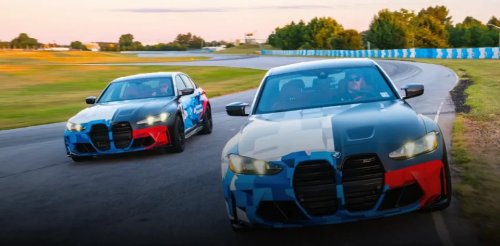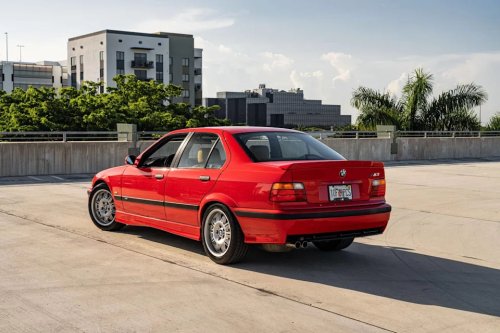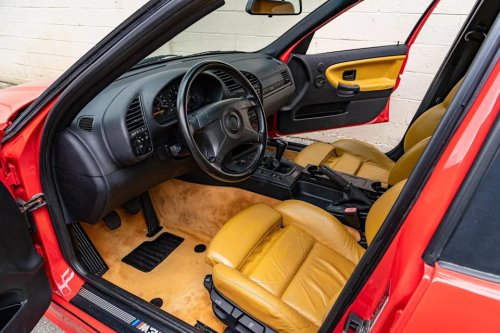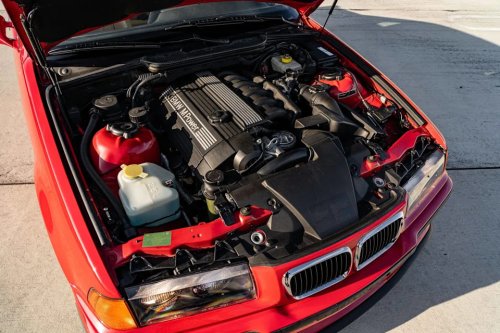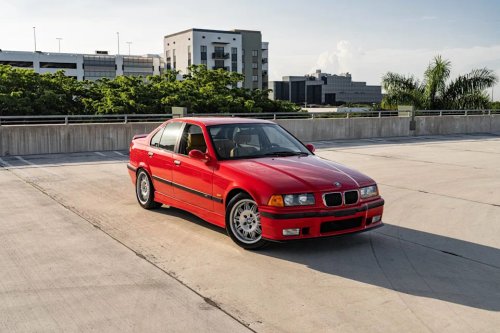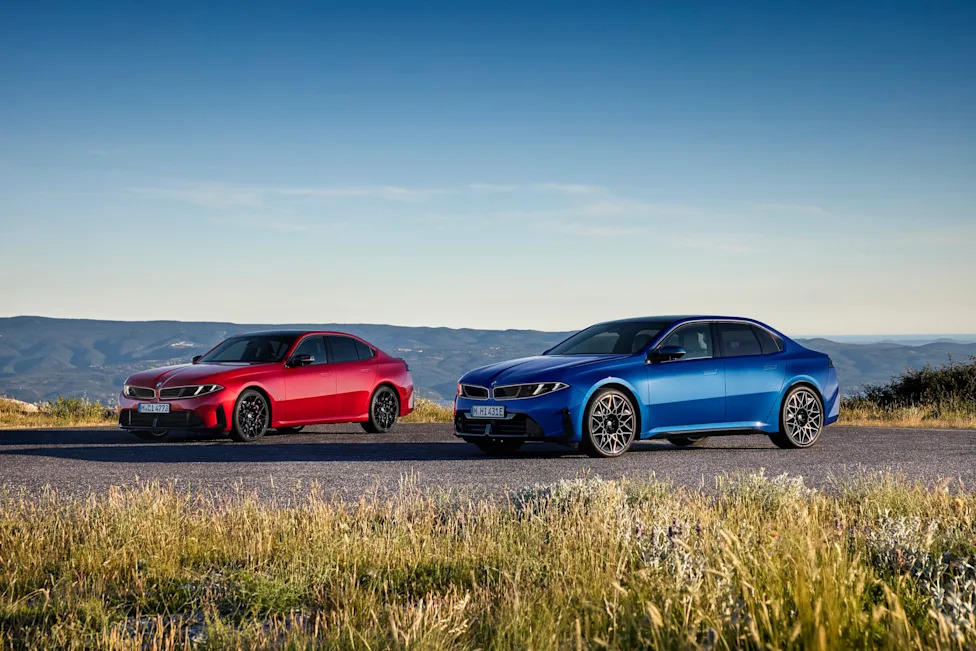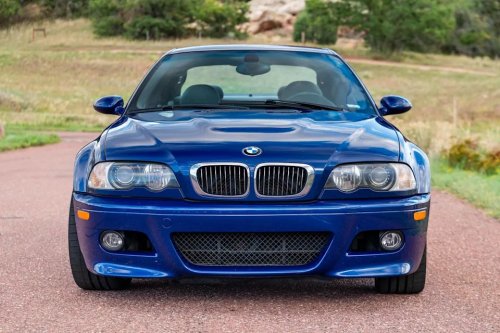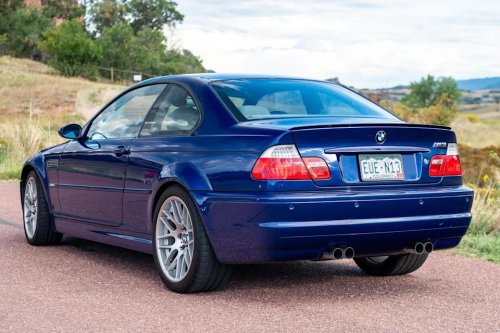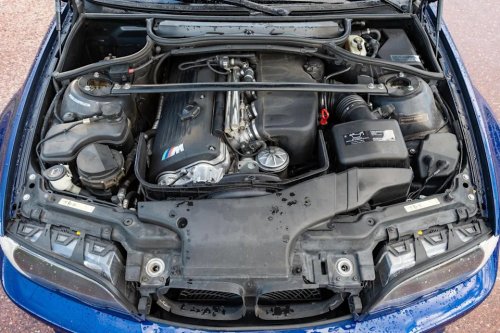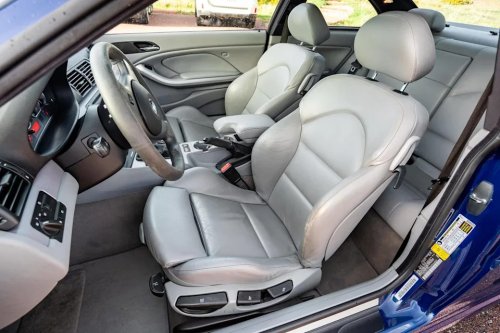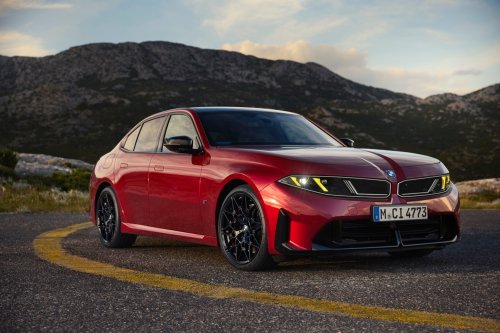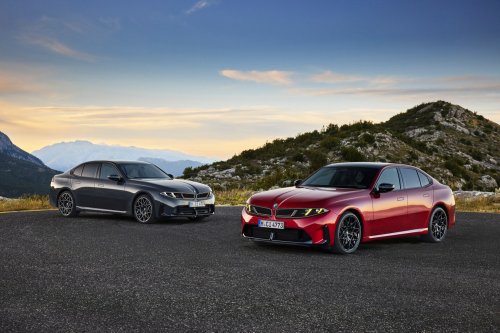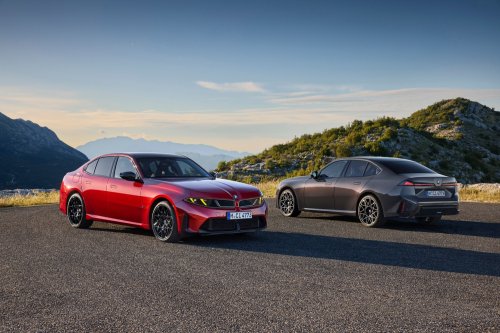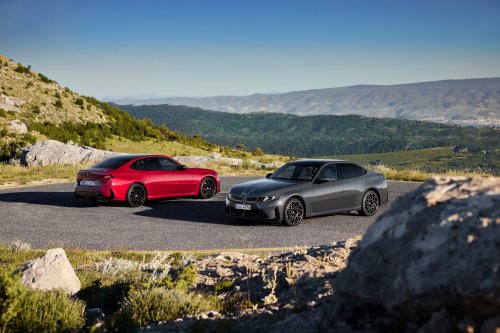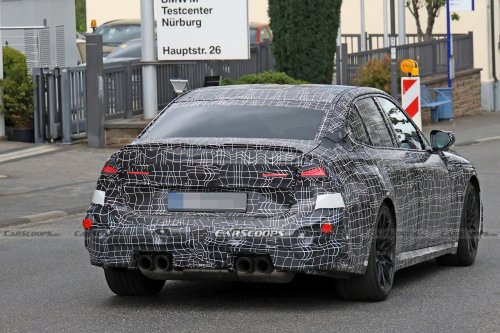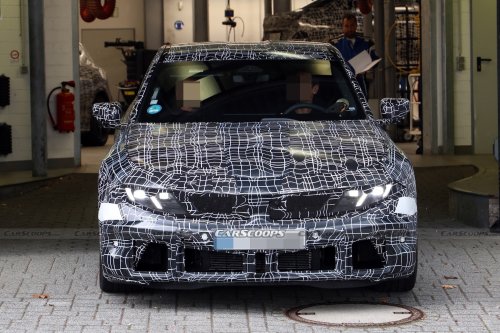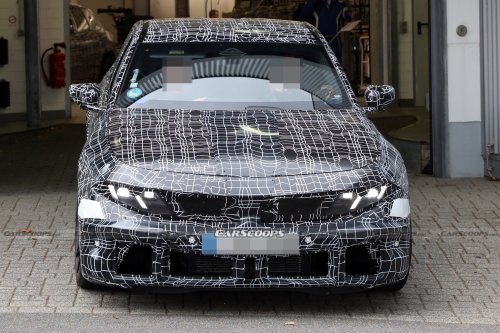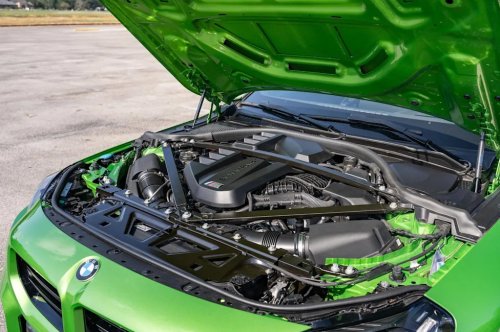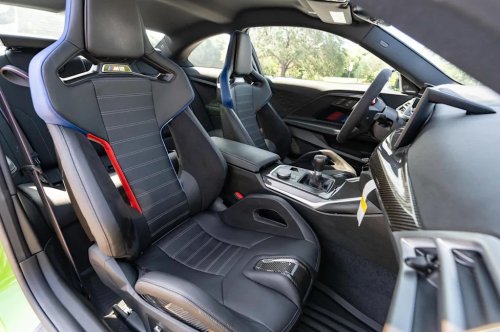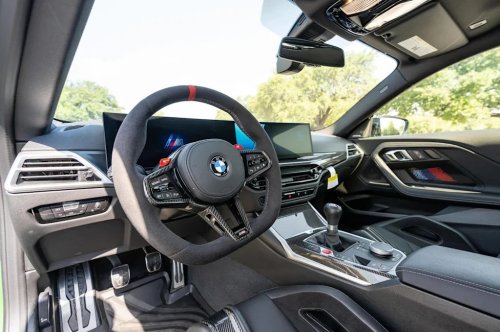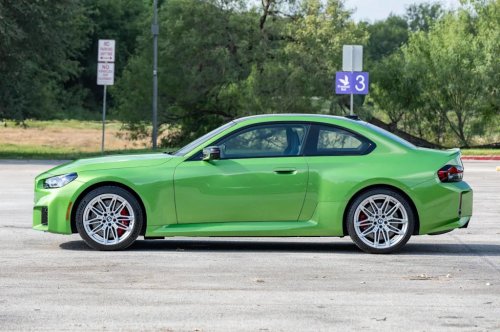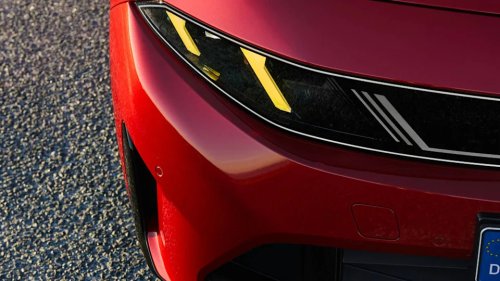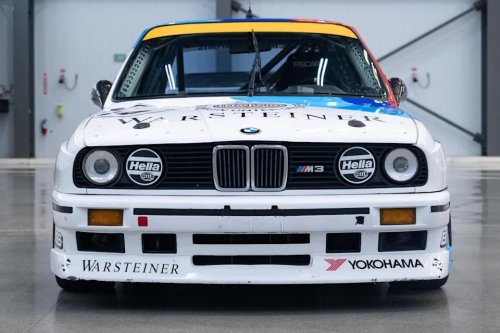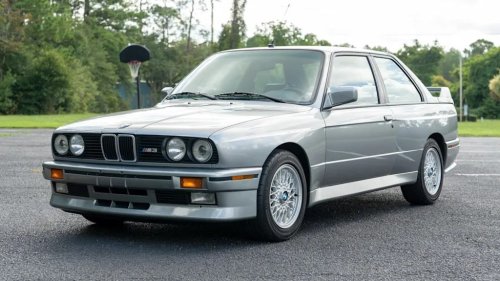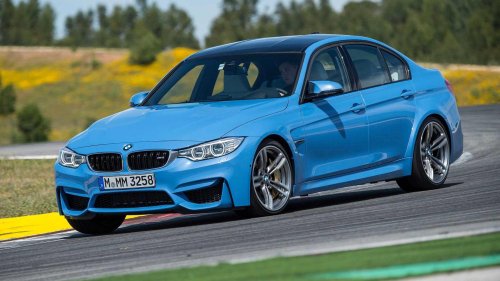
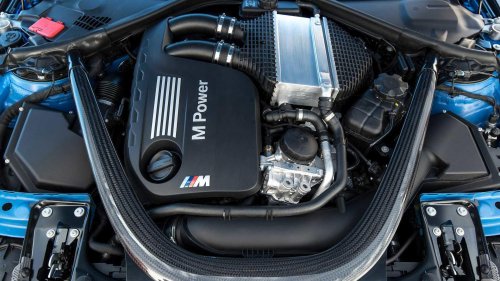
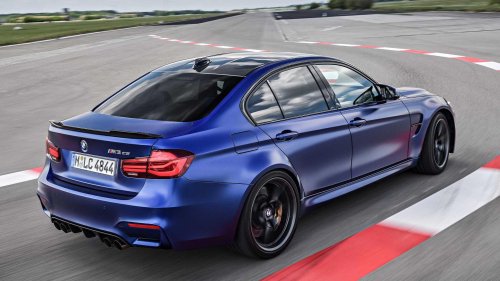
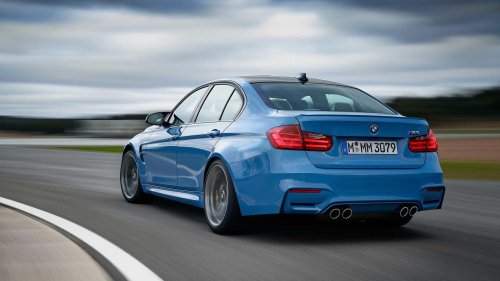
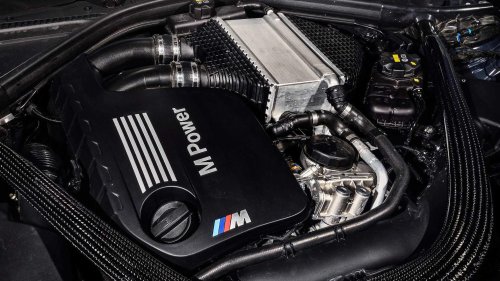
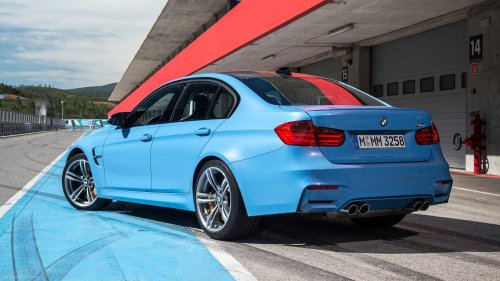



















For decades, the BMW M3 has served as the benchmark for the sports sedan segment, blending track-ready performance with everyday usability. However, the arrival of the F80 generation (2014–2018) marked a significant shift in the lineage. Unlike its predecessors or the generations that followed, the F80 was offered exclusively as a four-door sedan.Following BMW’s restructuring of its naming conventions, the two-door M4 took over the coupe and convertible duties, while a wagon (Touring) variant remained absent from this generation's lineup. This era redefined the M3 as a focused, singular performance sedan. What Is The BMW F80 M3? Via: BMW F80 Generation Overview (2014–2018) The F80 M3 arrived in 2014, replacing the high-revving, naturally aspirated V8 of the E90 generation with a more efficient, high-torque turbocharged powerhouse. It shared its chassis with the F30 3 Series but featured aggressive flared wheel arches, a carbon fiber roof to lower the center of gravity, and extensive use of aluminum in the suspension components to shed weight. Produced until 2018, it remains a favorite for enthusiasts who prefer its more traditional kidney grille aesthetics compared to the bolder designs of the newer G80. How It Changed The M3 Formula The F80 moved to the S55 engine as BMW prioritized mid-range torque and fuel efficiency without sacrificing the horsepower expected of the M badge. It was also the first M3 to utilize an electric power steering system, a move that sparked much debate among purists. Despite the technological leaps, the F80 stayed true to its roots by remaining a strictly rear-wheel drive platform, ensuring that while the power was modern, the driving dynamics stayed classic. F80 M3 Engine & Performance Via: BMW S55 Twin-Turbo Inline-Six Specs At the core of the F80 lies the S55 engine, a high-performance derivative of the N55 found in the standard 335i. This 3.0-liter inline-six features a closed-deck block design for increased rigidity and two mono-scroll turbochargers. Unlike many turbocharged engines that fall flat at high RPMs, the S55 was engineered to rev to a 7,600 RPM redline.Standard models left the factory producing 425 horsepower, while later M3 Competition and CS models pushed that figure even higher. To manage the heat generated by the twin-turbos, BMW utilized an innovative indirect charge air cooling system (air-to-water), which keeps intake temperatures low even during spirited track sessions. 0-60, Power Delivery & Sound The performance figures for the F80 were a massive leap over the outgoing V8. With the lightning-fast Dual-Clutch Transmission (DCT), the F80 M3 can sprint from 0-60 mph in just 3.9 seconds. However, with 406 lb-ft available from as low as 1,850 RPM, the car feels significantly punchier in real world driving than previous generations.One of the most discussed aspects of the S55 is its acoustic profile. Because of the turbochargers and the specific plumbing of the exhaust manifold, the F80 has a distinct, raspy growl that differs heavily from the melodic inline-sixes of the past. While some enthusiasts found the sound synthesized, the performance gains were undeniable. For those looking to modify the sound, the exhaust, from the catalytic converter back to the mufflers, is one of the first areas owners typically address. F80 M3 Variants Compared Via: BMW Standard vs. Competition Package Introduced in 2016, the Competition Package (ZCP) became the must-have option for many buyers. It wasn't just a cosmetic upgrade; it was a comprehensive mechanical overhaul. The output of the S55 engine was bumped from 425 to 444 horsepower.Beyond the power increase, the Competition Package included:Reconfigured Suspension: New springs, dampers, and anti-roll bars paired with a re-tuned Adaptive M Suspension. Active M Differential: Optimized for better traction and agility out of corners. The 666M Wheels: Distinctive 20-inch forged star-spoke wheels that filled out the arches. Lightweight Seats: Unique sports seats with cut-outs for weight-savings and better lateral support. M3 CS: The Track-Focused Option For those seeking the ultimate F80, the M3 CS (Club Sport) arrived in 2018 as a limited-run finale. It pushed the inline-six to its factory limit with 454 horsepower and a significant torque increase to 443 lb-ft. The CS was a masterclass in weight reduction and aerodynamics. It featured a CFRP (Carbon Fiber Reinforced Plastic) hood and a unique front splitter and rear Gurney flap to increase downforce. Inside, the luxury was dialed back slightly, replacing the center console with a lightweight Alcantara-wrapped version and removing some sound deadening. It’s the rawest, most sharpened version of the rear-wheel drive F80 M3. The Exclusive 30 Jahre M3 To celebrate three decades of the M3 in 2016, BMW released the special edition 30 Jahre (30 Years). Limited to just 500 units worldwide, it was essentially a fully-loaded Competition Package car finished in exclusive Macao Blue metallic, a tribute to the E30 generation. It represents the high-water mark for F80 collectors due to its rarity and specific "1 of 500" interior branding. Driving Experience & Handling Via: BMW Rear-Wheel Drive Dynamics The F80 M3 remains a pure rear-wheel drive machine, a layout that defines its agile handling. Road tests confirm that the car possesses immense levels of mechanical grip and excellent agility, allowing it to turn sharply and inspire confidence during high-speed maneuvers. For drivers who are attentive to managing weight transfer, the F80 is reported to be exceptionally rewarding, particularly on a racetrack where its limits can be safely explored.While it drives much like a dedicated sports car, it doesn't penalize the driver during the daily commute. The ride is noted to be supple enough for standard road use, and the upscale interior remains quiet enough that road noise won't wear you down. However, some critics suggest the M3 is best enjoyed on the track than in the daily grind, as its high performance-ceiling can feel slightly restrained in stop-and-go traffic. Manual vs. DCT Transmission Buyers of the F80 essentially face one major fork in the road: the manual transmission or the 7-speed Dual-Clutch Transmission (DCT).The 6-Speed Manual: This remains the choice for the purist. Technical reviews describe the shifter's action as slick and precise, and lacks any vagueness or sloppiness. It features a rev-matching function (active in all modes except Sport Plus) that makes downshifts seamless. While it results in a slightly slower 0-60 mph time (roughly 4.4 seconds), the engagement of rowing your own gears is considered far more gratifying. The 7-Speed DCT: For those prioritizing raw speed, the DCT is the faster option, helping the engine propel the car to 60 mph in as little as 3.8 to 3.9 seconds. The shifts are near-instantaneous, though some argue it removes a layer of connection between the driver and the BMW M4-shared powertrain. Steering, Braking, and Feedback One common point of contention in road tests is the electronic steering. While it is well-weighted and precise, it is often described as lacking the granular road feel found in earlier generations or some contemporary competitors. This lack of communication becomes more pronounced as the driver approaches the car's elevated handling limits.To counter the immense speed, the F80 features powerful brakes with a consistently firm pedal. Many models come equipped with standard disc brakes, but the optional carbon-ceramic units offer massive stopping power and fade resistance, albeit with the occasional groan at low speeds, which is a common trait for high-performance ceramic rotors. F80 M3 Buying Guide Via: BMW Common Issues & Reliability Concerns While the F80 M3 is often praised for its performance, long-term road tests suggest that living with one as a daily driver can be a polarizing experience. For many, the mechanical endurance is impressive; the engine and chassis can withstand rigorous use on both the track and the street. However, extended evaluations have noted several quirks that might give a prospective buyer pause.One of the most frequent complaints involves the ride quality. Even in Comfort Mode, the F80’s suspension is known to be exceptionally firm. Some long-term testers found it nearly unbearable for a standard daily commute, noting that the car’s track-focused tuning can make it feel jittery on less-than-perfect pavement. Beyond the subjective feel of the ride, several specific technical issues have been documented during extended testing and high-mileage ownership:Carbon Ceramic Brake Performance: While the optional carbon ceramics offer incredible stopping power, they are known to lose significant pedal feel and effectiveness when wet. For a car frequently driven in the rain, standard steel brakes are often cited as the more consistent choice. Acoustics and Strange Noises: The S55 engine is not known for having the most melodic startup; its cold-start idle is not the most pleasant noise one expects from an M3. Additionally, some owners have reported clunking sounds from the wheel bearings and mysterious screeching sounds during low-speed turns, often requiring warranty intervention. The Crank Hub: Though not mentioned in every journalist's review, the most significant technical concern for the S55 is the spun crank hub. This occurs when the crank bolt loosens, potentially causing the engine's timing to slip, a rare but catastrophic possibility that many owners address with aftermarket capture plates or upgraded hubs. Exterior and Interior Trim: Issues with poorly fitted carbon fiber diffusers or exhaust tips working themselves loose have been reported, alongside minor interior rattles that can develop over time. What to Look for When Buying Used When shopping for a used F80, it is vital to distinguish between a car that has been loved on a track and one that has been neglected.Service History: Ensure the 1,200-mile break-in service was performed on time. Brake Condition: Check the rotors carefully; if they are carbon ceramics, look for pitting, as replacement costs can exceed $10,000. Leaks: Inspect the turbocharger lines and the oil filter housing for any signs of seepage. Modifications: Many F80s have been tuned. While the S55 can handle extra horsepower, a car that has been pushed significantly beyond factory limits may have accelerated wear on the manual transmission or DCT. F80 M3 Pricing & Market Trends Via: BMW Current Used Market Values According to aggregate market data from sources like Classic.com, the F80 M3 maintains a strong presence in the resale market. While prices fluctuate based on mileage and condition, the average market value for all F80 M3 sedans combined currently sits around $53,002.As seen in these figures, the Competition Package remains the sweet spot for many buyers, offering significant mechanical upgrades for a relatively small premium over the base model. Meanwhile, the 30 Jahre edition commands a massive premium, reflecting its status as a limited-run collector’s item. F80 M3 vs. G80 M3: Which to Buy? Via: BMW When choosing between the F80 and its successor, the G80 (2021–Present), the decision usually comes down to feel vs. capability.Why Choose the F80: Enthusiasts often argue that the F80 feels more raw and unfiltered. It is approximately 200 lbs lighter than the G80 and utilizes a lightning-fast Dual-Clutch Transmission (DCT) that many prefer over the newer generation’s torque-converter automatic. Stylistically, many find the F80's more traditional aesthetic and flared arches to be the peak of M3 design. Why Choose the G80: Objectively, the G80 is a more capable machine. It features the S58 engine, which is more powerful and offers a more linear power delivery. It also introduced an all-wheel-drive (xDrive) option, making it far more usable in inclement weather. The interior tech is a massive leap forward, though it trades the F80's physical buttons for large curved displays. Ultimately, the F80 M3 is increasingly viewed as the last old-school feeling M3—the final generation to prioritize a compact footprint and a rawer, rear-wheel drive personality before the M3 transitioned into a more refined, tech-heavy executive express.Sources: BMW, BMW Blog, Bimmer Post, Classic