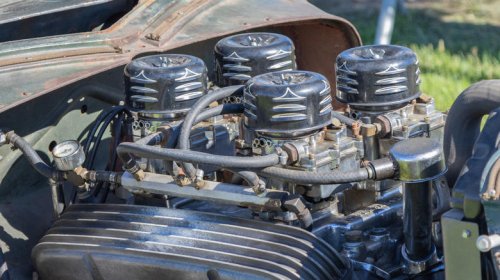
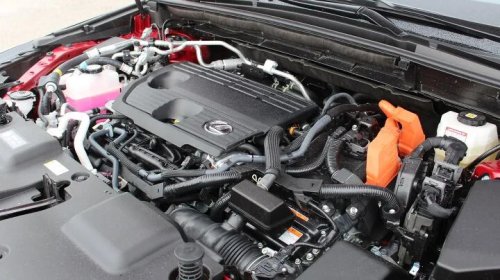
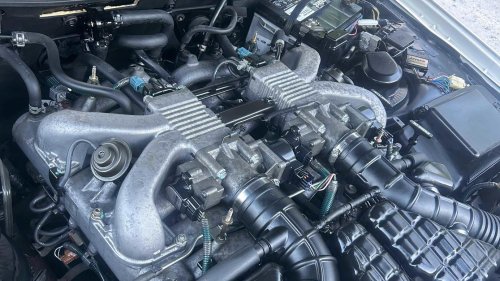
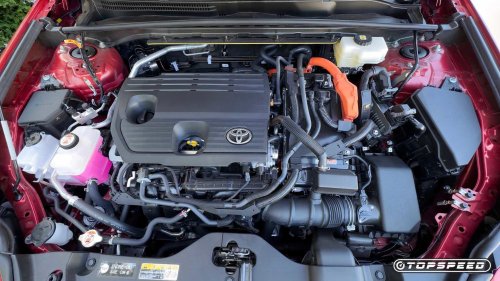
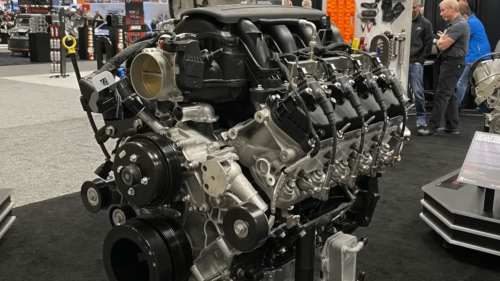
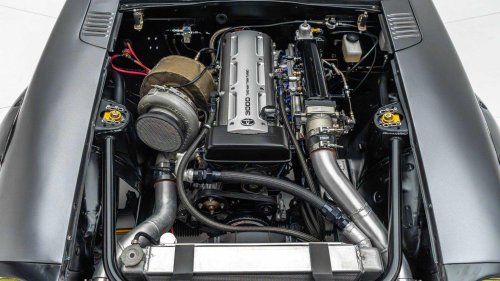
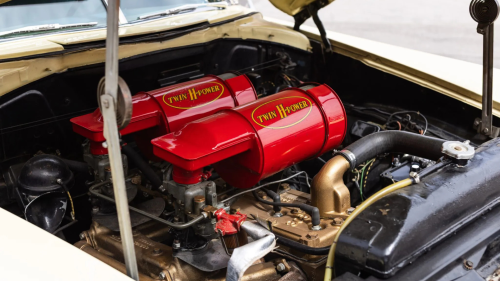
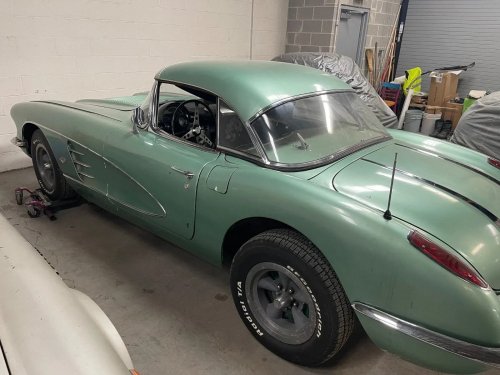
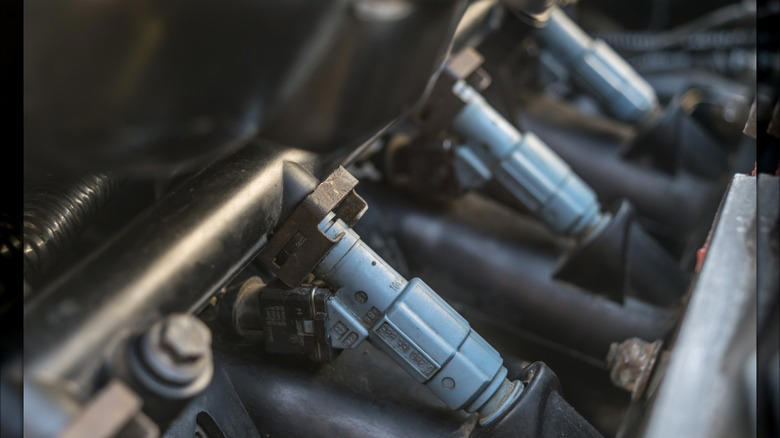
What is fuel injection?First built in 1906, the Antoinette 8V aviation engine was the first gasoline engine with a primitive forerunner of fuel injection. The technology was further refined but remained confined to aviation until the 1940s. Fuel injection systems first appeared on race cars in the '40s, but it would not be until the '50s that production automobiles received fuel injection, with the release of the Mercedes-Benz "Gullwing" 300SL.Fuel injection systems rely on pressurized fuel delivered by a high-pressure pump in the fuel tank to valves called injectors on the engine. The fuel is delivered into the engine directly from the injector, which has several pinholes to atomize the fuel as it enters the airstream into the engine. A throttle plate controls airflow while sensor inputs control fuel flow and engine sensors control injector pulses' timing.Early systems relied on various pumps, diaphragms, and other mechanical sensors to operate. They were complicated and expensive, and so used mostly in luxury and sports cars. Eventually, that was replaced by electronic fuel injection, which used multiple electronic sensors to monitor engine conditions to be calculated by an electronic control unit that would activate the injectors, and deliver the precise amount of fuel at the right time. Early throttle body systems had fuel injectors instead a carburetor but were replaced by more efficient port injection systems with individual injectors on the intake port of each cylinder, the most common system today. The newest system, which is growing in popularity, is called direct fuel injection, and its fuel injectors spray fuel directly inside the combustion chamber.Technological improvements of fuel injectionThe evolution of fuel injection charted a course full of innovation and sophisticated solutions. Mercedes-Benz equipped its 1954 SL300 cars with a fuel injection system that its race cars had previously developed from the infamous Messerschmitt Bf 109 WWII fighter plane. A few years later, Chevrolet Corvettes were offered with a Rochester Ramjet mechanical fuel injection system. Although this option cost around $500 in the late '50s, it delivered a benchmark one horsepower per cubic inch and measured its fuel requirements from vacuum inputs, delivering fuel through a mechanical distributor and eight fuel lines.In 1957, Chrysler offered the Bendix Electrojector system as an option on some models. This was the first electronic fuel injection system, although it was not digital. It used a controller made with analog circuitry and, in early iterations, vacuum tubes. All cars sold with this option were recalled, as the primitive electronics failed miserably in real-world conditions. VW improved on this with Bosch D-Jetronic fuel injection, which proved to be reliable, thanks to its solid-state circuitry. More refinement came to fuel injection systems as Cadillac introduced electronic fuel injection on the 1976 Seville. And in 1980, Bosh introduced Motronic, the first system controlled by integrated circuits.For the last 40 years, fuel injection systems have become more advanced, precise, and efficient. With even higher-pressure secondary fuel pumps, direct injection sends highly atomized fuel directly into the cylinder with precision, to further increase efficiency and power output.



















 +45 others