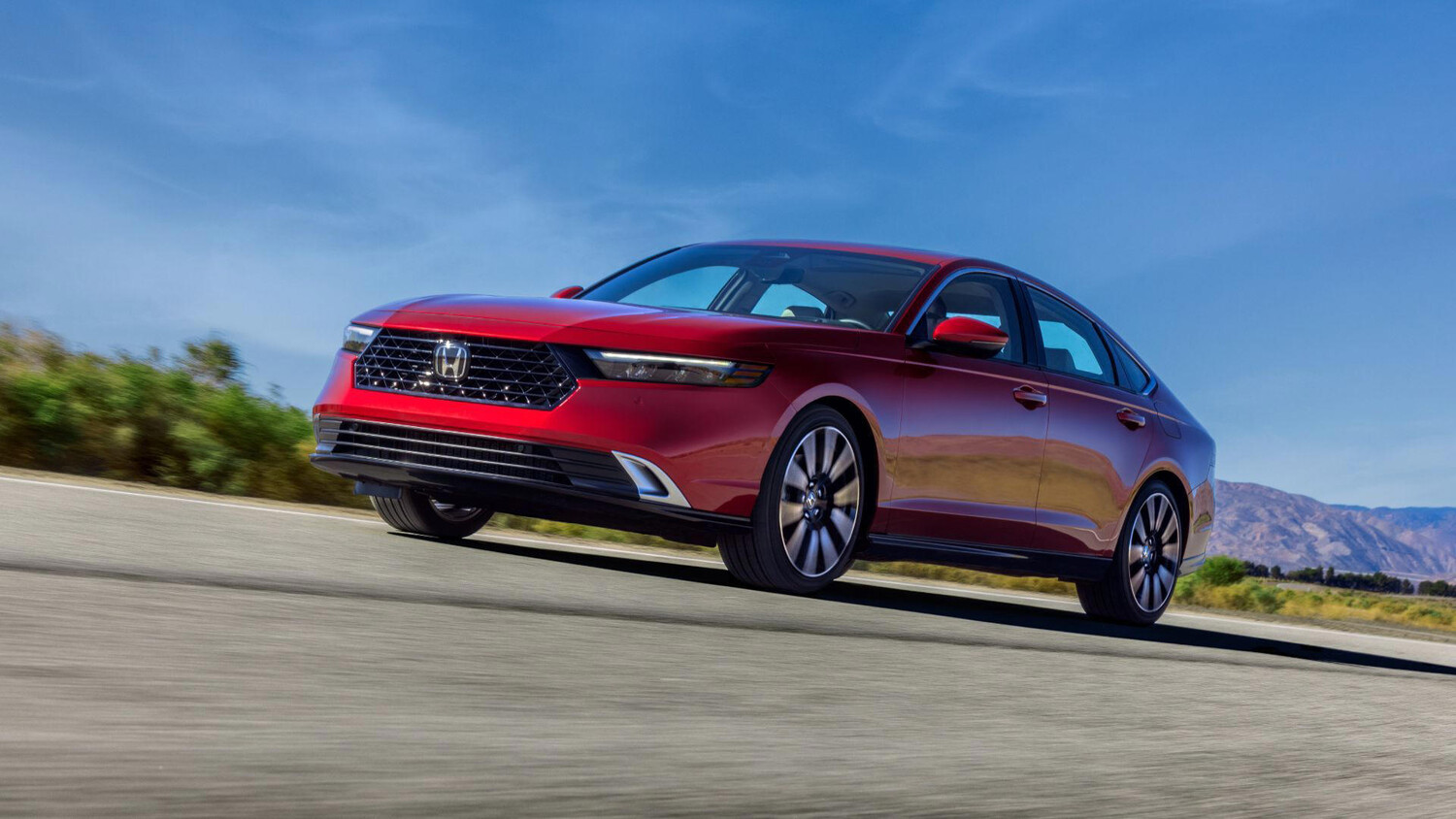
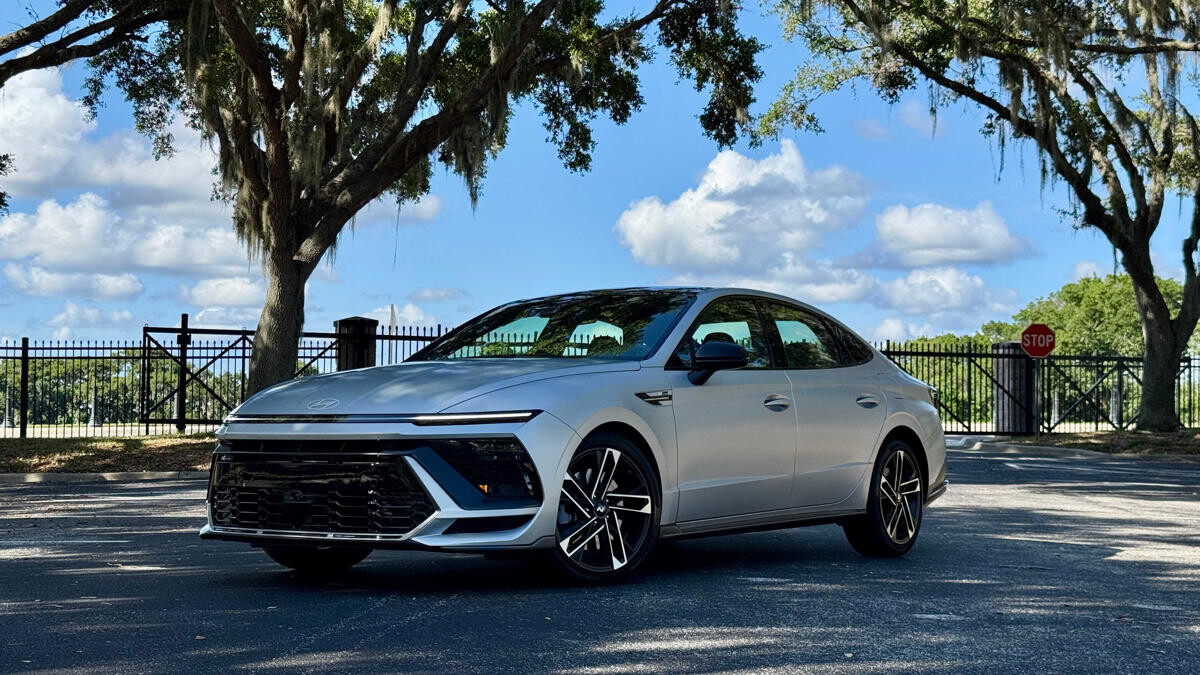
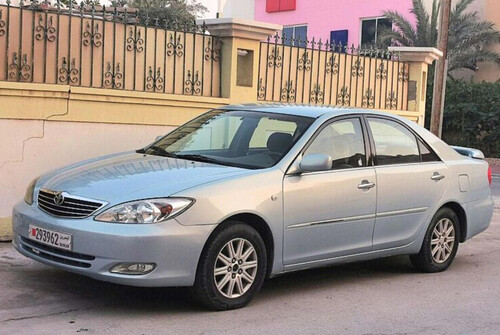
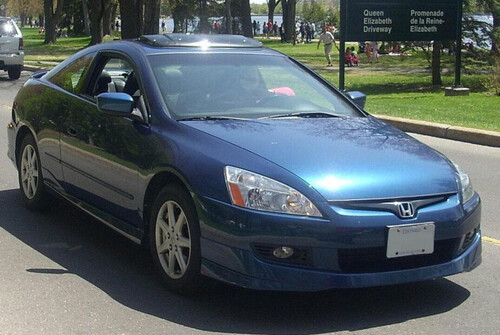
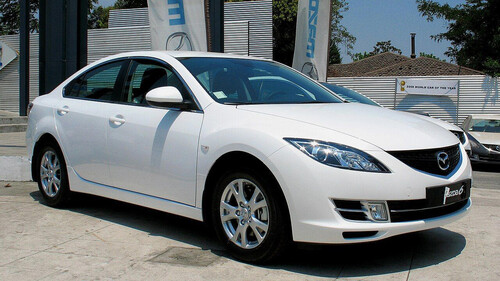
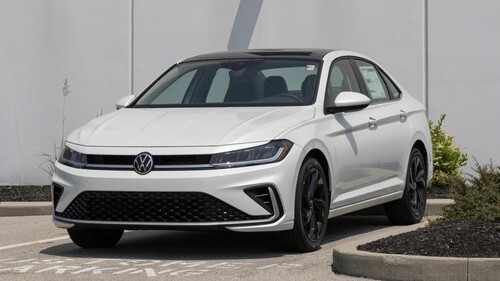
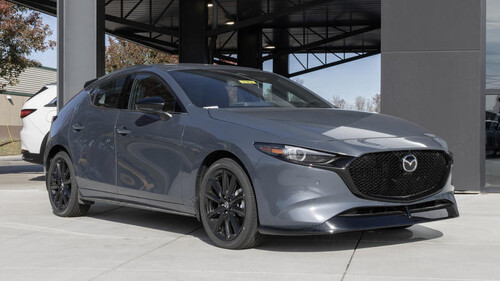
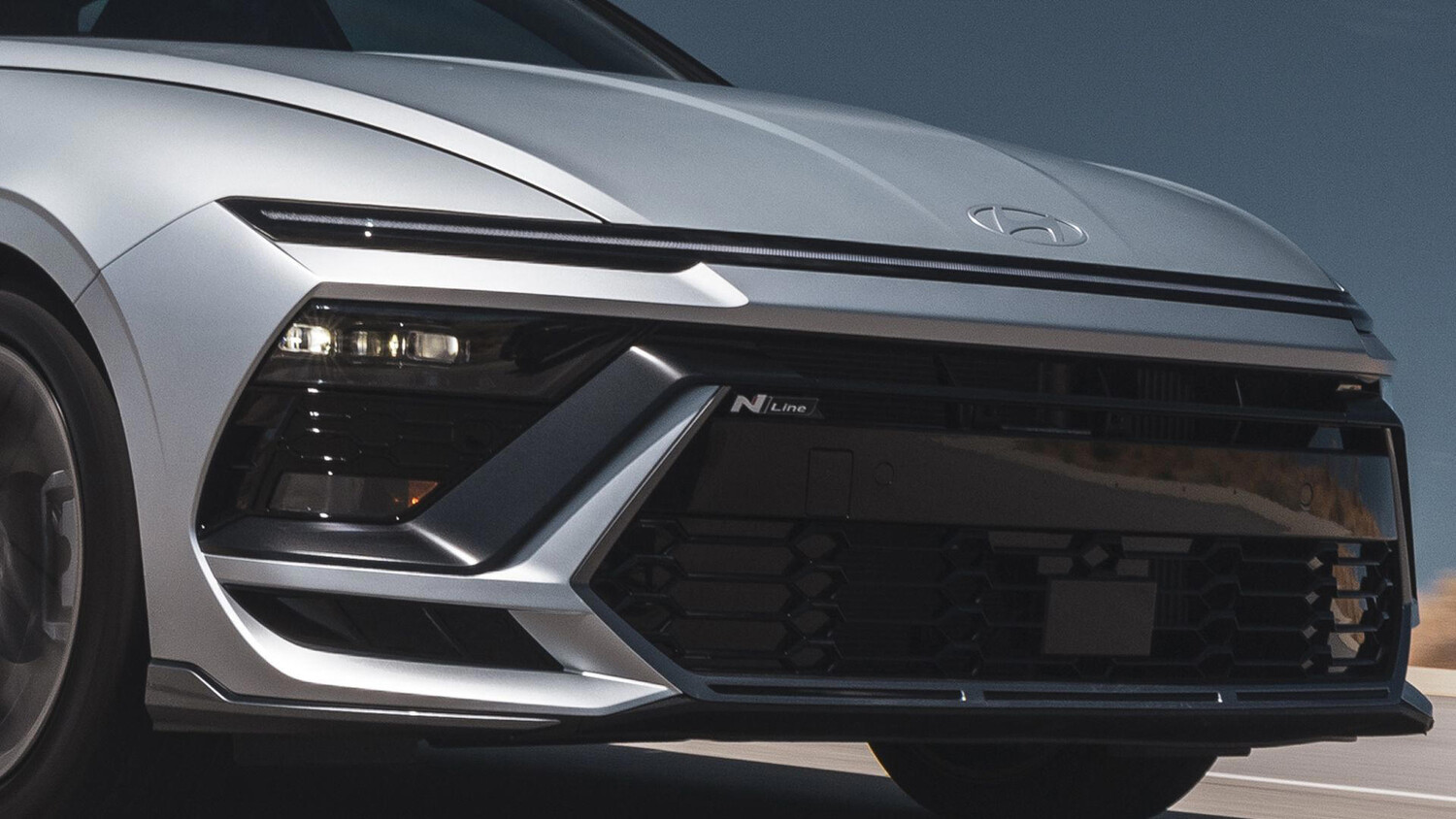
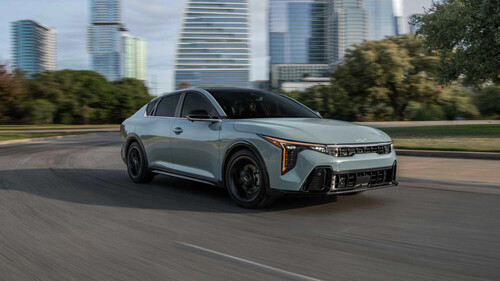
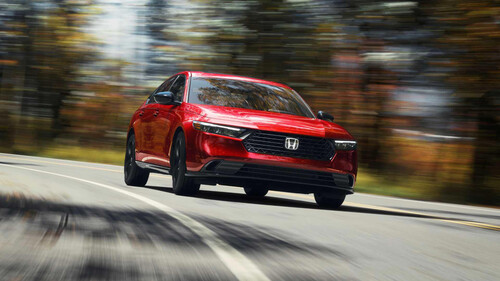
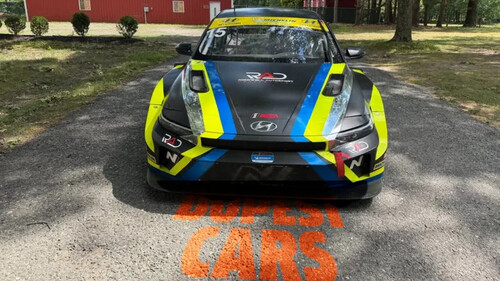
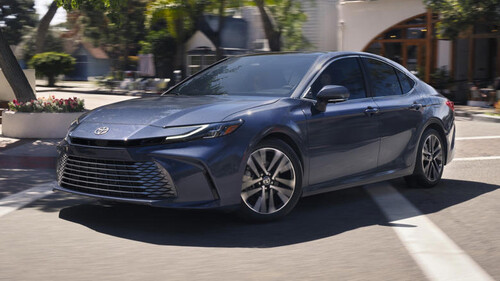
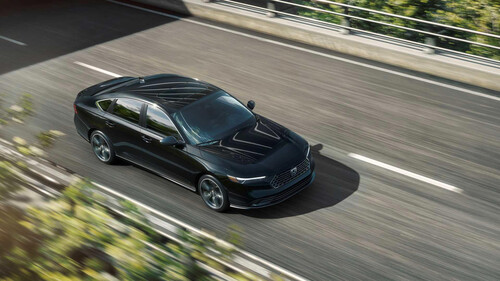
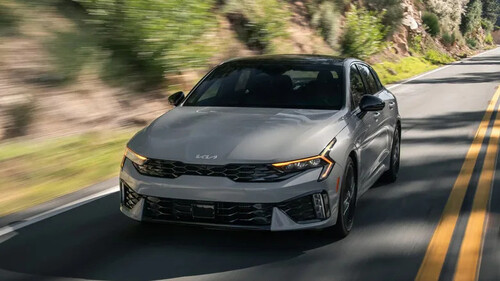
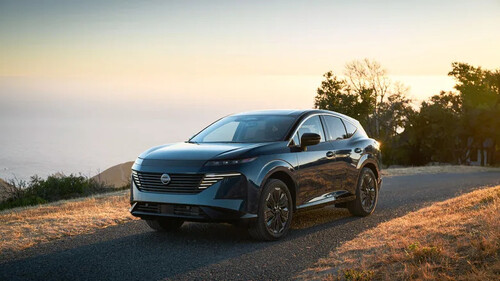
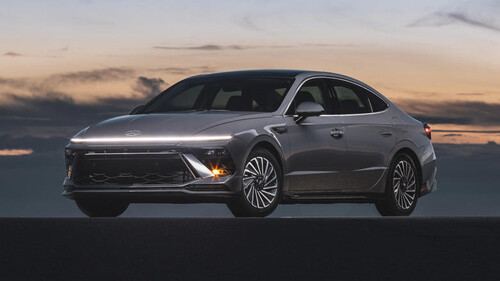
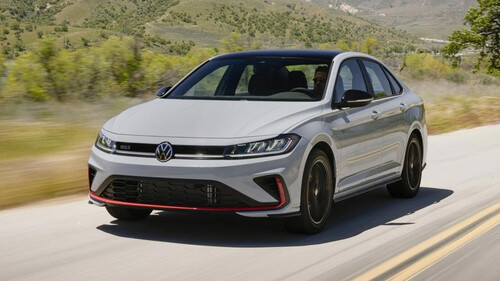
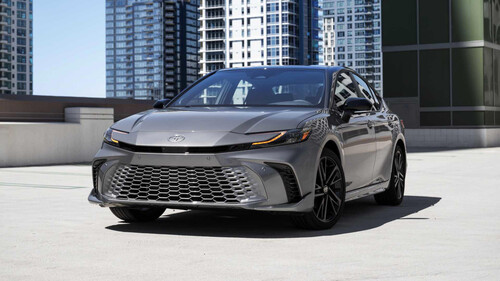
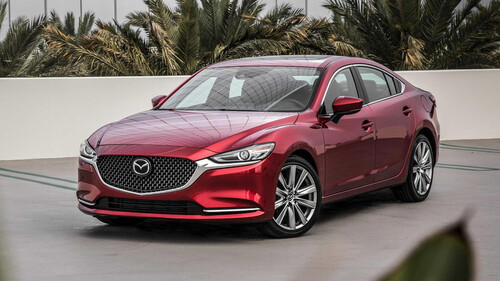
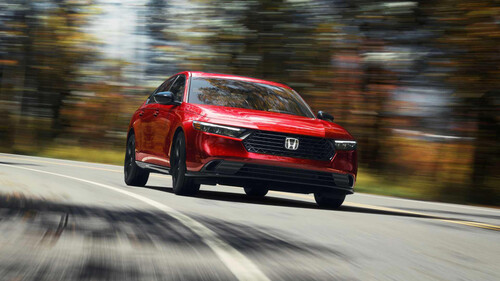
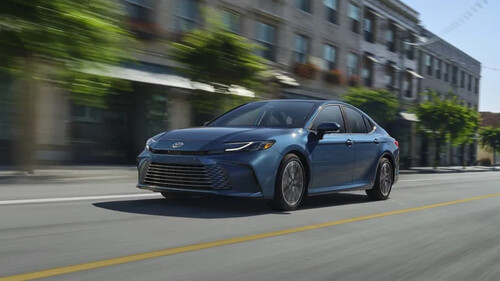
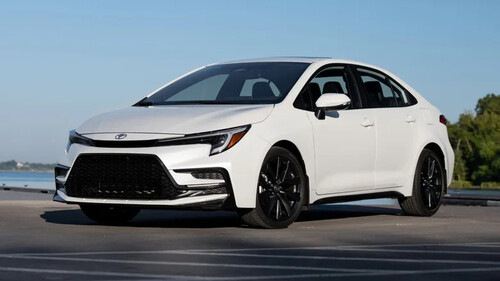
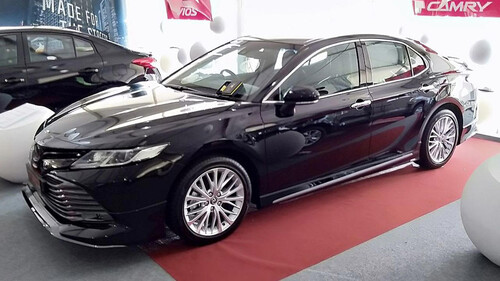
At one point, it was possible to get 301 horsepower in a V6-powered Toyota Camry straight from the factory. Not only could you get an unnecessary amount of horsepower in a Camry, but there was also a fleet of sedans you could choose from in the midsize mainstream market.Just ten years ago, there were a dozen sedans on sale in this market. Today, we’re down to just five. And the largest engines available don’t even come close to the shattering figures posted by the once-muscular Camry that held a tight grip on its engine until the last one was produced in 2024. Some of these sedans have lost their spot at the top of the leaderboard, but others have taken over in their place. These are the largest engines you can get in mainstream midsize sedans in 2026. Today's Competition 2024 Honda Accord Touring Hybrid Red Front Low Angle Driving Most Powerful Engines Available Each of these sedans used to sport potent V6s at some point in their lives. The Optima, before it was renamed K5 for 2021, and Sonata could be had with a V6 until 2008 and 2010, respectively. The Accord and Altima lost their V6s in 2017 and 2018, with the Camry dropping its larger mill in 2024.The Accord still packed three pedals up until 2020, leaving the Camry in a league of its own. The last of the manual Accord and V6 Camry meant manufacturers gave up on producing a family car that could still cater to enthusiasts who needed reliable transportation.Built for efficiency above all else, the current fleet of powertrains across each lacks that extra bump of power. The Camry, which stayed alive to see its 3.5-liter V6 be tuned to 301 horsepower, was quicker than it needed to be and delivered punchy acceleration for a Camry.The way I described this powertrain in a review once was by equating it to your quiet grandfather, who, at the perfect moment, cracks a raunchy one-liner at the dinner table so hilariously you’re not even sure it actually happened. That’s what driving the V6 was like. The four-cylinder doesn't even hold a candle to it.The small engines packed into today’s models are less exciting. Sure, they deliver acceptable power and competitive fuel economy, but they’ve lost the luster of the earlier V6s. Using words like “underrated” and “impressive” don’t turn up in reviews like they used to. Instead, we have to dodge terms like “continuously variable transmission” and “hybrid powertrain,” which leave us feeling dreary and doubtful that they're anything like the bunch they used to be. Past Engines NissanThe Altima was blessed with Nissan’s formidable and versatile VQ engine, but subsequently hamstrung by a CVT. The Camry played this game well with its V6 and six-speed automatic, but the Accord could have a manual bolted to its biggest engine if you ticked the right box. The Koreans dropped their V6 engines long before the Japanese did, which means we’re not too surprised that both now offer turbocharged 2.5-liter four-cylinders. In fact, these are the only two to have received a raise in power rather than be offered a hybrid severance package like the Accord and Camry, or have their lineup trimmed significantly like the Altima. Most Powerful Engines In Each From Powerful to Puny... In Some Cases ToyotaThe advantage of the larger engines was that you could accelerate to cruising speed without the engine wincing. The naturally aspirated V6 engines in the Accord, Altima, and Camry felt underworked down low, but even with the throttle pinned, they didn’t sound like a soda can in a blender as some four-cylinders do.The Camry is exclusively hybrid now, offering your choice of a 2.5-liter hybrid four-cylinder with 225 hp in front-wheel drive variants or 232 hp in all-wheel drive models. The Accord offers a small 1.5-liter turbo-four-cylinder that makes 192 hp in its two base trims, with the larger 2.0-liter hybrid powertrain reserved for the other four. The hybrid system differs from most in that the electric motor drives the wheels directly, rather than sitting between the engine and transmission to provide better low-end torque. The Hyundai Sonata’s hybrid works the same as the Camry’s, but the most powerful engine available doesn’t need any help from spare ions like they do in the Toyota and Honda.The most powerful engines in the segment are the 290-hp 2.5-liter turbo four-cylinder under the hood of the Sonata and K5, besting the Altima’s 2.5-liter naturally aspirated four-cylinder, which produces just 188 hp. The Altima, Honda, and Toyota all run CVTs, but Hyundai and Kia use eight-speed dual-clutch automatics. The horsepower figures posted by this pair knock on the door of the old V6 Camry but still whine at higher revs well after they’ve made peak torque.Each of these engines works perfectly fine, even if you relegate yourself to the smaller versions on models that offer them. Not everyone would attempt to extract every bit of silliness from these cars, but when we do so in the name of consumer advice, we need to report the news. And the info here is the same as it’s always been: bigger engines sound better. They don’t have to rev as high to make power, and when you are deep in the rev range, the powerplant sounds more capable than a groaning four-cylinder. Newer Isn't Worse, However Jared Rosenholtz/CarBuzz/ValnetDon’t think that new cars not packing the same level of heat they used to means the new stuff is bad, they’re actually very capable and still worthy of love. The Hyundai and Kia are in their best forms they’ve ever been in, full stop. Honda and Toyota have sacrificed big power for better economy while still being lovely places to spend time in every day, and the Nissan is, well, neither. The Altima had its life extended through this year, giving the automaker time to patch holes in the ship.With a stronger emphasis on economy and standard safety and infotainment features, these cars aim to offer the best bang for your buck—if the bang comes from the speakers rather than under the hood. The best-driving sedan of the group has to be the Sonata N Line, which Editor-at-Large Jared Rosenholtz called the Korean muscle car. This officially marks the changing of the guard of which company makes the coolest family sedan, something that neither Hyundai nor Kia has done in this class before.Sources: Nissan, Toyota, Honda, Kia, Hyundai