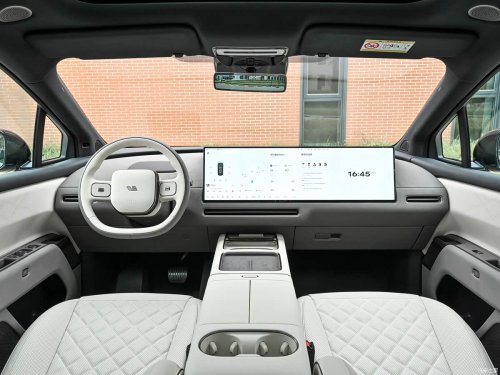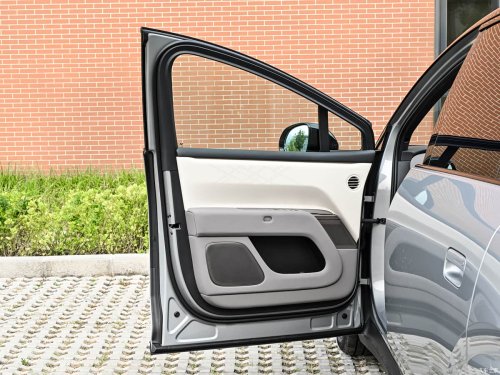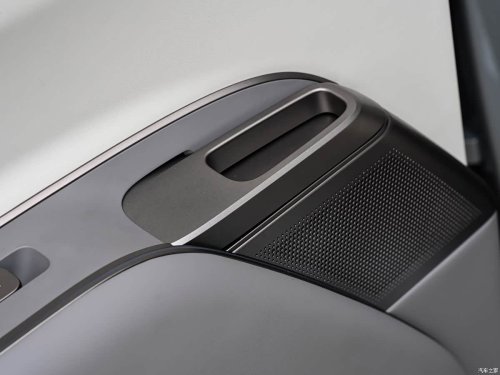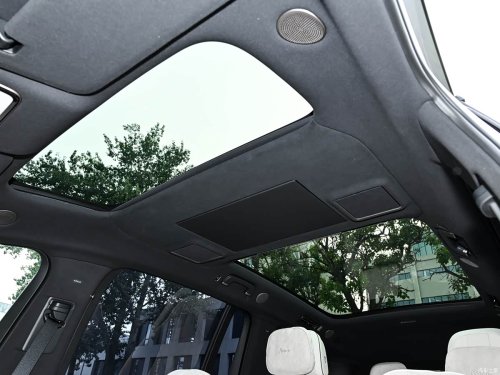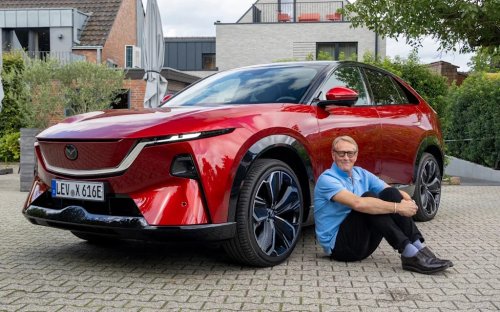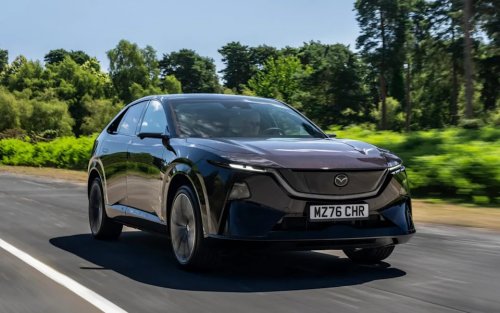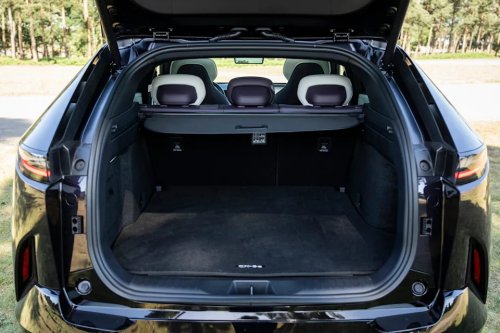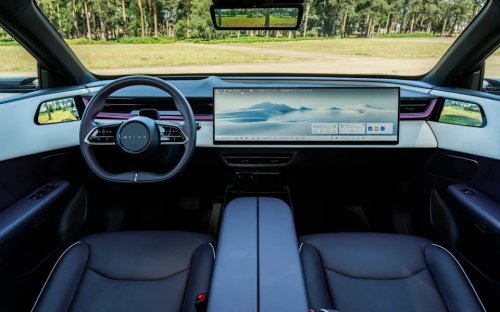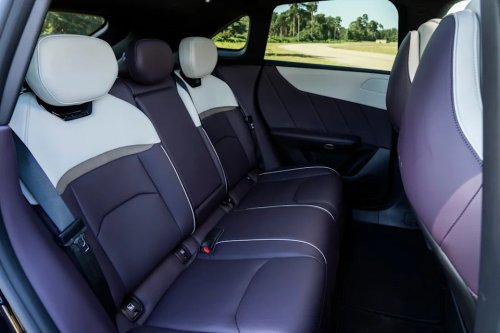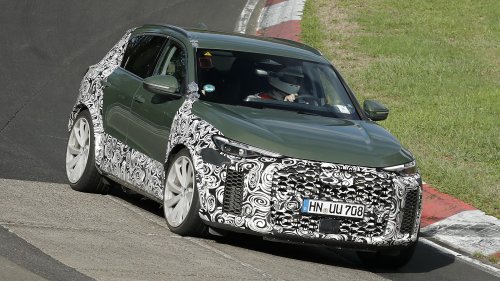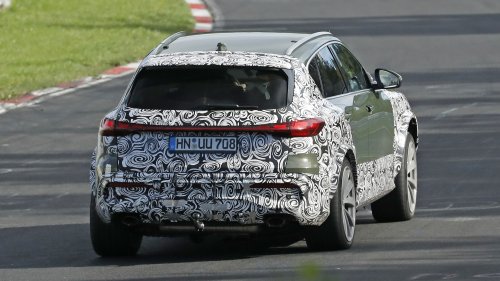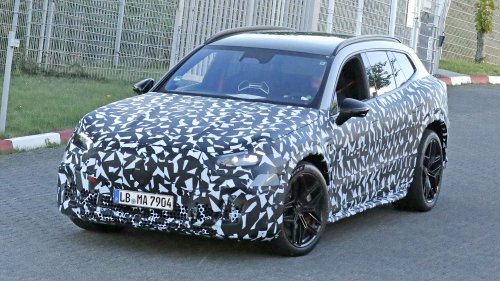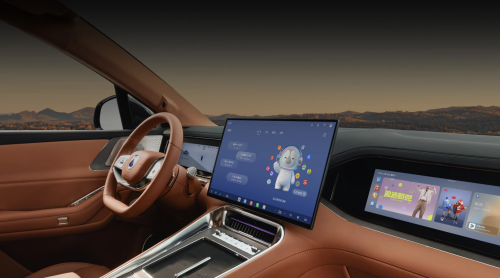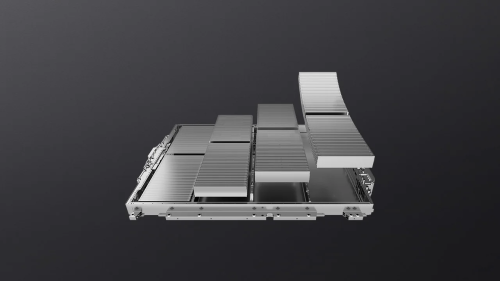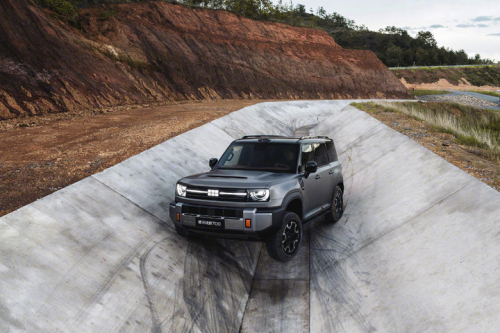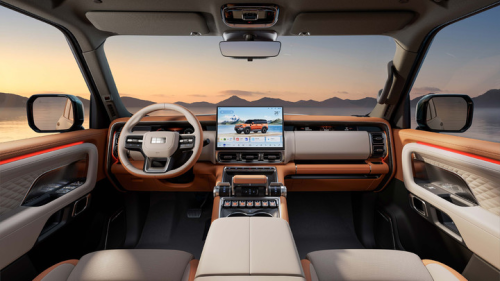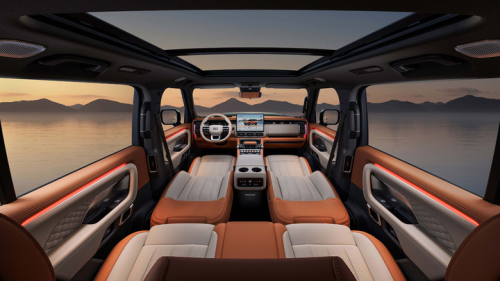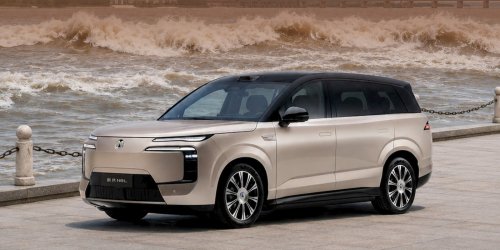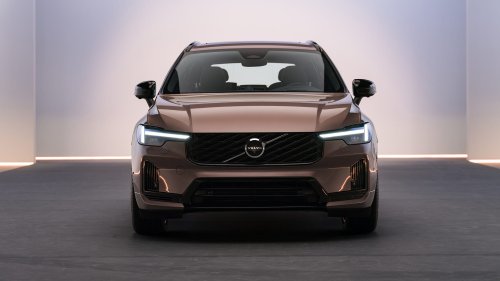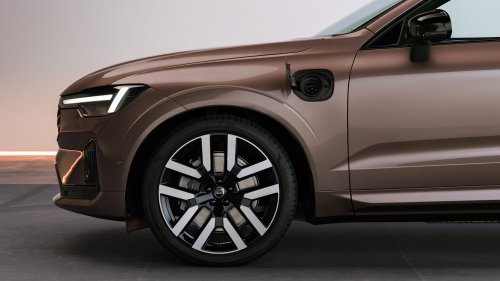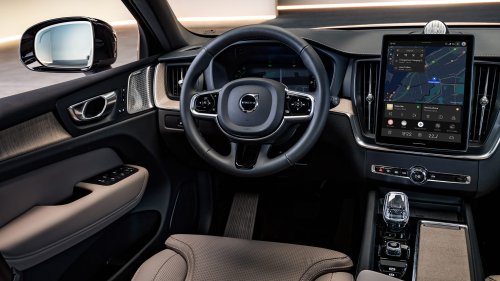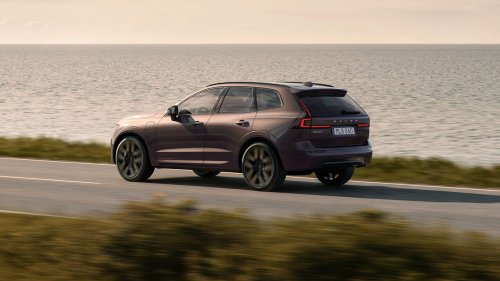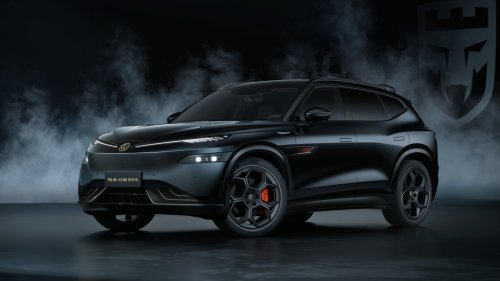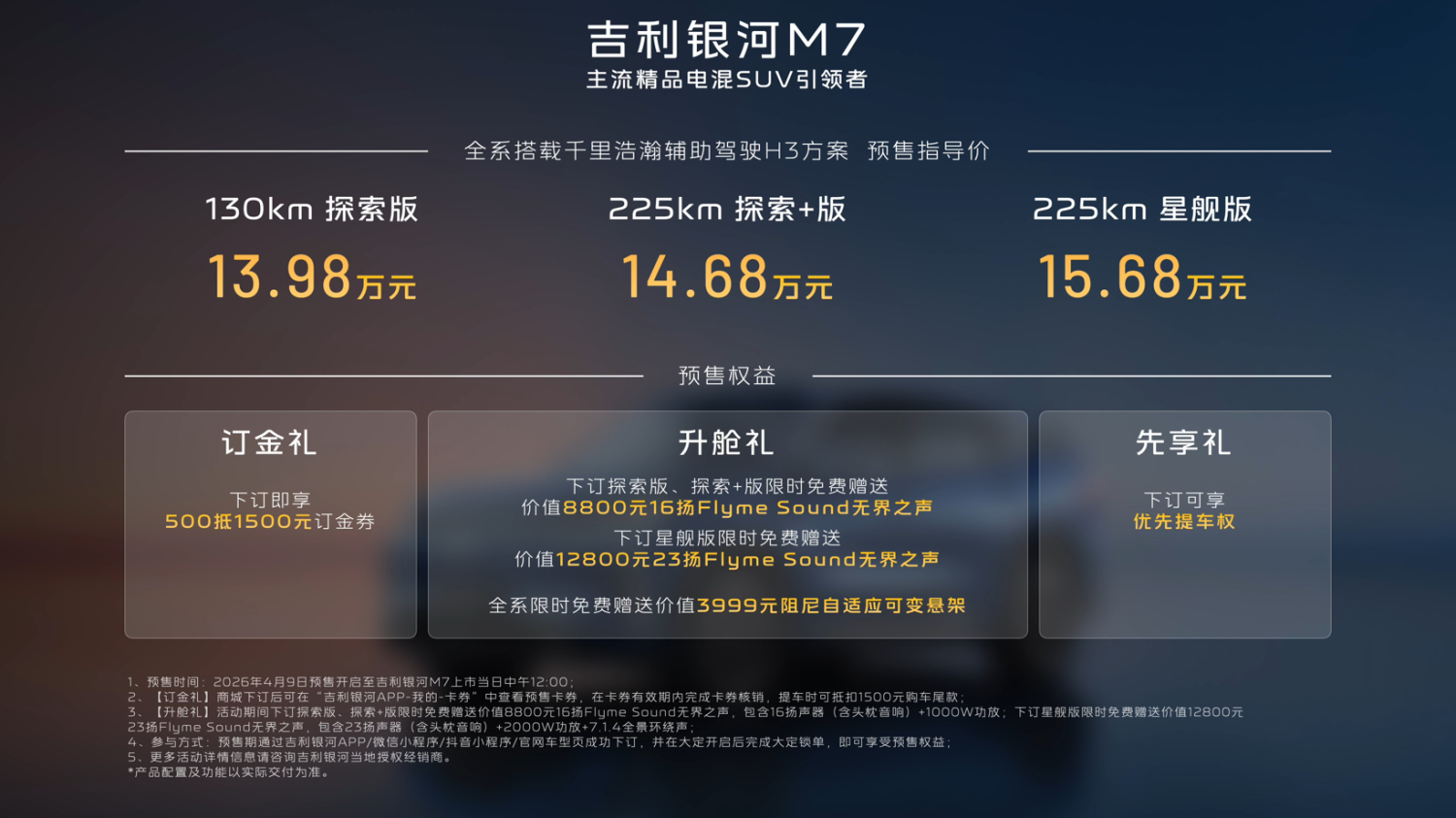
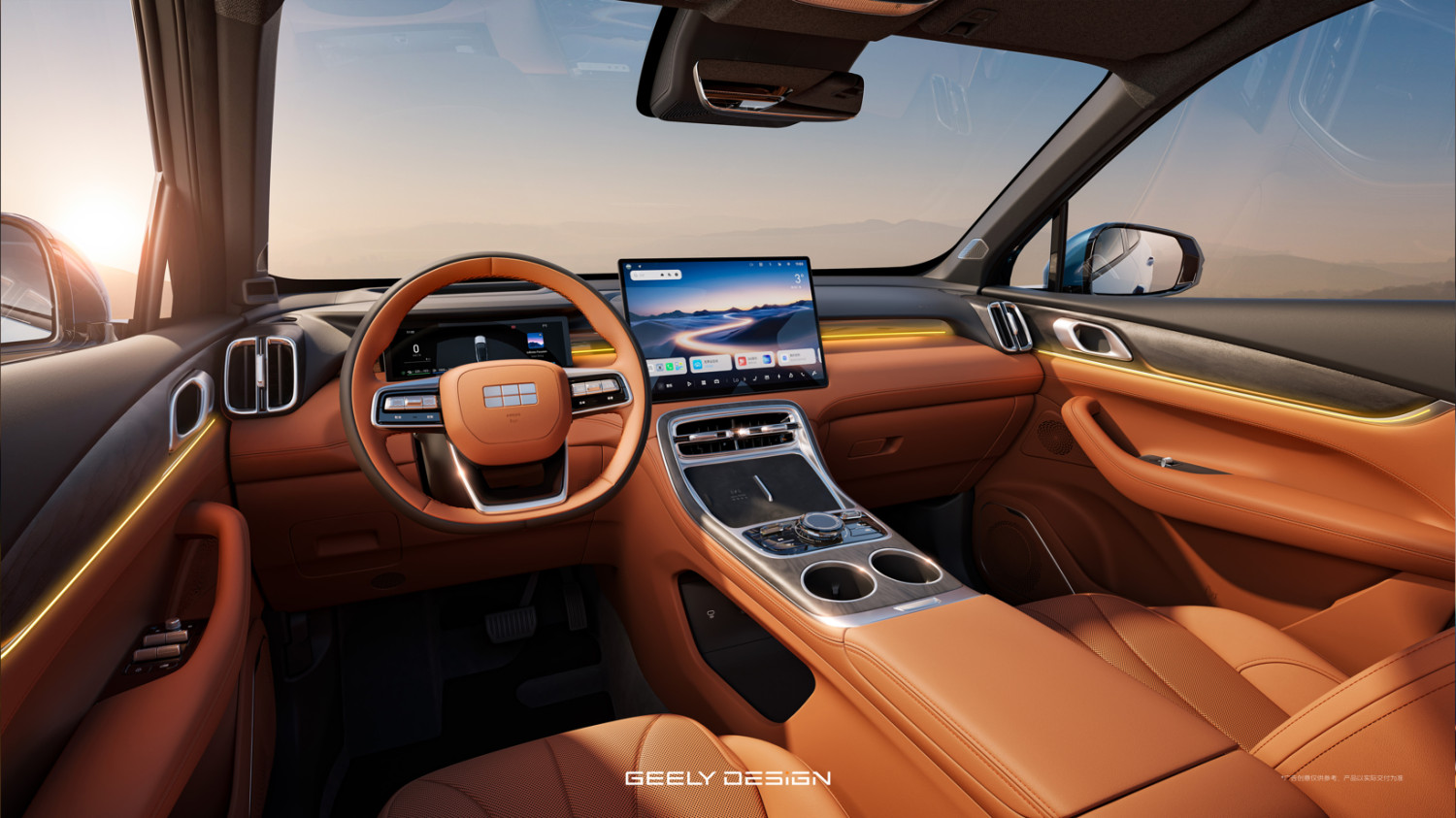
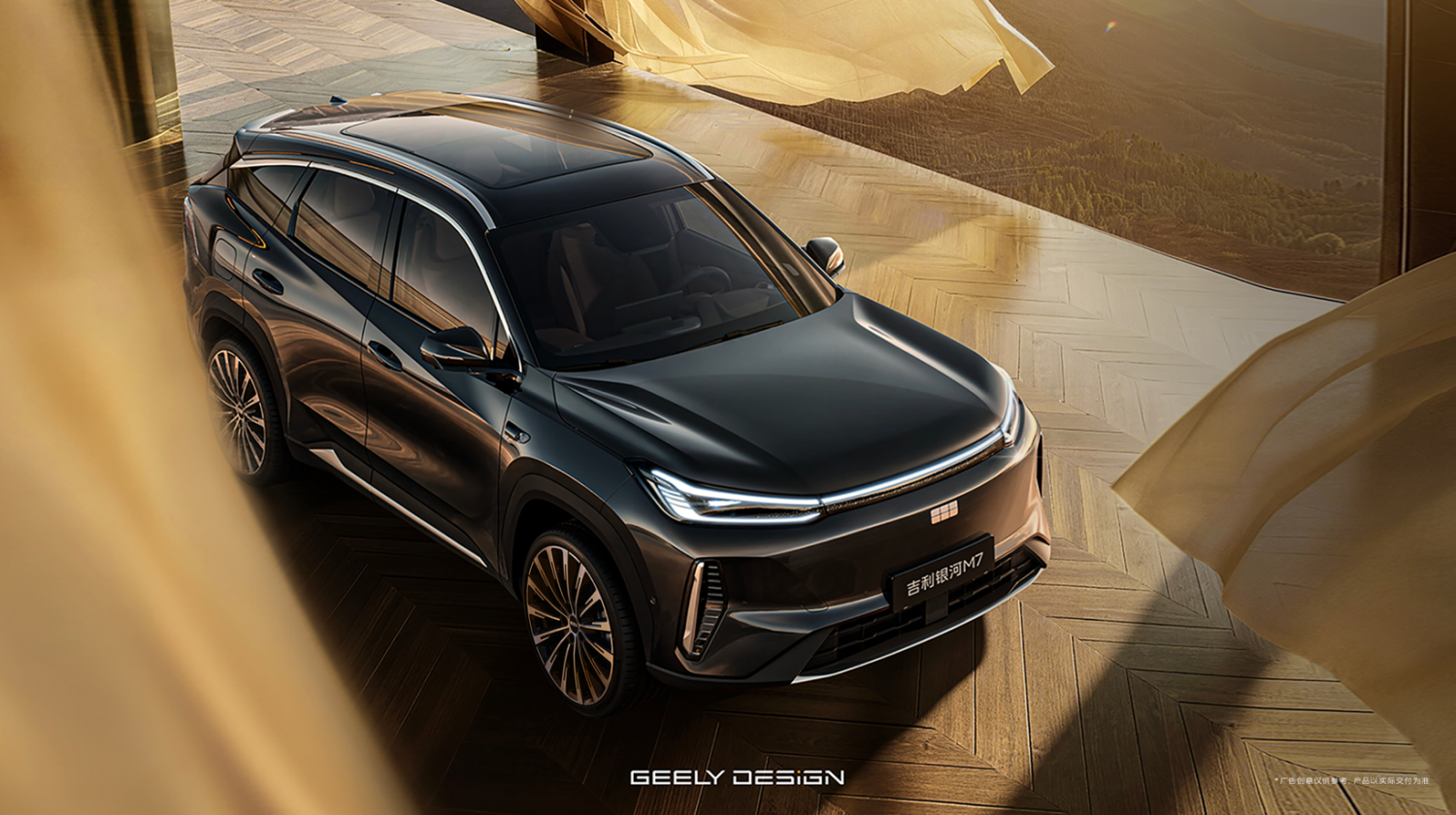



















Gasgoo Munich- Geely Galaxy kicked off global pre-sales for the M7 on April 9, 2026, with a pre-sale range of 139,800 to 156,800 yuan. Factoring in pre-sale incentives—including a 500 yuan deposit worth 1,500 yuan and limited-time free upgrades for audio and suspension—the actual entry price dips below the sticker figure.Image source: Geely GalaxyPositioned as a "leader in mainstream premium hybrid SUVs," the M7 dives straight into the fiercely competitive 100,000 to 150,000 yuan plug-in hybrid SUV segment. It marks the first model launched since the Geely Galaxy brand hit the 2 million sales milestone and embarked on a new chapter.On paper, the Galaxy M7 highlights three key technical specs: a CLTC pure electric range of up to 225 km, a total range of 1,730 km on a full tank and charge, and a moose test score of 81 km/h. These figures lead their class, particularly in pure electric range and handling, directly addressing unmet needs regarding "range anxiety" and the "handling compromise" typical of SUVs.Industry analysts point out that the current mainstream hybrid SUV market suffers from severe product homogenization, with most models adopting a "good enough" strategy regarding range, handling, and intelligence. The M7's entry could disrupt this equilibrium, forcing competitors to step up their game on key performance metrics.Long Range Targets User Pain PointsIn the plug-in hybrid market, pure electric range determines whether users can treat their vehicle as an EV for daily commutes. The Galaxy M7 debuts the Aegis Gold Brick Battery, equipped with a 29.8 kWh hybrid-specific pack, offering two range versions: 130 km and 225 km. The 225 km version holds a distinct edge in its class, offering at least 25 km more than its rivals."This means users can rely entirely on electricity for a week of city commuting, significantly lowering operating costs," an engineer in the new energy sector commented.Regarding total range, the M7 reaches 1,730 km with a full tank and battery, with a fuel consumption of 3.35 L/100km when the battery is low. Backing these numbers are the Leishen EM Super Hybrid Engine (47.26% thermal efficiency), the Leiting 11-in-1 high-integration e-drive (93.1% comprehensive efficiency), and the Xingrui AI Cloud Power System 2.0. Additionally, a drag coefficient of 0.27 Cd and an AGS active grille further reduce energy consumption.Charging efficiency is another standout. The Aegis Gold Brick Battery supports a 30% to 80% state-of-charge in just 15 minutes, with a cell cycle life exceeding 4,500 cycles—enough to theoretically support 1 million km of driving. Such specs are rare in the current mainstream plug-in hybrid lineup."Long range plus fast charging and low energy consumption—together, these give the M7 a systematic advantage in range, rather than just leading in a single parameter," the engineer added.Image source: Geely GalaxyStandard ADAS Across the Lineup, Balancing Handling and SafetyHandling is often a compromise for high-riding SUVs with a forward center of gravity. The Galaxy M7's answer: an 81 km/h moose test score and a 35.6-meter braking distance from 100 km/h.This moose test result exceeds some luxury brand SUVs and even outperforms many sedans. Underpinning this performance is the GEA Evo global smart EV flagship architecture and an AI virtual chassis tuning technology co-developed by Geely and CATARC. The R&D team reportedly completed over 3,000 virtual tuning sessions covering more than 200 typical road conditions.The M7 comes with a limited-time offer of adaptive damping suspension (valued at 3,999 yuan) across the lineup. Combined with 50 soft-connection points throughout the vehicle, it reduces vibration by 11.2% on rough roads and improves stability by 8.3% on bumpy surfaces. "For a family SUV to achieve an 81 km/h moose test score means vehicle controllability is vastly improved during emergency avoidance scenarios," a senior test editor noted. "This isn't just for performance enthusiasts; it's a safety necessity for families."On the smart safety front, the M7 comes standard with the Qianli Haohan H3 driver assistance system, supporting highway and elevated NOA, full-scenario parking assist, AEB emergency braking (stopping from 120 km/h), and AES emergency avoidance (at 130 km/h). Such specs are uncommon in this price bracket."Making high-level driver assistance standard across the lineup means safety tech is no longer reserved for top trims. This is particularly important for family users," an autonomous driving analyst pointed out.Potentially a Major Variable in the Mainstream Hybrid SUV MarketCompared with current mainstream plug-in hybrid rivals, the M7 has carved out a differentiated advantage in three dimensions: pure electric range, handling performance, and standard driver assistance. Especially in the 100,000 to 150,000 yuan price band, models offering both 225 km of electric range and standard NOA capabilities are extremely scarce.Image source: Geely Galaxy"Geely Galaxy M7's strategy is clear: use long range to solve actual user anxiety, use high handling to break SUV product inertia, and then build a value barrier with standard safety and intelligent configurations," an analyst who has long tracked the new energy market summarized.It is worth noting that in Geely's past pricing strategy, the official launch price is typically lower than the pre-sale price. If the M7 further reduces its price or adds benefits at launch, its impact on the mainstream hybrid SUV market will be even more direct.Overall, the Geely Galaxy M7 isn't just about piling on specs; it has achieved quantifiable leadership in the dimensions users care about most—range, handling, and safety. At the same time, it brings features previously found only in models costing over 200,000 yuan down to the 150,000 yuan level.The Geely Galaxy brand previously achieved 2 million sales in 37 months, creating the so-called "Galaxy Speed." As the first model to open this new chapter, the M7 carries not just a sales mandate, but the critical task of establishing the brand's "premium hybrid" identity in the mainstream market.Of course, competition is intensifying. By 2026, the mainstream plug-in hybrid SUV segment already features several strong contenders, and the price war is far from over. Whether the M7 can gain a foothold in this intense battle ultimately depends on whether the official launch price offers further value, and if terminal delivery capabilities and user experience can match its product positioning.What is certain is that the entry of the Geely Galaxy M7 has brought a new set of competitive parameters to the mainstream hybrid SUV market. How competitors respond and how the market reconstructs itself remains to be seen and is worth continued attention.