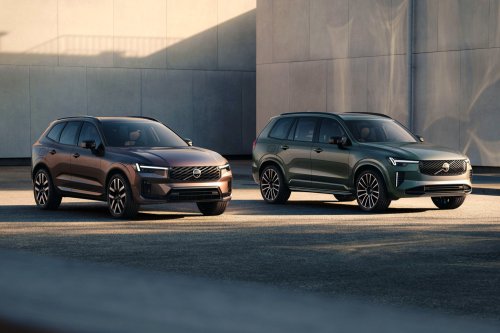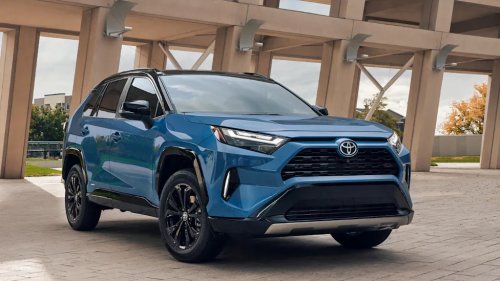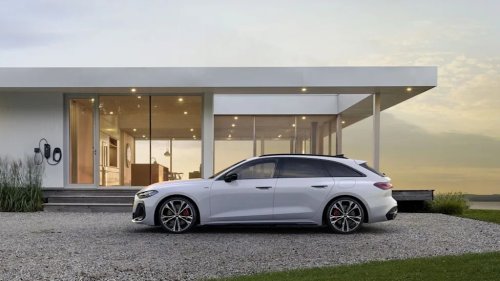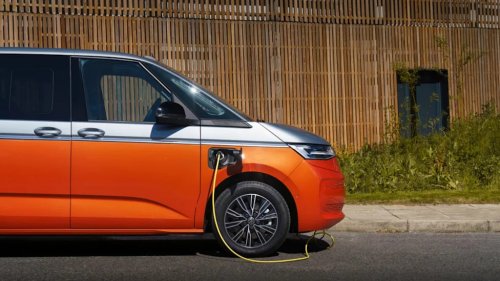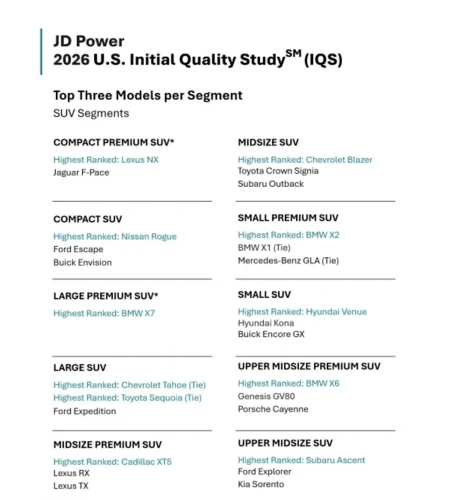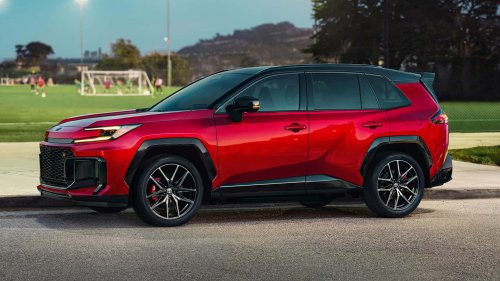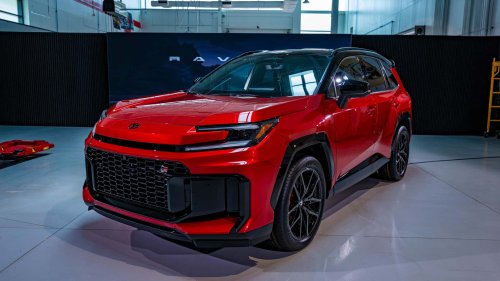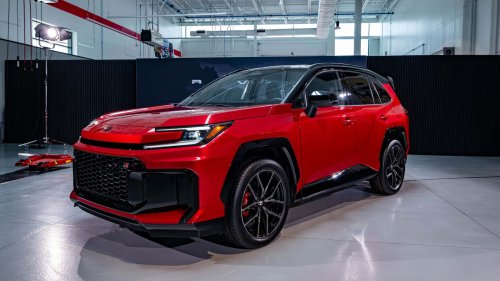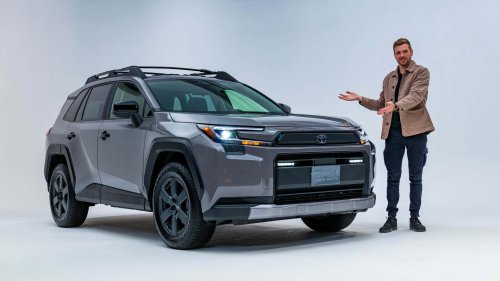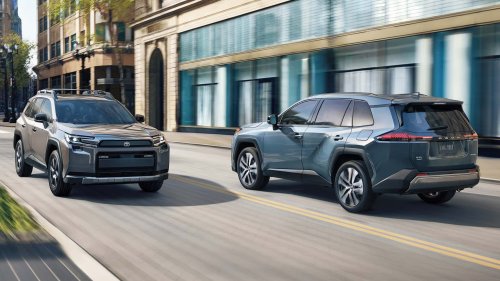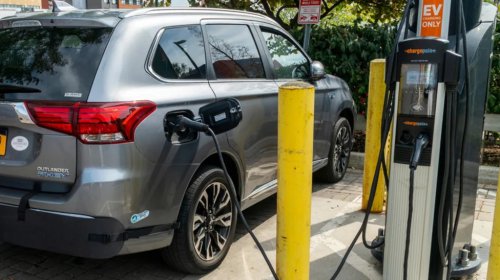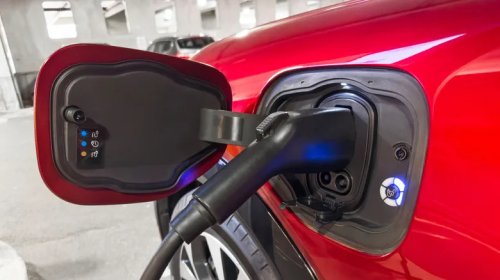
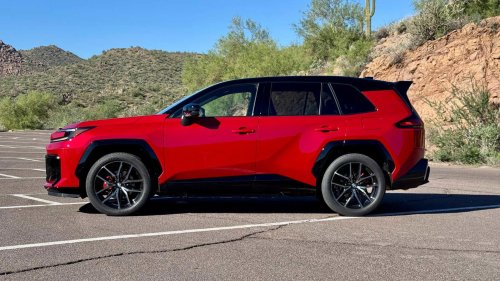

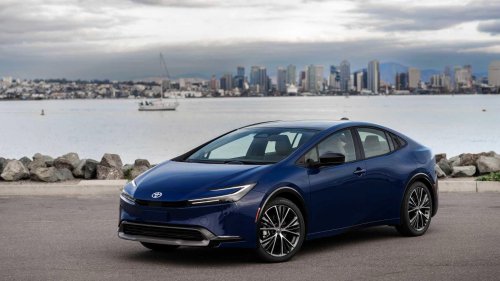



















The automotive industry is currently in the middle of the Age of Electrification. Most automakers are exploring the possibilities of electric and hybrid powertrains, adding EVs and hybrids to their lineup and some are entirely phasing out gas-powered options. However, within the world of electrified cars, there is a hierarchy in terms of which are most popular.Towards the bottom of the list we find plug-in hybrids (PHEVs), which are a lot less popular than other types of hybrid vehicles. Last year, PHEVs made up less than 5% of new car sales in the US.The reasons why PHEVs haven’t quite taken off as much as other hybrids are complex, and have to do with a mix of factors including finances, reliability, and behavioral changes. Let’s take a closer look at why consumers may be hesitant about PHEV ownership. The Disadvantages Of Plug-In Hybrids Honda PHEVs have several characteristics that make them different from other types of hybrid. Although they still have a gas engine, in terms of day-to-day operation, they are the closest to a full-blown electric vehicle, since they have a charging port and require plugging in to make the most of their capabilities. This can be a positive in some ways, but it can also put off hesitant buyers. Here are some of the biggest disadvantages that contribute to PHEV’s poor popularity.Usually More Expensive: due to the increased complexity of their powertrain, PHEVs typically come with a higher price tag than other hybrids. Due to their high efficiency, this is frequently offset by lower fuel costs in the long term, but the higher upfront expense is still enough to put off many prospective buyers.NissanThe Charging Aspect: unlike other types of hybrid, PHEVs require a change in behavior on the part of the owner, who needs to charge the vehicle on a regular basis in order to take advantage of its higher efficiency. This requires access to charging infrastructure and a change in daily habits, something not all drivers are willing or able to do. Of course, PHEVs can still run purely on the gas engine even without being charged, but that somewhat defeats the point.Lower Reliability: The complexity of PHEVs also means they don’t tend to do very well on the reliability front, lagging behind their hybrid siblings and even fully electric vehicles. The 2025 JD Power US Initial Quality Study ranked PHEVs below electric vehicles in terms of reliability, based on problems per 100 vehicles (PP100), a metric that determines how many problems a car is likely to experience in the first 90 days of ownership.Another JD Power study, the 2026 US Vehicle Dependability Study, revealed PHEVs to be the most problematic type of powertrain, with a year-on-year increase of 39 PP100. Both non-PHEV hybrids and battery electric vehicles experienced a smaller increase in the number of issues, while gas-powered vehicles actually experienced a small decrease meaning their overall reliability went up. The Pros: Which Buyers Benefit From Owning A PHEV? Hyundai Despite traditional hybrids and mild hybrids generally being preferred, plug-in hybrids still have some advantages. For some prospective buyers, a plug-in hybrid can indeed be the right choice of vehicle, depending on a few key factors. You might want to look into purchasing a PHEV if you……want a hybrid with a bit more power: PHEVs are, on average, more powerful than their traditional or mild hybrid siblings. If you’re interested in having a hybrid car’s efficiency, but power output is also an important factor for you, a PHEVs could potentially be a good option.…own a home charger: Due to the nature of their powertrain, PHEVs suffer from the same charging infrastructure-related issues as full-blown electric vehicles, although of course they don’t rely entirely on charging in the same way BEVs do. Having access to a charging point in your home means you will always be able to take advantage of your PHEV’s full capabilities, instead of relying mostly on the gas engine and only charging the battery occasionally.Kia…want to be able to drive solely on electric power: Unlike their siblings in the hybrid family, PHEVs have the capability to drive solely on electric power for a fairly long distance. At the start of the hybrid era, the average all-electric range for a PHEV was between 15 and 30 miles, but today some vehicles are capable of driving 50 miles or more without having to reach for the gas engine.This means a PHEV can be a great choice for those who have a short everyday commute, but still want the advantages of a gas engine for longer journeys: you can, theoretically, get by solely on electric power (provided you charge regularly) during the week, and then make the most of the gas engine’s longer range for a weekend road trip. A Real-Life Example: The Toyota Rav4 PHEV Versus Rav4 Hybrid Jared Rosenholtz/CarBuzz/ValnetThe difference in popularity between plug-in hybrids and traditional hybrids can be seen clearly in one particular example where both powertrains are offered on the same vehicle: the Toyota Rav4.Now over 30 years old, the Rav4 was one of the pioneers of the crossover category, introducing the concept of a car-SUV hybrid to millions of drivers in America and around the world. The Rav4 has had a (traditional) hybrid version in its US lineup for a decade, having first been introduced in 2016. The plug-in hybrid version arrived five years later, making its debut for the 2021 model year.Jared Rosenholtz/CarBuzz/Valnet When the Rav4’s sixth and current generation was introduced for the 2026 model year, the exclusively gas-powered variant of the model was discontinued, leaving the hybrid and PHEV as the only available options. The traditional hybrid is powered by a 2.5-liter inline-four engine paired with two electric motors, producing a combined output of 226 hp. The AWD variant adds a third motor for a combined output of 236 hp. The PHEV version pairs the same engine with three more powerful electric motors (in the US, this model is only available with AWD), producing a combined output of 324 hp.However, the PHEV has been far less successful than its hybrid cousin from the start, making up a very small percentage of the Rav4’s total sales. Last year, the hybrid sold 181,433 units while the PHEV sold just 20,272 units. The first quarter of 2026 showed a similar pattern, with the hybrid Rav4 selling 37,409 units while the RAV4 plug-in hybrid sold just 1,395. Don't Want A PHEV? The Other Options On Offer Maybe you’ve decided that a plug-in hybrid doesn’t quite fit the bill for you. If that’s the case, but you haven’t given up on the idea of hybrid vehicle ownership in general, you’ll be happy to know there are other options out there. PHEVs are just one of three main categories of hybrid vehicle: the other two are the mild hybrid and the traditional hybrid. Here is what each one has to offer. Mild Hybrid CarBuzz/ValnetMHEVs (mild hybrid electric vehicles) are a great first step into hybrid ownership for hesitant customers, as they have the greatest similarity to an ordinary gas-powered vehicle. In a MHEV, a gas engine is connected to a 48-volt battery. This battery is charged by the engine itself, and powers elements such as minor engine components or electronics. It typically does not have any impact on the range or efficiency of the vehicle, and does not require any action from the driver in order to function. Traditional Hybrid Toyota Traditional hybrids are the type of hybrid vehicle you’re most likely to see on the roads today. One famous example of a traditional hybrid is the Toyota Prius, one of the first models to popularize hybrid powertrains.As in a mild hybrid, in a traditional hybrid you do not need to plug into a charger to charge the battery, since it’s charged directly through the engine. However, it is much bigger than the battery of a MHEV, and serves a more important purpose, improving the vehicle’s driving range and its fuel economy. Sometimes, traditional hybrids can also run entirely on electric power for short distances, though nowhere near the extent of a PHEV.