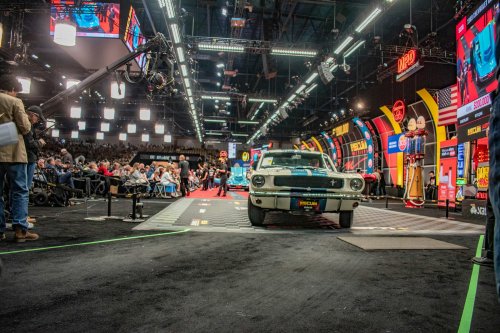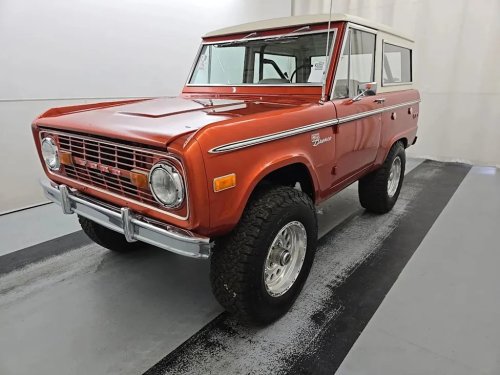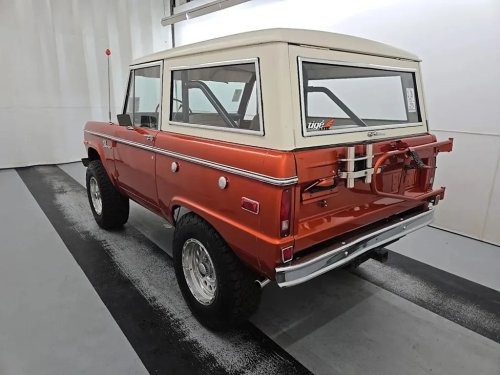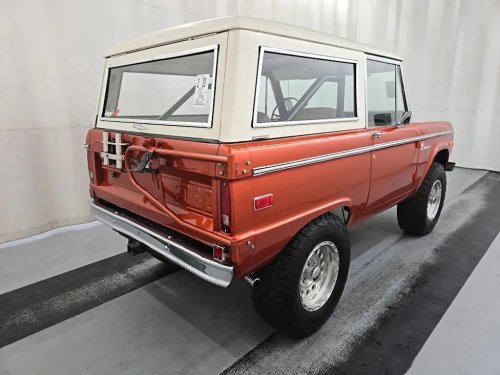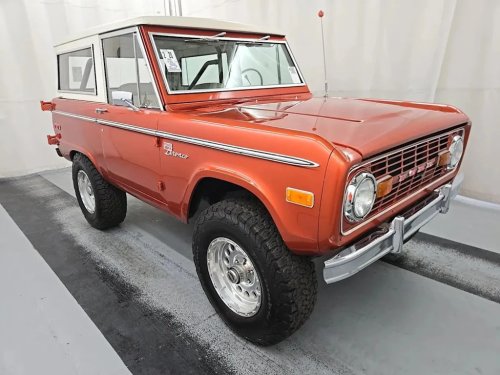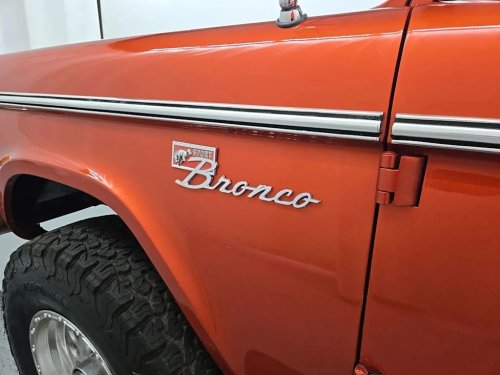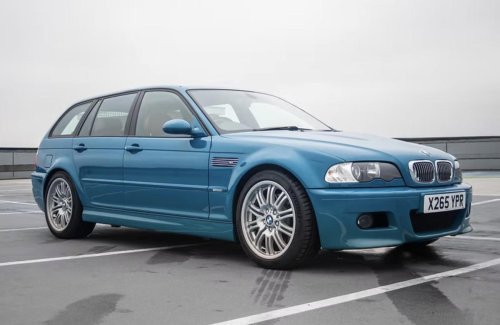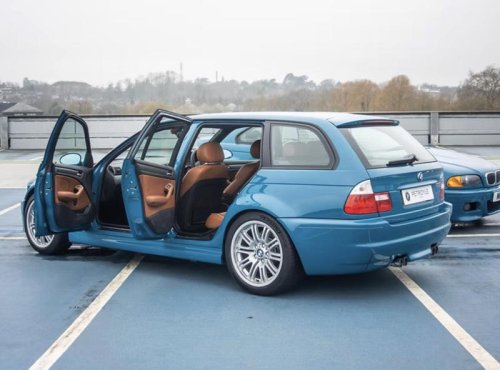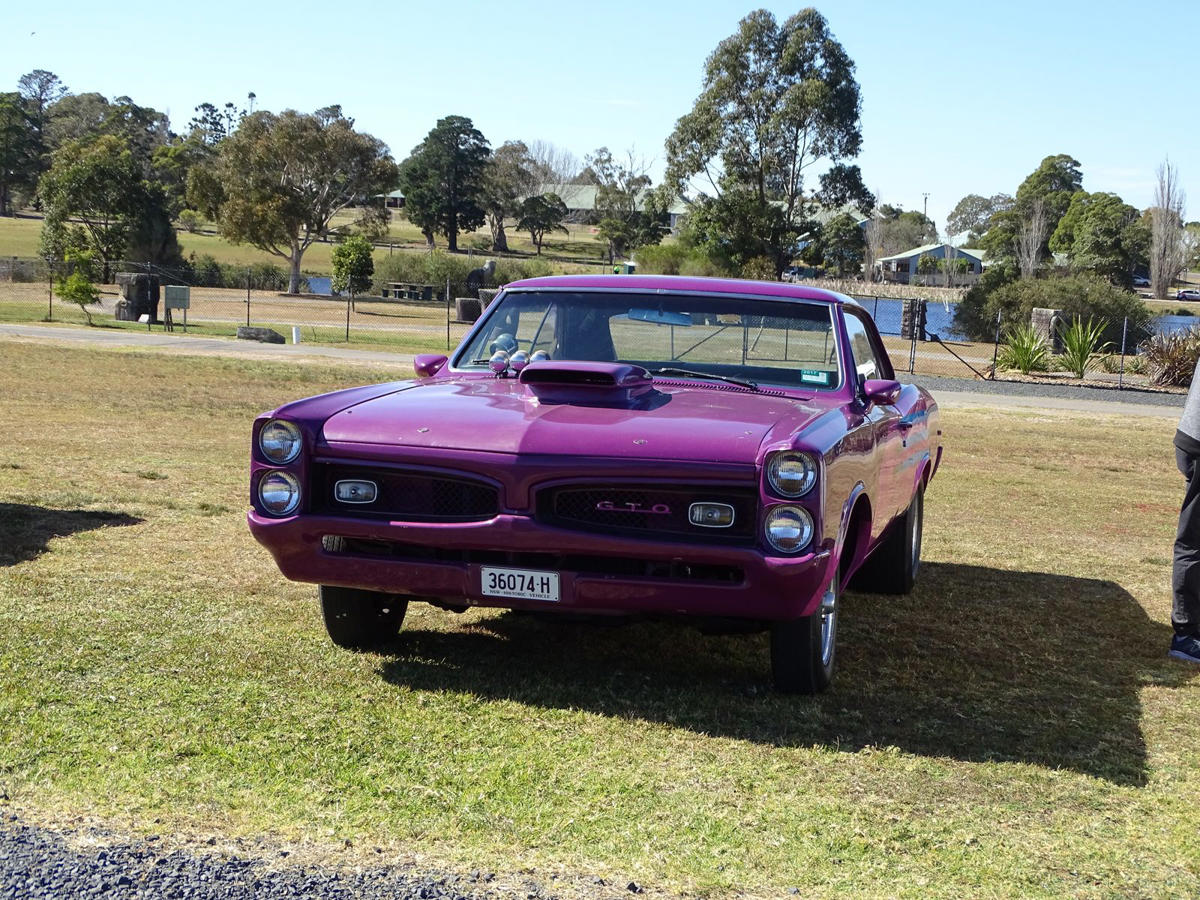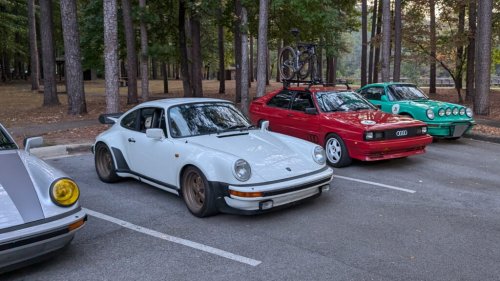



















The Real Reason Classic Car Prices Are Cooling Off This Spring Key Takeaways The classic car market is experiencing a genuine correction after pandemic-era prices reached unsustainable highs between 2020 and 2022. Rising interest rates have pushed a surprising number of would-be buyers to the sidelines, particularly for cars in the $40,000–$120,000 range. Baby Boomer collectors are downsizing their garages, flooding the market with supply at the same moment that younger buyers are chasing different cars entirely. Not all classics are softening — rare, low-production vehicles continue to hold ground while mass-market American muscle from the early 1970s has seen the steepest declines. Walk through any major spring auction this year and the energy feels different. The frenzied paddle-waving of 2021 and 2022 — when it seemed like any muscle car with a V8 and a clean title could set a record — has given way to something quieter and more deliberate. Buyers are still showing up, but they're being choosy. Sellers are adjusting expectations. And cars that once sparked bidding wars are sitting longer before finding a new home. The classic car market isn't in freefall, but it's clearly recalibrating. Understanding why that's happening — and what it means for collectors on both sides of the transaction — takes a closer look at several forces converging at once. Spring Auctions Are Telling a New Story The bidding room has gotten quieter — and the numbers show it. Barrett-Jackson's spring events were once a reliable barometer for collector car euphoria. In 2021 and 2022, hammer prices for desirable muscle cars routinely exceeded pre-sale estimates, and the auction floor had the charged atmosphere of a casino on a hot night. That energy has cooled. Recent spring auctions have reflected a measurable shift — average prices at spring auctions have dipped roughly 5% compared to the prior year, according to the SEMA Future Trends Report. What's changed isn't enthusiasm — plenty of serious collectors still attend and still buy. What's changed is the buyer's willingness to overpay. Cars with question marks in their history or deferred maintenance are passing through the lanes without bids. Condition and provenance matter more than they did when easy money was chasing everything with chrome and a rumble. The market hasn't lost its appetite — it's just become a lot more discerning about what it's willing to swallow. How the Pandemic Bubble Inflated Everything Stimulus checks and lockdown boredom sent prices to places they had no business going. The years 2020 through 2022 created a perfect storm for collector car prices. Stimulus money landed in accounts at the same moment that travel, restaurants, and live entertainment were largely off the table. People who had always dreamed of owning a first-gen Ford Bronco or a numbers-matching Chevelle suddenly had both the cash and the motivation to act. Some Broncos doubled in value between 2020 and 2022 alone. Classic car values climbed an average of 20% during the pandemic years, a pace that no sustainable market could maintain. Low interest rates made financing cheap, online auction platforms like Bring a Trailer made buying effortless, and the whole system fed on itself — every record sale made the next seller raise their ask. What's happening now isn't a collapse. It's the market finding its footing after being pushed well above its natural level. Collectors who bought at peak prices in 2021 may feel the sting, but those who held cars through the run-up are still sitting on gains. The correction was always coming — it just took a few years to arrive. Rising Interest Rates Changed the Buyer Math More classic car buyers finance than most people realize — and rates hit them hard. There's a common assumption that collector car buyers always pay cash. The reality is more complicated. A meaningful share of high-end collector purchases — particularly in that $40,000 to $120,000 sweet spot — are financed through specialty lenders. When rates on those loans climbed past 7%, the monthly payment on a $75,000 muscle car started looking a lot less comfortable. Interest rates for classic car loans have risen roughly 2% over the past year, according to SEMA's Q1 Economic Update — a shift that has pushed buyers to reconsider or delay purchases. Specialty lenders like JJ Best Banc have reported softening loan application volume as rates climbed, a direct signal that financing costs are sidelining buyers who were active at lower rates. This effect is most pronounced in the middle of the market. Ultra-rare cars at the top end attract cash buyers who don't blink at rate changes. Entry-level project cars at the bottom don't require much financing to begin with. It's the broad middle — the well-restored Camaros and Mustangs that represent the heart of the American collector market — that has felt the rate squeeze most directly. Boomer Collectors Are Selling, Not Buying Decades of garage-building are starting to unwind all at once. The core generation of American classic car enthusiasm — men now in their late 60s and 70s who grew up watching muscle cars roll off the line — is entering a phase of life where three-car garages become burdens rather than badges of pride. Health considerations, estate planning, and a simple desire to simplify are pushing more Boomer collectors toward the exit. Listings from sellers aged 60 and above have increased by 15% over the past year, according to SEMA's Future Trends Report. On platforms like Bring a Trailer, early 2025 saw a noticeable uptick in estate sale listings for cars like the 1969 Camaro Z/28 — vehicles that once traded hands privately, now entering the open market in volume. The problem isn't that these cars are undesirable. It's that supply is growing faster than the next generation of buyers can absorb it. Younger collectors exist, but they're fewer in number and, as the next section explains, they're often looking for something different entirely. When supply rises and the buyer pool doesn't grow to match, prices soften — that's basic economics, and the classic car world is living it right now. Younger Collectors Want Different Cars Now Fox-body Mustangs and air-cooled Porsches are the new muscle cars for a new generation. Ask a 38-year-old car enthusiast what they dream of owning, and the answer probably isn't a 1970 Chevelle SS. It's more likely a clean Fox-body Mustang, a late-1980s BMW E30, or an air-cooled Porsche 911 from the early 1990s. These are the cars that appeared in the movies and video games of their childhood — and that nostalgia is now translating into real buying power. Interest in 1980s and 1990s vehicles among collectors under 45 has grown 25% over the past two years, per the SEMA Future Trends Report. Ashley Reyes, Editor at SEMA News, put it plainly: "Looking forward, SEMA anticipates a shift in classics and restoration to accommodate a new generation with growing interest in '70s, '80s and even '90s vehicles." This generational pivot creates a split market. Traditional 1950s and 1960s American iron faces a shrinking buyer pool as Boomer collectors age out. Meanwhile, cars that were considered too recent to collect just a decade ago are attracting serious attention and real money. For anyone holding a pristine '87 Mustang GT, the timing couldn't be better. “Looking forward, SEMA anticipates a shift in classics and restoration to accommodate a new generation with growing interest in '70s, '80s and even '90s vehicles.” Not Every Classic Is Losing Ground The cooldown is real, but it isn't hitting every car the same way. It would be a mistake to read the current softening as a broad retreat across all collector cars. The picture is far more selective than that. Pre-war classics — think Duesenbergs, Packards, and early Cadillacs — have their own niche buyer pool that operates largely independent of the muscle car market. Low-production European cars, particularly the Ferrari 250 series, have continued to hold value because genuine scarcity never goes out of style. Rare classic cars have appreciated an average of 10% over the past year, according to Hagerty's 2026 Bull Market List, even as the broader market cools. The cars feeling the most pressure are high-production American muscle from the early 1970s — vehicles that were built in the tens of thousands and that the pandemic bubble inflated well beyond their historical norms. Hagerty's Market Rating index gives collectors a practical tool for tracking which categories are gaining momentum and which are vulnerable. The short version: scarcity and cultural significance protect value. Volume production and trend-driven demand do not. If you're holding a one-of-fifty barn find, sleep easy. If you're holding a numbers-correct but common '72 Chevelle, the market is asking you to be patient. What Savvy Collectors Are Doing Right Now Patient buyers have been here before — and they know what to do. Experienced collectors have a long memory, and the ones who've been around since the early 1990s remember what a cooling market actually looks like — and what comes after. When the recession hit in the early part of that decade, classic car values dropped sharply. Patient buyers who stepped in during that window acquired landmark cars at prices that looked absurd a decade later. Benjamin Hunting, automotive journalist at MotorTrend, framed the broader challenge well: "Rising maintenance costs, shrinking interest, and changing demographics are forcing the collector car world to confront an uncomfortable reality." That reality, though uncomfortable, also creates openings for buyers who do their homework. Right now, seasoned collectors are doing a few things worth noting. They're moving toward 1980s and 1990s vehicles with strong provenance before that segment gets fully priced in. They're prioritizing originality over restoration, since numbers-matching cars tend to weather market softness better than even the most beautiful restorations. And they're treating the current moment as a buying window rather than a reason to panic — because the fundamentals of why people love these cars haven't changed, even if the prices have. “Rising maintenance costs, shrinking interest, and changing demographics are forcing the collector car world to confront an uncomfortable reality.” Practical Strategies Track Hagerty's Market RatingBefore buying or selling, check where your specific make and model sits on Hagerty's Market Rating index. It breaks the collector car world into categories and flags which segments are gaining or losing momentum — far more useful than general headlines about the market being up or down.: Prioritize Originality Over RestorationIn a softening market, numbers-matching original cars hold value better than even high-quality restorations. Buyers in a cautious market want authenticity they can verify, and original drivetrains and documentation provide exactly that. A beautifully restored car is still desirable — but an unrestored, documented original is harder to argue with.: Look at 1980s–90s Vehicles NowThe generational shift in collector tastes is real and accelerating. Fox-body Mustangs, early-1990s BMW M cars, and air-cooled Porsches are attracting serious money from younger buyers who grew up with these cars. Getting into that segment before it fully matures means buying ahead of the curve rather than chasing it.: Treat Cooling as a Buying WindowCollectors who bought during the early 1990s recession made some of the best purchases of their lives — they just had to be willing to act when others were hesitant. If you've had a specific car on your list for years, a market correction is a better time to approach a seller than a frenzied peak. Sellers who couldn't get their price six months ago are often more flexible today.: Skip Speculative FlippingThe days of buying a muscle car, holding it for eighteen months, and selling it for a quick 30% gain are largely behind us for now. Collectors who succeed in the current environment are buying cars they genuinely want to own and drive — not cars they're hoping to unload to a greater fool. Passion-driven buying holds up better in a correction than pure speculation.: The classic car market has been through corrections before, and it has always come back — not always to the same cars or the same buyers, but to the same underlying passion that drives people to seek out machines built in a different era. What's happening this spring is a recalibration, not a collapse. The collectors who understand the difference between a market cooling and a market dying are the ones who tend to come out ahead. Whether you're thinking about selling, buying, or simply holding what you have, the current moment rewards patience, research, and a clear-eyed read on which cars carry genuine scarcity versus which ones just happened to catch a wave. The wave has passed — but the cars are still here.