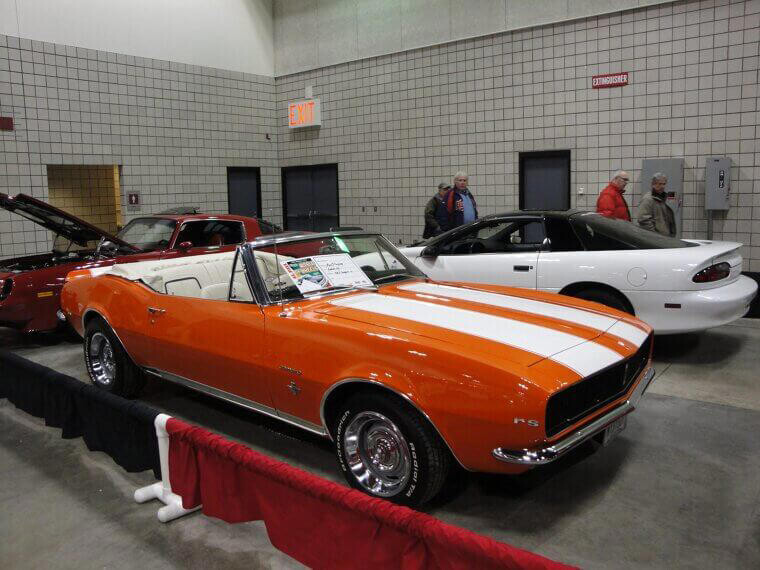
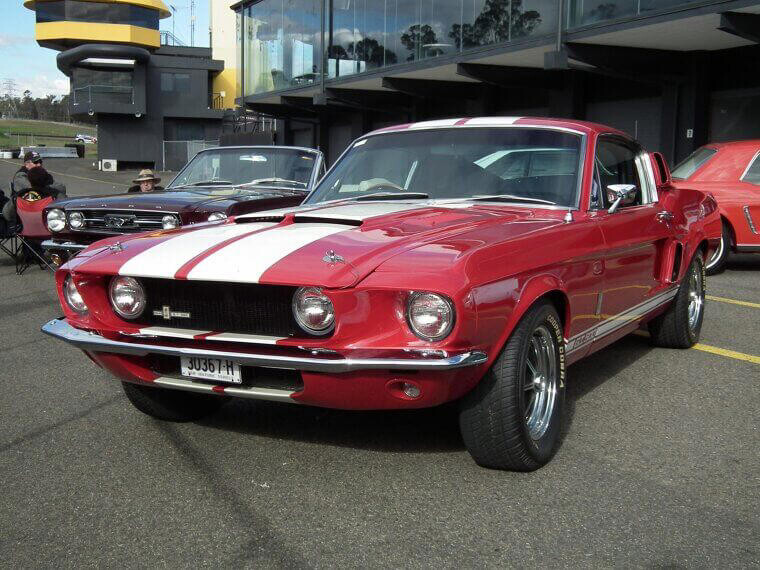
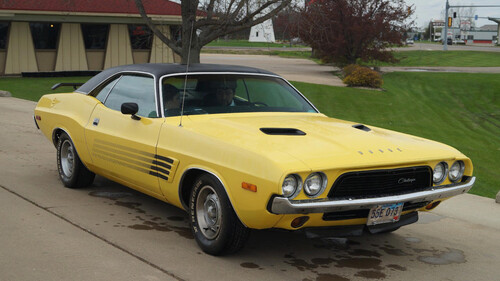
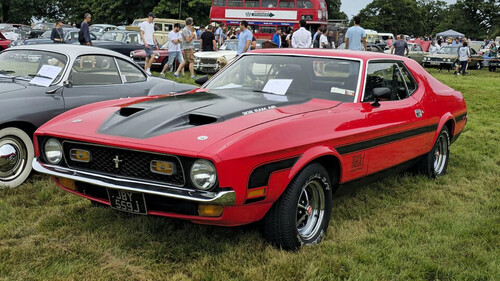
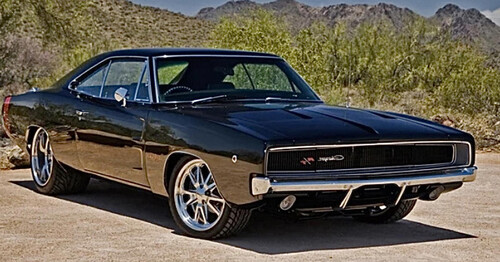
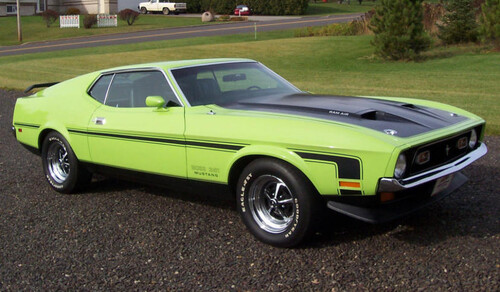
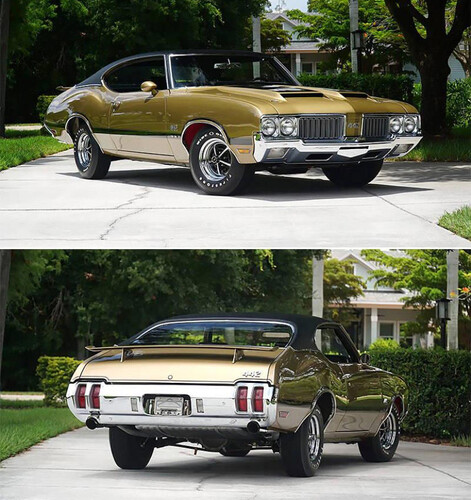
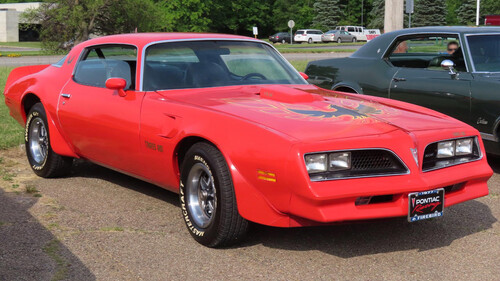
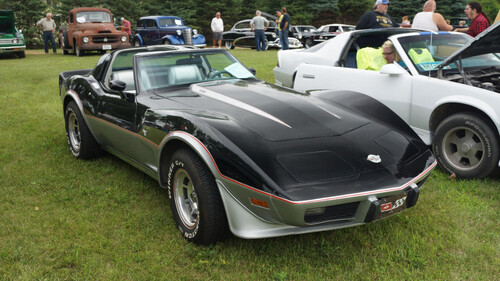
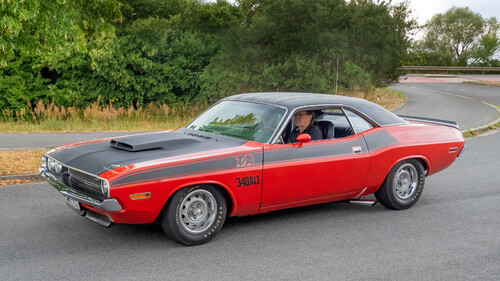
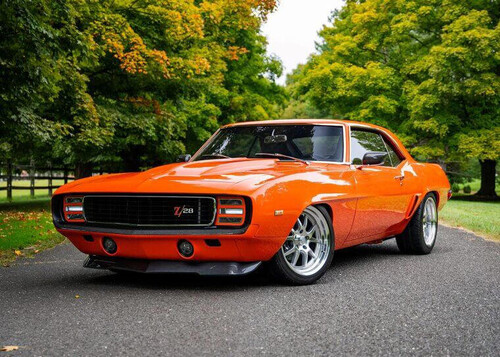
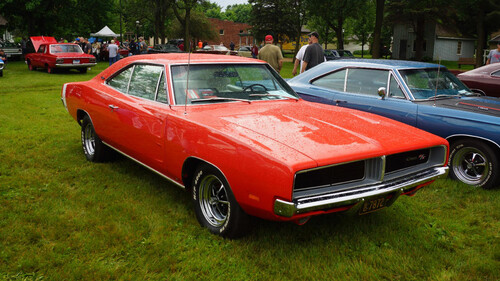
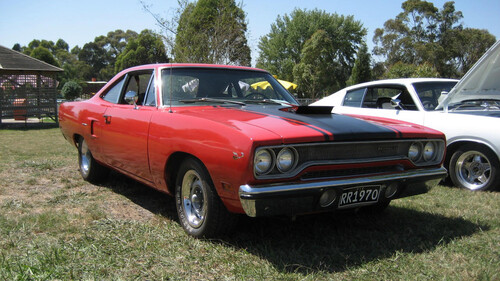
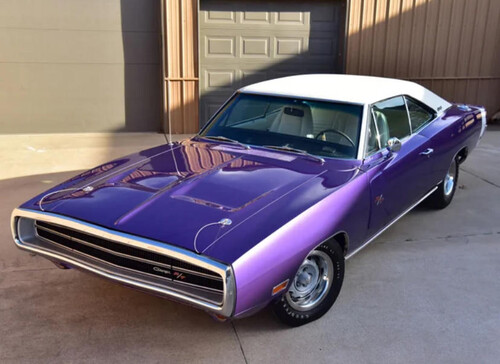
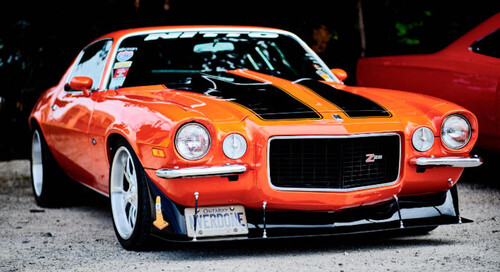
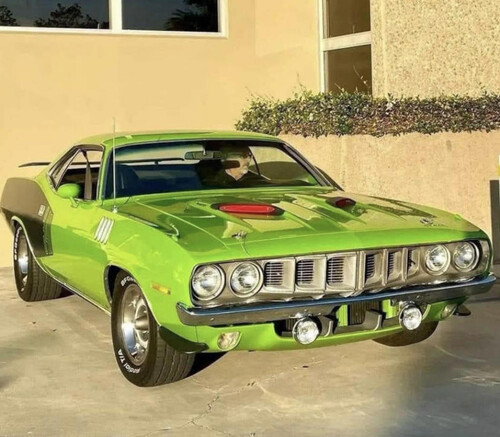
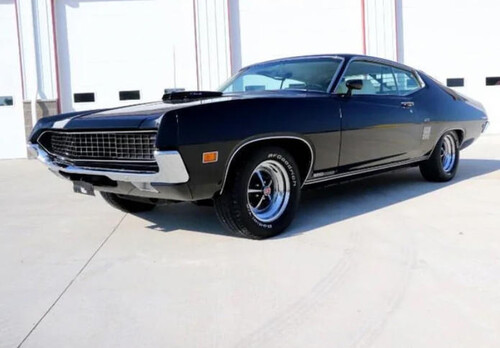
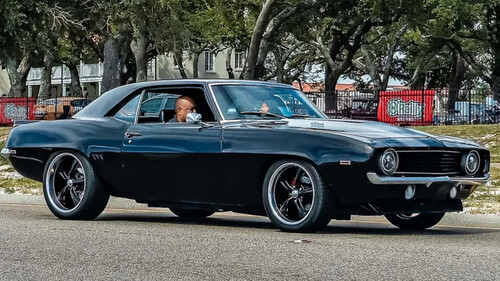
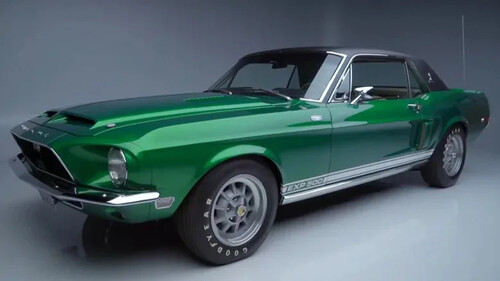
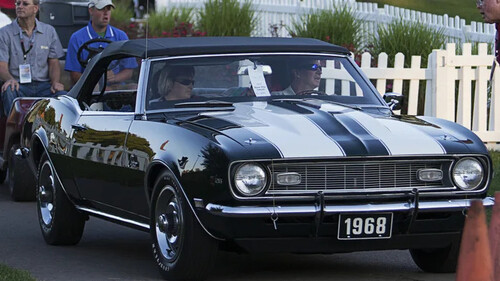
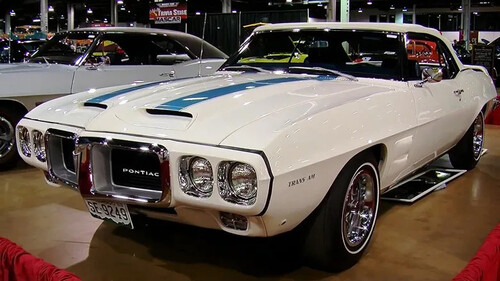
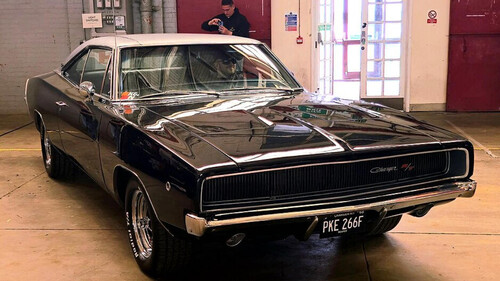
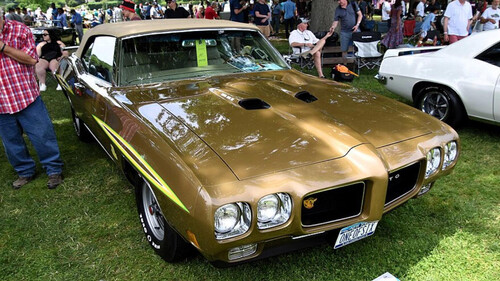
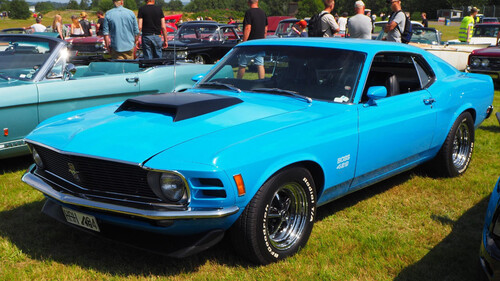
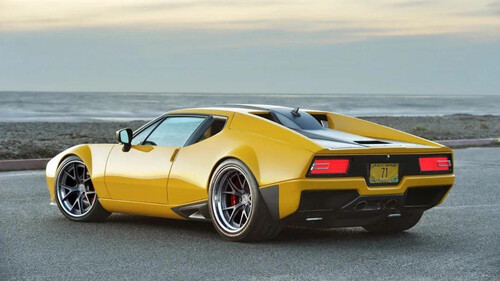
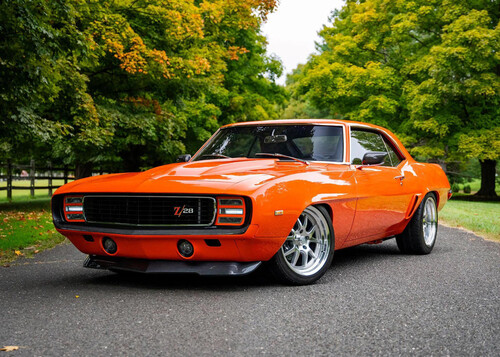
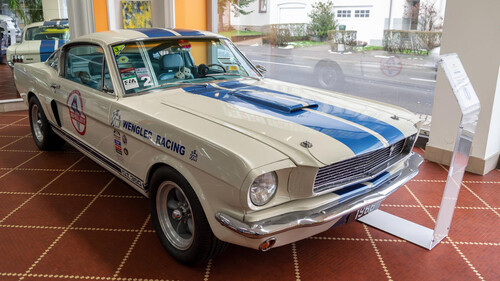
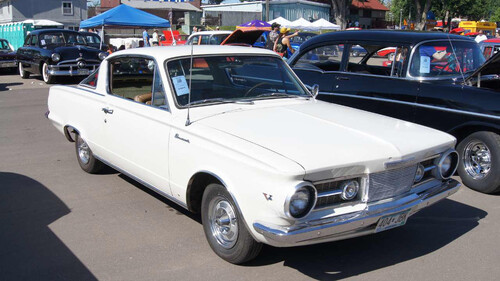
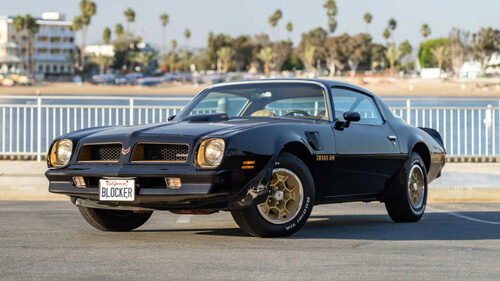
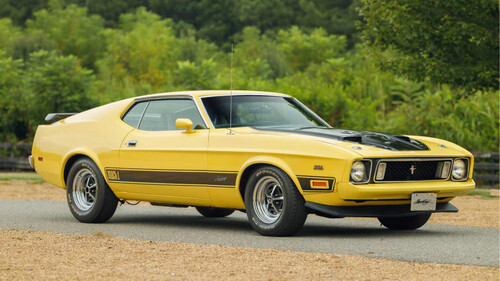
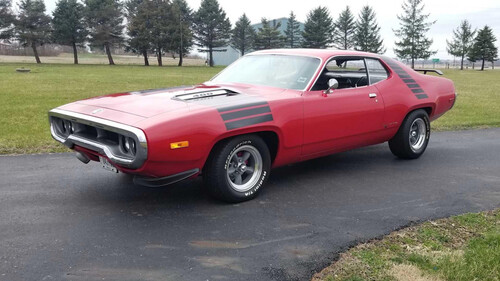
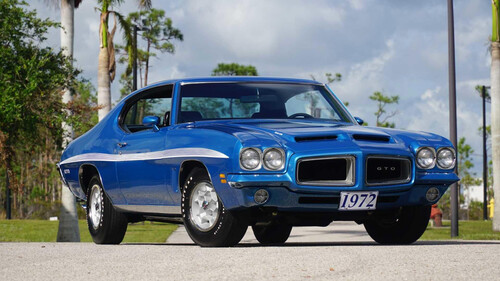
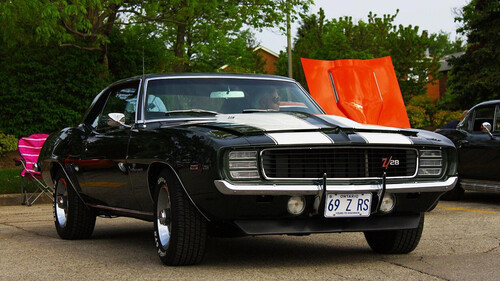
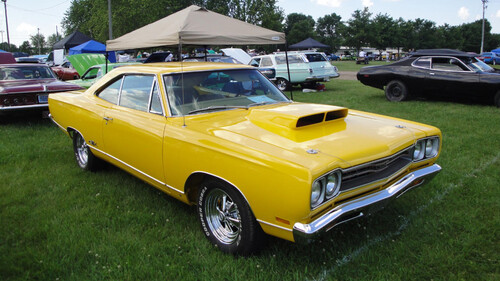
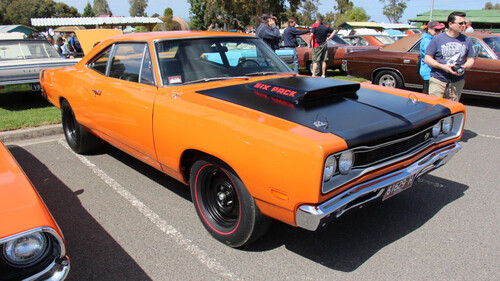
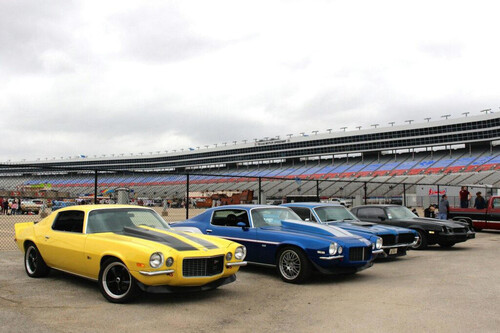
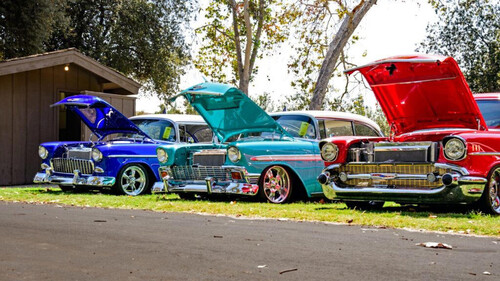
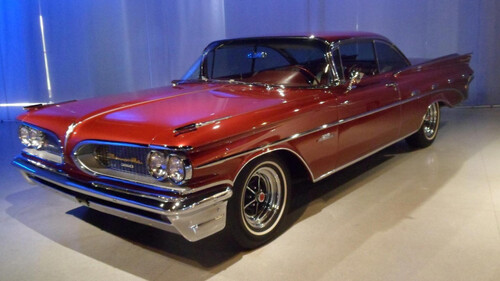
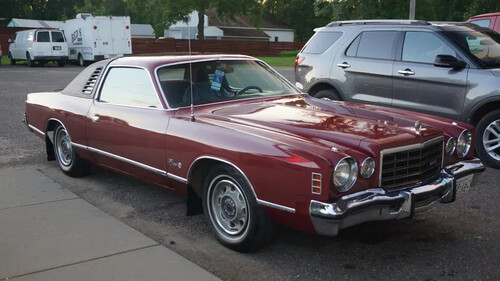
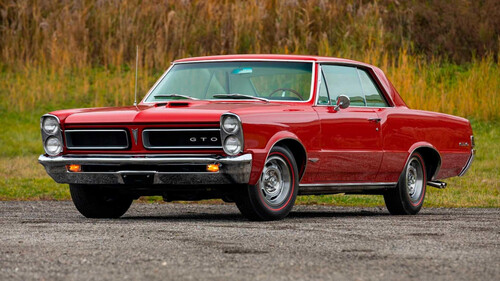
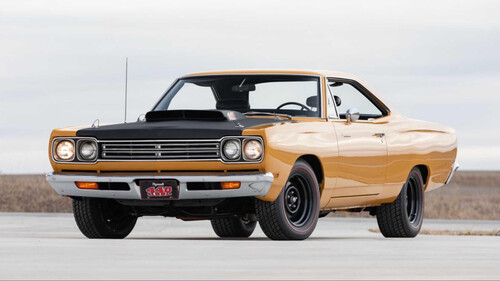
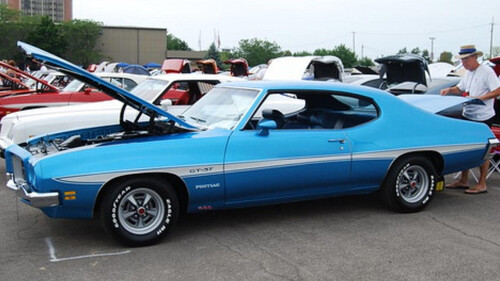
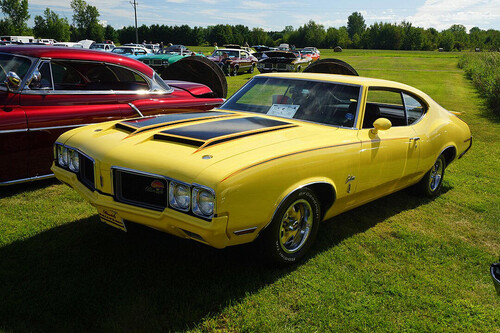
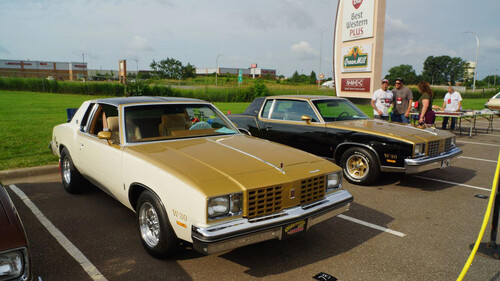
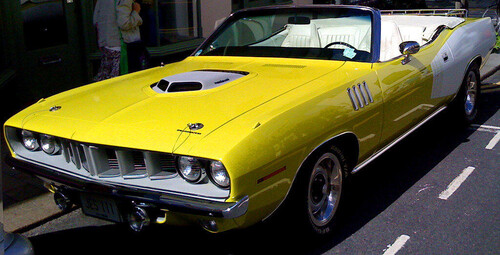
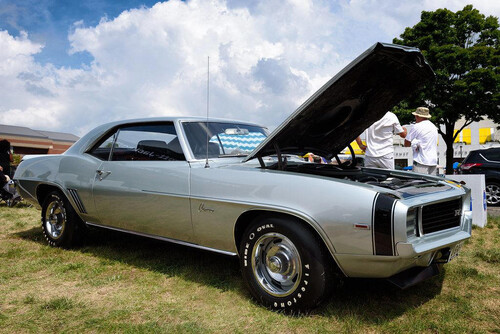
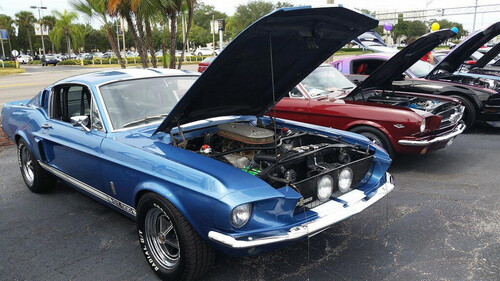
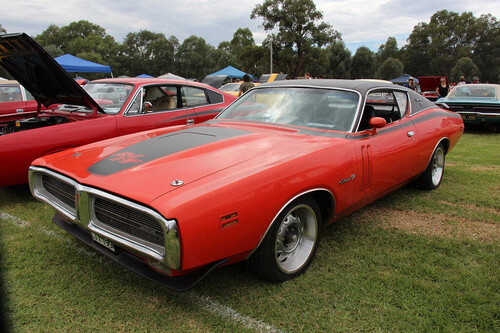
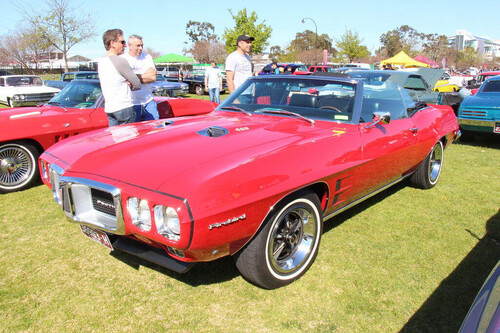
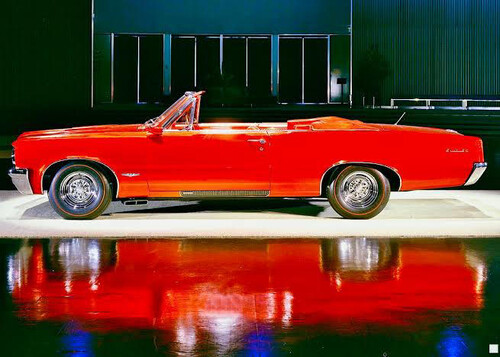
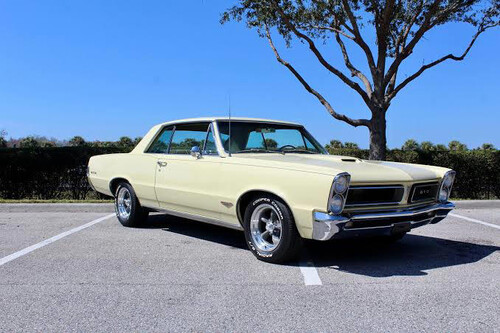
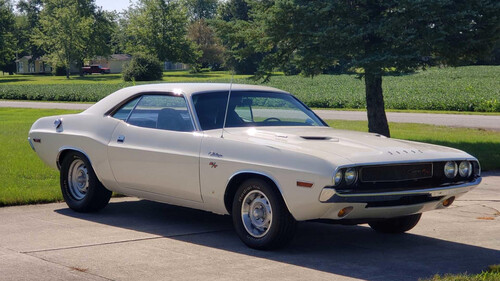
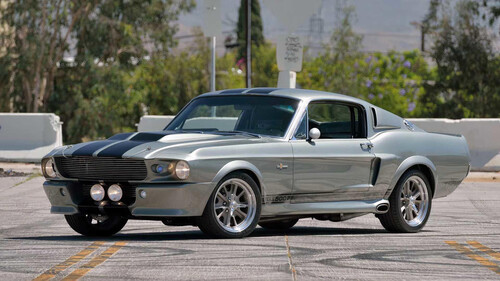
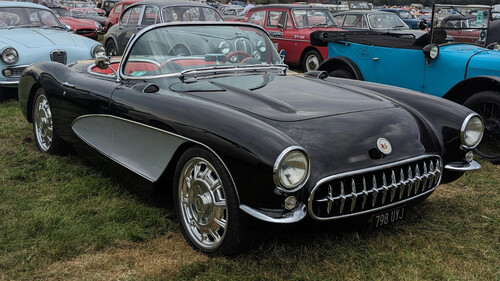
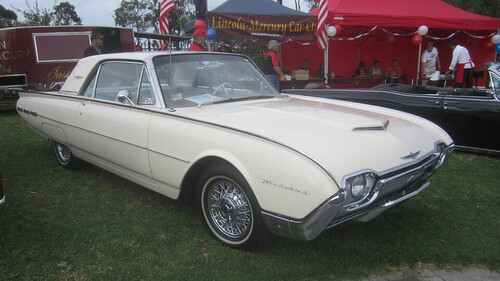
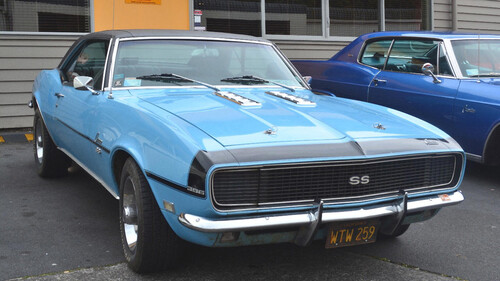
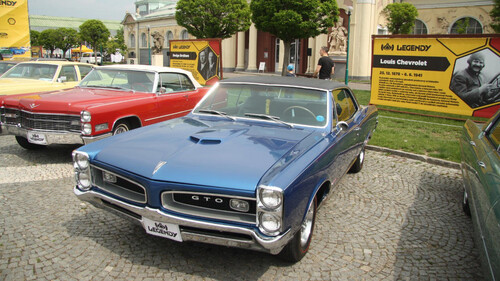
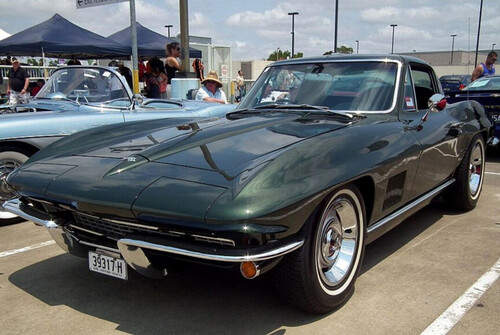
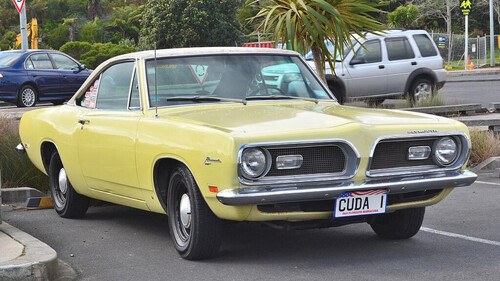
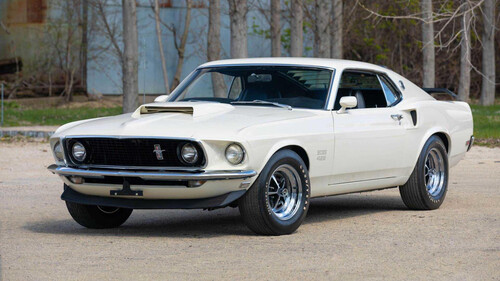
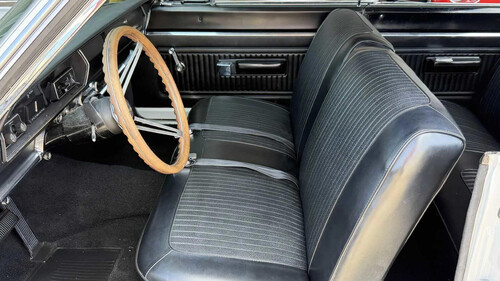
The 1969 Dodge Charger Leads the PackFew machines carry the cultural weight of a 1969 Dodge Charger. That fastback roofline. The hidden headlights. The unmistakable presence that made it a Hollywood icon long before the auction circuit caught on. Today, pristine examples are regularly crossing the $200,000 threshold, with Hemi-powered R/T models pushing well beyond that. What separates the '69 Charger from other appreciating muscle cars is its crossover appeal — it attracts die-hard Mopar fans, film memorabilia collectors, and general automotive enthusiasts simultaneously. That broad demand base creates fierce competition at auction. Dealers who acquired clean examples even three years ago are sitting on investments that have nearly doubled. The Charger isn't just leading the muscle car market right now — it's redefining what the ceiling looks like.First-Generation Camaros Are Climbing FastBuilt between 1967 and 1969, first-generation Camaros have always been desirable. But "desirable" has transformed into "aggressively sought-after" in recent months. SS and Z/28 variants in particular are seeing 20 to 35 percent value jumps compared to just 18 months ago. Part of the surge is generational. Collectors who grew up watching these cars in driveways and drive-ins are now financially positioned to finally own one. Supply isn't keeping pace with that demand. Unrestored, documented survivors are especially scarce — many have been modified, parted out, or simply deteriorated beyond viable restoration. Clean first-gen Camaros are disappearing from the open market quickly, and those who hesitated last year are now paying significantly more for comparable cars.The Shelby GT500 Commands Top DollarCarroll Shelby's name alone adds a premium to anything it touches. The GT500, however, earns its price tag through pure performance heritage rather than nostalgia alone. Original 1967 and 1968 models equipped with the 428 Police Interceptor engine represent some of the most technically significant muscle cars ever produced — and the market reflects that distinction with brutal clarity. Authenticated GT500s in excellent condition routinely exceed $300,000 at major auction houses. Even project-grade examples with incomplete documentation are attracting serious money. Buyers understand that genuine Shelby production numbers were always low, making each surviving car increasingly irreplaceable. The combination of racing pedigree, limited supply, and Shelby's enduring legend ensures the GT500 will continue commanding top dollar for the foreseeable future.Original Paint Adds Serious Collector ValueOpen a door jamb on a truly original muscle car and you might find something priceless: factory paint hiding beneath decades of careful preservation. Original finishes — even ones showing honest age and minor imperfections — are commanding extraordinary premiums in today's market. The reasoning is straightforward. Factory paint carries chemical and application characteristics that modern refinishers simply cannot replicate. Collectors and judges at concours events can often identify repainted cars immediately. Beyond competition, original paint signals that a car hasn't been through a body shop, which typically implies less hidden damage and fewer surprises under the surface. A documented, unrestored example in original color is increasingly treated as a museum-quality artifact. Buyers are paying handsomely for that authenticity, and the gap between repainted and original cars keeps widening.The Plymouth Barracuda Is Having a MomentFor years, the Plymouth Barracuda lived in the shadow of its Dodge stablemates. Not anymore. The 'Cuda — especially 1970 and 1971 convertible models with Hemi power — has exploded into the upper tier of the collector market, with several examples recently selling above $3 million at high-profile auctions. Scarcity is the primary engine here. Hemi 'Cuda convertibles were produced in genuinely tiny numbers, making each surviving car a legitimate rarity rather than a marketing claim. But even non-Hemi Barracudas are benefiting from the attention, with clean 340 and 383-powered cars seeing meaningful appreciation. Collectors who dismissed the Barracuda as a secondary Mopar are now scrambling to find examples at prices that made sense two years ago. That ship has sailed.Spring Auctions Are Setting New RecordsBarrett-Jackson. Mecum. RM Sotheby's. Spring auction season draws the finest muscle cars in existence onto the block — and 2025 is delivering results that are rewriting the record books. Multiple cars have already exceeded their pre-sale estimates by 40 percent or more, a pattern that signals genuine market heat rather than isolated bidding anomalies. Live auction energy creates a competitive psychology that online sales simply can't replicate. When two determined bidders lock onto the same car in front of a crowd, rational price ceilings tend to evaporate. Consignors are timing their offerings strategically, knowing that spring momentum typically produces the year's strongest results. For buyers, the lesson is clear: waiting for a better deal at the next auction often means competing against even more aggressive bidding. This spring's numbers are proving that point emphatically.The Pontiac GTO Still Turns Collectors' HeadsThe car that started the muscle car era refuses to fade quietly. Pontiac's GTO — particularly the 1964 through 1967 models — maintains a devoted following that keeps prices climbing despite the brand's long absence from dealership floors. What makes the GTO's continued appreciation interesting is its accessibility relative to Hemi Mopars and Shelby products. Collectors who can't justify six-figure Charger money are finding that clean GTOs offer genuine performance heritage at comparatively reasonable entry points — though "reasonable" is getting harder to define each season. Tri-power carburetor setups and Ram Air options add meaningful premiums. The GTO also benefits from exceptional club support and parts availability, making ownership more practical than many comparable muscle cars. For collectors seeking value alongside appreciation potential, the Goat still delivers.Restored vs. Original Condition Debate ContinuesTwo schools of thought divide the muscle car collecting world with surprising intensity. Purists argue that unrestored, original-condition cars — patina, wear, and all — represent authentic history that should never be erased by a rotisserie restoration. Restorers counter that returning a deteriorated car to factory-correct condition preserves it for future generations. The market currently leans toward originality, particularly for rare models. But a flawless, correctly restored car still commands serious money, especially when restoration quality is exceptional and documentation supports factory accuracy. The debate becomes most heated around "restomod" builds — original bodies fitted with modern drivetrains and suspension. These cars are fun and functional but occupy a separate market entirely, typically appreciated by drivers rather than investors. Where you land in this debate should reflect how you intend to use and eventually sell the car.