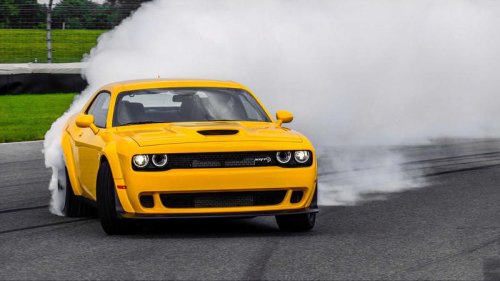
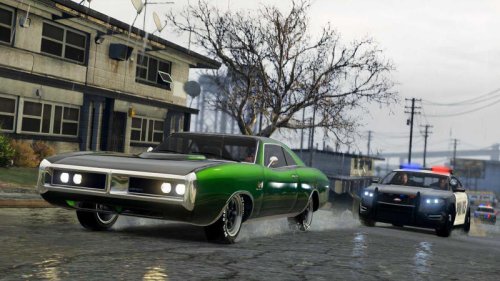
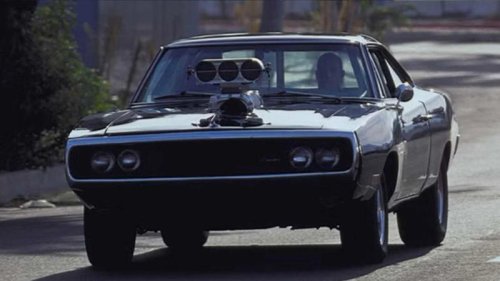
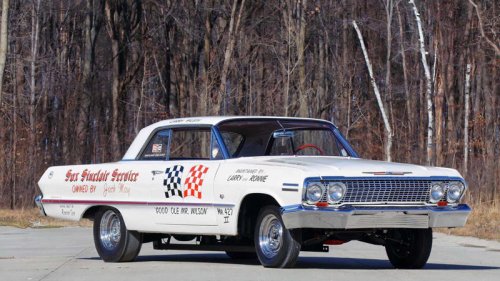
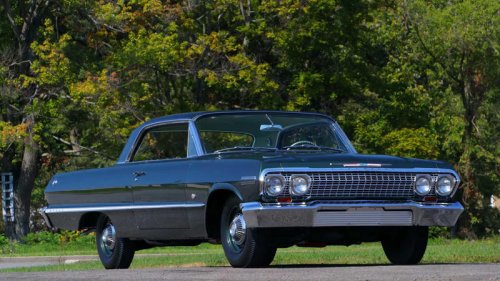
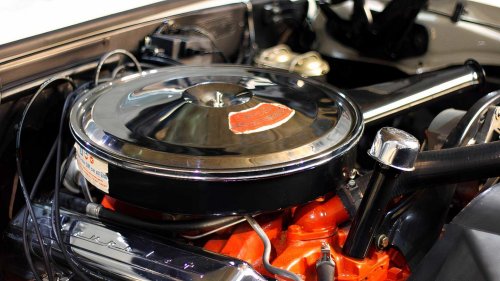
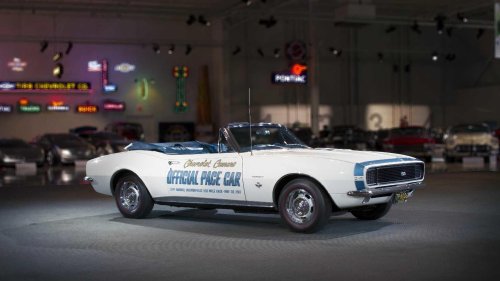
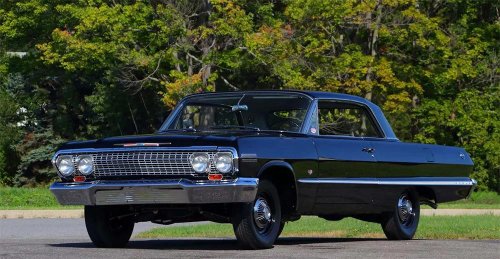
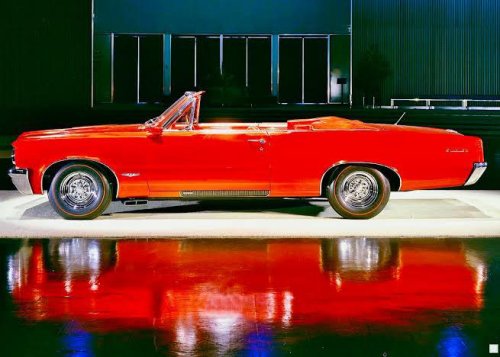
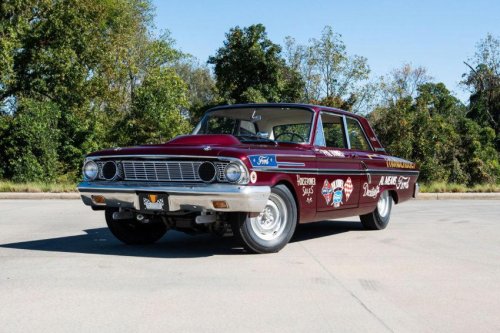
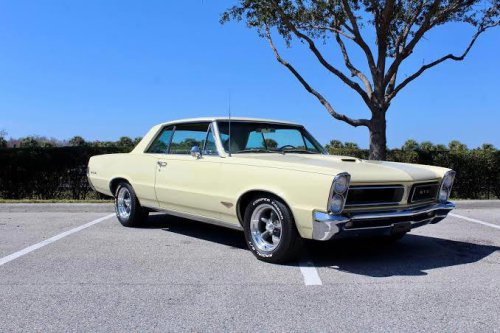
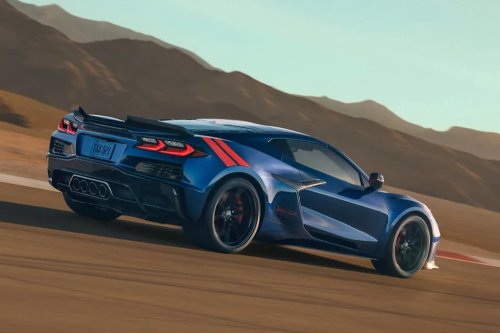
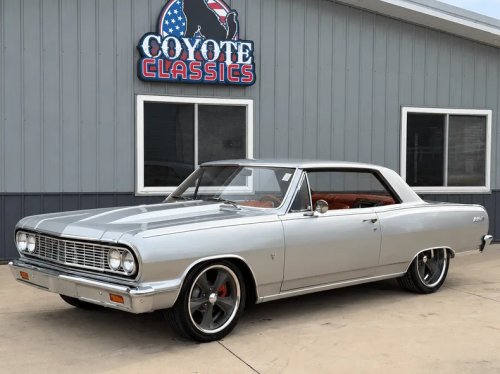
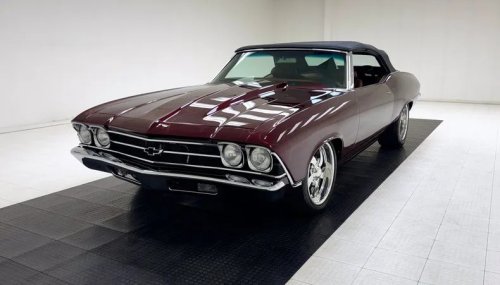
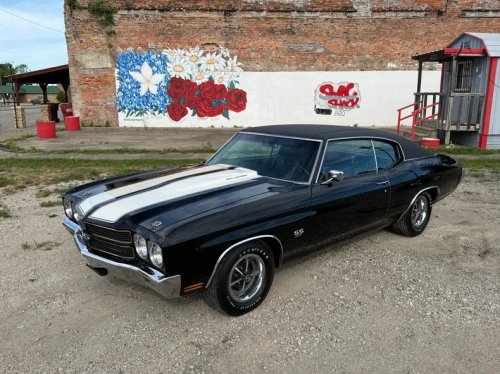
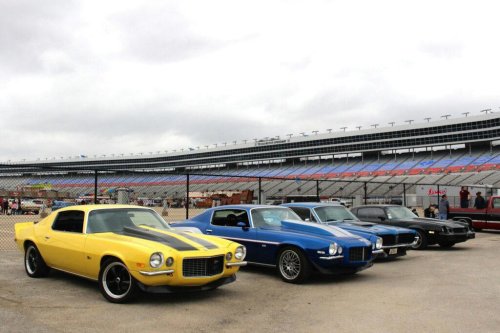
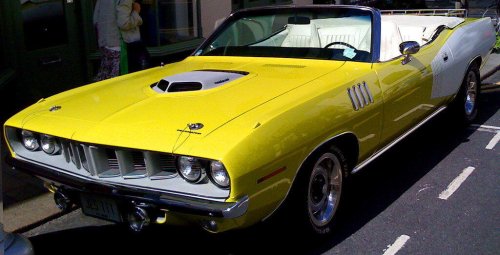
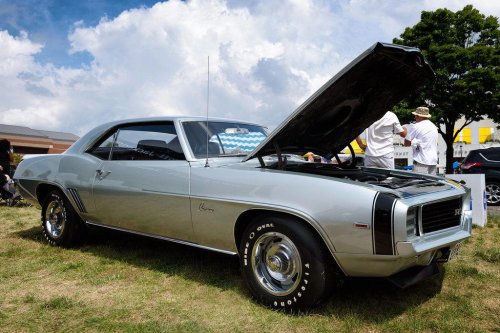
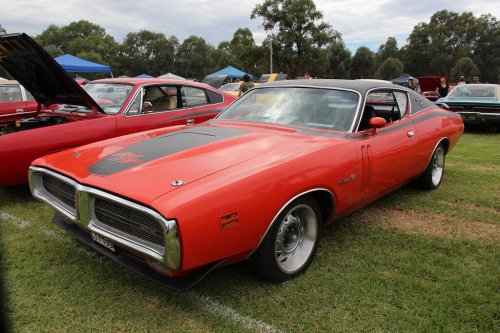
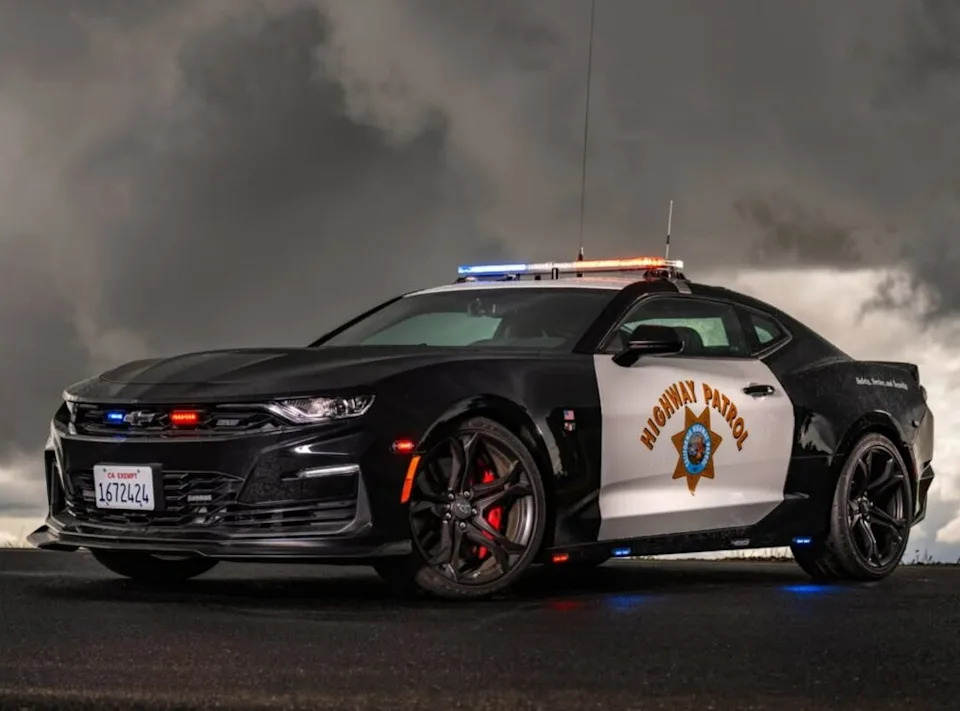
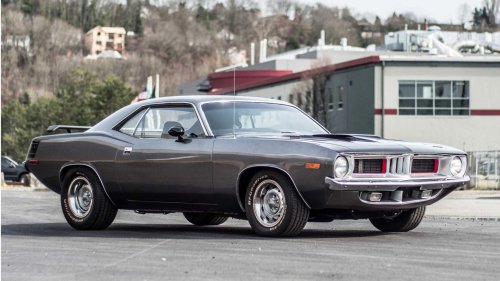
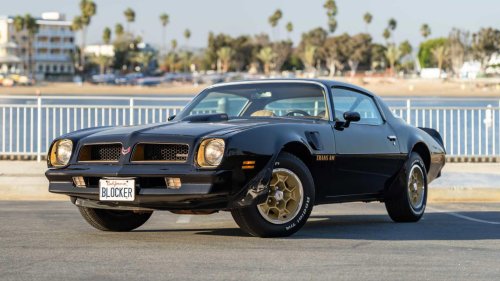
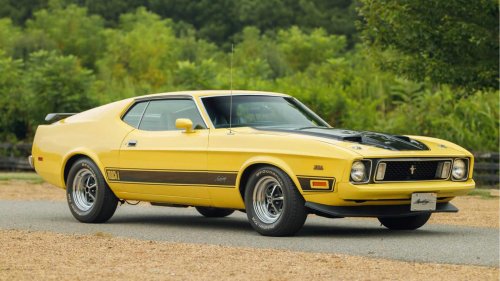
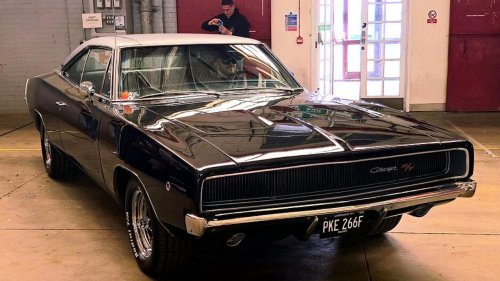
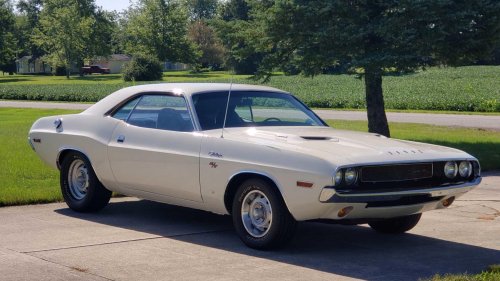
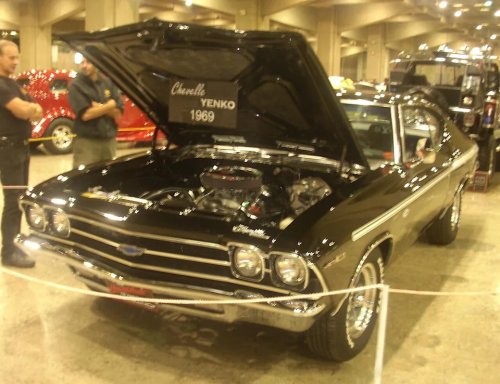
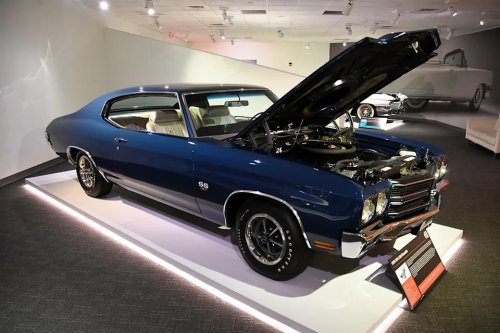
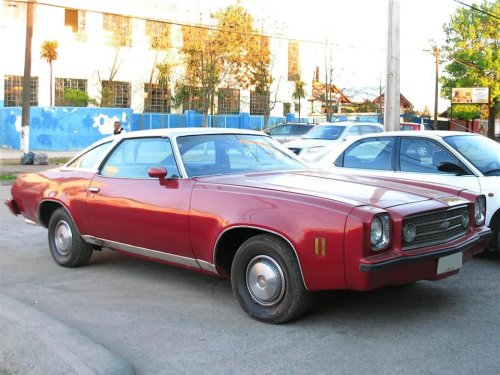
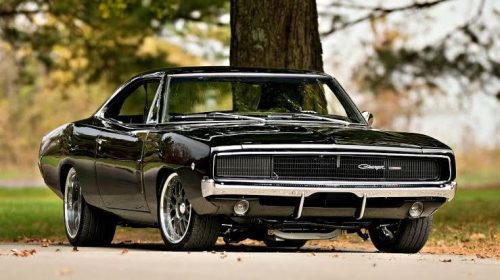
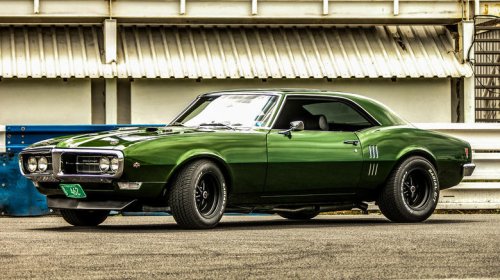
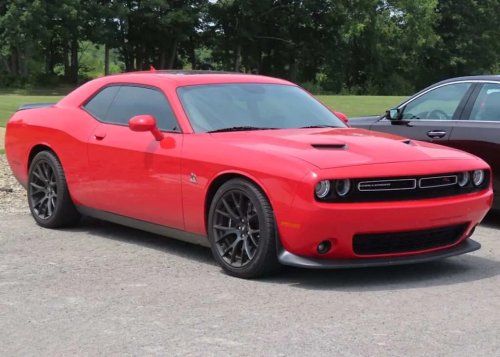
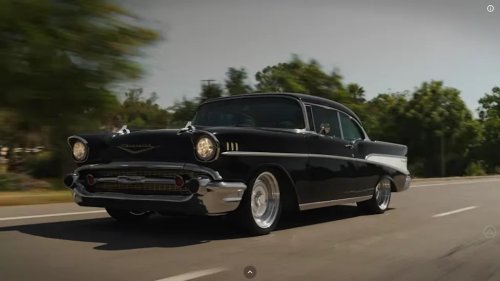
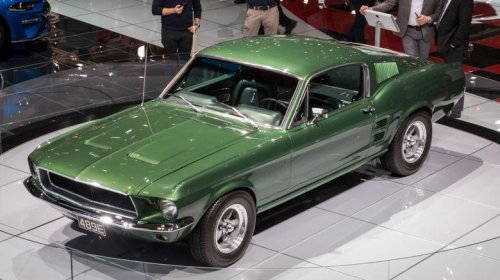
The first member of Generation Z was born in 1997, which was a little more than 30 years after the 1964 Pontiac GTO ushered in the Golden Age of American Muscle. To older folks, 30 years doesn't seem like that long ago, but the difference between the early '60s and the new Millennium feels like, well, a millennium. Boomers didn't have things like computers, the Internet, mobile phones, video game consoles, or microwave ovens, and even color TVs were rare back then. They did, however, have muscle cars, which defined their generation as much as hippie culture or free love, all three of which Gen-Z has a hard time wrapping their heads around.Gen-Zers have a reputation of being socially awkward, overly sensitive, and smartphone slaves, plus that whole eating Tide Pods things, which may or may not be fair. One thing that is true is that they are obsessed with all things retro from previous generations. They love old-school gaming like the Atari 2600 and NES, totally dig vinyl records, and even vibe on classic muscle cars. The Boomers are already aging out of the classic muscle car collectors club, and Gen-X will get there before long, but surprisingly, Gen-Z is getting in on the action. While Gen-Z is showing interest in classic muscle, there is one outrageous Chevy ride they may have a hard time believing was ever a thing. Gen-Z Parallels The Modern Muscle Car Era Stellantis Much like how Gen-X was spawned in the classic era of American muscle, Gen-Z had the modern muscle car age to fuel their childhoods. In 2010, when early Gen-Zers were starting to hit their teens, the Ford Mustang had a resurgence, both the Dodge Charger and Challenger were rebooted street assassins, and the iconic Chevrolet Camaro made a mighty return. In a lot of ways, the modern era was better because the Performance War was amped up as the automakers tried to outdo each other with cars blasting out 500-800+ horsepower. This was Gen-Z's introduction to American muscle, and their perception of what a muscle car was supposed to be, but that retro curiosity and some modern media channels gave them a glimpse of the glory days. Grand Theft Auto V Gateway Rockstar Games Next to the Call of Duty franchise, there is no video game more popular with Gen-Z than Grand Theft Auto V, especially for online play. GTA is all about shooting and driving, and as such the rides matter to gamers. The developers didn't feel like paying out licensing fees, but most of the cars in the game are awfully close to real-world vehicles, and that includes an extensive line-up of classic muscle. The Declasse Sabre Turbo is Chevy Chevelle SS, the Vapid Dominator is an old-school Mustang GT, and the Imponte Dukes is a second-gen Dodge Charger R/T. While pwning the noobs in these badass video game rides, Gen-Z's interest was piqued, and they wanted to learn more about them, leading to an appreciation of classic muscle cars. Fast & Furious Exposure Via: Universal Studios Another thing that was prevalent in the formative years of Gen-Z is the wanton destruction of the Fast & Furious franchise, which turned them all on to Golden Age muscle cars. Yes, the films do feature tons of killer JDM tuners and European exotics, but it's the muscle cars that really caught the attention of audiences. There are literally tons of classic street machines like Road Runners, Torinos, and Trans Ams, but Dominick Toretto's supercharged 1970 Dodge Charger R/T is not only the star of the film series, but arguably the most iconic car in cinematic history. The wicked styling and unreal power of that car were enough to make Gen-Z curious as to what it actually was. It was also so captivating that it made them want one even more than an order of avocado toast. The Impossible ’63 Chevy Impala Z11 Muscle Car Mecum Gen-Z's idea of what a classic muscle car is supposed to be is centered on the Coke bottle-style cars of the late '60s, so the long and low, boxy fourth-gen Chevrolet Impala wouldn't even register with them. In 1963, Chevy had this wild idea of turning their mid-luxury full-size ride into a track terror factory drag car. They stripped the Impala of all unnecessary weight, added lightweight aluminum body panels, and dropped in a 427ci V-8, creating the first American muscle car one year before the Pontiac GTO would popularize it. Full-size rides ain't supposed to be performance cars, so this was a thing that should not be, but was. Bearing the RPO Z11 identifier, this ultimate Chevy was produced in very small numbers with estimates ranging between 50-57 units.The small batch for the Impala Z11 wasn't necessarily by choice, as Chevy fully considered making more, but as we'll see in just a sec, GM put the kibosh on it. This was definitely a car that was intended for the track only, but it was street legal and there is evidence that at least a few of them were bought as daily drivers, or at least street racers. At the time, Mopar Max Wedge cars were the kings of the street with solid quarter-mile times in the 13s, but the Impala Z11 could smoke those suckers by seconds, which is an eternity in a red light challenge. The RPO Z11 package wasn't cheap, resulting in a roughly $4,000 car ($42,516 adjusted for inflation), but that's a pittance compared to a high-performance car today. 427 From Hell Mecum The star of the Impala Z11 show was, without question, the 427ci V-8 that made it nightmare material for opposing drivers. With a dual-quad carburetor set up, this engine was rated at 430 horsepower and 575 pound-feet of torque, but was almost certainly much more powerful, like possibly in the 500-pony range. The engine was based on the 409ci V-8, which the Beach Boys paid tribute to in song, but with a longer stroke for more displacement. It used a high-rise aluminum intake manifold with twin Carter AFB four-barrel carbs and had a 13.5:1 compression ratio, which was the perfect formula to equal unrivaled explosive performance. This is not the same 427 that would make the Corvette a legend, but rather one that was developed for NASCAR and other racing applications. Factory Drag Car Special via Bring A Trailer The diet Chevy put the Impala Z11 on resulted in a 3,000-ish pound car, which is astoundingly light for a full-size ride. That, combined with the 427, a Borg-Warner T-10 four-speed manual transmission, and heavy-duty Positraction with ~4.11:1 gears made for one of the most spectacular thing Chevy ever built. In the blink of an eye, it could hit 0-60 in 4.3 seconds and before that insane acceleration could be processed, it annihilated the quarter-mile in 10.8 seconds at around 120 MPH. This was the first 10-second car and probably the only one with a 119-inch wheelbase, as factory drag cars tended to be intermediates or compacts, like the '68 Hemi Dart. "Dyno" Don Nicholson won Super Stock at the 1963 Winternationals in a Z11, cementing both his and the Chevy's legend. Z11 Helps Trigger GM’s Big Engine Ban Mecum In 1957, GM made an agreement with the American Manufacturers Association (AMA) to withdraw from organized auto racing, but their divisions were all supporting teams through back-door channels. In late 1963, GM decided to crack down on this and forbade all of its divisions from racing activities of any kind. As part of this corporate edict, the divisions were also banned from equipping engines over 400ci of displacement in intermediate cars. The reason for this was liability concerns about selling cars that were too powerful to handle and that almost certainly came about after they got a load of the insane performance of the Impala Z11. GM actually sent a cease and desist order to Chevy demanding that they stop cranking them out immediately. Chevy Got Muscled Into Second Place Bring A Trailer The GM big engine ban was ill-timed as the next year, the GTO would kick off the muscle craze, leaving GM's divisions battling for second place behind the awesomely equipped Mopars. Chevy's first foray into the muscle car zone was the Malibu Chevelle SS with a 300-horsepower 327ci V-8, that made it an okay 15-second car. Meanwhile, a '64 Plymouth Sport Fury with a 425-horsepower 426ci Max Wedge V-8 could blaze ETs in the high-12s/low-13s. When the Chevelle SS finally got an upgrade to the 375-horsepower 396ci V-8, it got a little quicker, running in the 14s, but Dodge and Plymouth muscle cars were guaranteed 13-second rides with the introduction of the 426 Street Hemi in 1966. Imagine how different the Golden Age of American muscle would have been if the Chevelle SS had access to the 427. Gen-Z Minds Blown By Impala Z11 Mecum Because modern muscle cars borrowed styling from their Golden Age ancestors, a 2018 Challenger R/T Hellcat doesn't look that radically different from a 1970 Hemi R/T, so things are not confusing to Gen-Z. The boxy '63 Impala Z11, with a mile of hood and a landing strip trunk, on the other hand, is the farthest thing away from what a muscle car is supposed to be. It gets positively mind-blowing to Gen-Z that this odd-looking ride was faster than the Mustang Dark Horse or Dom's Charger R/T, and that it achieved that next-level performance more than 60 years ago. However, Gen-Z does love retro stuff and the Impala Z11 is likely to spark their interest, but there will be an initial period of pure disbelief that it was ever a real thing.Sources: GM, Chevrolet