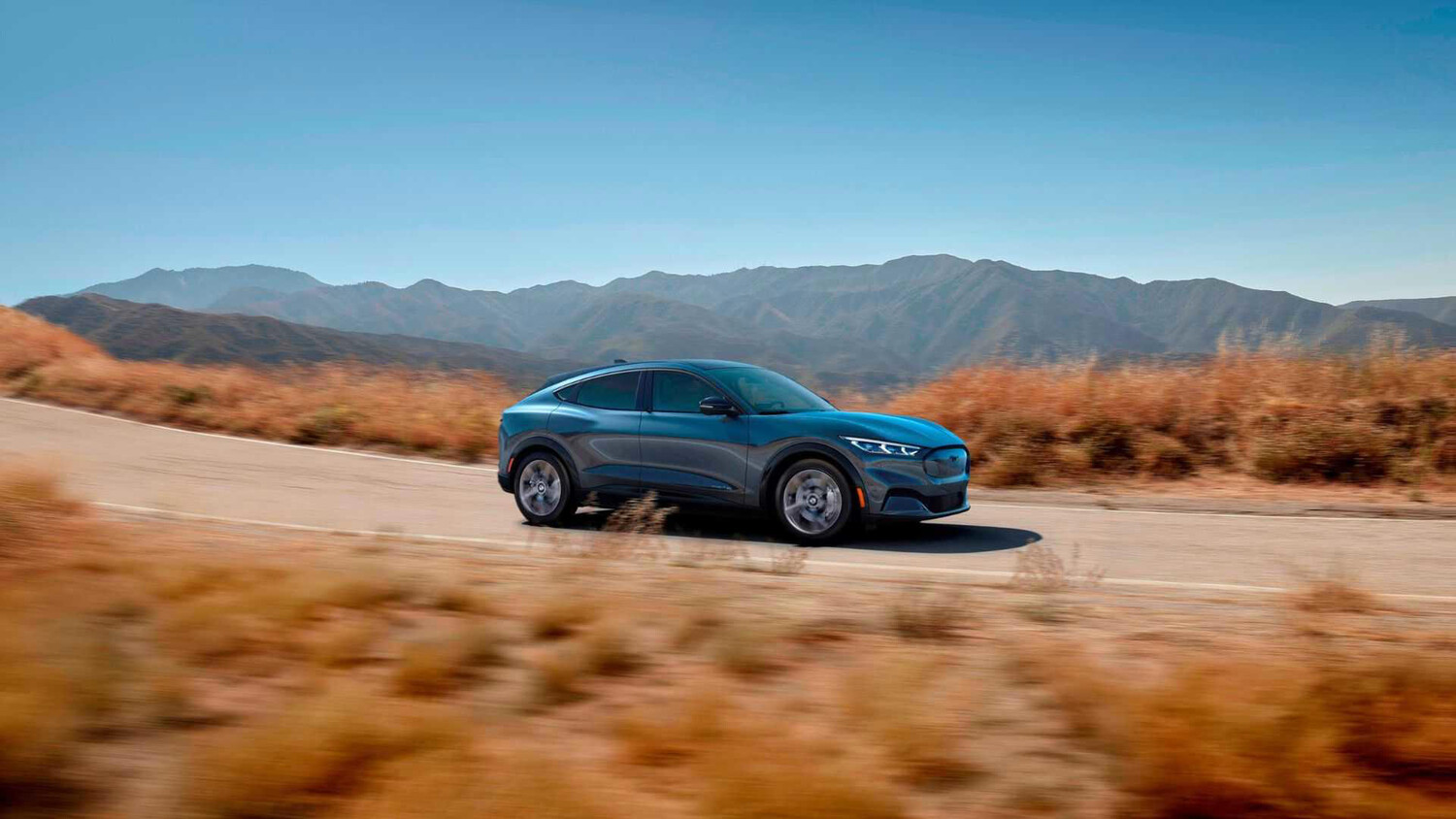
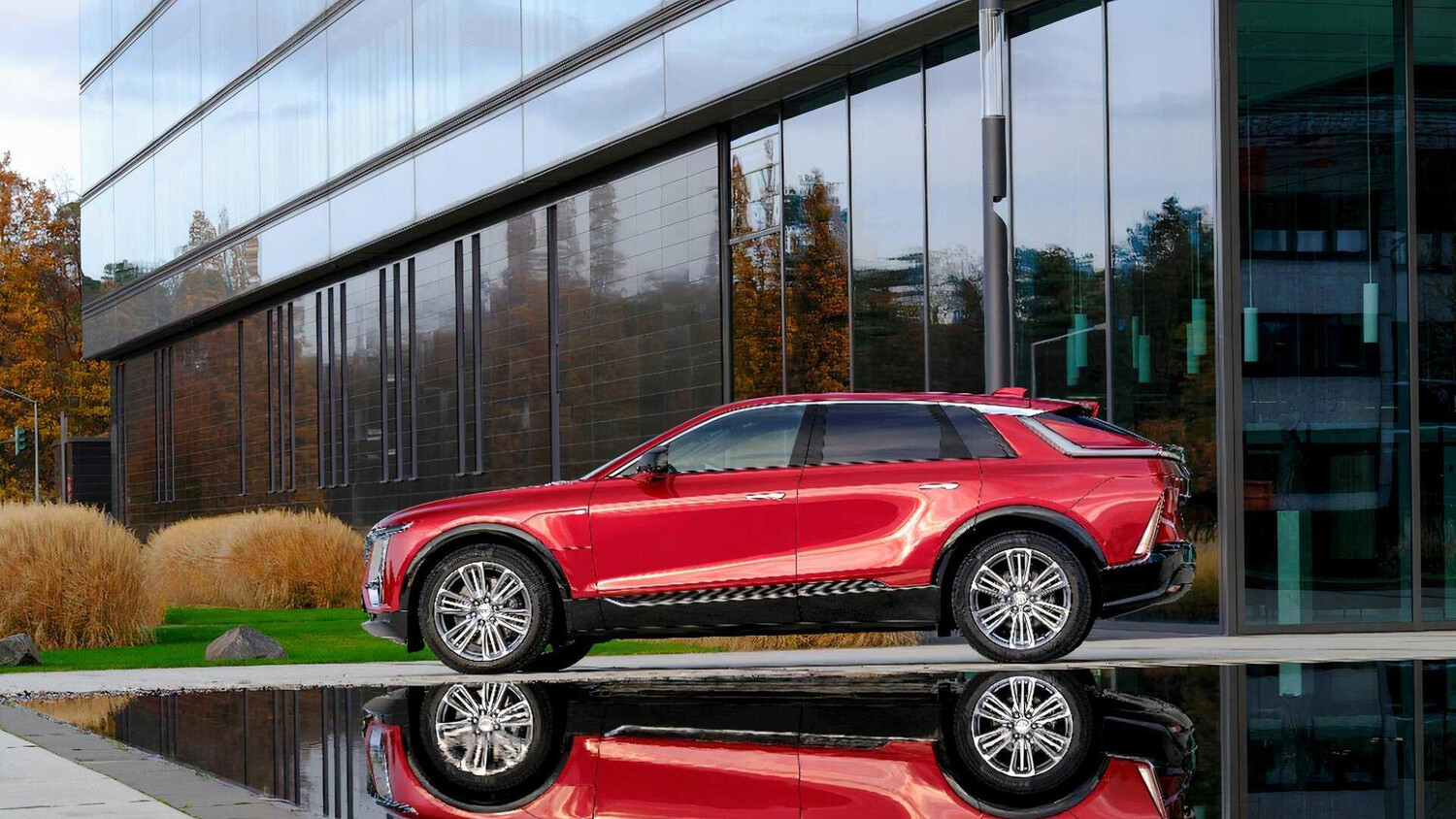
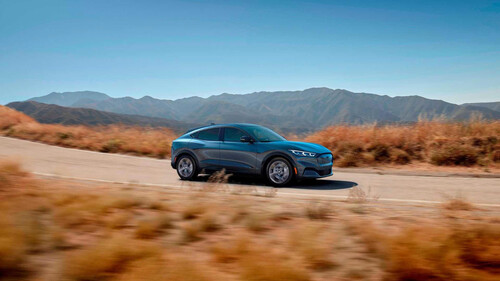
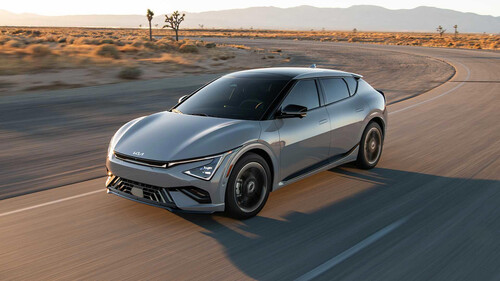
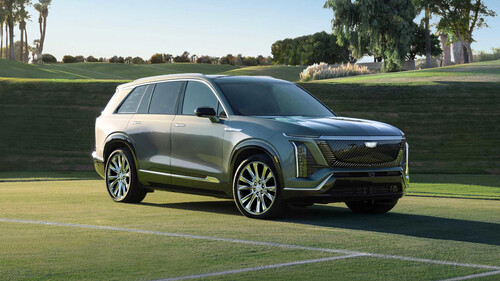
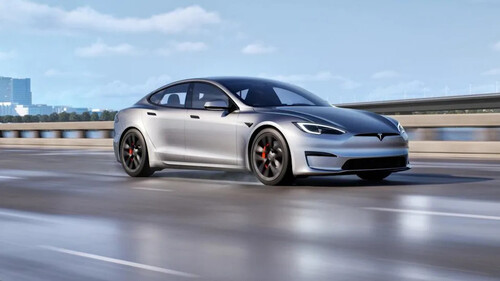
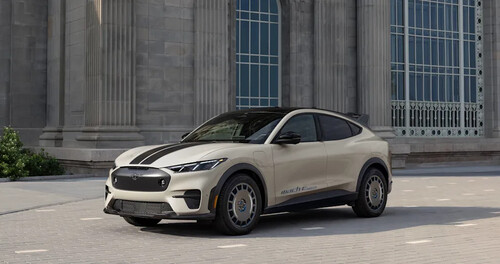
Turns out, you may have been better with a hybrid all along.If you were all‑in on all‑electric five years ago with that Ford Mustang Mach‑E, Tesla Model 3, or Kia EV6, you might be feeling a little left out in the cold today. It wasn’t long ago that some folks felt like the incoming wave of EVs was the leading edge of a major revolution that would change motoring forever. EVs weren’t just coming — they were arriving in waves and reshaping the industry.Ford A lot of weird and crazy things were happening in the early 2020s, and the auto industry was not spared. A global chip shortage, a viral pandemic, and upended supply chains collided at the same moment in time that many automakers were reinventing themselves for an all‑electric future. Amid that chaos, the EV scene exploded in multiple directions at once.Legacy brands and ambitious startups alike were betting big on all‑electric. New models were dropped almost monthly. Initial demand saw soon‑to‑market models collect huge deposits. It was anyone’s guess how the EV surge would pan out. Some believed EVs would steamroll combustion and make gas engines obsolete within a decade. Others insisted they’d be a short‑term fad limited by real‑world obstacles.Somewhere in the middle, others surmised that the EV could become a compelling alternative for some drivers in some situations, but not a universal solution.Five years later, the dust is settling, and the picture is a bit trickier. Many automakers that went all‑in on all‑electric are now pressing the brakes, and early adopters are discovering an uncomfortable consequence of rapid innovation: cooling demand and resale values that are falling off a cliff. On Consistent Demand and Strong Resale Value, Hybrids Are the Clear Winner Toyota If you bought a hybrid five years ago, chances are that it’s worth about 65% of what you originally paid for it today. If you bought an EV five years ago, chances are it’s only worth about 40% of what you paid for it today. That’s in light of fuel costs that are still highly unstable, and a wider general understanding of the pros and cons of EV options by increasingly informed in‑market shoppers.Remember: depreciation is a major factor in the cost of owning a vehicle.According to a report by iseecars.com, if you bought a Rav4 Hybrid in 2019, chances are it’s depreciated by about 40 percent of its original value. If you bought a Mustang Mach‑E around that time instead, it has probably depreciated by 71 percent. Put another way, that 2019 Rav4 is still worth about half of what you paid for it, while the Mach‑E is worth about a third. In the case of the Ford, that’s a $23,000 depreciation hit in five years.Toyota At the seven‑year mark, iseecars.com data shows that the Mustang Mach‑E (70.9 percent) depreciates slightly harder than the EV compact SUV segment in general (65.3 percent), with the SUV scene in general expecting 56% depreciation. That all‑electric Mustang might have saved you a bundle on gas, but it could also cost you nearly $27,000 in depreciation by the time it’s seven years old.Of course, the Rav4 Hybrid is a benchmark model when it comes to retained value, making it a no‑brainer go‑to for shoppers looking to minimize their depreciation costs. It’s far from the only hybrid with that distinction.Toyota We can see similar performance in other hybrid‑powered models. Data from iseecars.com shows that a seven‑year‑old Honda Accord Hybrid is today worth a little more than half of its original up‑front cost. A Tesla Model 3, by comparison, hits seven years of age with just under 36 percent of its original value remaining, having cost its owner the better part of $24,000 in depreciation. That, in spite of the Model 3’s reputation for retaining value better than mass‑market EVs (alongside the Model Y).Cadillac The Cadillac Lyriq arrived for the 2023 model year as part of a new, all‑electric portfolio of luxury SUVs. Today, a three‑year‑old copy is holding on to just 48.1 percent of its up‑front value. That’s more than $10,000 per year in depreciation. If you’d bought a Toyota Highlander Hybrid in 2023 instead of a Cadillac Lyriq, you’d be holding onto 84.7 percent of its original value instead.Hyundai For reference, the SUV scene broadly experiences just 25.3 percent depreciation in the same timeframe. Translation? The all‑electric Lyriq bleeds value at about twice the ambient rate for SUVs once you drive it off the lot. In five years, the Hyundai Ioniq 5 holds onto just 42.7 percent of its original value — a $20,000 depreciation hit. A Hyundai Tucson Hybrid is worth 55.1 percent of its original value after the same period. That's not to take away from the advances made in recent years by EV products, including lengthier warranties, higher-capacity batteries and ever-improving output figures.Hyundai Still, three and five-year retention data shows hybrid vehicles retain about 65% of their original value, while EVs retain just 40%. Obviously, there are nuances and edge cases, but shoppers can use this information to help make a more informed purchase decision. Put simply, hybrids are rapidly proving themselves as the market’s low‑depreciation options, while second‑hand EVs occupy the opposite territory. What Caused The Depreciation Chasm? Ford A key reason that hybrid and ICE vehicles remain in such high demand is their familiarity. For shoppers who tend to avoid the latest all‑new technologies in favor of something more familiar and proven, there’s just nothing quite like the conventional combustion engine. Though hybrid vehicles have historically suffered big depreciation hits, the in‑market reality today is that most shoppers consider them a solid investment that can protect them from low resale values amid fluctuating fuel prices.Mercedes-Benz With decades of mainstream production and polishing via virtually every vehicle type and duty cycle imaginable, more shoppers than ever are catching on to the longevity‑minded benefits of hybrid cars and SUVs: an easier life for the vehicle’s powertrain, fuel savings without compromise, and a smoother, more powerful drive along the way.Tesla Conventional hybrids generate their electricity automatically when you drive around, so there’s no plugging-in required. As long as there’s fuel in the tank, you’re ready to drive. Consider also that hybrids can deliver dozens or hundreds of additional miles per tank than their combustion‑powered counterparts, meaning drivers get range surplus, not range anxiety.Kia The whole idea of not plugging in has some tremendous value in the marketplace, too. Sure, in most situations, plugging-in your EV takes about 10 seconds to hook up to the connector and then the battery refills while you’re away doing other things. It’s safe to say that if you go to the gas station once a month in your minivan and fill it with gas, you’re spending more time refueling than the average EV owner in the same month. The convenience of waking up every morning to a full battery and a pre‑heated cabin is not to be underestimated. Ditto the complete lack of ever needing to stand outside in a snowstorm to supervise a pump.KGM Trouble is, EV charging in the wild lacks the consistency and abundance you’ll find from gas stations. In some locales, this can be a concern, or even a dealbreaker. If you’re an EV‑curious shopper in one of these locales, the charging ecosystem you’re buying into might feel too patchy to inspire long‑distance travel confidence, especially while towing or in cold weather. Are fast chargers in your locale few, far between, and often out of service? If the public charging ecosystem where you live isn’t up to par, you’re not as likely to consider an EV, which lowers demand and pricing.Aside from potential access limitations to charging, other factors have contributed to the low resale values of EVs, too. These include a used‑EV supply glut, partially caused by shoppers trading in first‑generation EVs as new technologies and more powerful batteries roll out, or getting out of short‑term leases after trying an EV for a few years. This influx of early EVs into the used market has created more supply than demand, which pushes prices down further.Toyota Battery degradation and insurance implications complicate the concerns. According to NHTSA and EPA data, EV batteries typically retain most of their capacity after eight to 10 years, and numerous owner communities verify that EV batteries tend to fail slowly and with warning, not surprisingly and outright. Still, many shoppers just can’t get past the looming specter of a pricey battery replacement. Further, since most EVs are built with batteries structurally embedded within their floors and commonly fitted with the market’s very latest safety systems, cameras, and radar units, repair costs can be higher than in conventional cars, driving up insurance costs by 15 to 30 percent. Hybrids Are the Modern‑Day Sweet Spot Toyota Considering all of the above, it’s easy to see why hybrids have fallen into the sweet spot: they save fuel without fear of major battery replacement costs, major depreciation costs, range anxiety, and higher insurance and repair costs.According to 2025 information from Edmunds.com, hybrid sales are booming. Last year, 313,531 more hybrids were sold than EVs, and they’re on track to beat last year’s figures this year. The Edmunds report notes that hybrid sales had their biggest surge from 2022 to 2023, increasing from 754,722 to 1,242,608 units. In 2015, hybrids made up less than two percent of vehicle sales. In 2021, they had climbed to five percent. The figure has more than doubled in the past five years. For reference, the market share of Plug‑in Hybrid (PHEV) vehicles is about 1.8 percent, and EVs are about eight percent.ToyotaAs Edmunds reports, the EV market share in 2015 was just 0.3 percent, with few options available. By 2023, the figure had increased to 6.9 percent, and again to nearly eight percent in early 2025. A Final Thought From The Past BMWWe'll leave you with a final thought, sourced from a long-ago conversation with a product planning expert at BMW. At the time, the brand was flaunting its latest push towards advanced propulsion tech, including efforts in hybrids, hydrogen, diesel, and advanced gasoline engines. A curious young motoring writer asked why it seemed so important to have so many new options at a time when automakers like Volkswagen and Toyota were exclusively pushing diesel and hybrid tech, respectively."The market ultimately decides who wins and who loses," he said. "Offering one solution is a limitation. What if, one day, you're all in on diesel or hybrids and something else surpasses it? Where would you be if all your eggs were in that basket?"BMW At the time, BMW's approach was instead to put as many solid options into the market as possible, and let shoppers decide with their dollars. That conversation is probably 20 years old now, but it illustrates a point that's relevant today: shoppers, not automakers, decide what wins and loses in the real world.Sources: iSeeCars.com, Edmunds