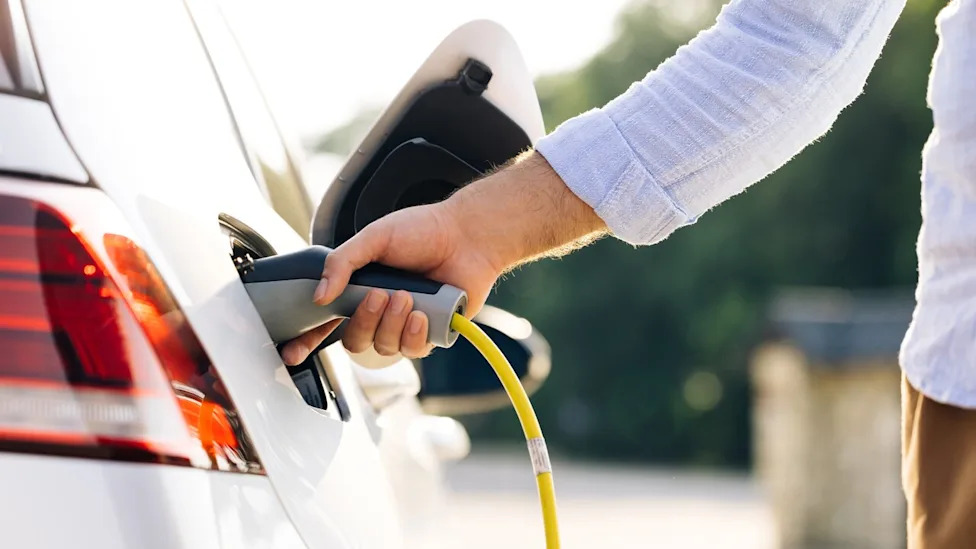
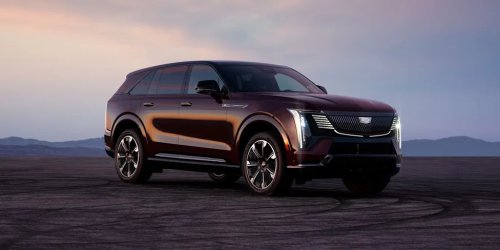
File photo for illustration purposes. Image Credit: Man charging EV by mpohodzhay/Shutterstock.Discussions around electric vehicles often lead to topics of whether there would be an excessive load on the electricity grid if every home had an EV.That is because EVs consume a lot of electricity, and charging them every day could add a significant load on the grid.While options are being explored to reduce the load on the grid so the power outages don't affect other areas of life, General Motors has gone a step ahead as it plans to sell power back to the grid through customer EVs.AdvertisementAdvertisementThe concept is in its pilot stage at the moment, but if this idea does play out, GM could very well become an energy supplier that also benefits its customers.The idea is simple, customers could supply excess electricity back to the grid for a price, while GM takes a cut from it.While it sounds like a great idea, it can only profit GM vehicle owners if they pay a lower price to charge their vehicle than the price they receive for supplying power.How Does GM Plan to Do This?Image Credit: Jonathan Weiss at Shutterstock.According to a report by Reuters, GM will release a software update that allows its select U.S. EV customers to send power back to the grid. It is not known at the moment which GM car models will be enabled with this feature.AdvertisementAdvertisementThe software update will activate the vehicle-to-home energy system, allowing GM EV owners to use their vehicles as a backup generator during blackouts.While selling electricity back to the grid sounds appealing, it remains to be seen how many owners find this feature useful, since they would need the charge in their vehicles to travel.A GM spokesperson told the outlet that it has thousands of vehicle-to-home users but did not reveal the exact number. To run this service, GM will need utility support. It is reportedly in talks with 10 utilities as the project is in a pilot phase, according to GM Energy Chief Revenue Officer Aseem Kapur.Kapur confirmed that the commercial rollout of the technology will mostly happen in the next few months, starting with California and Texas. In Michigan, GM is partnering with utility DTE Energy for the pilot project. The American automaker has assigned 30 of its employees to this pilot.GM and Ford to Enter the Energy Business?However, utilities are approaching this initiative with caution because they are unsure how many users would actually make use of this technology and how frequently. In addition, given that the technology is new, there is a layer of uncertainty due to the investment needed.AdvertisementAdvertisementReuters added that not only GM but also Ford is keen on expanding its scope of business from being an automaker to becoming an energy supplier, following in Tesla's footsteps.Tesla allows its customers to power their homes using their cars through bidirectional charging, although this feature requires third-party hardware.Certain Tesla models, like the Cybertruck, are equipped with bidirectional charging. As a result of the brand's collaboration with utility companies, owners can send stored energy from their truck battery back to the home or grid to earn credits during peak energy demand.Ford also rolled out a similar pilot with the Ford F-150 Lightning pickup truck, where drivers get paid when they run their homes using their pickup trucks. According to Canary Media, the program was implemented in 2024 in Baltimore.AdvertisementAdvertisementBaltimore Gas and Electric (BGE) collaborated with Ford and solar company Sunrun to launch a pilot program where participating EVs automatically power homes during peak-demand hours from 5 p.m. to 9 p.m. on summer weekdays before recharging overnight when electricity demand is lower.