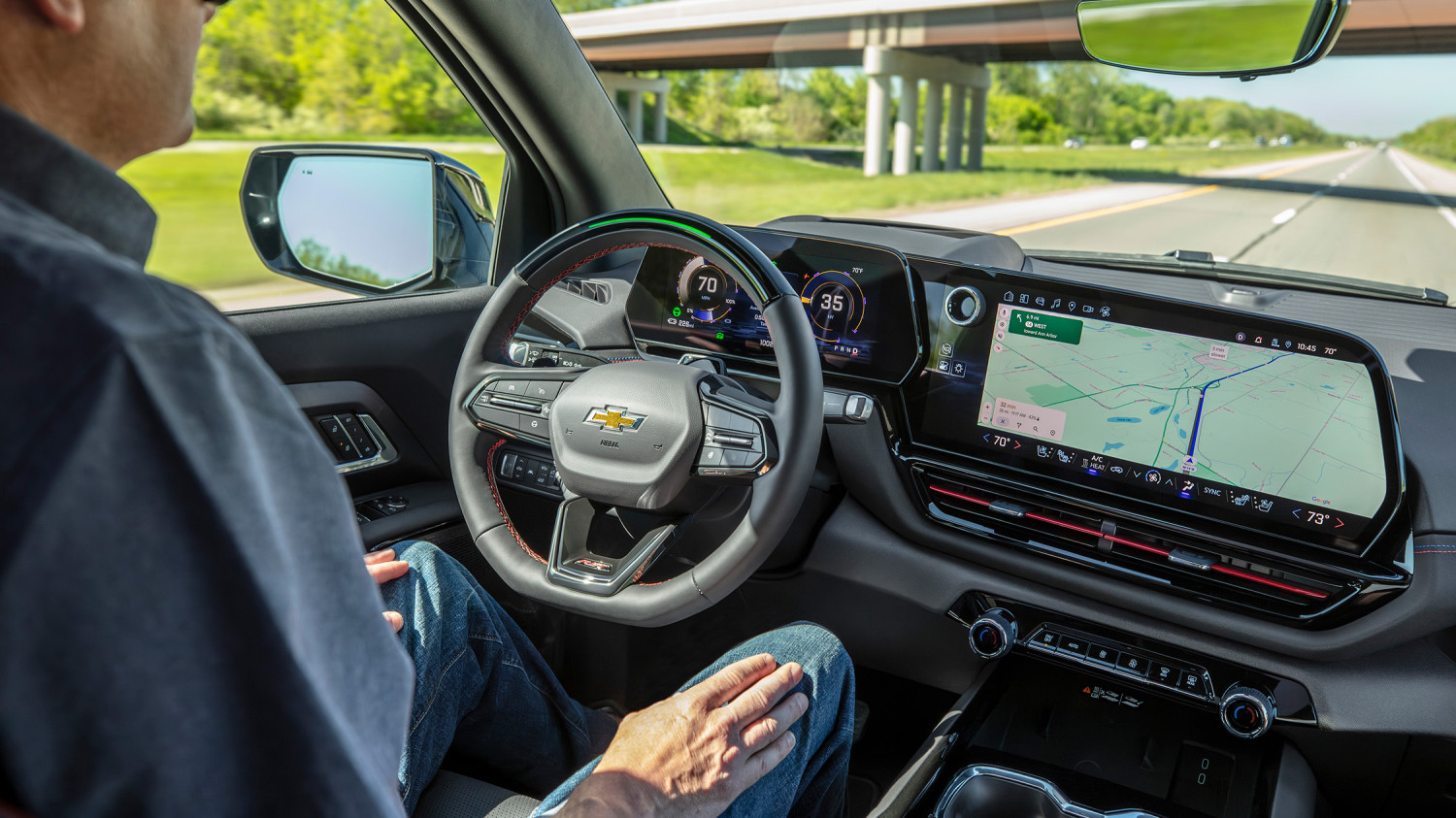
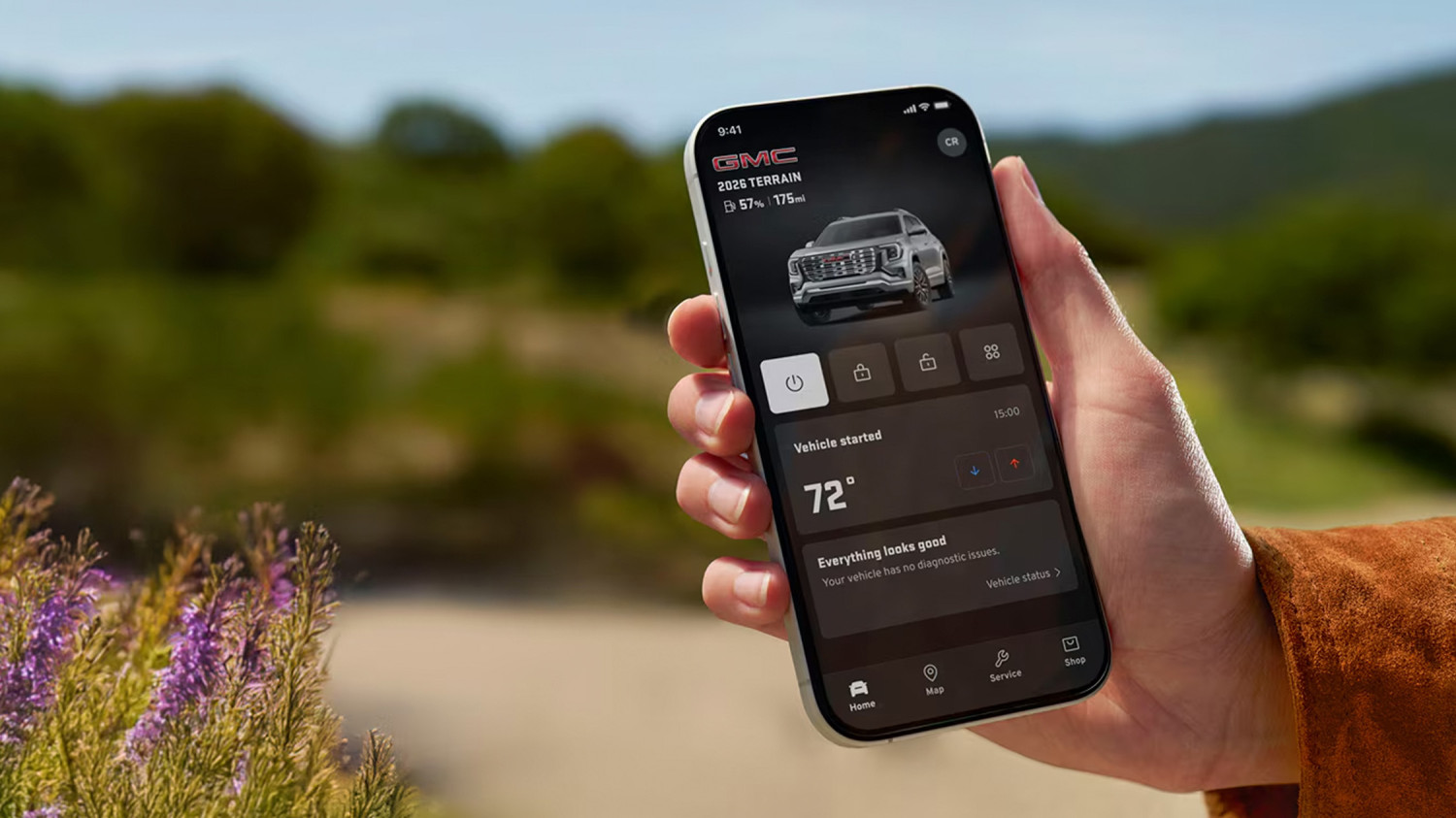



















GM software services generate margins traditional vehicle sales can’t approach. Drivers are signing up for tech like Super Cruise after complementary periods expire. Automakers are increasingly chasing recurring revenue instead of one-time wins. For more than a century, automakers have relied on a simple business model. Build a car, sell a car, then hope the owner comes back years later for another one. But GM discovered a few years ago that there’s a much more lucrative option hiding in plain sight. Charge customers every month instead. The numbers are eye-opening. According to GM, its software and services business keeps roughly 70 percent of every dollar it generates, Business Insider reports. Compare that with the razor-thin margins often associated with vehicle sales, where manufacturers can sometimes hold onto just 4-10 cents from each revenue dollar, and it’s easy to see why executives are excited. More: BMW Charges Monthly Fee For Pre-Installed Adaptive Suspension, But Don’t Call It A Subscription Much of that growth comes from familiar names. OnStar, once known primarily as the emergency button you only pressed when you totalled your parents’ car and needed help getting out of the upturned wreck, has evolved into a substantial business. The connected-services platform generated around $800 million during the second quarter and continues adding customers at a healthy pace. Super Cruise, GM’s hands-free driving technology, is another big cash generator, with many owners choosing to stick around once the complimentary period ends. That’s the dream scenario for any subscription business. Convincing people to use free tech is one thing. But convincing them to hand over $39.99 every month is where the real magic happens, especially since studies show they hate paying. GM reckons it’ll have 850,000 Super Cruise subscribers by the end of 2026, and close to 13 million OnStar subs. This Is Just The Start CEO Mary Barra sees plenty of room for expansion. As she told investors during the earnings call, “We do think we have tremendous levers, multiple levers of growth,” Business Insider reported. She added that GM sees significant opportunities to improve profitability and reduce its dependence on the industry’s traditional boom-and-bust cycles. The strategy isn’t unique to GM. Tesla recently shifted its Full Self-Driving offering toward a subscription model, while Ford charges recurring fees for BlueCruise. Mercedes, Audi and BMW are also experimenting with software-based upgrades that can be activated after purchase. Also: You Can Opt Out Of Stellantis Pop-Ups, But Not From Inside The Car It’s all made possible because modern vehicles are becoming rolling computers. Once the hardware is in your driveway, automakers can continue selling features, services, connectivity, and convenience tech for years. For car companies, that’s an appealing future. For drivers, it increasingly means the monthly bills don’t stop when the loan payments do. GM