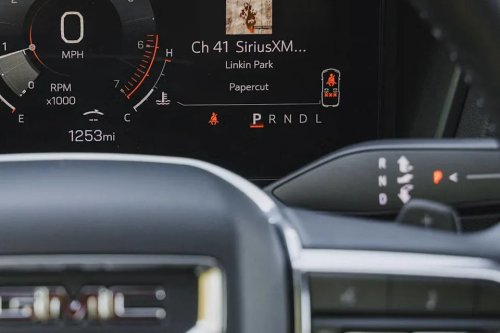
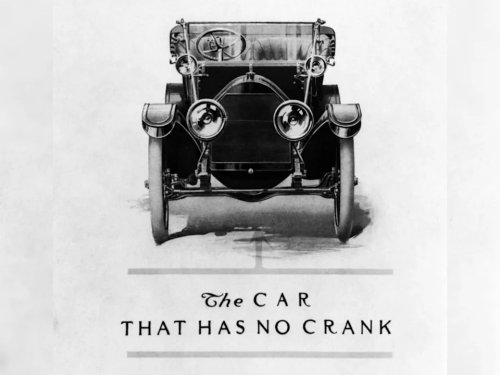
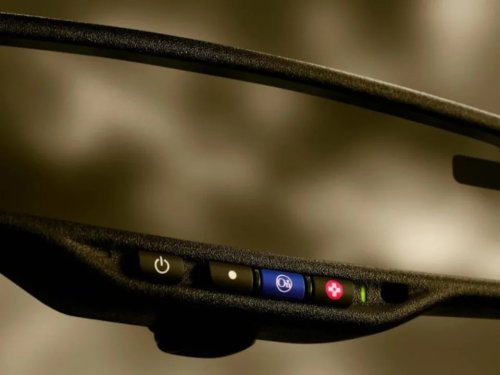
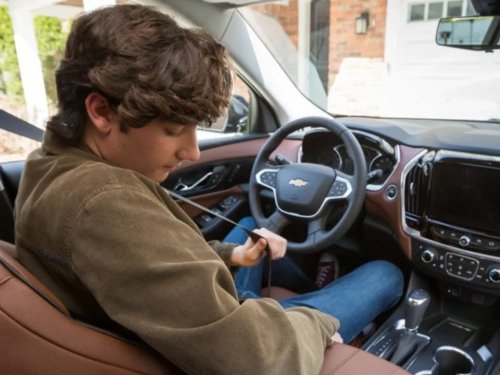
GM Engineers Once Jumped Out of Cars Just Before Crash TestsAutoblogRex SanchezSat, September 19, 2026 at 2:00 PM UTCAdd us on GoogleAutoblog and Yahoo may earn commission from links in this article.A Century of Safer DrivingGeneral Motors may be known for big American vehicles, but the company is also a pioneer in safety. Founded in 1908, GM has introduced several "firsts" in automotive safety, which have helped shape modern cars.As part of GM's Global Safety Week, Regina Carto, Vice President of Global Product Safety, Systems and Certification, recalled the technologies and methods the Michigan-based automaker brought to the car industry through the years. These include some that are already more than a century old, including the electric self-starter.Electric Self-StarterGMView the 3 images of this gallery on the original articleBefore Cars Got SmartGM introduced the electric self-starter on the 1912 Cadillac because starting a car at that time was physically demanding. People had to turn a starting handle, which could also be dangerous. A friend of Cadillac founder Henry Leland is said to have died after being struck by one.AdvertisementAdvertisementIn 1924, the automaker opened what it describes as the world's first automotive test facility, Milford Proving Ground. Nine years later, it introduced crash testing. Early methods were dangerous: engineers drove vehicles toward barriers and jumped out before impact, while rollover tests involved pushing vehicles off ramps and down hills. Eventually, remote controls were developed, and in 1977, the Hybrid III crash-test dummy was introduced. The broader dummy family allows researchers to assess potential injuries to occupants of different sizes.Child Safety SeatsGMView the 3 images of this gallery on the original articleThe U.S. government implemented stricter automotive safety measures in the 1960s, including the Highway Safety Act in 1966. While Volvo pioneered the modern three-point seatbelt in 1959, GM introduced its Child Love Seat in 1967. Its child-seat offerings included a front-facing booster for older children and a rear-facing model for infants. In the same year, the automaker also created an energy-absorbing steering column, which, in the event of a crash, could retract up to 8.25 inches away from the driver.A few years later, the company introduced what it describes as the first automotive airbag system put into production, called the Air Cushion Restraint System, debuting on a limited-series 1973 Chevrolet Impalas. It consisted of two airbags, one for the driver mounted in the steering wheel and another for passengers mounted under the dashboard.AdvertisementAdvertisementFast forward to 1996, GM helped pioneer the modern connected car with OnStar, which debuted on 1997 Cadillac models. In the early days, the system would connect vehicles to a live OnStar Advisor in the event of an airbag deployment. Today, the system offers more advanced functions like remote vehicle diagnostics and even in-vehicle Wi-Fi hotspots. An eligible service plan also supports Super Cruise hands-free driver assistance, which surpassed one billion customer-driven miles earlier this year.This century, the automaker introduced the following safety innovations: a front-center airbag announced in 2011 to help prevent drivers and front passengers from colliding with each other; Rear Seat Reminder in 2016 to prompt drivers to check the back seats to prevent issues like leaving children in hot vehicles; and Buckle to Drive in 2019, which can prevent the driver from shifting out of Park for up to 20 seconds when a required front seatbelt is unbuckled.OnStarGMView the 2 images of this gallery on the original articleThe Next Chapter of GM SafetyOne of the more recent developments was making five active safety features standard on most GM vehicles for the 2023 model year: automatic emergency braking, forward collision alert, front pedestrian braking, lane keep assist with lane departure warning, and IntelliBeam automatic high-beam control.AdvertisementAdvertisementLike several other automakers, GM aims to achieve a future of zero crashes. Honda is targeting zero traffic-collision fatalities involving its automobiles and motorcycles worldwide by 2050. Their approaches include improvements in driver-assistance and automated-driving technologies. These systems still face roadblocks, including high costs, weak demand, and limited operating conditions, but, as seen throughout GM's history, brands will continue building on existing automotive safety innovations to further advance road safety.Buckle to DriveGMView the 2 images of this gallery on the original articleThis story was originally published by Autoblog on Sep 19, 2026, where it first appeared in the News section. Add Autoblog as a Preferred Source by clicking here.




















 +29 others