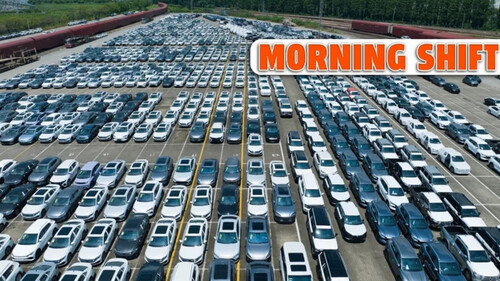
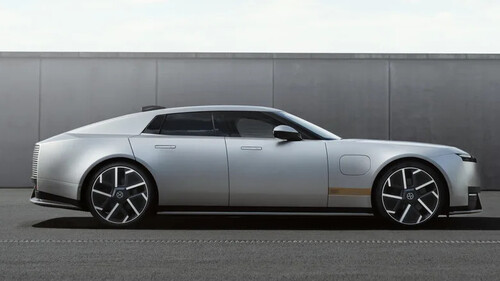
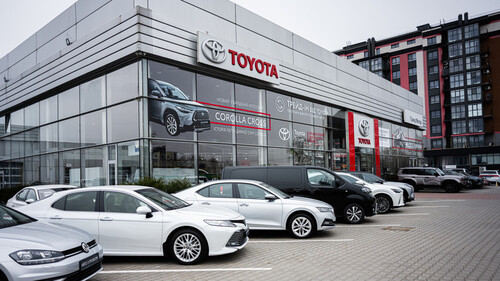
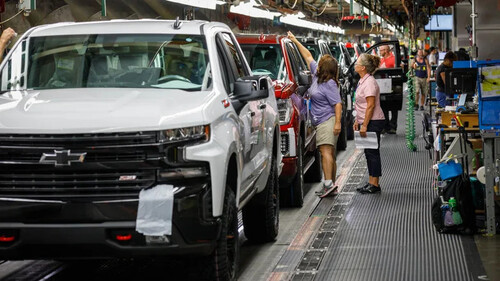
Nathan Turner · 3 months ago@nathanturner47GM Now Expects New Car Prices To Rise This Year, And The AI Boom Is Part Of Why Liked by+31 othersBYDPost commentRelated PostsBYD launches Atto 8 in Europe as seven-seat range-topperLiam Anderson · 12 days agoGM China sales top 358,000 in third quarter as NEV share exceeds 60%Camille Tremblay · 15 days agoAugust 2026 Off-Road/High-End/Shooting-Brake Sales Rankings: Tesla Model Y Leads, Fangchengbao Titan 7 Stands Out | Gasgoo Auto Research InstituteAva Turner · 12 days agoThe Coolest Tech Inside GMC's 2027 Sierra 1500Alexander Anderson · 15 days agoBYD Atto 8 becomes the brand’s first car with flash charging in EuropeNoah Rogers · 12 days agoWhen Did The Pontiac GTO Become Just A Rebadged Holden MonaroEmily Bouchard · 15 days agoGiant new BYD Atto 8 is an all-electric 7-seater aiming to crush the Kia EV9Matthew Moreau · 12 days ago2027 Chevy Traverse Gets a Lease-Focused LT With Fewer OptionsSophie Rogers · 15 days agoBYD Dolphin Surf gets range of updates, including a big new screenSamuel Roy · 12 days ago5 Cars You Might Not Expect To Have TurbochargersCharlotte Mitchell · 15 days agoNew BYD Shark pick-up to go Ford Ranger hunting in the UK very soonCharlotte Harris · 12 days ago2027 Chevrolet Equinox Gets New Features and a Price BumpAmélie Anderson · 15 days agoChina's September passenger vehicle market: Retail sales slump, exports cushion wholesale declineMia Fortin · 12 days agoWhy the Cadillac Allanté Failed, and Why It Deserves a Second LookLeo Bouchard · 15 days agoAugust 2026 Passenger-Vehicle Domestic-Brand Sales Ranking: BYD Holds a Commanding Lead with 368,323 Units | Gasgoo Research InstituteAiden Leblanc · 12 days agoSAIC-GM-Wuling's Global Sales Top 1.058 Million Units in First Nine MonthsHannah Wilson · 15 days agoBYD Commercial Vehicle Sales Up 113% in SeptemberAudrey Côté · 13 days agoGM Confirms Hybrids Coming: 'We're Not Tone Deaf'Lauren Wright · 16 days agoBYD’s Sales Outside of China Rise 154% in SeptemberNathan Wilson · 13 days agoA Front-Engined, Twin-Turbo V8 Porsche 911 Sounds Like Sacrilege But Actually WorksLauren Clark · 16 days ago




 +31 others