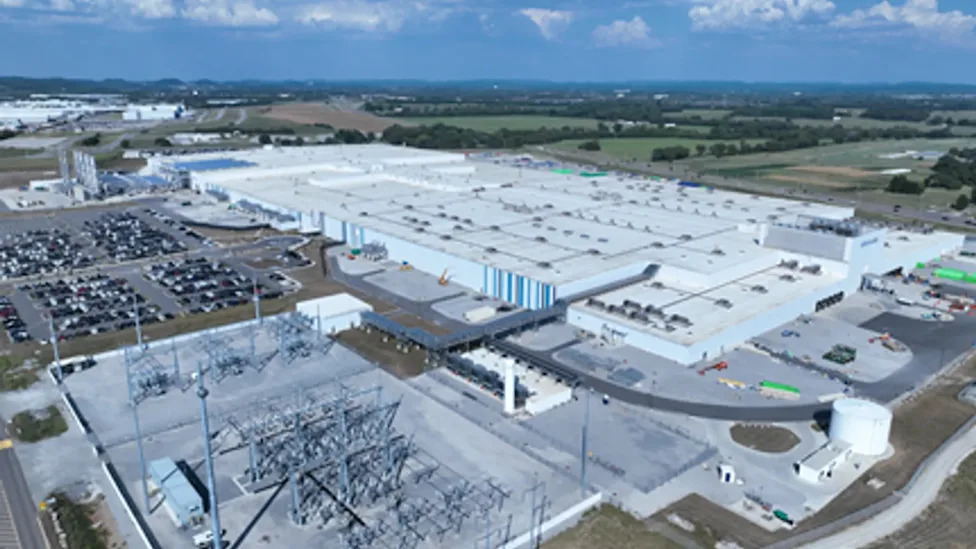
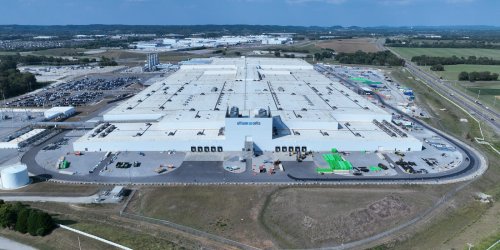
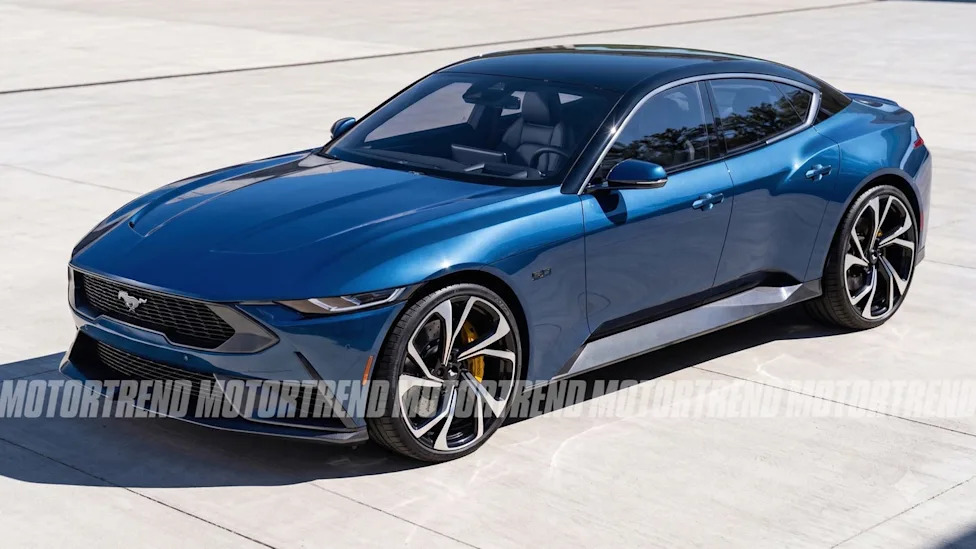
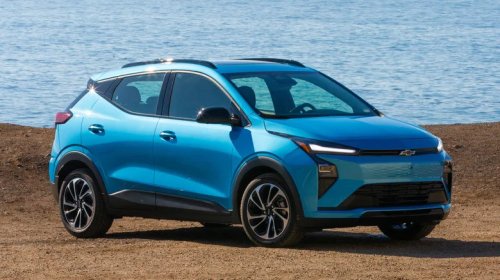
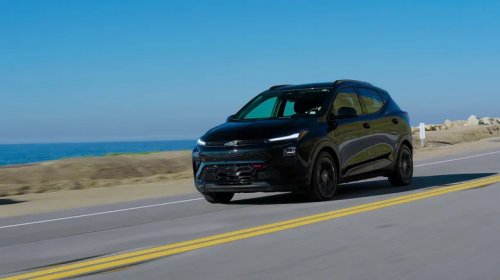
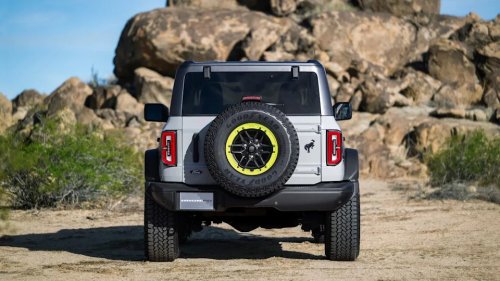
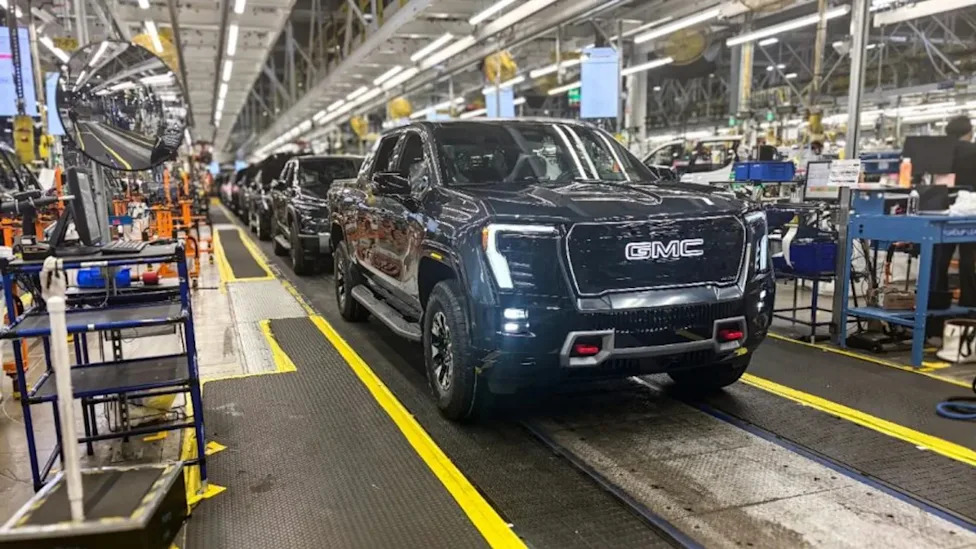
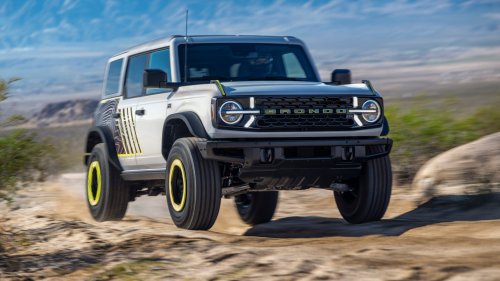
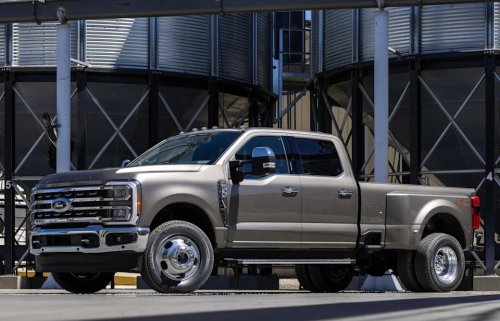
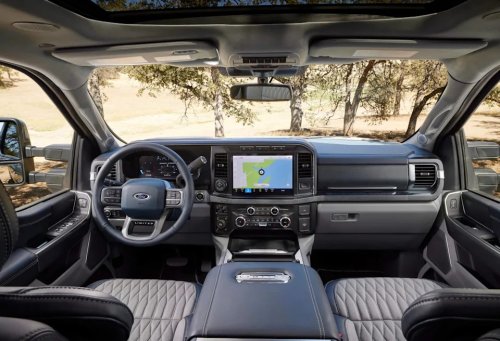
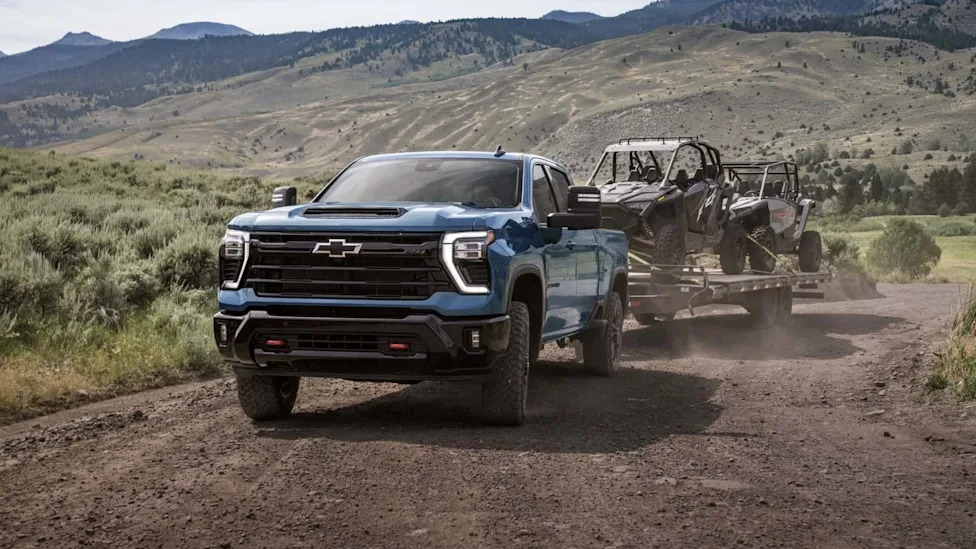
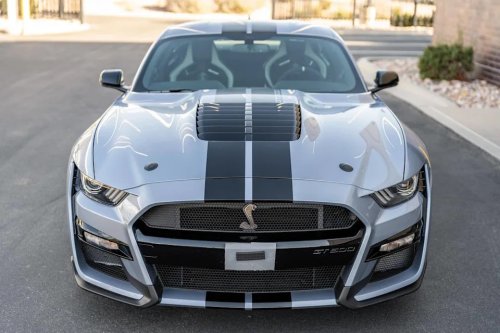
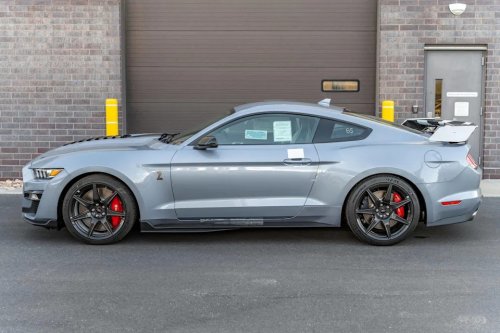
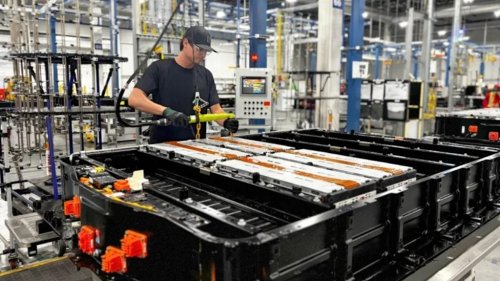
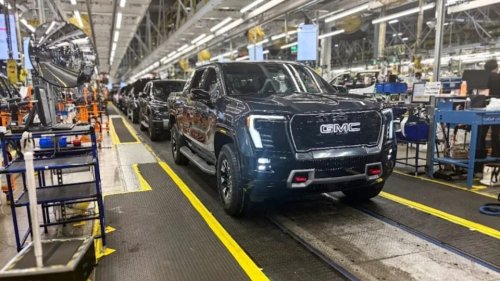
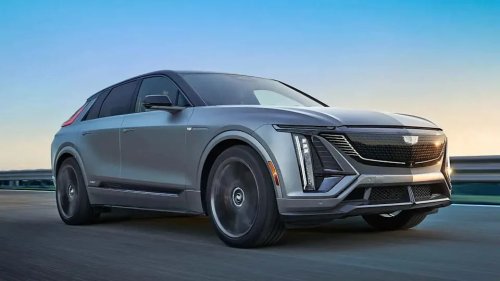
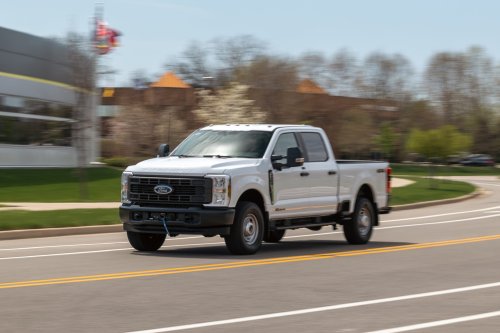
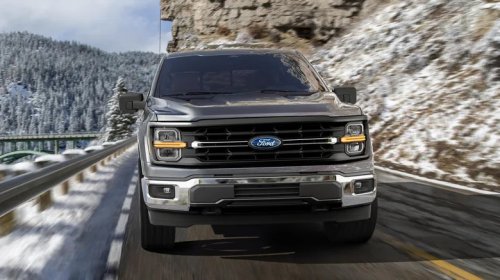
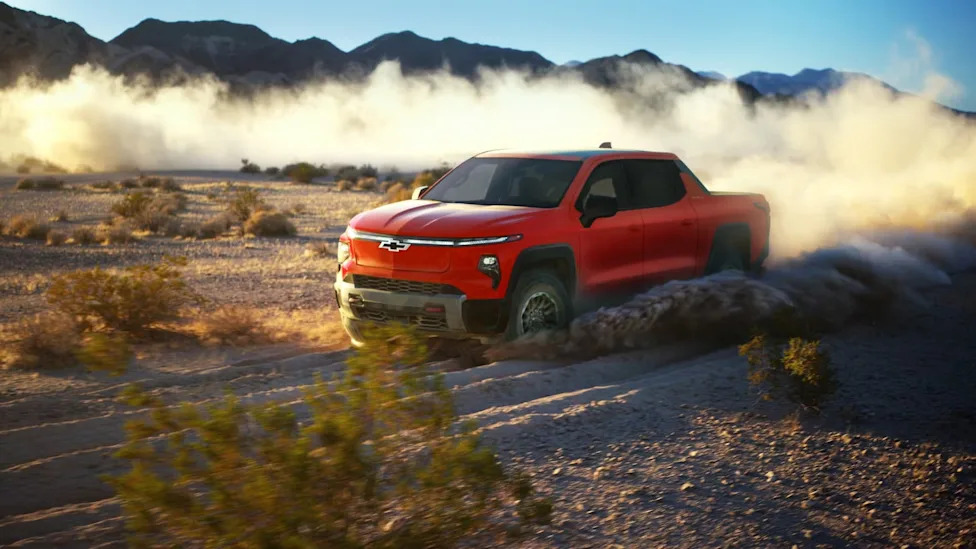
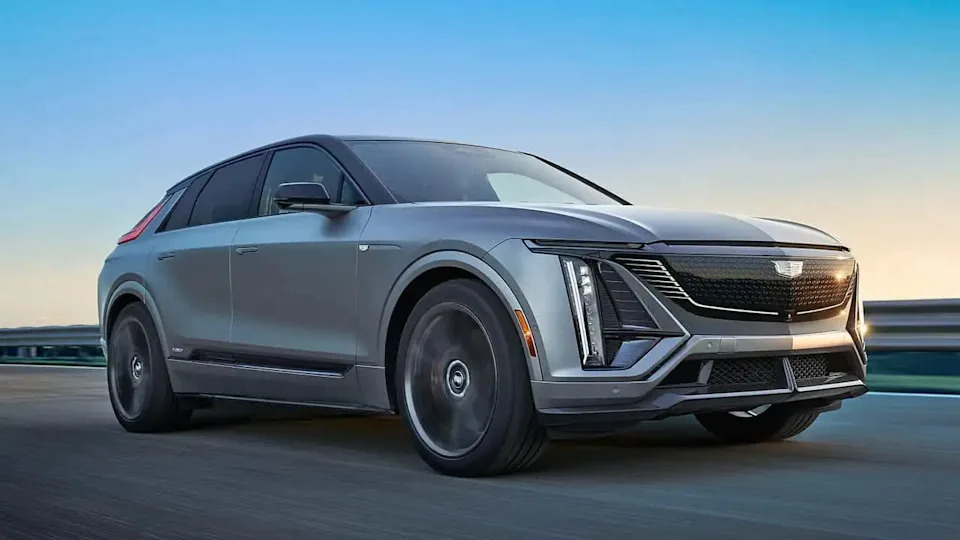
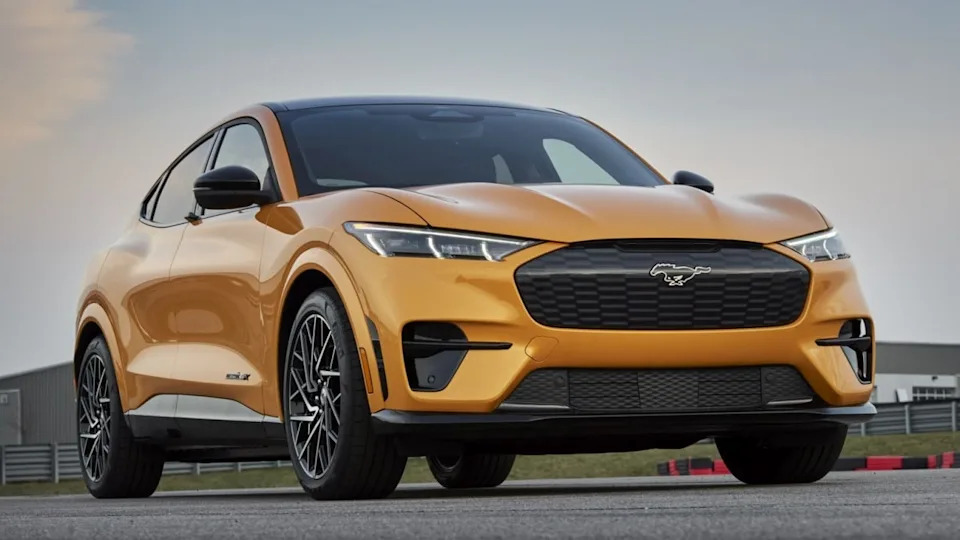
Trump Slammed Ford, Now GM Says Next-Gen Batteries Will Be Made In The U.S.Guessing HeadlightsAndre NalinWed, September 16, 2026 at 6:00 PM UTCAdd us on GoogleImage Credit: Chevrolet.China has built an enormous lead in battery manufacturing, leaving American automakers dependent on supply chains that stretch far beyond U.S. borders. Replicating that ecosystem domestically won't happen overnight, so General Motors is looking at another option: developing different battery technology around materials America can source closer to home.The strategy extends beyond electric cars, as GM is also pushing deeper into stationary energy storage, where enormous battery systems can support homes, businesses, utilities, and increasingly power-hungry data centers.According to CNBC, GM battery and sustainability chief Kurt Kelty says the company is developing its next generation of batteries with the goal of having a domestic supply chain ready when they reach the market. GM has also confirmed that it intends to prioritize U.S. production for future EV battery cells.AdvertisementAdvertisementThose comments have taken on additional significance after the Trump administration publicly criticized Ford over its relationships with Chinese companies. One particular point of contention is Ford's licensing agreement with Chinese battery giant CATL.GM Wants A Domestic Battery Supply ChainImage Credit: Cadillac."We're developing a supply chain such that, two years from now, three years from now, it will be domestic," Kelty told CNBC. His comments were primarily referring to batteries for energy storage systems, although GM says domestic production is also a priority for future EV cells.GM is investing heavily in the technology needed to make that happen. CNBC reports that the automaker is spending $900 million on new battery laboratories at its technical campus in Warren, Michigan, including a facility spanning more than 500,000 square feet for prototyping cell manufacturing.The challenge is enormous, as China currently dominates much of the global processing and manufacturing behind today's lithium-ion batteries, making it difficult for U.S. manufacturers to simply recreate an equivalent supply chain.AdvertisementAdvertisementKelty thinks GM may have a better chance by trying to "leapfrog" existing Chinese battery technology rather than copying it.Sodium-Ion Could Reduce Dependence On ChinaOne part of that strategy is sodium-ion chemistry. GM is working with Denver-based Peak Energy to develop next-generation sodium-ion cells primarily intended for grid-scale stationary storage, with commercial production targeted around 2029.Unlike conventional lithium-ion batteries, sodium-ion technology can make use of sodium derived from abundant resources such as soda ash. GM says the chemistry could also operate across a wider temperature range and potentially eliminate active cooling from certain stationary storage installations, reducing cost and complexity.Sodium-ion isn't necessarily replacing the batteries in GM's EVs anytime soon. The company is developing multiple chemistries for different jobs, including LMR technology for electric vehicles and sodium-ion cells for stationary storage.Ford Is Taking A Different ApproachImage Credit: FordThe timing puts GM's strategy in contrast with Ford's approach. Transportation Secretary Sean Duffy recently criticized Ford for its use of licensed technology from CATL at BlueOval Battery Park Michigan, arguing that the automaker should reduce its reliance on Chinese technology.AdvertisementAdvertisementFord's Michigan facility is designed to manufacture LFP battery cells in the U.S. using technology licensed from CATL. GM, meanwhile, already produces LFP cells domestically with LG Energy Solution and is pursuing additional chemistries it hopes can rely increasingly on American resources.Kelty described Ford as "following a different path," while arguing that developing technology and supply chains domestically offers greater value.GM's plan won't remove Chinese materials from its batteries immediately, and building an independent U.S. supply chain could take years. The company is betting that the better long-term answer isn't simply catching China at the battery technologies it already dominates, but developing alternatives that America can manufacture largely on its own.If you want more stories like this, follow Guessing Headlights on Yahoo so you don't miss what's coming next.



















 +56 others