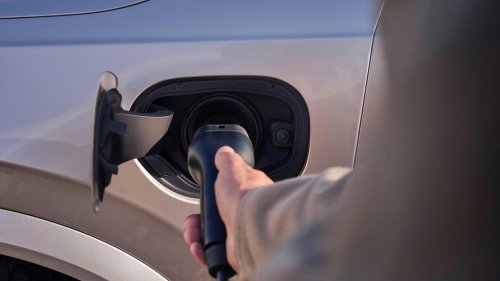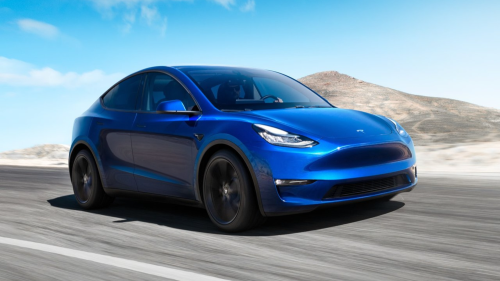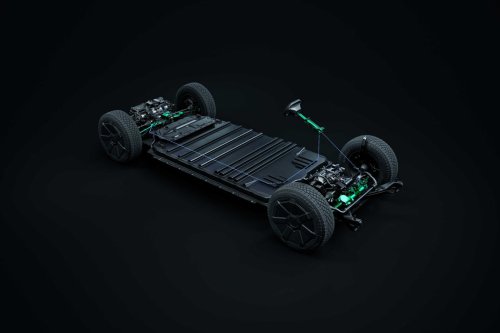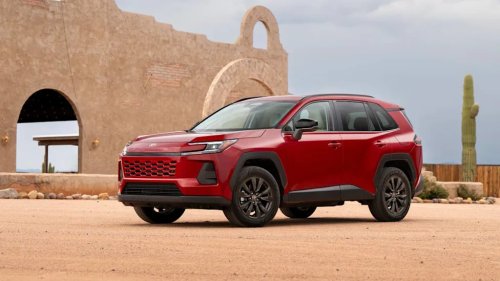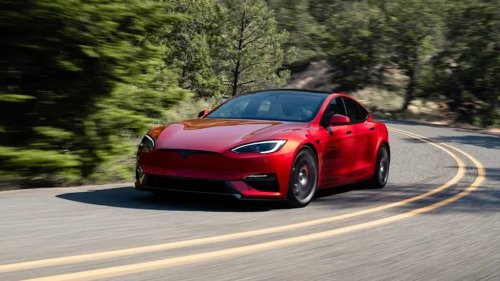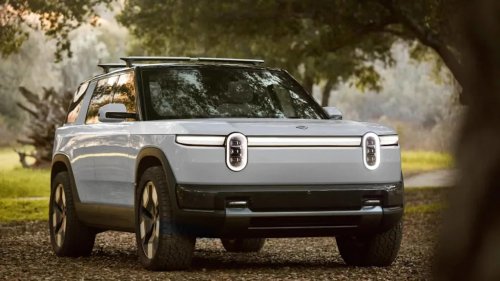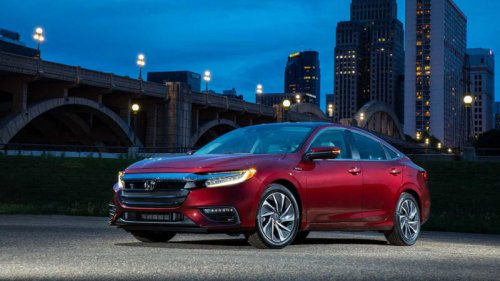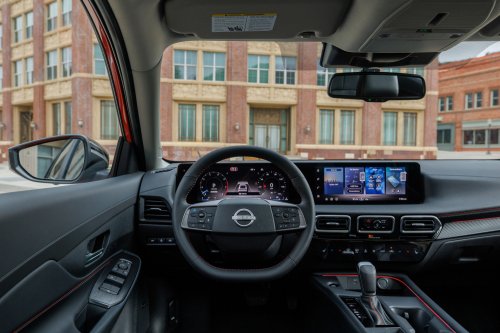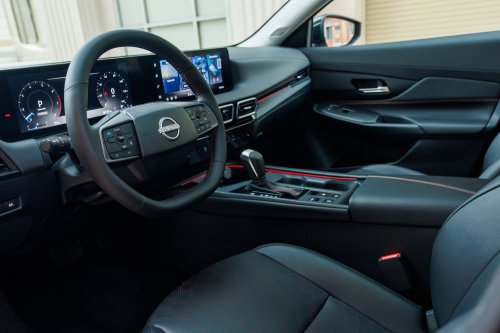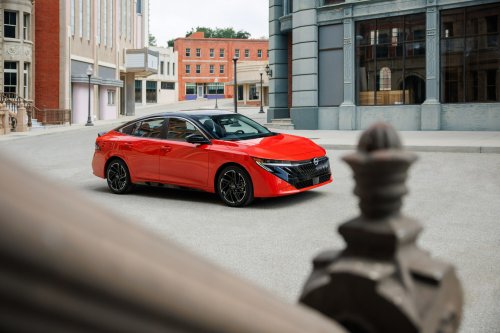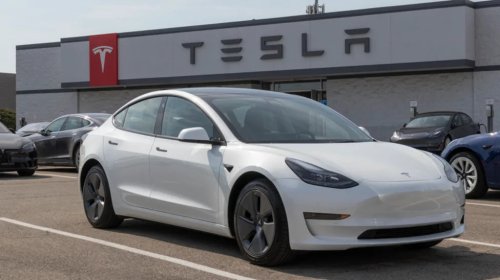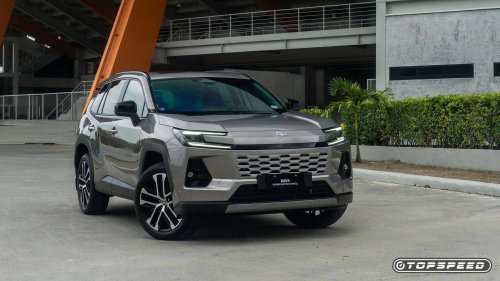
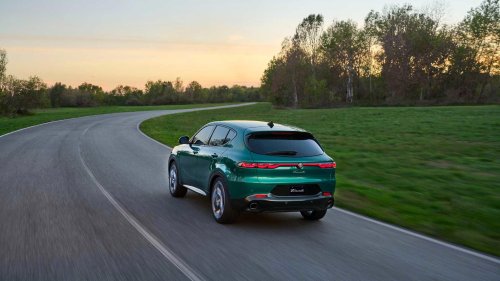
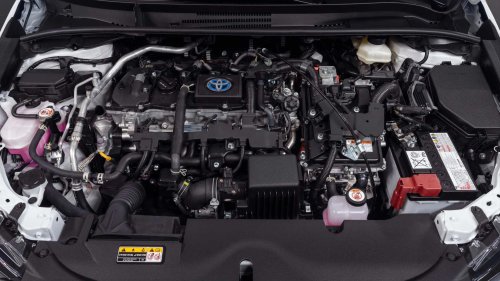
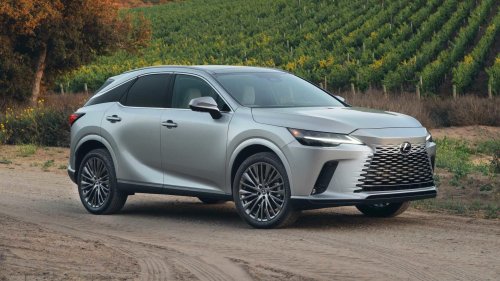
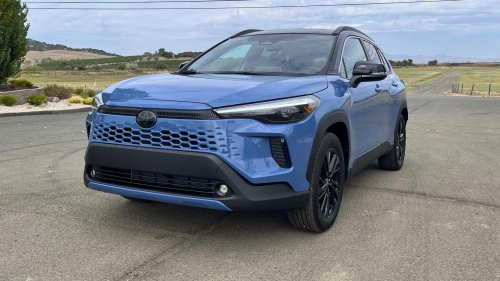
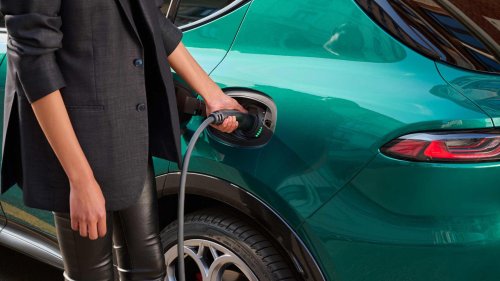
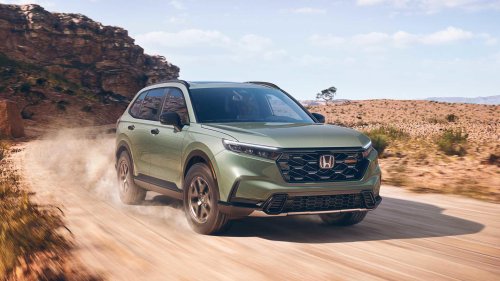



















Jump LinksThe Shift To Range-anxiety-free Driving10-year Trust & The Perceived RisksQuick Turnaround: The Selling Of Hybrid VehiclesHEV: Hybrid Electric VehiclePHEV: Like A Hybrid, But Runs On ElectricityIf we trusted and believed the answers provided by the Magic 8 Ball all those years ago, the American automotive market would be fully electrified by now. But walk through a used car lot in 2026, and the vehicles on the floor tell a vastly different story. Buyers aren't scrambling for deeply depreciated EVs; they are hunting for the financial safety net of a dual-powertrain setup that something like the Toyota Corolla Cross Hybrid offers.And if you are asking, "What is the resale value of hybrid cars?", the short answer is that they have quietly become the safest investment in the current automotive market, and the resale value of hybrid cars has become remarkably resilient against shifting industry trends.This article draws its conclusion from authoritative sources, which are listed at the end. Resale Value Of Hybrid, ICE, And Electric Vehicles Toyota To understand what is happening in the 2026 market, we must look at the five-year depreciation curve of the different powertrain options available today. The baseline for automotive asset retention has historically been anchored by the internal combustion engine (ICE). The average five-year depreciation rate across all standard gas-powered vehicles hovers around the 45% mark, which makes this powertrain a predictable, known quantity. However, the extremes on either side of that baseline tell a different story. On the losing end, pure electric vehicles (EVs) are currently experiencing a major, historic collapse in asset value. Market data in 2026 indicates that the average five-year-old EV has lost roughly 57% to 60% of its original value! In other words, an EV buyer from five years ago is holding an asset worth only about 40% of its sticker price.Interestingly, the top tier of this hierarchy is dominated by hybrids. If you bought a hybrid half a decade ago, market data will show it retains approximately 65% of its original value - equating to a mere 35% depreciation hit. This makes the hybrid resale value superior to almost any other vehicle type on the road today, barring select heavy-duty pickup trucks.This drastic stat - where a hybrid outperforms standard ICE models, while EVs plunge into the abyss - was not forecast by early industry adoption models. Instead, automakers aggressively pushed pure electrification (remember those days?!), expecting early EV residuals to stabilize as the technology matured. Now, early adopters are bearing the brunt of massive depreciation, while conservative buyers who focused their bets on hybrid powertrains are reaping the rewards of an incredibly strong secondary market. The numbers do not lie: hybrids are running circles around depreciation curves.Depreciation over a standard five-year ownership cycle:The Baseline (ICE): Standard gas-powered vehicles depreciate by roughly 45%. The Bottom (EVs): Pure electric vehicles lose an average of 57–60% of their original value. The Peak (Hybrids): Hybrids dominate asset retention, suffering only a 35% depreciation hit on average. Hybrid Resale Value vs ICE & EVs Porsche When we run a direct comparison of asset retention, the financial gap between hybrids, traditional ICE models, and EVs becomes glaringly obvious. So, let’s evaluate hybrid car resale value. Take the midsize crossover segment as a prime indicator. According to 2025 and 2026 market data, a five-year-old Toyota RAV4 Hybrid retains an astonishing 60% to 65% of its initial purchase price. A comparable electric vehicle from the same era - like the Ford Mustang Mach-E or the Hyundai Ioniq 5 - holds onto barely 40% to 42% of its original value. The standard ICE variant of the RAV4 performs adequately, retaining about 55% of its value, but it still falls noticeably short of its hybrid sibling.This disparity only widens as the vehicles age. At the seven-year mark, a Honda Accord Hybrid maintains just over half of its original value. Compare that to an early Tesla Model 3, which hits seven years of age with under 36% of its original value remaining. The market is not kind to older EVs due to battery degradation concerns and rapid technological obsolescence, all while actively rewarding older hybrids for their proven mechanical durability. Compounding these facts, average pricing trends highlight a clear divergence in consumer willingness to pay. Over the past 12 to 18 months, late-model used EV prices plunged by roughly 15% year-over-year, forcing them into price parity with - or sometimes even undercutting - equivalent gas cars just to stimulate sales. During that exact same period, used hybrid prices saw a negligible drop of under 1.5%.Hybrids are defying the standard laws of automotive depreciation. They are not suffering from the aggressive discounting required to move stagnant EV inventory, nor are they subject to the slow, inevitable creep of ICE depreciation. In the head-to-head financial battle, the hybrid provides the lowest total cost of ownership, and it protects the owner on the front end with immediate fuel savings. It also drastically outperforms both ICE and EV competitors on the back end when it comes time to trade in or sell. Why Are Hybrids In More Demand? The Shift To Range-anxiety-free Driving Stellantis North America Mainstream buyers are very pragmatic and in-the-know when it comes to what the market offers. Because of this, they prioritize functional convenience over ideological statements that brands try to hook quick-to-jump buyers with. The primary driver of hybrid demand is the realization that America's public charging infrastructure - though good and in some cases ahead of many global markets - remains vastly inadequate, unpredictable, and frustratingly slow for the average road trip.A hybrid demands absolutely zero behavioral changes from the driver. You fill it up at the same gas stations you have used for decades, it takes five minutes, and you immediately benefit from reduced fuel consumption in stop-and-go city traffic. Buyers want the financial perks of electrification without the logistical nightmare of working around broken public chargers or installing a Level 2 home charging station. Hybrids deliver this "best of both worlds" compromise perfectly. 10-year Trust & The Perceived Risks Toyota Consumer psychology plays a massive role in asset valuation. When a buyer looks at a 5-to-10-year-old EV, their immediate concern is battery failure and the high replacement costs that accompany it. That fear single-handedly tanks an EV’s resale value. Conversely, buyers look at a decade-old hybrid powertrain with immense trust. This is because brands like Toyota and Honda have spent 25 years normalizing hybrid technology, and trying to prove - with success - that these dual-powertrain systems are highly durable and mechanically sound.Because the hybrid battery pack is significantly smaller and primarily manages low-speed assistance rather than primary propulsion, the perceived financial risk of a hybrid is essentially identical to that of a standard combustion engine vehicle. Buyers are confident they can own, operate, and maintain an aging hybrid without facing financial ruin. Quick Turnaround: The Selling Of Hybrid Vehicles Lexus It’s actually quite staggering and shocking the velocity at which hybrids are moving off dealership lots. While the overall automotive market has cooled since the post-pandemic supply shortages, hybrids remain a major exception. According to market analysis, the average used hybrid takes approximately 46 days to sell, outpacing the broader used car market average of 49 days. By contrast, the average used EV languishes on the lot for roughly 52 to 57 days (almost two months!), forcing dealers to slash prices to move stagnant assets. According to Used Car News, the Lexus RX 350h averaged 28 days on the used car lot before being sold in Q1 2026!The new car market reflects this exact same demand curve. Highly sought-after new hybrids, such as the RX 350h or Toyota Sienna, are frequently pre-sold before they even hit the transporter en route to the dealership. This rapid turnaround time means that dealers are desperate for used hybrid inventory, which directly inflates trade-in values and ultimately protects the consumer from the standard depreciation hit experienced by ICE and EV owners. The Hybrid Drivetrain Nuances HEV: Hybrid Electric Vehicle 2026 Toyota Corolla Cross Hybrid XSEFull Hybrids, or HEVs (Hybrid Electric Vehicles), are the undisputed kings of automotive asset retention. These closed-loop systems - which charge their own small batteries entirely through regenerative braking and the gas engine - require no external charging infrastructure. So, because they are mechanically straightforward and boast decades of proven reliability data from manufacturers like Toyota and Honda, HEVs hold their value remarkably well. They offer the combination of lower emissions, impressive fuel economy, and effortless ownership that the secondary market actively seeks out. PHEV: Like A Hybrid, But Runs On Electricity Stellantis North AmericaPlug-in Hybrid Electric Vehicles (PHEVs) present a much more complex depreciation profile. Unlike standard HEVs, PHEVs feature larger battery packs that can be charged via a wall outlet, offering 20 to 50 miles of pure electric driving before the combustion engine engages.While highly efficient, PHEVs face steeper depreciation curves that often mirror the rapid tech-turnover issues of pure EVs. Because battery technology is advancing at a rapid pace, a 3-year-old PHEV with 25 miles of electric range suddenly looks obsolete when the newest generation offers 50 miles. Out-of-warranty PHEVs also carry a higher perceived risk due to the complexity of integrating a large battery pack with a traditional internal combustion engine. While PHEVs depreciate more slowly than full EVs, they do not retain their value as well as standard HEVs. Conclusion: So, Why Hybrids Are Good? HondaReading and understanding the data dictates that the hybrid is not merely a "stepping stone" technology; it is the ideal destination for the smart American car buyer. Until public EV charging infrastructure matches the sheer ubiquity, reliability, and speed of the standard gas station, mainstream consumers will continue to reject pure electrification in favor of dual-powertrain safety. Hybrids offer a tangible, real-world reduction in operating costs without the crippling depreciation penalties associated with early EV adoption.