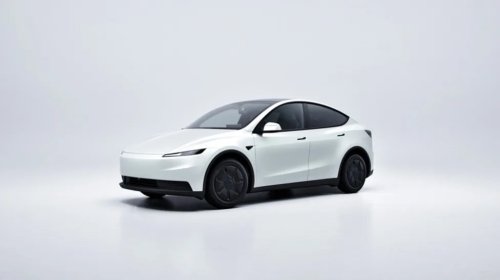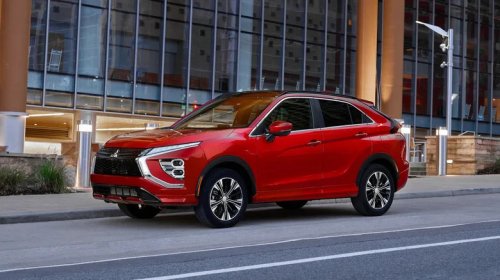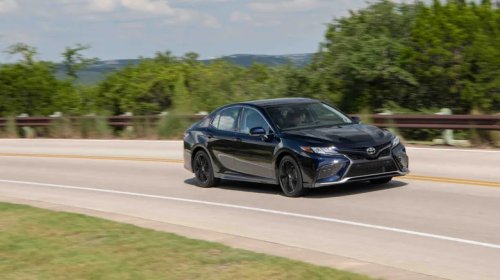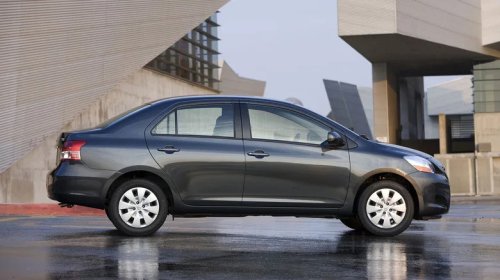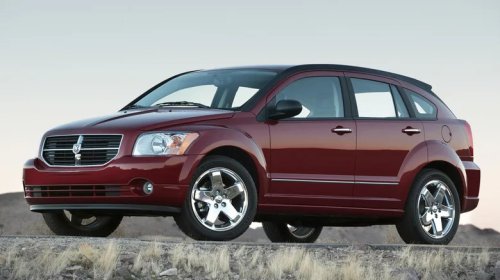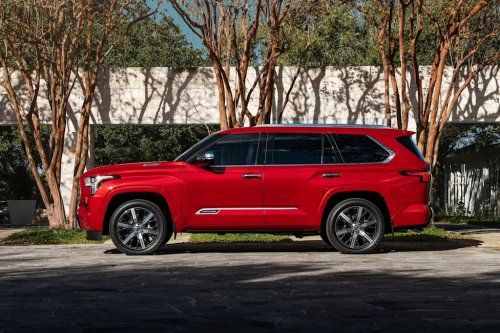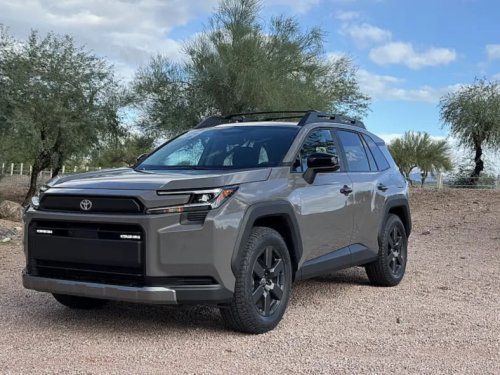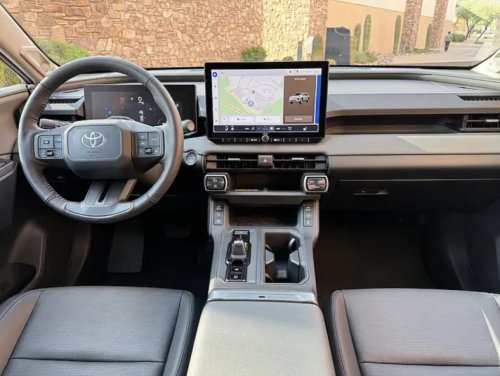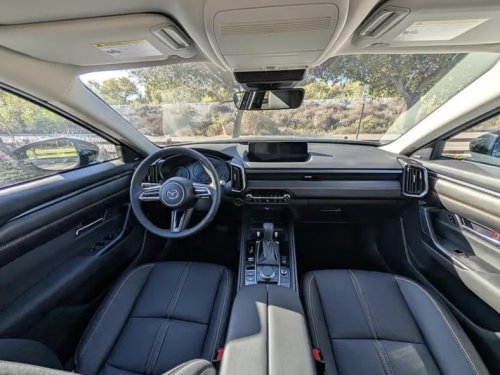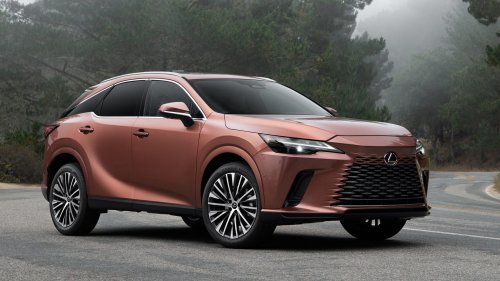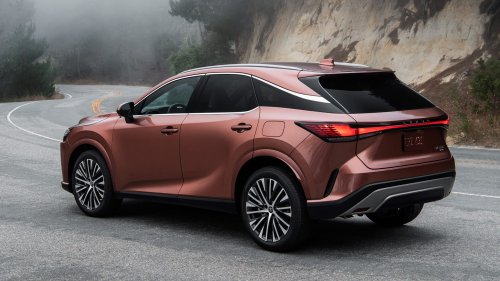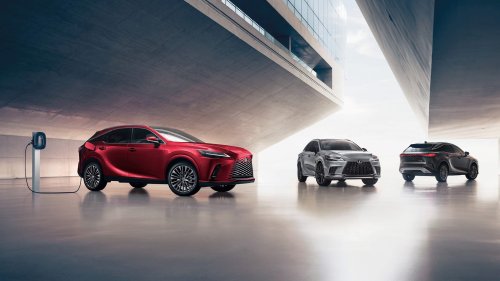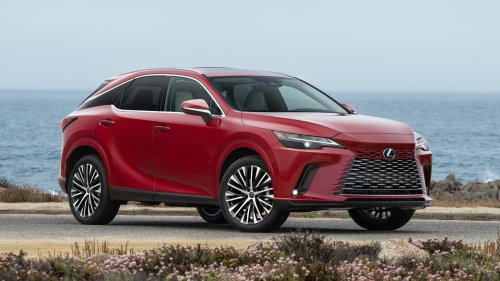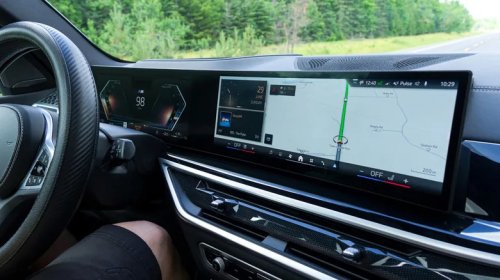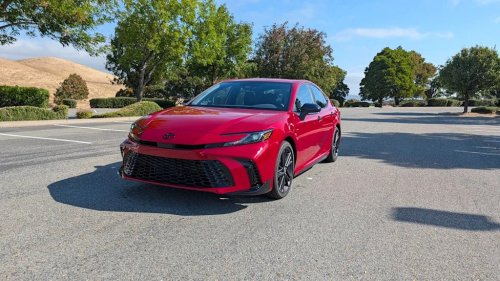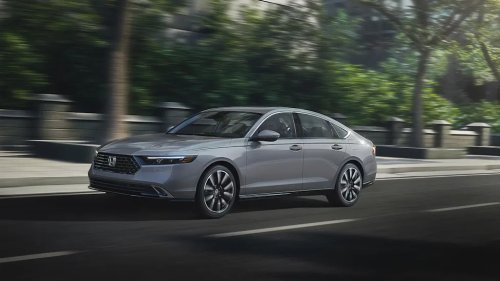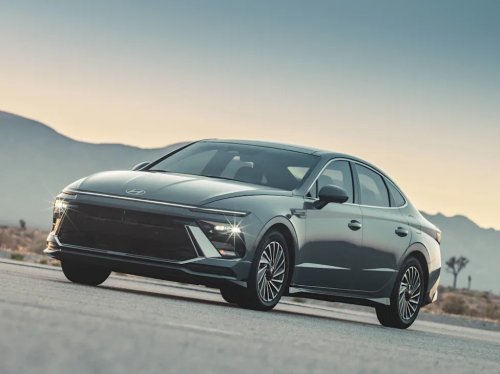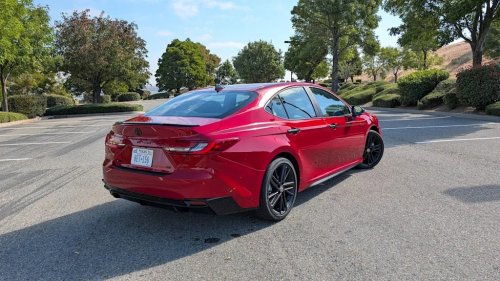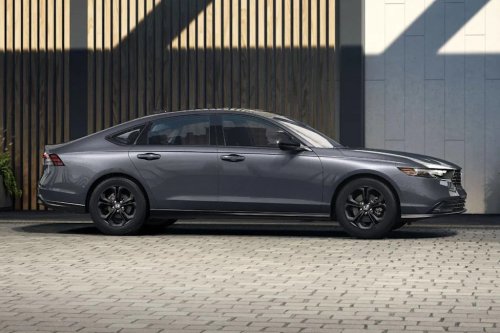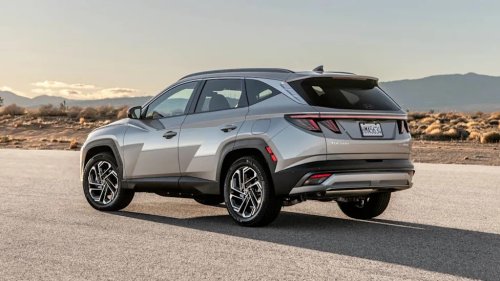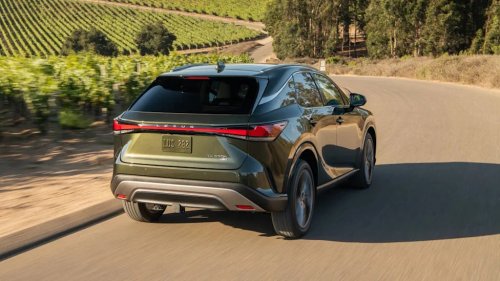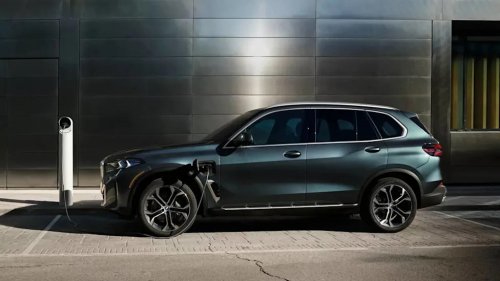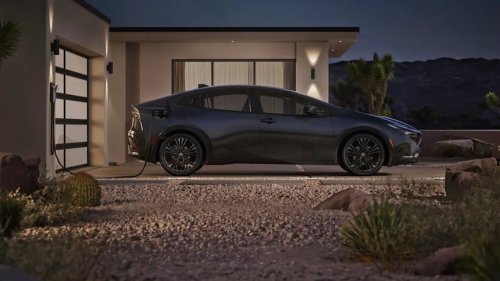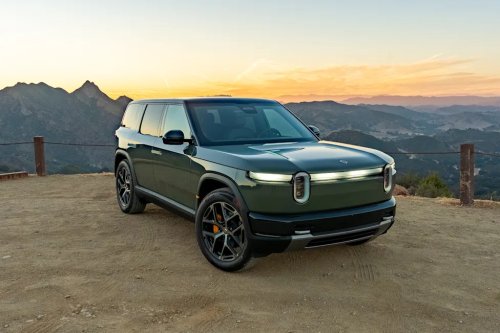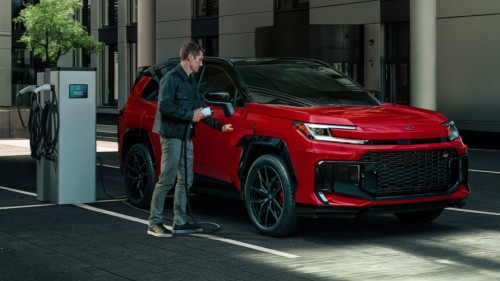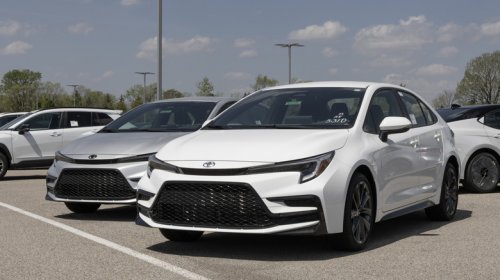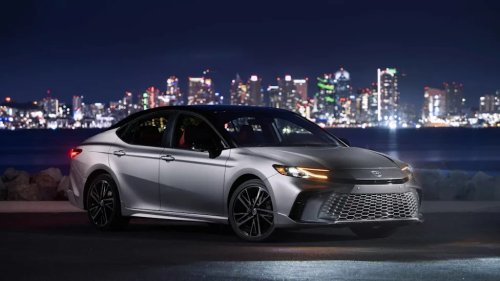
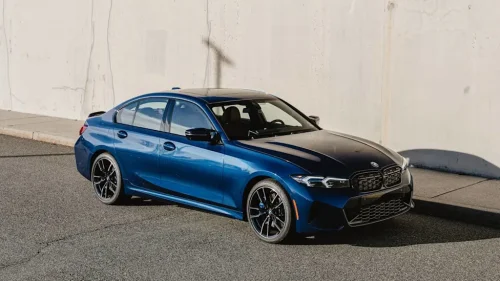
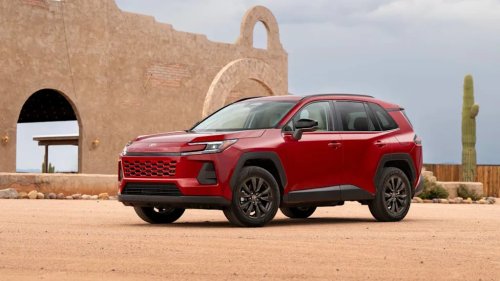
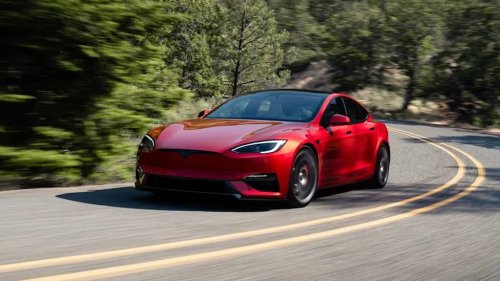
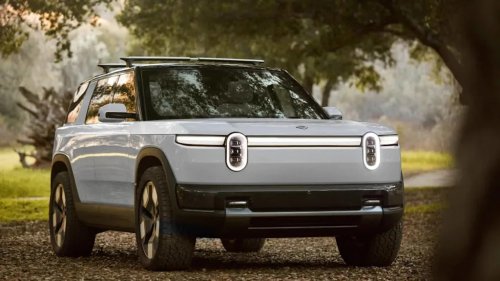



















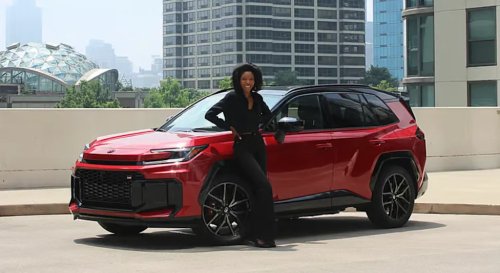

Autoblog and Yahoo may earn commission from links in this article.Are you in the market for a reliable new car? The sheer number of vehicles on offer can often be quite intimidating, and that's before you factor in the different types of powertrains available across most segments. In general, there are three main categories to pick from, gas, hybrid or fully electric. The commonly held belief is that hybrids should be the least reliable because they are the most complex, closely followed by gas-powered cars, while EVs are considered relatively 'simple' and should soldier on for decades without issue.Well, we decided to clear up some misconceptions around this issue by applying some solid research data to it. To ensure accuracy and ignore manufacturer bias, we looked to the annual reliability survey from Consumer Reports. Its data is driven entirely by real-world ownership experiences rather than independent laboratory tests, and the latest survey analyzes feedback from the owners of about 380,000 vehicles. By tracking the actual issues real drivers encounter, this data provides an accurate look at long-term dependability across different automotive technologies. Let's tackle each powertrain from most to least reliable.Hybrids For The WinToyotaView the 2 images of this gallery on the original articleAdvertisementAdvertisementThere are many different types of hybrid vehicles on the market, so for the purposes of this article, the term 'hybrid' refers to a vehicle with a small self-charging battery and electric motor that help power some of the auxiliary devices, provide additional grunt under hard acceleration, and in certain cases allow for short periods of all-electric driving at low speeds. We cover Plug-in hybrids later.These traditional hybrids are currently the most reliable vehicle type on the market. According to the CR customer data, they experience 15 percent fewer problems on average than traditional gas-powered cars. The models that enjoy the highest reliability levels are typically built by brands known for general dependability. You guessed it, Toyota, Honda, and Subaru.For example, Toyota has been improving its hybrid technology for decades and each new iteration builds on the lessons learned from millions of miles of real-world use by owners. The fact that these brands' regular gas-powered models are also very reliable is no happy coincidence. Durable products are the result of careful engineering processes. The Subaru Forester Hybrid, Toyota Camry and RAV4 are all great examples of dependable modern vehicles that still make the most of hybrid efficiency.Gas Power Still MattersBMWView the 2 images of this gallery on the original articleAdvertisementAdvertisementGas-powered vehicles have dominated the automotive market since its inception, and all those years of development have resulted in solid overall reliability. Because of this, Consumer Reports used gas vehicle reliability as the baseline for its comparisons against other powertrain types. However, when reliability issues do crop up, they are usually due to major new technologies being introduced before they have been fully optimized.This can be seen in the proliferation of durability issues with complex new transmissions, and downsized turbocharged engines. Manufacturers that have stuck to mature technology and incrementally improved it over time tend to fare the best when it comes to reliability. The Honda Passport is a great example of old tech modernized to meet the latest emissions and safety standards, and it is one of the most reliable SUVs on the road as a result.Plug-in Hybrids Fall ShortToyotaView the 2 images of this gallery on the original articleThe main difference between a traditional hybrid and a plug-in hybrid is the battery size and the added complexity of the electrical drivetrain. A traditional hybrid charges its smaller battery as you drive, while a plug-in hybrid requires an external electrical outlet to charge its much larger battery. The benefits are a much longer all-electric range, and the opportunity to avoid using the gas engine altogether if your daily commute is short.AdvertisementAdvertisementHowever, forgetting to charge the battery will result in worse performance and fuel economy than an equivalent hybrid or gas-powered vehicle, and the more complex Plug-in Hybrid design has seen these vehicles develop far more issues over time. Based on the CR data, there are about 80 percent more problems on average than you get in traditional gas cars.Part of the reason is that a Plug-in Hybrid must not only drive the car using two different power sources, but it must also charge the battery and manage cabin climate control without relying on the gas engine running. This means complex climate systems, advanced electronics, and several electric motors that all need to work together seamlessly.Now, not all Plug-In Hybrids are unreliable, in fact, the disparity between the best and worst models is huge, and once again brands like Toyota, Lexus and BMW lead the pack thanks to parts and designs developed over decades of hybrid manufacturing. Newer entrants into the Plug-in Hybrid segment like Stellantis, Ford, and Mazda have dragged the category down with frequent hybrid system and battery failures.EVs Deliver Shocking ResultsTeslaView the 2 images of this gallery on the original articleAdvertisementAdvertisementOn paper, electric vehicles should be the most reliable things on four wheels because they have fewer moving parts and components to go wrong than a complex gas engine. But while a gas engine is more complex, manufacturers have had decades to get the basics right.EVs still have cooling systems, transmissions, braking and suspension systems, all of which have to handle serious loads. An electric vehicle also has very complex electronics and charging control units, as well as battery packs and electric motors that are way more complicated than they might seem.Once again, the manufacturers that have been at it the longest tend to have the best reliability, and Tesla, BMW and Lexus all stand out from newer startups like Rivian and Lucid in terms of drivetrain durability and unforeseen issues. Taken as a whole, EVs suffer 80% more reliability issues than gas-powered vehicles, but only if you pick the wrong ones.Powertrain Reliability ComparisonRivianView the 3 images of this gallery on the original articleAdvertisementAdvertisementThe table below outlines how the four vehicle types compare to traditional gas vehicles based on the average difference in problem rates over the last three model years.PowertrainReliability Level Compared to GasPrimary Strengths / Risk FactorsHybrid15% Fewer ProblemsWell-developed technology with few design flaws.GasBaselineUses proven technology, but major redesigns can cause issues.Electric80% More ProblemsFewer moving parts but prone to charging, battery, and software issues.Plug-in Hybrid80% More ProblemsHigh mechanical complexity with gas and electric components.For more information on which models from specific manufacturers have proven to be the most reliable, take a look at our in-depth reviews here:Nissan Frontier Reliability ReviewFull Size Truck ReliabilityBMW vs Lexus: Reliability ShowdownFord vs Chevy: Reliability ShowdownThe Most Reliable Midsize SUVsAnd remember, that reliability is not just baked in during manufacture, there are several simple things you can do to help ensure that your vehicle, whether it is gas, electric, or hybrid, carries on going for year and years. Buying the right car is just the first step.AdvertisementAdvertisementThis story was originally published by Autoblog on Jun 7, 2026, where it first appeared in the Features section. Add Autoblog as a Preferred Source by clicking here.