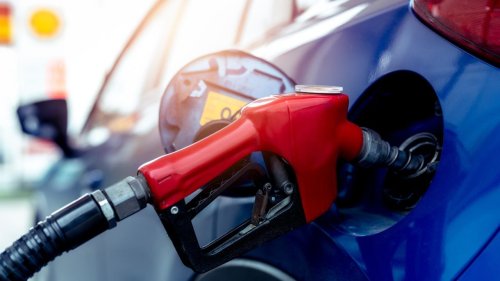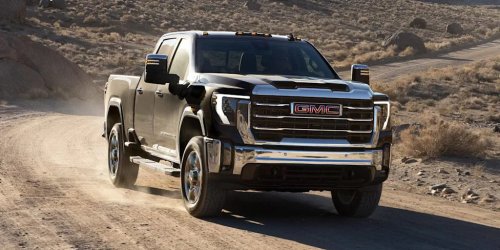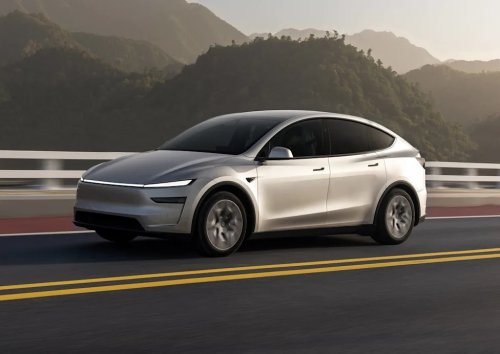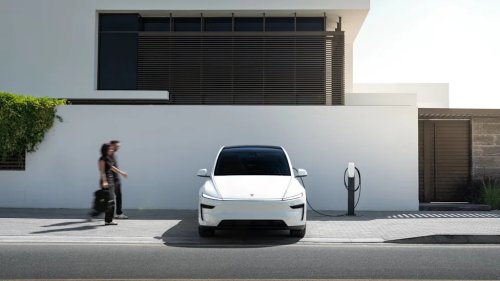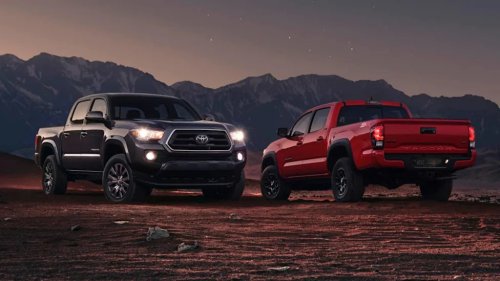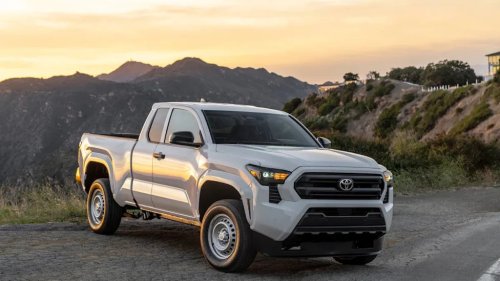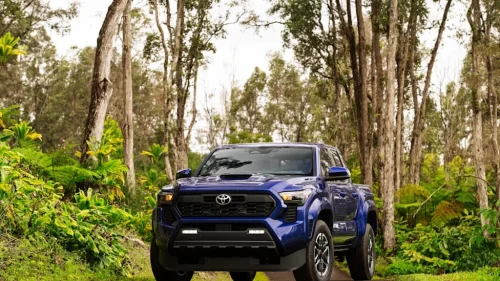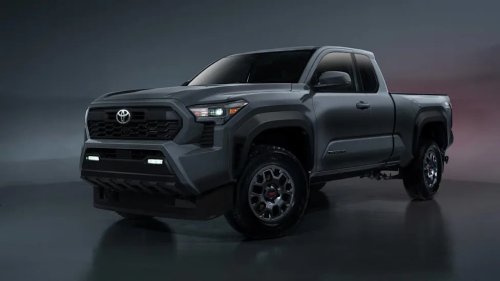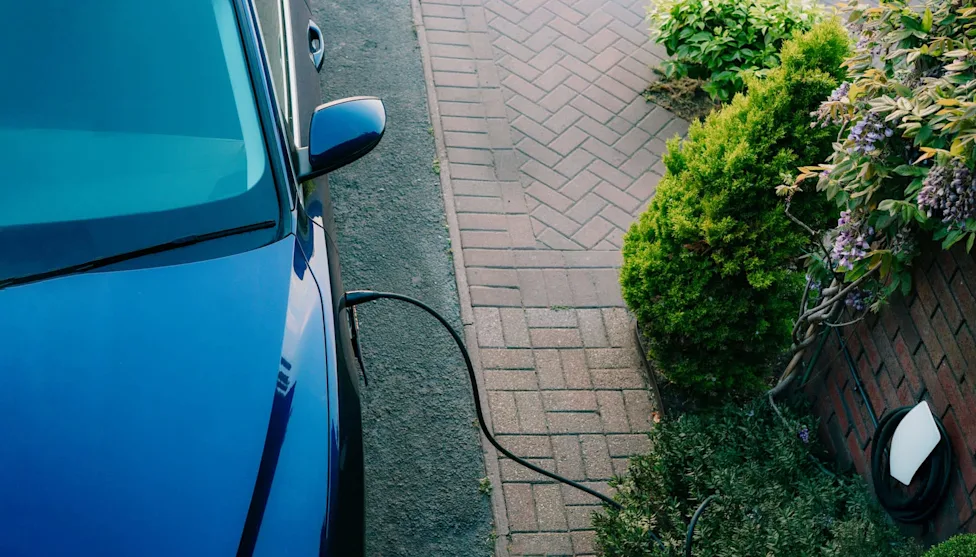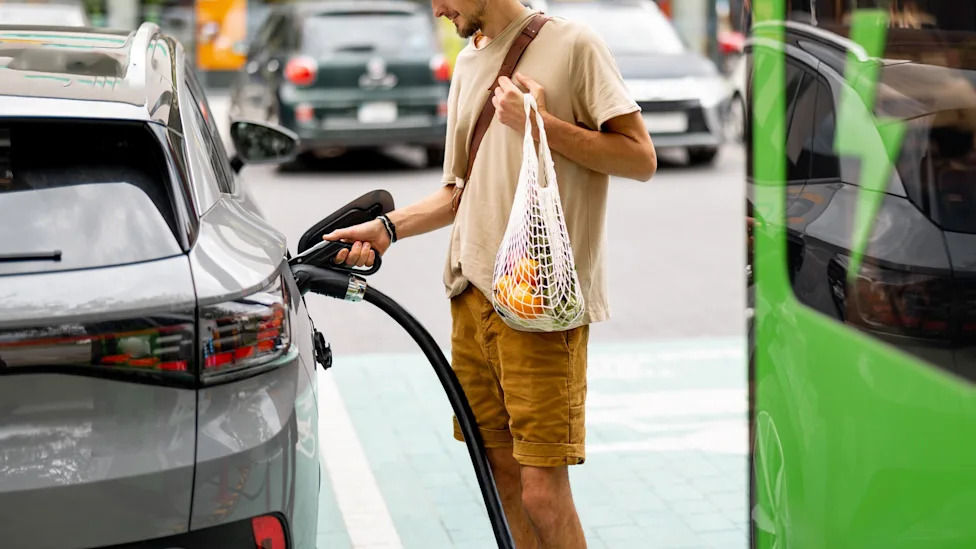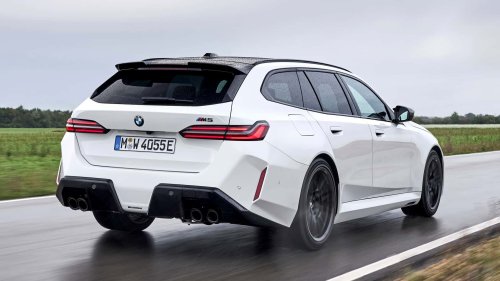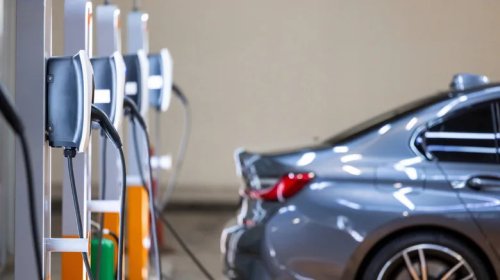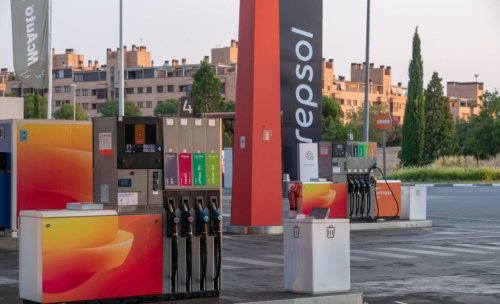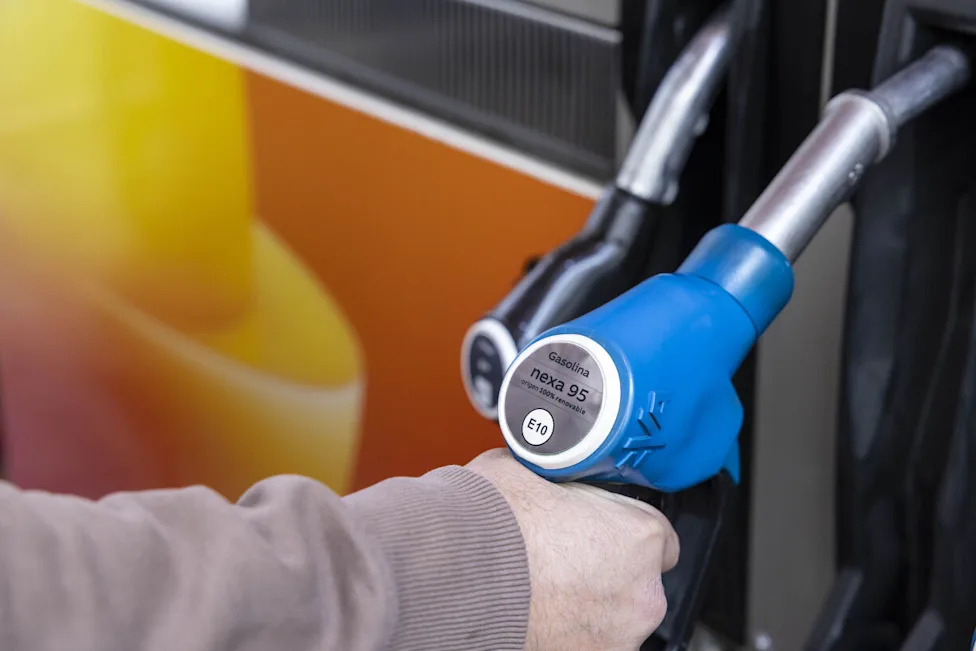
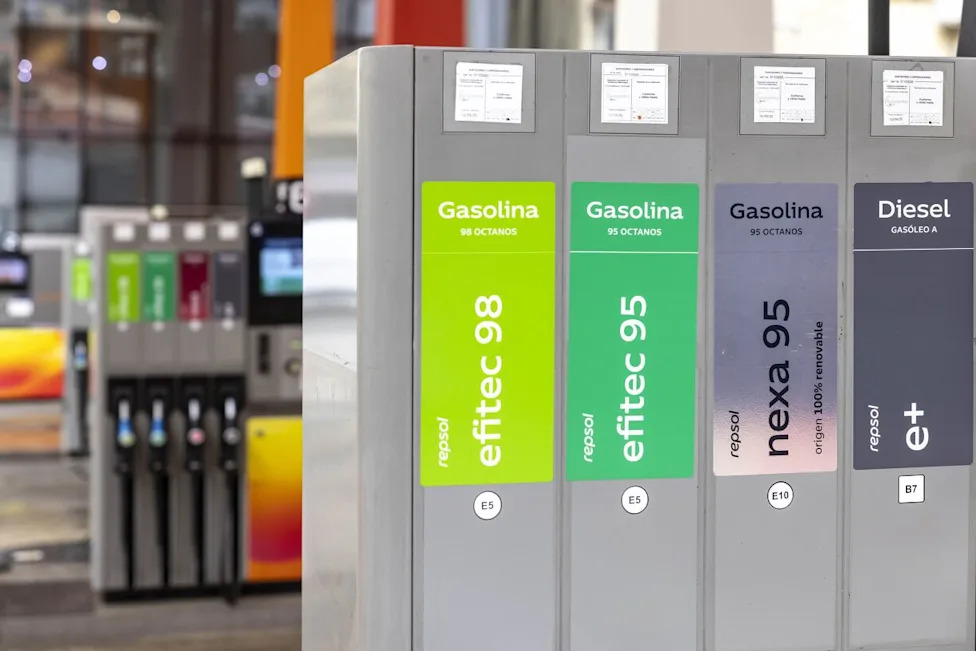
















the 3rd option how renewable fuel could shake up the ev vs gas debateFor years, the conversation around clean transportation has felt binary: you either stick with a traditional gasoline car and accept its carbon footprint, or you buy an electric vehicle (EV). But a quiet revolution is taking shape, one that could soon offer consumers a third choice. And no, it's not hydrogen.While many drivers might not realize it, sustainable fuels are already a reality. In fact, Formula 1 made the transition to running its ultra-high-performance race cars exclusively on 100% sustainable fuels. Now, a new real-world trial in Spain is aiming to prove that this same technology can be brought directly to everyday consumers, utilizing the cars they already own and the gas stations they already use.Direct Drop-In: The Real-World Trial in SpainA major industry collaboration is launching a six-month pilot project to demonstrate how existing passenger vehicles can run entirely on 100% renewable gasoline. The initiative brings together major players from across the automotive and energy sectors:AdvertisementAdvertisementBMW Group & Toyota Motor Europe: Providing a fleet of roughly 20 standard passenger vehicles.Repsol: Supplying its "Nexa 95" 100% renewable gasoline.Bosch: Deploying its "Digital Fuel Twin" tracking system to monitor and certify the fuel's lifecycle.Unlike synthetic alternatives still in development, the fuel used in this trial is manufactured from waste and organic residues that comply with strict European Union sustainability criteria. Crucially, it serves as a "drop-in" solution, meaning it can be poured directly into the gas tank of standard combustion or hybrid vehicles without any mechanical modifications.Why This Shifts the EV vs. Combustion DynamicIf scalable, 100% renewable gasoline offers a pragmatic middle path for carbon reduction. Rather than requiring consumers to buy expensive new EVs or forcing cities to overhaul their electrical grids for charging infrastructure, renewable fuels utilize what is already built.The strategy highlights a push for "technology neutrality" in environmental policy, arguing that reducing emissions (not banning specific engine types) should be the ultimate goal.AdvertisementAdvertisementWe believe renewable fuels can play a key role alongside electrification," said Pascal Ruch, Vice President Corporate & Governmental Affairs at Toyota Motor Europe. "As the transition progresses, it is becoming clear that there is a growing risk that 100% zero-emission vehicles by 2035 may not be fully achieved. In such a scenario, renewable fuels can help bridge the gap."the 3rd option how renewable fuel could shake up the ev vs gas debateOvercoming the Trust Barrier: Digital TrackingOne of the biggest hurdles for renewable fuels isn't chemistry; it is verification. For regulatory bodies and consumers to trust that a car is actually running on clean fuel, there needs to be a transparent way to track it.To solve this, Bosch is testing its Digital Fuel Twin technology in the Spain pilot. The system tracks the renewable fuel from the production facility to the pump, and finally into the vehicle's tank.By cross-referencing fueling data, vehicle telematics, and payment transactions, the system ensures that the carbon-reduction claims are fully auditable and compliant with environmental standards.What Lies AheadThe pilot will run through the end of 2026. The data gathered from these 20 vehicles will be shared with European policymakers to advocate for the inclusion of Vehicles running Exclusively on Eligible Fuels (VEEFs) in future green transportation frameworks.AdvertisementAdvertisementWhile EVs will continue to play a massive role in reducing road emissions, the success of projects like this could ensure that drivers aren't left with an all-or-nothing choice. For those who cannot easily transition to electric, the future of green driving might just look like pulling up to a standard pump.